REVIEW · SIEM REAP
2 Days Temples with Sunrise-Small Group
Book on Viator →Operated by Tourme ANGKOR · Bookable on Viator
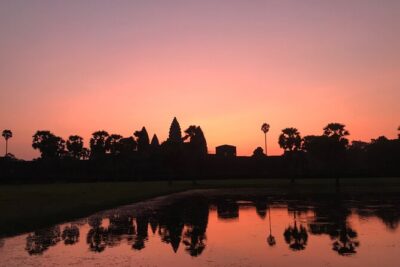
Sunrise turns Angkor Wat into theater. This compact two-day plan is a smart way to see both the classic Angkor highlights and standout temples outside Angkor Thom without feeling rushed, thanks to a small group and a licensed English-speaking guide. I especially like that the tour mixes “big name” sites with calmer, less predictable ruins, and you get time to actually look at details like Banteay Srei’s carved stone.
What I also like: the morning sunrise run plus carefully chosen angles and timing, so you’re not just standing in the loudest crowd. One consideration: the included price is only part of your total, because the main temple pass (and some site admissions) are separate and paid on the day.
In This Review
- Key Highlights You’ll Care About
- How the Angkor Wat Sunrise Timing Actually Helps
- Temple Pass Costs and What’s Actually Included in the $43 Price
- Small-Group Comfort: Pickup, Air-Conditioning, and the Guide Team
- Day 1 Outside Angkor Thom: Pre Rup, Banteay Srei, Preah Khan, Neak Pean
- Pre Rup: Your First Khmer Temple Lesson
- Banteay Srei: Carved Sandstone at Close Range
- Preah Khan: Ruins That Feel Alive
- Neak Pean: Calm Geometry on an Artificial Island
- Day 2 Sunrise at Angkor Wat to Bayon’s Faces
- Angkor Wat Sunrise: Entering Before the Crowd Is Awake
- Srah Srang: A Breakfast Break That Fits the Schedule
- Ta Prohm: Jungle-Heavy Atmosphere With Real Backstory
- Terrace of the Elephants and the Leper King
- Bayon: Central Towers With More Than 200 Faces
- What to Wear, Bring, and Do So the Day Runs Smooth
- Best Fit: Who This Two-Day Plan Will Please
- Should You Book This Sunrise-Temples Small Group Tour?
- FAQ
- What time does the tour start?
- Is hotel pickup and drop-off included?
- Do I need to pay for temple entry separately?
- Is Angkor Wat sunrise included in the tour?
- Do I need a torch for sunrise?
- What about breakfast?
- What’s the dress code?
- How large is the group?
Key Highlights You’ll Care About
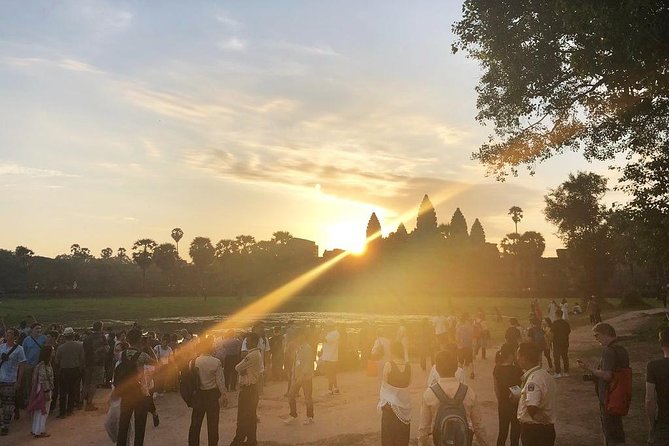
- Angkor Wat sunrise with a torch and an eastern-side entry plan that’s meant to feel quieter
- Max 15 people with pickup, drop-off, air-conditioning, and mineral water
- Day 1 focuses outside Angkor Thom for a better change of scenery
- Banteay Srei’s fine sandstone carvings get real attention here
- Preah Khan’s roots-and-ruins atmosphere gives you that “how is this still standing?” feeling
- Friendly practical support noted by previous guests, including water and flannel between stops
How the Angkor Wat Sunrise Timing Actually Helps
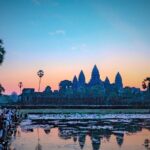
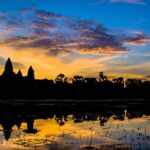
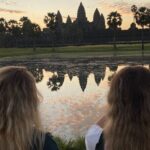
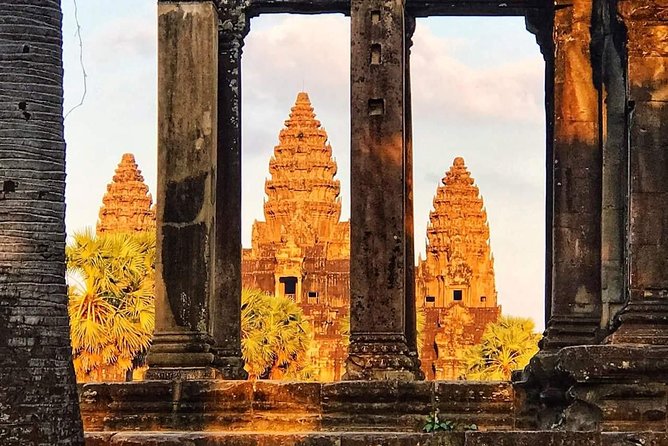
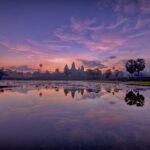
The best part of this tour is the early departure for sunrise at Angkor Wat. You leave before dawn, so when you enter the temple, it’s still dark and you’re moving by headlamp-style light. The guide’s plan includes entering from the eastern side, described as little-visited, which matters because it helps you get your bearings without immediately funneling into the busiest bottlenecks.
You’ll want a torch, because you literally go in during darkness. This isn’t just for photos—it’s for where you step and how fast you can read the space. After that initial setup, the experience shifts into a slower, more thoughtful pace as you creep along the cloister areas and start to see the temple lines sharpen in the first light. If you’ve ever shown up at mid-morning and felt like you missed the “real” Angkor mood, this timing is the fix.
And yes, sunrise in Siem Reap can be chilly early and hot fast right after. This is where small logistics make a difference. The tour includes air-conditioned transport between sites, and previous guests also praised the practical comfort moments between stops (including water and a flannel provided by the driver). That combo helps you focus on the temples instead of counting minutes until you can sit down.
You can also read our reviews of more tours and experiences in Siem Reap
Temple Pass Costs and What’s Actually Included in the $43 Price
The headline price is $43 per person for the two days. That covers the guided experience (including the sunrise day), hotel pickup and drop-off, an air-conditioned vehicle, mineral water, and local taxes.
But you should budget for the temple pass. The tour clearly states a USD 62 surcharge for the 2–3 day temple pass, payable on the day of your activity. Also, the schedule marks several stops as Admission Ticket Not Included, meaning you’ll still need to plan for site entry costs even if some places list admission as free.
So how do you think about value?
- If you want a guide who helps you connect the dots between temples in a short time, $43 is a reasonable base cost.
- If you’re the type who would independently buy tickets and hop around solo, the main value is the route planning and the guide’s explanations.
- Your real total is usually $43 plus the $62 temple pass, then meals on top.
In plain terms: the tour is a good deal for the convenience and interpretation, but it’s not a “pay $43 and you’re done” situation. Plan your budget like you’re paying for access to Angkor first, then paying for how you experience it.
Small-Group Comfort: Pickup, Air-Conditioning, and the Guide Team
This runs as a small group tour with a maximum of 15 travelers. That size matters more than you’d think. With fewer people, you can ask follow-up questions without shouting, and you spend less time waiting at gates while everyone slowly remembers their wallet.
You also get hotel pickup and drop-off and an air-conditioned vehicle—big points in Siem Reap heat. Mineral water is included, and earlier guests highlighted helpful in-between comforts during the drive. One review specifically called out Sok as the guide and Richard as the driver, plus water and flannel provided between stops. That’s the sort of small care that keeps the day from feeling like a long bus ride with occasional temple stops.
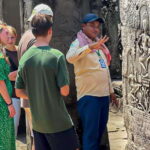
On the guide side, you’re getting a licensed English-speaking professional. You also get real-world practical guidance: how to move through temple areas, what to notice, and how to understand what you’re looking at—especially at sites where the stones are broken and the story isn’t obvious at first glance.
Day 1 Outside Angkor Thom: Pre Rup, Banteay Srei, Preah Khan, Neak Pean
Day 1 is designed to broaden your Angkor view beyond the Angkor Thom core. It’s also where you start building the “range” of Khmer temple design—bigger state temples, finely detailed smaller carvings, and then the atmospheric ruins that look like they’ve been negotiating with nature for centuries.
Pre Rup: Your First Khmer Temple Lesson
You begin with Pre Rup, starting after hotel pickup. It’s listed as about 30 minutes, and admission is not included.
Pre Rup is described as a Hindu temple built as the state temple of Khmer king Rajendrav… (the name is partially shown, but the key idea is that this is tied directly to royal power). For you, that means your first stop isn’t random—it’s a “why temples were built” kind of start. Even in a short visit, it’s a way to understand the religious and political purpose behind the stones.
If you’re the type who likes quick orientation, Pre Rup works as a warm-up: short enough that you stay energized, but meaningful enough that later stops land better.
You can also read our reviews of more tours and experiences in Siem Reap



Banteay Srei: Carved Sandstone at Close Range
Next is Banteay Srei (about 1 hour). Admission is listed as free here.
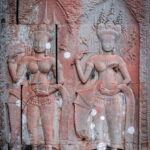
This is the stop many people end up remembering. The temple is described as intricately carved and well-preserved, built on smaller sandstone structure. The wording used highlights that the reliefs are regarded as the finest and most skillfully crafted in Cambodia.
What that means in practice: you’ll want to slow down. At Banteay Srei, details are the attraction. Look for how reliefs sit in layered stone surfaces and how the craft holds up even when the temple is small compared to the giants in Angkor proper.
If you’re coming to Cambodia for art and stonework, this is a strong use of time.
Preah Khan: Ruins That Feel Alive
In the afternoon you move to Preah Khan (about 2 hours), with admission not included.
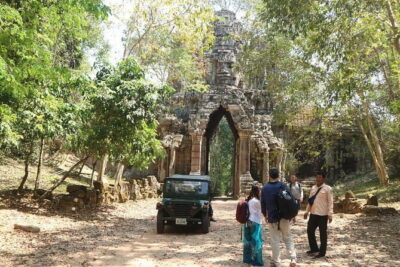
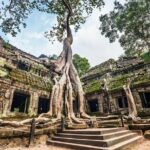
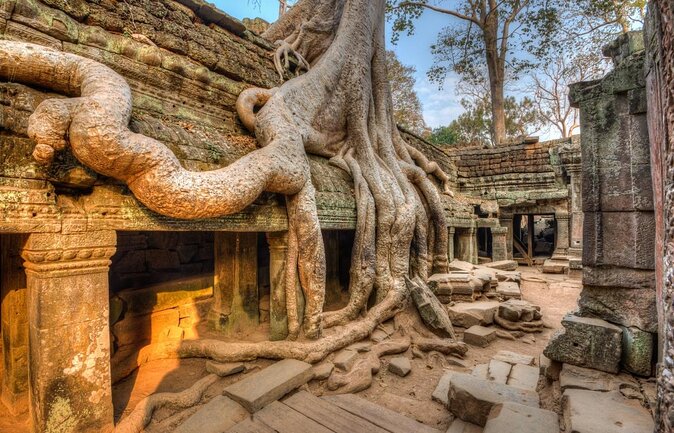
Preah Khan is described as ruined but highly atmospheric, with tree roots and crumbling stone structures. That combination is what makes it visually dramatic—parts feel “unfinished” in the best possible way, like you’re seeing the temple mid-conversation with the jungle.
A practical note: because it’s a ruin with lots of uneven ground and broken stone, wear shoes you trust. This stop is long enough that you’ll want your feet to be happy.
Neak Pean: Calm Geometry on an Artificial Island
Neak Pean is listed for about 50 minutes. Admission is not included.
This one is different. It’s an artificial island with a Buddhist temple on a circular island in Jayatataka Baray. Even if you don’t know all the historical terms, the layout gives you a clear visual idea: a controlled shape in the middle of water.
This stop is good for a reset after Preah Khan’s heavy atmosphere. You get a change in scenery and a different kind of temple “logic”—more calm, more spatial, less chaotic.
Day 2 Sunrise at Angkor Wat to Bayon’s Faces
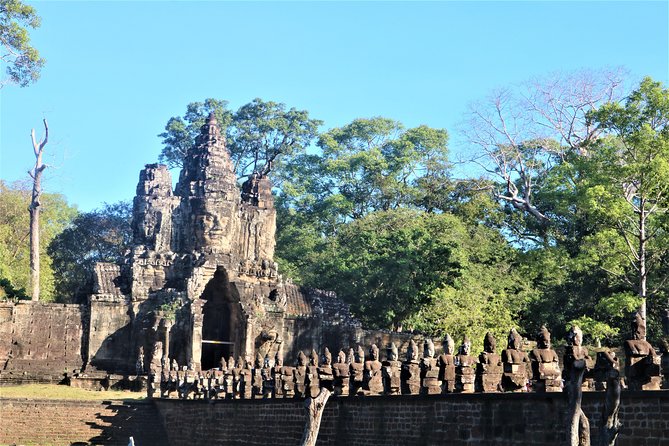
Day 2 is built around Angkor Wat at sunrise, then a sequence that takes you through several of the core signature sites. It’s a long day, but the order makes sense: start early with the big icon, then keep feeding you major viewpoints.
Angkor Wat Sunrise: Entering Before the Crowd Is Awake
This day begins with pre-dawn departure for sunrise outside Angkor Wat. The plan says you enter the great temple in darkness, and you should bring a torch.
It also notes an approach from the little-visited eastern side. That matters because it’s not just sunrise, it’s sunrise with a route design that tries to reduce immediate crowd friction. You’ll see the temple space before the place becomes a traffic jam of selfie sticks and loud conversations.
You’ll spend about 2 hours 5 minutes here. Use that time to look at structure lines as the light changes. Early morning shadows make the carvings and galleries feel sharper.
Srah Srang: A Breakfast Break That Fits the Schedule
After sunrise, you end your tour at Angkor with breakfast at a Khmer local restaurant. Admission is listed as free.
The details here are important for your planning. The tour notes you can request breakfast to-go after sunrise, or order there. It also advises that if your hotel room includes breakfast, ask for the breakfast pack and enjoy it after sunrise at Angkor Wat.
Meals aren’t listed as included overall, so this is the part where you should think in terms of what your hotel offers. If your hotel breakfast is included, the to-go pack option is the cleanest way to avoid paying twice for food on a day you’re already paying for temple access.
Ta Prohm: Jungle-Heavy Atmosphere With Real Backstory
Next comes Ta Prohm (about 1 hour), admission not included.
This is described as one of the most atmospheric temples in Angkor, enveloped by jungle. The tour notes that it was once home to 2,740 monks, and that today it looks much as it did in the early 1850s.
That combination changes how you experience it. You’re not just looking at “cool vines on stones.” You’re looking at a complex living environment that has been preserved in a way that still feels connected to the past scale of use.
Terrace of the Elephants and the Leper King
You pass by the Terrace of the Leper King and the Terrace of the Elephants (about 20 minutes). Admission is listed as free here.
It’s a quick stop, so don’t expect long explanations. Treat it as a photo-and-notice-your-surroundings moment. If you’re walking for 20 minutes elsewhere in the day, this is where you’ll see that carved terraces are part art, part storytelling.
Bayon: Central Towers With More Than 200 Faces
Finally, you reach Bayon Temple (about 1 hour), admission not included.
Bayon is famous for its central towers covered in more than 200 enormous faces. The tour’s description is straightforward because the visuals are the point: you’re meant to look up and take in the sheer scale of the faces.
This is the kind of ending that feels like a theme park moment—until you realize how disorienting it is to look up for that long. Plan for it. Rest your neck as needed and give yourself time to walk around the edges instead of only photographing from one spot.
What to Wear, Bring, and Do So the Day Runs Smooth
This tour is casual, but the dress code is clear: you need shoulders and knees covered inside temples. That’s non-negotiable, so pack clothing you can wear without sweating your way through the morning.
Bring:
- Comfortable walking shoes. You’ll be on uneven ground at several stops.
- A torch for sunrise at Angkor Wat. You’ll enter in darkness, so this is practical, not optional.
Also do this:
- Request a wake-up call at your hotel so you don’t miss the pre-dawn departure.
- Expect good weather requirements. The tour notes it needs good weather, and if canceled due to poor weather, you’ll be offered a different date or a full refund.
Little preparation makes a big difference with early starts. If you like sleeping in, this tour will politely correct that habit.
Best Fit: Who This Two-Day Plan Will Please
This tour is ideal if you:
- Want to see a lot of famous temple highlights in a tight time window.
- Like expert guidance that helps you understand what you’re looking at.
- Prefer small-group pacing (max 15) instead of a big bus crowd.
- Care about getting the sunrise atmosphere at Angkor Wat, not just checking a box.
It might not be your best match if you:
- Want long, unstructured temple time at just one site.
- Hate early mornings or don’t want to carry a torch.
- Are hoping all meals and admissions are included without extra costs.
For many first-time visitors to Siem Reap, this is the sweet spot: structured enough to feel confident, flexible enough to look closely when it counts.
Should You Book This Sunrise-Temples Small Group Tour?
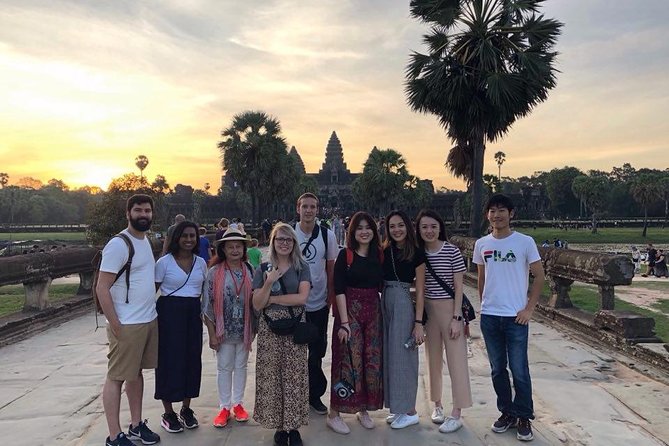
If you want an efficient, well-paced Angkor experience with a guide who can explain what matters, I’d recommend booking this tour. The biggest selling points are the sunrise-at-Angkor-Wat setup, the mix of major temples plus outside-Angkor Thom stops, and the fact you’re traveling in a group capped at 15 with pickup, air-conditioning, and comfort support between sites. The guide team’s impact is also a clear theme—Sok’s temple knowledge and the practical care from Richard and the water/flannel support are exactly the kind of details that make early mornings feel doable.
Just go in with eyes open on cost: the USD 62 temple pass is extra, and meals aren’t included as part of the base price. If you plan for that, you’ll feel like you’re paying for access plus interpretation, not for vague “temple viewing.”
If you’re short on time in Siem Reap but don’t want the rushed version of Angkor, this two-day plan is a solid choice.
FAQ
What time does the tour start?
The start time listed for the experience is 8:00 am, but day 2 includes a pre-dawn departure for sunrise at Angkor Wat.
Is hotel pickup and drop-off included?
Yes. The tour includes hotel pickup and drop-off.
Do I need to pay for temple entry separately?
Yes. The temple pass is not included and is paid directly to the site for USD 62 per person (2–3 days temples pass). The itinerary also notes admission ticket not included for several stops.
Is Angkor Wat sunrise included in the tour?
Yes. The tour includes sunrise at Angkor Wat on day 2.
Do I need a torch for sunrise?
Yes. You’re advised to bring a torch because you enter Angkor Wat in darkness.
What about breakfast?
The tour notes breakfast at Angkor after sunrise at Angkor Wat, either as a to-go pack or by ordering at the Khmer local restaurant. Meals are generally not listed as included, so check what your hotel provides.
What’s the dress code?
Dress code is casual, but shoulders and knees must be covered inside temples.
How large is the group?
The tour has a maximum of 15 travelers.