REVIEW · SIEM REAP
2-Day ‘Angkor & Village’ Tour
Book on Viator →Operated by Asia Voyage Tour · Bookable on Viator
Angkor can feel like a blur if you rush. This 2-day private Angkor & Village plan gives you the big hits, plus a real temple rhythm and the floating village experience. What I like most is the air-conditioned transport between far-flung sites, and the English-speaking guide who keeps the sights making sense. One thing to consider: the walking and climbing can be rough, especially on steep temple steps and viewpoints.
Day 1 leans classic Angkor. You start at the Angkor Archaeological Park, then work through Angkor Thom highlights like Bayon and Baphuon, catch the roots-and-stone mood at Ta Prohm, and end with Angkor Wat and a climb up toward Phnom Bakheng. Day 2 brings the famous Angkor Wat sunrise, then a slower second half with Banteay Srei, Pre Rup, and either Kompong Phluk on Tonlé Sap by boat or a quieter temple alternative.
At $130 for two days, it’s a decent value because hotel pickup/drop-off, an air-conditioned vehicle, a guide, bottled water, cold towels, and even the motorized boat fee are included. You do still need to budget for temple passes and meals, so your real total is more than the base tour price.
In This Review
- Key points to know before you go
- Two days that actually fit Angkor planning
- Angkor pass basics: what you pay before the temples start
- Angkor Thom highlights: Bayon, Baphuon, and Ta Prohm
- Angkor Wat in daylight: what the afternoon visit gets right
- Sunrise at Angkor Wat: the early start plus the breakfast payoff
- Banteay Srei and the smaller temples: where the details show
- Kompong Phluk by boat, or a quieter temple swap
- Comfort and guide style: how the day feels in practice
- Price and value: $130 plus passes, meals, and reality
- Who this tour suits best (and who should think twice)
- Should you book this Angkor & Village tour?
- FAQ
- How much is the tour, and what isn’t included?
- Do I need to buy Angkor temple passes for this tour?
- What’s included in the price?
- What time does the tour start?
- Is this a private tour or a shared group?
- Is there a free cancellation option?
Key points to know before you go
- Private time with an English guide: better pacing at crowded stops, and more chances to ask questions.
- Two Angkor Wat moments: daytime sightseeing plus a sunrise revisit on day two.
- Cold towels and bottled water: small comfort wins in the heat.
- Boat time on Tonlé Sap: Kompong Phluk feels different when you approach by water.
- Temple climbing is real: it’s not just flat walking—plan for stairs and uneven stone.
Two days that actually fit Angkor planning
Angkor is big. Like, big-big. What makes this tour practical is that it doesn’t treat Angkor as one long photo sprint. You get a full day covering multiple zones, then a second day that brings sunrise energy and then branches out to smaller temples and the lake.
I also like that the schedule has both “showstopper” and “breather” moments. After you get the major temple hits, you still have time to slow down at places where the details matter, like the ornate faces at Bayon and the intricate stonework at Banteay Srei.
Finally, the private setup matters here. Crowds are crowds at Angkor, but a private group gives you the option to keep moving when you want—and to pause longer when you don’t.
You can also read our reviews of more tours and experiences in Siem Reap


Angkor pass basics: what you pay before the temples start
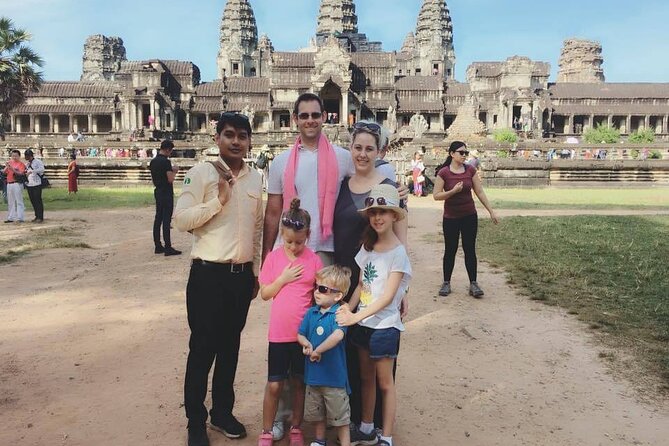
To enter Angkor’s temple areas for multiple days, you need an Angkor pass. This tour doesn’t include temple passes, so you’ll buy them separately (currently listed as 2-Day USD67 per person).
The pass is time-based, so if you want to see both days without stress, you’ll want coverage for the right length. Also note: the pass is per person, so plan for your whole group.
Tip: bring a little extra buffer. Even when everything is “scheduled,” pass lines and entry timing can be part of your day. Buying ahead of time can help, but your guide can also point you to the right office and the right approach.
Angkor Thom highlights: Bayon, Baphuon, and Ta Prohm
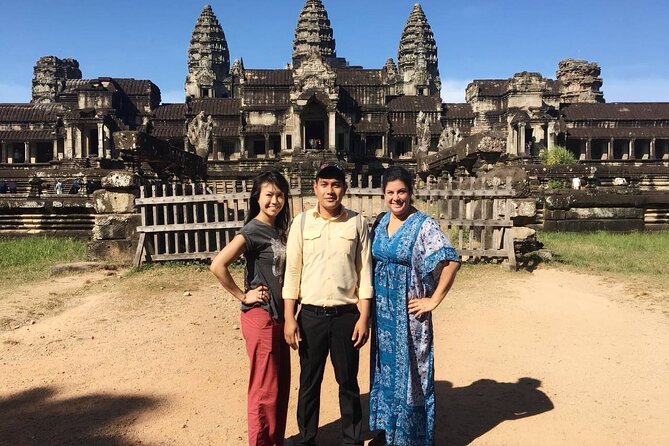
Your first major temple run is around Angkor Thom. This is where Angkor shifts from “wow, ruins” to “okay, I’m starting to understand the layout.”
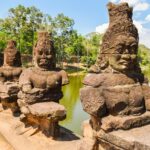
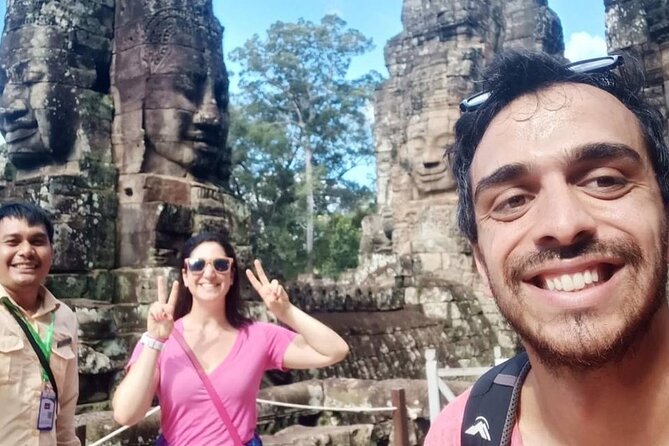
Bayon Temple is the face-temple moment. The famous carved faces at the center make you feel like the place is watching you back. You’ll spend about an hour here, which is enough time to see multiple angles and not feel like you’re checking boxes.
Baphuon follows, about an hour too. It’s a three-tier temple mountain style, dedicated to Shiva. The structure is more about massing and elevation than pure face carvings, so it feels different from Bayon.
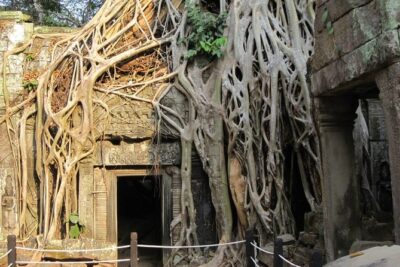
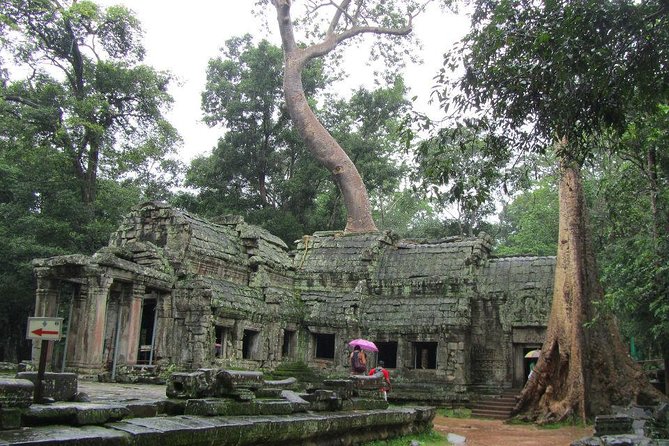
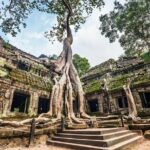
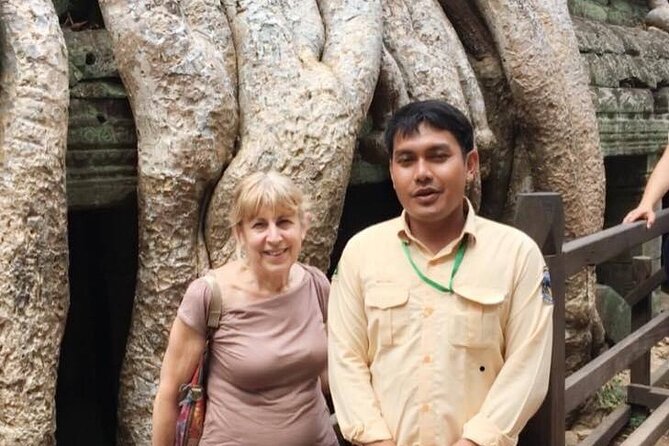
Then comes Ta Prohm. This is where the jungle-growth drama comes in—stone and roots tangled together. Ta Prohm is often the stop people love in photos, but the best part is how the atmosphere changes as you walk deeper in. Expect some uneven ground and steps, so keep your pace steady.
Practical note: this chunk of day one involves a lot of walking across temple areas. If you’re not used to stairs, I’d treat the day like a hike. Go slow, and you’ll enjoy more than you’ll rush.
Angkor Wat in daylight: what the afternoon visit gets right
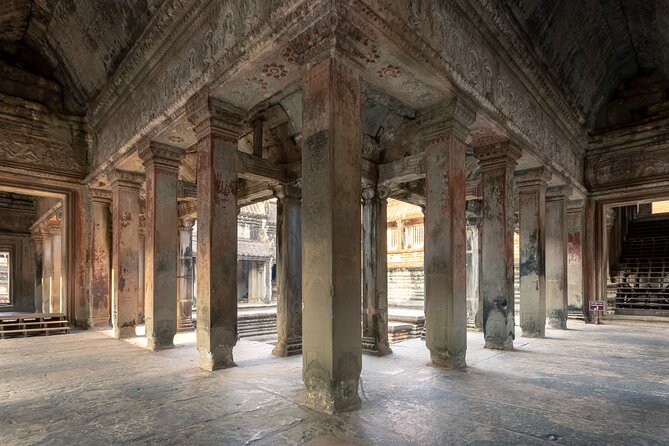
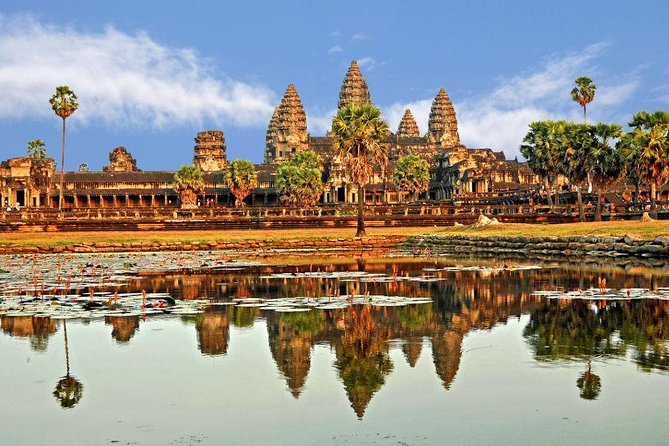
After lunch, you head to Angkor Wat, with about three hours set aside. This is a big deal because Angkor Wat looks different depending on the light. Daytime makes it easier to appreciate the architecture and stonework without fighting the dark.
You’ll have time to move through the courtyards and take in the bas-relief style carvings that Angkor is known for. If sunrise is your big target tomorrow, daylight today is still worth it because you get the layout in your mind. Tomorrow becomes easier when you already know where you are.
Then the day shifts to Phnom Bakheng. This is a temple mountain viewpoint, and it’s physically demanding because it’s built on top of a hill. Your feet will notice the climb. If you can only do one “uphill temple” during the visit, plan your energy for this moment.
Sunrise at Angkor Wat: the early start plus the breakfast payoff
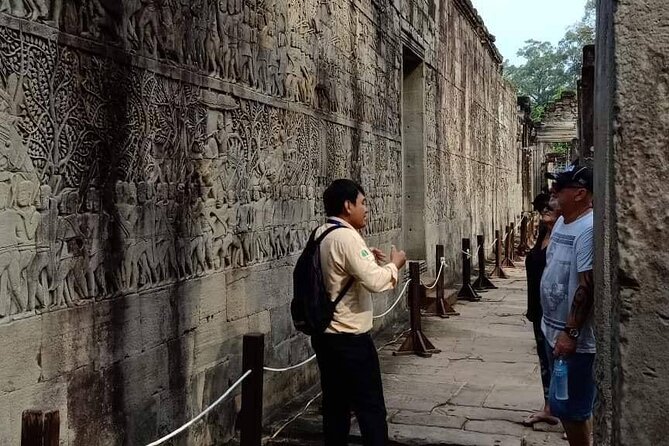
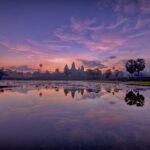
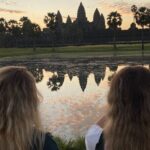
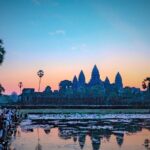
Day two starts with a revisit to Angkor Wat for sunrise. Sunrise is why many people come to Siem Reap—but the smart move here is that you’re also set up to enjoy the rest of the morning afterward.
After the sunrise visit, you head back toward the hotel so you can eat breakfast. That part matters more than it sounds. Sunrise days can turn into a “survive on caffeine” situation, and the plan here helps prevent that.
What to do with sunrise: wear comfortable shoes, bring a light layer (morning air can feel cooler), and don’t overpack your bag. Your goal is to watch the light change, then enjoy the temple without feeling distracted by discomfort.
Sunrise is also when crowds are thinner. Even if you’ve visited Angkor before, the mood is calmer in early light.
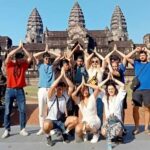
Banteay Srei and the smaller temples: where the details show
After the sunrise and breakfast break, the tour goes into “smaller-but-special” territory.
Banteay Srei is often called the ladies temple, and it earns the nickname through its delicate, pinkish carved stone look. You’ll spend about two hours, which gives you room to appreciate carvings without rushing through.
Then you move to Banteay Samré (about one hour). It’s built in the Angkor Wat style, but on a smaller scale, which can feel refreshing after the major complexes. This is the kind of stop where you start seeing patterns: the repetition of motifs, the symmetry, and the way these temples were built to guide movement through space.
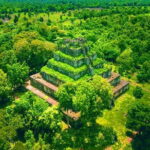
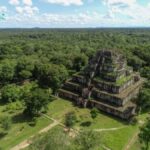
Next is Pre Rup for about one hour. It’s another temple mountain style built with brick, laterite, and sandstone. Expect steps and elevation here too—again, not a flat stroll.
This middle-of-day cluster works well if you want a tour that feels like sightseeing rather than a checklist. You’re still seeing famous sites, but you’re also getting variety.
Kompong Phluk by boat, or a quieter temple swap
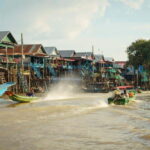
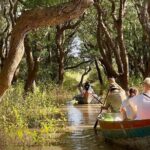
Later you reach Kompong Phluk, a village area on Tonlé Sap, where homes and buildings are largely on stilts. It’s about fishing and seasonal life. The tour includes the motorized boat fee, so you’re not just looking at the village from a shoreline.
This is one of those experiences where the water approach changes everything. You can get a real sense of how people live with the lake’s wet-season rhythms (the info notes fishing is a key survival activity during May to October).
The tour also gives you an alternative to Kompong Phluk: Preah Khan, Neak Poan, Ta Som, and East Mebon instead. If you prefer temples over a water village, this swap keeps your day moving and still gives you Angkor-area variety.
Either way, you return to town around 5:00pm. That timing is helpful because it leaves your evening open for dinner and a slow walk near Siem Reap.
Comfort and guide style: how the day feels in practice
This tour is built around a comfort-first structure for a long, hot region. You get hotel pickup and drop-off in an air-conditioned vehicle, plus bottled water and cold towels. Those last two aren’t fancy, but in Angkor heat they can be the difference between enjoying the day and counting minutes.
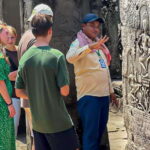
The guide is professional and speaks English. The payoff is not just translation—it’s context. When someone can connect what you’re seeing to who built it and why the temple layout matters, the trip starts to feel less like walking around old stone and more like reading a map with walls.
I’ve also seen how strong guides adapt when you have preferences. If you care about getting specific angles for Angkor Wat, or you want the water village experience to be a highlight, that kind of flexibility makes the tour feel personal even when it’s structured.
Price and value: $130 plus passes, meals, and reality
Here’s the honest value math.
You pay $130 for the tour. On top of that, you need temple passes (listed as 2-Day USD67 per person). That puts your base ticketing area at about $197 per person, before meals and drinks.
What you get for that money:
- Hotel pickup and drop-off
- An air-conditioned vehicle for touring
- A professional English-speaking guide
- Bottled water and cold towels
- Motorized boat fee
- Private-group format
What you don’t get:
- Temple passes
- Meals, soft drinks, and alcohol
So the value is strongest if you want a guided, comfortable, low-stress approach that covers both the major temples and the village by boat. If you’re trying to squeeze costs to the absolute minimum and you’re comfortable arranging everything yourself, you might find cheaper options. But for most people, the included transport + guide + boat fee is what makes this feel fair.
Who this tour suits best (and who should think twice)
This is a good match for you if you:
- Want private time and not a bus full of strangers
- Like having a guide connect the dots for you
- Want sunrise at Angkor Wat without guessing logistics
- Don’t mind walking and climbing some temple steps
It’s not the best match if:
- You have trouble with stairs, steep climbs, or uneven stone
- You’re looking for a purely low-effort, flat sightseeing day
The tour explicitly isn’t designed for very limited mobility or under-average fitness. Phnom Bakheng and several temple sites involve real effort, not just gentle walking.
Should you book this Angkor & Village tour?
If you want a two-day plan that balances the big names (Angkor Wat, Bayon, Ta Prohm) with the “details and variety” side (Banteay Srei, Pre Rup) and you also want the Tonlé Sap feel at Kompong Phluk, I’d say this is an easy yes.
Book it if you value comfort and guidance, and if sunrise is on your must-do list. Passes and meals add cost, but the included guide, air-conditioned transport, and boat fee keep you from dealing with lots of small headaches.
Skip it if stairs and climbs are a problem for you. Angkor is gorgeous, but this particular plan is active enough that you’ll feel it in your legs.
FAQ
How much is the tour, and what isn’t included?
The tour price is $130 for the 2-day experience. Temple passes are not included, and meals, soft drinks, and alcohol are also not included.
Do I need to buy Angkor temple passes for this tour?
Yes. You’ll need an Angkor pass for entry (listed as 2-Day USD67 per person). You buy it separately from the tour.
What’s included in the price?
The tour includes hotel pickup and drop-off, an air-conditioned vehicle, a professional English-speaking guide, the motorized boat fee, bottled water, and cold towels.
What time does the tour start?
Pickup begins at 8:30am.
Is this a private tour or a shared group?
This is a private tour/activity. Only your group participates.
Is there a free cancellation option?
Yes. You can cancel up to 24 hours in advance for a full refund.