REVIEW · SIEM REAP
1 Day Angkor Wat with Sunrise Tour
Book on Viator →Operated by Angkor Heritage Tours · Bookable on Viator
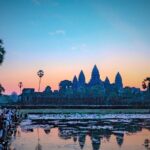
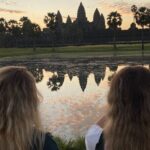
Sunrise at Angkor Wat sets the tone. I love the early-morning light that turns the temple grounds into a photo story, especially the pool reflection you can catch right in front of Angkor Wat. I also like the photo-minded guide approach, including help finding great angles for Instagram-style shots and even small touches like cold towels and bottled water. One consideration: the big temple admission costs and any taxes aren’t included, and you’ll still be doing a fair bit of walking on uneven stone for a 6–8 hour day.
This is built as a private tour with a flexible guide, so you can move at a pace that feels right and spend extra time where the details grab you. You’ll cover the classic hits—Angkor Wat, Angkor Thom South Gate, Bayon, Preah Palilay, and Ta Prohm—plus comfortable transport in an air-conditioned SUV or minivan with pickup offered.
If you want a smooth day that focuses on the sights and the photos, this is a strong way to do it. Just plan to bring your energy for an early start, and budget separately for tickets and meals.
In This Review
- Key highlights to know before you go
- Sunrise at Angkor Wat: why the early start really matters
- Moving through Angkor Thom South Gate like a story in stone
- Bayon Temple: the calm center where smiles take over
- Preah Palilay: a short stop with a forest-temple vibe
- Ta Prohm: the iconic roots, plus a human story behind the stones
- What makes this tour feel smoother: the guide and the comfort extras
- Price and value: what your $56.42 does and doesn’t cover
- Time on your feet: how the 6–8 hours affects your day
- Should you book this sunrise temple tour?
- FAQ
- FAQ
- What’s included in the tour price?
- Are Angkor temple admission tickets included?
- Does the tour include breakfast or lunch?
- Is pickup offered?
- How long is the tour?
- Is this a private tour?
- What type of vehicle will you use?
- Can I cancel if my plans change?
- What fitness level do I need?
Key highlights to know before you go
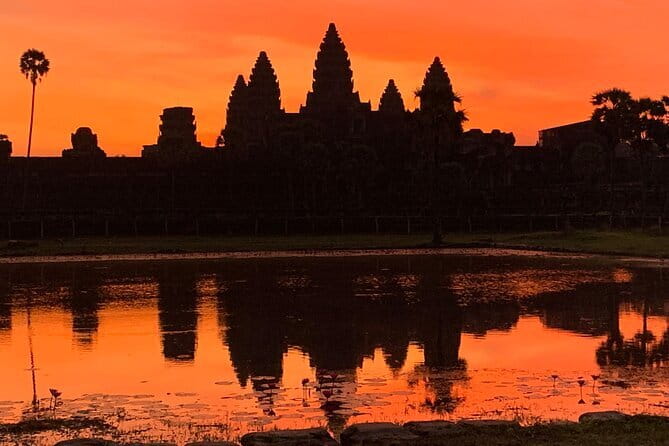
- Angkor Wat sunrise with a pool-reflection view that’s all about timing
- Photo guidance aimed at strong angles and Instagram-friendly compositions
- Air-conditioned SUV/minivan + cold towels and bottled water to keep you comfortable
- A private, flexible format for your group instead of getting swept into a crowd pace
- A well-rounded temple mix: big landmark temples plus a quieter forest stop
Sunrise at Angkor Wat: why the early start really matters
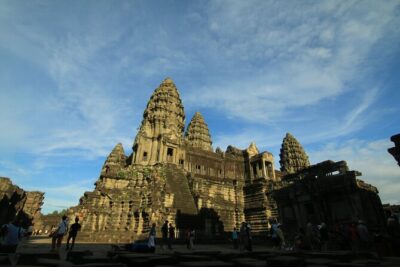
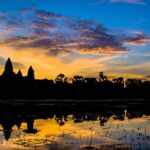
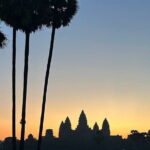
Angkor Wat at sunrise isn’t just a pretty time of day—it’s when the whole place feels more manageable and more cinematic. The temple’s towers and surrounding views catch soft light, and that’s when details become clearer instead of lost in harsh afternoon glare.
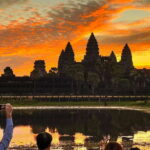
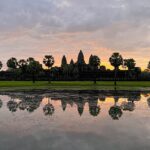
One moment I especially like here is the one built around the pool in front of Angkor Wat. When the light hits just right, the water gives you a reflection effect that makes the scene feel doubled—temple above, temple below. It’s the kind of shot that’s hard to recreate later in the day, so being there early pays off fast.
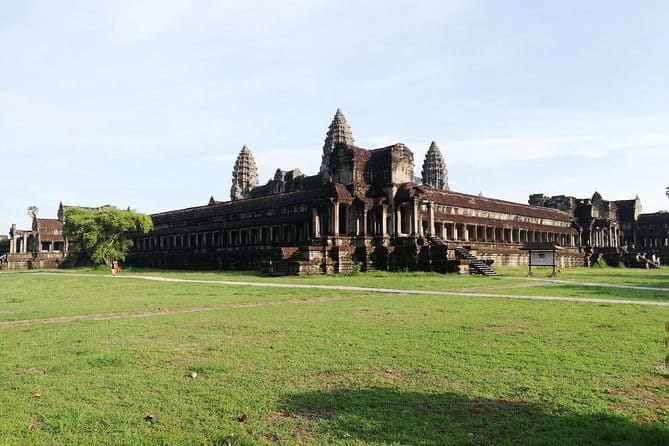
You’ll also get time to soak in Angkor Wat’s carved story space. The bas-reliefs include long narrative scenes tied to major epics like the Ramayana and Mahabharata, so even if you’re not reading every panel, you can still notice how the artwork wraps the architecture with movement and meaning.
Tip for your photos: wear a camera-friendly outfit and keep your gear handy. Sunrise changes fast, and you’ll want to be able to shoot without digging for batteries or lens caps while the light shifts.
You can also read our reviews of more tours and experiences in Siem Reap
Moving through Angkor Thom South Gate like a story in stone
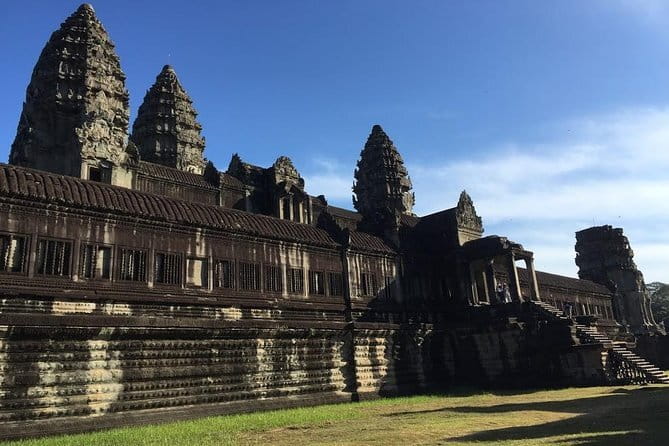
After Angkor Wat, the route heads toward Angkor Thom, the walled city center of the Khmer empire. The South Gate is your first big entrance moment, and it’s visually loud—in a good way.
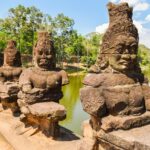
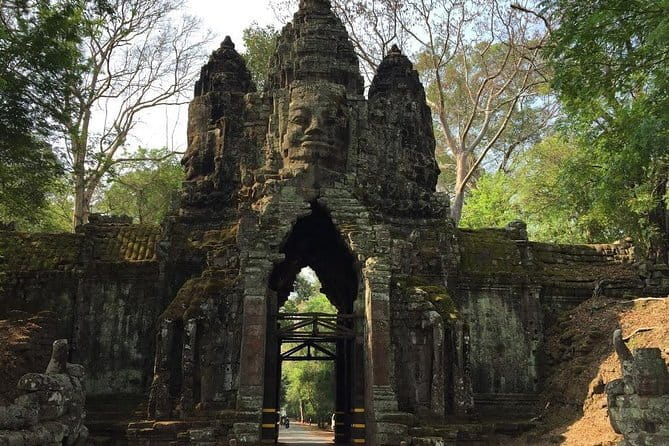
What makes this stop stand out is the bridge approach and the gate faces. You’ll pass beneath a gate surmounted by four large smiling faces of Brahma-Buddhisatva Lokesvara. On the bridge, the sides are lined with figures: 54 Asuras on one side and 54 Devas on the other. Even without getting technical, you can feel the symmetry and the “mythic walkway” effect the Khmer builders were going for.
If you’re into photos, this stop is great because you can play with lines—bridge straight-on shots, gate framing, and reflections depending on light and crowd levels. If you’re not chasing photos, it’s still worth it. This is where you start to understand that Angkor isn’t just one temple; it’s a whole planned world of entrances, symbolism, and movement.
Consideration: this is short compared with Angkor Wat and Ta Prohm. If you want extra time for gate photos, tell your guide early so you don’t feel rushed.
Bayon Temple: the calm center where smiles take over
Next comes Bayon Temple, located in the center of Angkor Thom. This stop gives you a different mood than Angkor Wat: less open “stage,” more dense temple geometry.
Bayon is a Mahayana Buddhist temple, and it sits inside Angkor Thom, a capital city protected with fortified walls and a large moat. That surrounding structure matters because it adds to the sense of being inside a designed space—closed-in, intentional, and built to feel like a secured world.
What you’ll notice right away are the iconic faces for which Bayon is famous. The design turns the temple into a place where the decoration feels watchful and ever-present. It’s the sort of setting where you can take a few minutes to stand in one spot and just rotate your view—new angles make the carvings and face perspectives feel different.
Photo angle idea: try shooting slightly off-center. When you shift your position, the face scale changes and the temple lines start to feel more dramatic.
Preah Palilay: a short stop with a forest-temple vibe
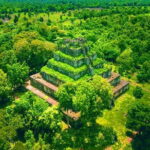
Preah Palilay is smaller, and that’s exactly why it works. You’ll step into a forested feel within Angkor Thom—this is a temple with a big overgrown tree, which makes the scene more about nature meeting stone.
This stop usually works best when you treat it as a break. Your day moves fast, and Preah Palilay gives you a quieter visual pocket. Even if your list has major names at the top, a smaller hidden-in-the-forest style stop helps reset your eyes.
It’s also a good place to photograph texture rather than scale: rough stone, roots, leaves, and the way the temple shape peeks through the greenery.
Practical note: since this is brief, have your camera ready when you arrive. The mood changes quickly in open shade and patchy light.
Ta Prohm: the iconic roots, plus a human story behind the stones
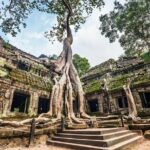
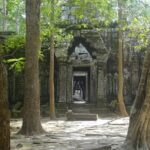
Ta Prohm is one of the most recognizable Khmer temple scenes because of the way nature takes hold of the structures. The big trees and roots wrapping around the temple buildings create a kind of visual chaos that still feels balanced.
But Ta Prohm isn’t only famous for the look. It was built by King Jayavarman VII, and it was dedicated to the memory of his mother. The temple was venerated in the likeness of Prajnaparamita, described as the mother of all Buddha. That context helps the place feel more than just cinematic ruins.
In other words: yes, you’ll get the photo angles everyone wants. But if you pay attention to how the architecture and the carved symbols coexist with the living growth, the stop becomes more meaningful. You can notice how the Khmer builders created sacred spaces—and how centuries later, the forest still has its voice here.
Photo tip: don’t only shoot wide. Get at least a few tighter frames showing root textures and where wood and stone meet. Those close-up details are what make your album feel deeper than a single “postcard shot.”
You can also read our reviews of more tours and experiences in Siem Reap
What makes this tour feel smoother: the guide and the comfort extras
This experience is built around a private, flexible guide who can adjust to your interests. That matters at Angkor because everyone arrives with a different goal. Some people want the fastest route to the icons. Others want time for details, and some want help building a photo sequence.
A big plus here is that the tour is described as strong for photographers and Instagram-style shots. You’re not just handed a generic plan. You’re guided toward spots that make good compositions easier to achieve.
One detail I really appreciate is the small comfort setup. You get cold towels and cold bottled water, plus air-conditioning in the SUV or minivan. That doesn’t sound like “temple magic,” but it helps you stay awake and present. After a sunrise start and midday heat, those small resets can be the difference between “I’m here” and “I’m just trying to survive.”
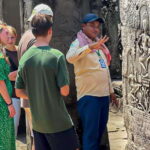
Also, in at least one recent experience, the guide was named Borey. The feedback around him highlights clear communication before the tour and lots of story context about Cambodia and Angkor Wat. That’s what turns a checklist day into a day where you understand what you’re seeing.
Price and value: what your $56.42 does and doesn’t cover
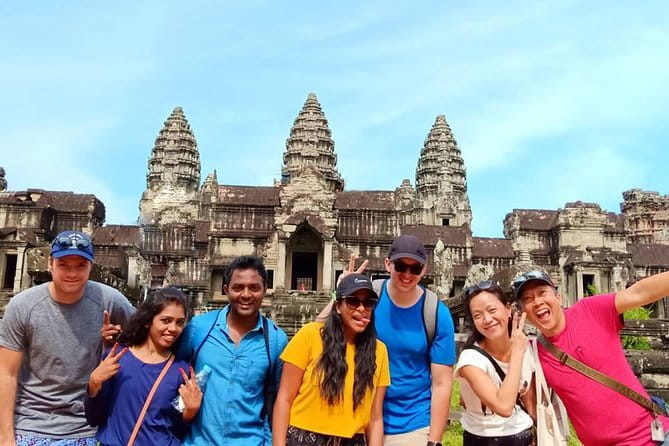
The price listed is $56.42 per person for the tour, and it’s positioned as a day-focused circuit with private guiding. For that cost, you do get practical value: air-conditioned transport and bottled water are included, and the tour format is private with pickup offered.
Here’s the part to budget for: temple admission tickets (and all fees and taxes) are not included, and breakfast and lunch aren’t included either. So your real “day cost” has two pieces:
1) your tour price
2) the entry tickets plus any meals you choose
If you already know you want to see multiple major temples in one day, paying for comfortable transport and a guide can be good value. You reduce decision fatigue—especially with sunrise—and you get someone focused on getting you to the right moments.
My advice: before you go, estimate your total daily spend by adding the admission tickets you’ll need. Then pack snacks or plan where you’ll eat. Even a simple plan keeps you from losing time mid-day.
Time on your feet: how the 6–8 hours affects your day
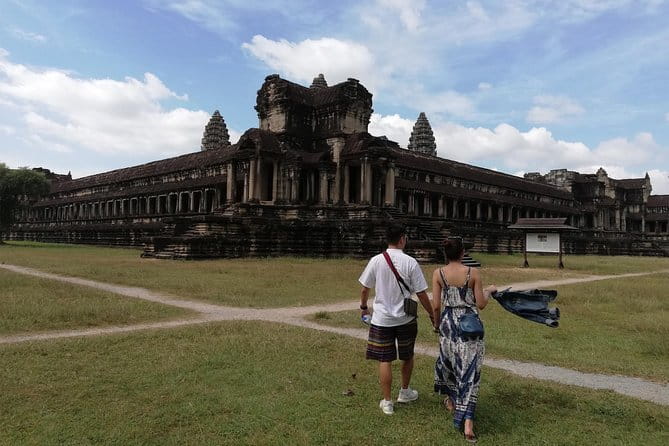
This runs about 6 to 8 hours. That’s a solid window for hitting Angkor Wat sunrise plus Bayon, Ta Prohm, and the key stops inside Angkor Thom. The schedule is tight enough that you should wear shoes you trust on uneven ground.
The tour is noted as best for travelers with a moderate physical fitness level. Translation: you’ll likely be walking quite a bit, standing for photos, and moving between temple areas that have stairs, stones, and irregular surfaces.
Smart move: bring water (even though bottled water is provided), wear sunscreen, and leave some flexibility in your pace. A flexible guide helps, but your body still needs to handle the walking.
Should you book this sunrise temple tour?
Book it if you want:
- Angkor Wat sunrise with help getting the reflection moment
- A private, flexible format (not a rigid group shuffle)
- Photo coaching—especially if you care about framing and angles
- Comfort basics like air-conditioning, cold towels, and bottled water
Skip or consider another option if:
- You don’t want to handle separate temple ticket costs
- You’re not interested in a full temple circuit and would rather go slower
- You prefer meals included in the price (breakfast and lunch aren’t included here)
FAQ
FAQ
What’s included in the tour price?
The tour includes an air-conditioned vehicle and bottled water.
Are Angkor temple admission tickets included?
No. All fees and taxes are not included, and admission tickets are not included for the listed temple stops.
Does the tour include breakfast or lunch?
No. Breakfast and lunch aren’t included.
Is pickup offered?
Yes. Pickup is offered, and the meeting point is Angkor Enterprise on Apsara Rd in Siem Reap.
How long is the tour?
It runs approximately 6 to 8 hours.
Is this a private tour?
Yes. It’s private, and only your group participates.
What type of vehicle will you use?
You’ll travel in an air-conditioned SUV or minivan.
Can I cancel if my plans change?
Yes, free cancellation is offered. You can cancel up to 24 hours in advance for a full refund.
What fitness level do I need?
The tour is recommended for a moderate physical fitness level.