REVIEW · SIEM REAP
Shared tour: Kulen Mountain & Waterfalls – Small group
Book on GetYourGuide →Operated by Euro Khmer Voyages · Bookable on GetYourGuide
Kulen Mountain turns ancient Khmer stories into a half-day you can actually walk. In Phnom Kulen National Park, I love how the history feels practical, not museum-stuffy, and you get up close to River of 1000 Shiva Linga carvings that make the Angkor origin feel real. It’s a full sweep too: waterfalls, a big reclining Buddha statue, then villages, a local market, and Palm Sugar Village.
The one trade-off is time on the road. You’ll spend a big chunk of the day traveling by shared minibus, so this works best if you’re happy to let the scenery pass by while your guide handles the route.
In This Review
- Key things I’d circle before you go
- Phnom Kulen Is Where the Angkor Story Starts
- The Shared Minibus Ride North: Long, but Part of the Point
- Inside Phnom Kulen: Waterfalls, Lingas, and a Reclining Buddha
- The walk to the River of 1000 Shiva Linga
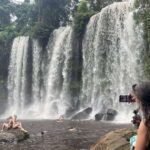
- The waterfall break
- The reclining Buddha statue
- Lunch Near the Waterfall: Plan Your Budget
- Palm Sugar Village and Siem Reap’s Biggest Local Market
- Palm Sugar Village: what you learn by watching
- The largest local market: a reality check in the best way
- Small Group Travel: When the Guide Makes It Work
- Price and Logistics: Is $75 Good Value?
- Who This Tour Fits Best
- Should You Book It?
- FAQ
- How long is the Kulen Mountain & Waterfalls tour?
- Where does pickup happen?
- What’s included in the price?
- Is lunch included?
- What language is the tour guide?
- Is this a shared tour or private?
- Do I need to pay entrance fees to Phnom Kulen?
- What is the cancellation policy?
- Can I reserve without paying right away?
Key things I’d circle before you go
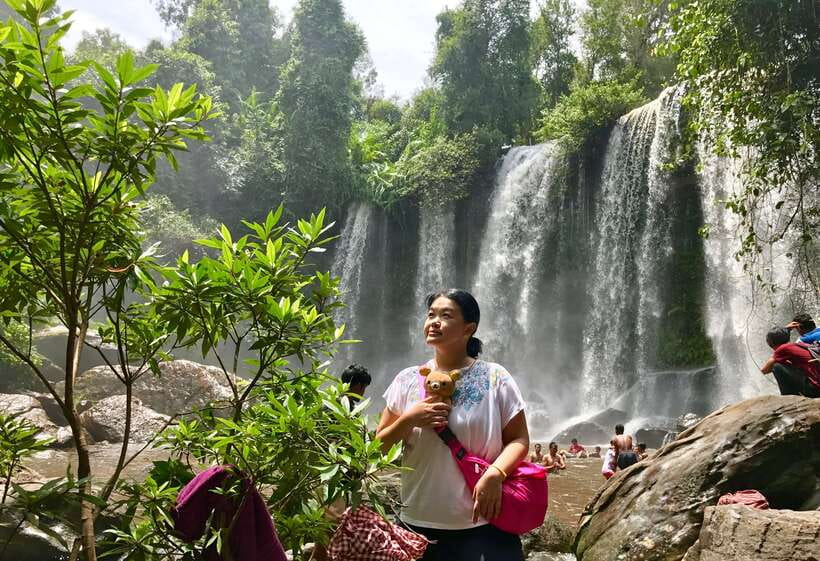
- Phnom Kulen National Park as Angkor’s origin story, with a guide to connect sights to Khmer Empire history
- River of 1000 Shiva Linga, a memorable walk where details actually matter
- The biggest Angkor-region waterfall plus a 16th-century reclining Buddha, so the park visit has variety
- A lunch stop near a waterfall area, good for a break even if it’s not included
- Palm Sugar Village and the largest local market in Siem Reap Province, where daily life is the main show
- Fully vaccinated English-speaking guide and driver, helpful for a smooth day outside the city
Phnom Kulen Is Where the Angkor Story Starts
Most Angkor days focus on temples. This one starts earlier, with Phnom Kulen National Park tied to the birthplace of the Angkor Empire. That change of angle matters. Instead of just staring at stone, you get the sense of how power, religion, and place connect before Angkor becomes the headline.
Your guide walks the line between big history and what you can see today: the hilltop setting, the carvings, and why these spots stayed important long after dynasties changed. If you like your travel with names, dates, and visible clues, you’ll appreciate that the route is built around specific landmarks, not random photo stops.
Also, Kulen isn’t just “one place.” It’s a string of meaningful stops packed into one day. That keeps the energy up and makes the 6.5 hours feel like more than a drive-by.
You can also read our reviews of more tours and experiences in Siem Reap.
The Shared Minibus Ride North: Long, but Part of the Point
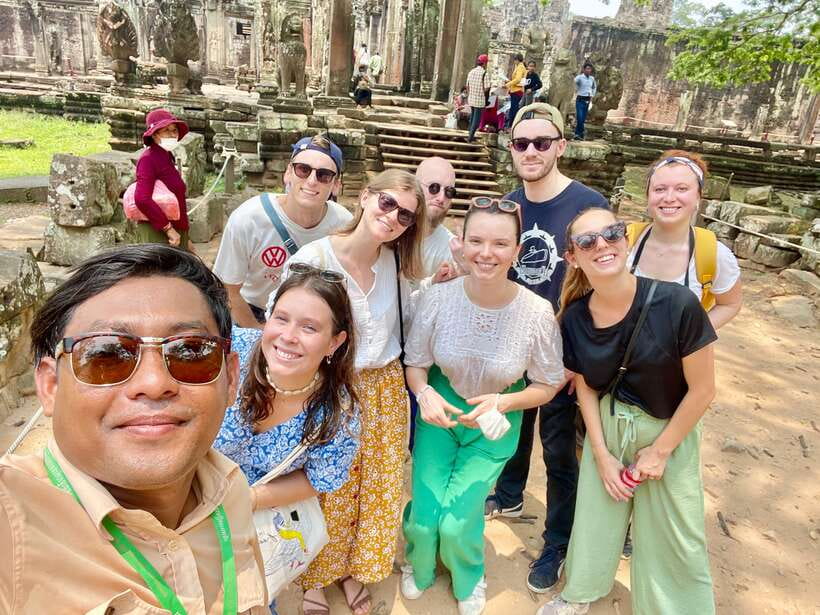
You leave Krong Siem Reap in the morning by shared minibus. Expect roughly an hour-and-a-half stretch of countryside driving before the park. This is not the kind of trip where you can zone out completely, because the route passes rural Cambodian villages—rice paddies, everyday homes, and people going about normal tasks.
This part is underrated. It’s how you get context for the later stops. When you reach Palm Sugar Village and the local market, you’re not seeing them as “tour stops.” You’re seeing them as extensions of the same rural life you watched on the way there.
The practical consideration: the road time is real. If you hate being in a vehicle for long stretches, this might feel tiring. But if you see it as transportation with a purpose, you’re less likely to feel the clock.
Inside Phnom Kulen: Waterfalls, Lingas, and a Reclining Buddha
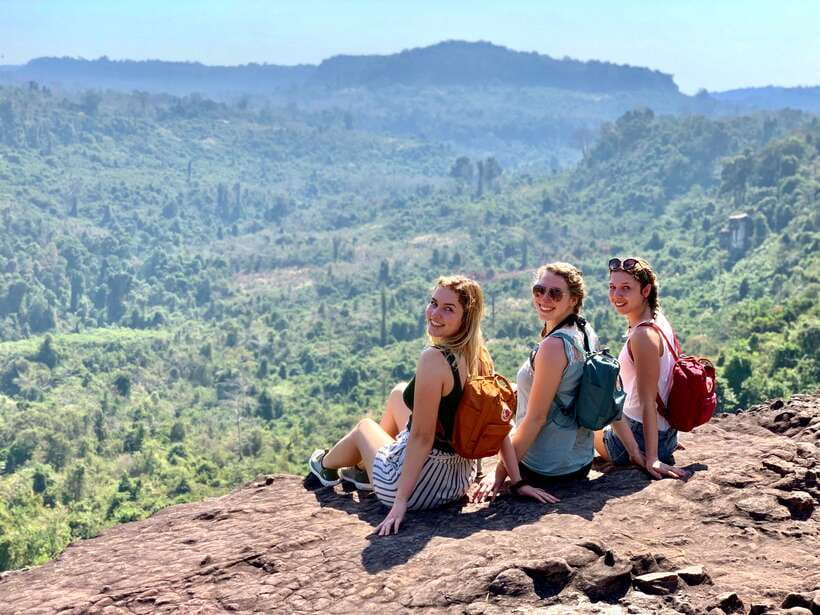
Phnom Kulen’s main appeal is the mix. You’ll get the biggest waterfall in the Angkor region (as the tour frames it), plus the River of 1000 Shiva Linga, plus the largest 16th-century reclining Buddha statue in Cambodia. That’s a lot of “signature” sights for one park visit.
The walk to the River of 1000 Shiva Linga
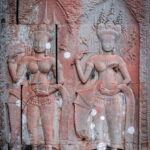
The River of 1000 Shiva Linga is the kind of site that’s easy to miss if you rush. The carvings are a visual rhythm: repeated forms that turn into a pattern the longer you look. With a guide, you’re not just staring. You’re learning how to read the place.
This is one reason I like tours like this: the “what am I looking at?” questions get answered on the ground. You end up with a story you can carry back to Siem Reap, not just a memory card.
The waterfall break
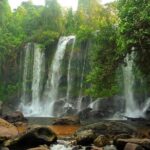
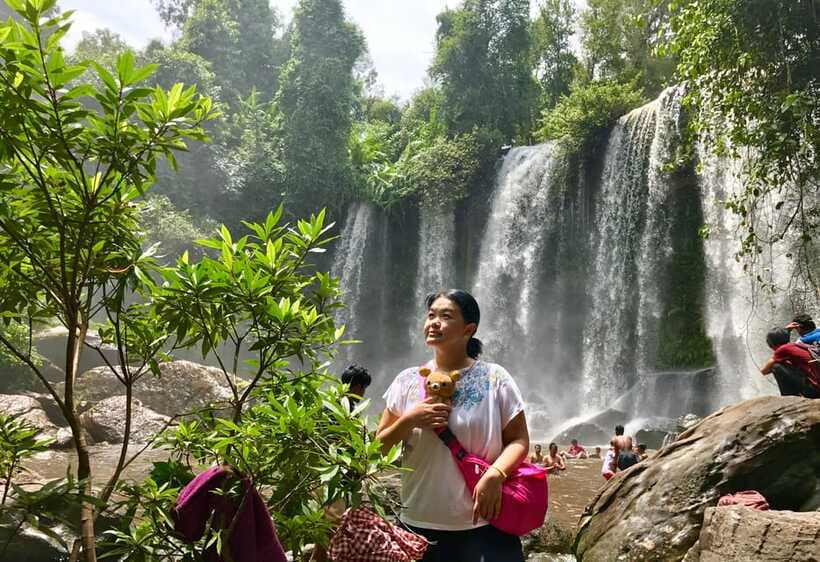
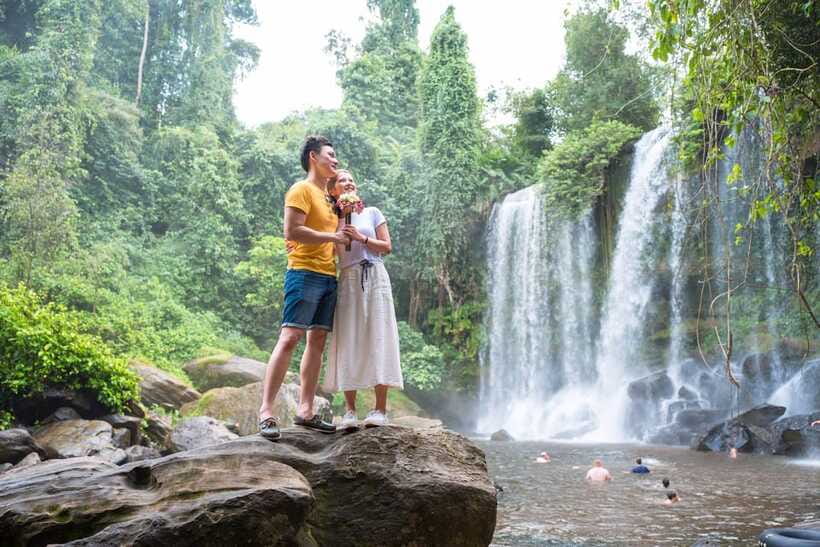
Waterfall time is a stress relief moment. After the religious and sculptural stops, the sound and movement of water gives your brain a reset. Your guide takes you through the most spectacular waterfall area in the park.
A note that keeps you comfortable: bring shoes that can handle uneven paths. Even when it’s not muddy, park terrain can be slick. Also, plan for changing light. Hilltop views can shift fast.
The reclining Buddha statue
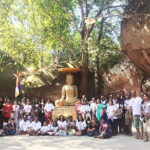
The tour includes a visit to Cambodia’s largest 16th-century reclining Buddha statue. This is one of those objects where size changes the experience. Up close, you see how the pose and proportions are meant to be seen from a distance, but it hits differently when you’re there in person.
If you’re doing this after visiting other major Angkor-area sites, it still holds its own. It’s not a repeat of the same temple vibe. It’s a single, focused landmark tied to a different kind of spiritual storytelling.
Lunch Near the Waterfall: Plan Your Budget
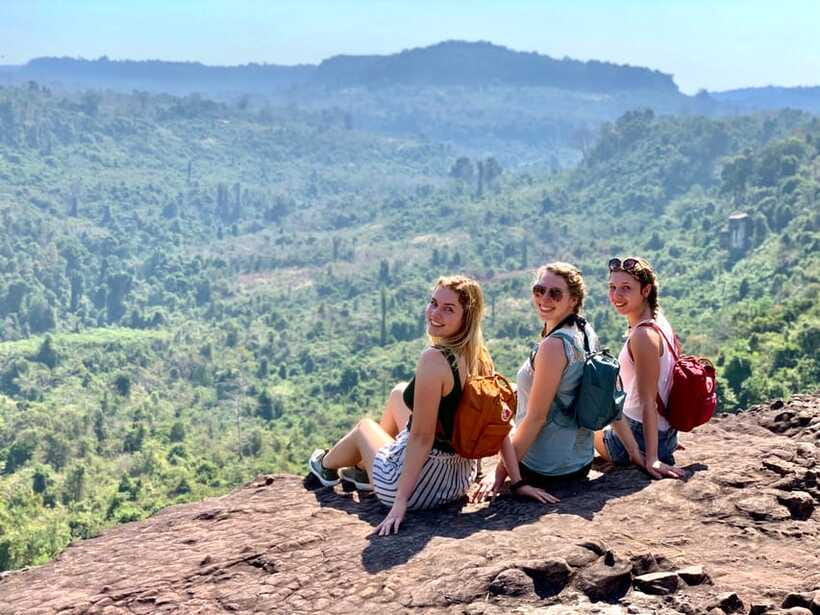
After the park sightseeing, you’ll stop for lunch at a nearby waterfall area. Khmer cuisine is on offer, and the tour is clear that food and drinks are not included.
I like this setup because it lets you choose what you’ll actually eat, instead of getting locked into a generic set menu. But it does mean you should budget a bit extra beyond the $75 price.
This lunch stop is also a natural time reset. Even if you’ve packed your energy, climbing between sights adds up. A proper sit-down meal helps you enjoy the last part of the day instead of feeling rushed.
Palm Sugar Village and Siem Reap’s Biggest Local Market
After lunch, the day shifts from the park to “how Cambodia lives now.” You’ll visit Palm Sugar Village and then the largest local market in Siem Reap.
Palm Sugar Village: what you learn by watching
Palm Sugar Village is built around traditional methods of making palm sugar from palm juice. You’re not just looking at a final product. You see the process and hear it explained—one of those slow, patient crafts that makes sense once you know what ingredients and steps are involved.
For me, this is where the trip becomes more than sightseeing. You come out understanding local labor and how food traditions keep moving through generations.
The largest local market: a reality check in the best way
The biggest local market in Siem Reap gives you a snapshot of daily life: what people buy, what’s priced, and how commerce works away from the tourist core. It’s a good counterbalance after the national park.
If you like street-level travel, you’ll enjoy this part. If you hate crowds, don’t panic—your time is planned, and the market stop is one segment of a 6.5-hour day, not an all-day marathon.
Small Group Travel: When the Guide Makes It Work
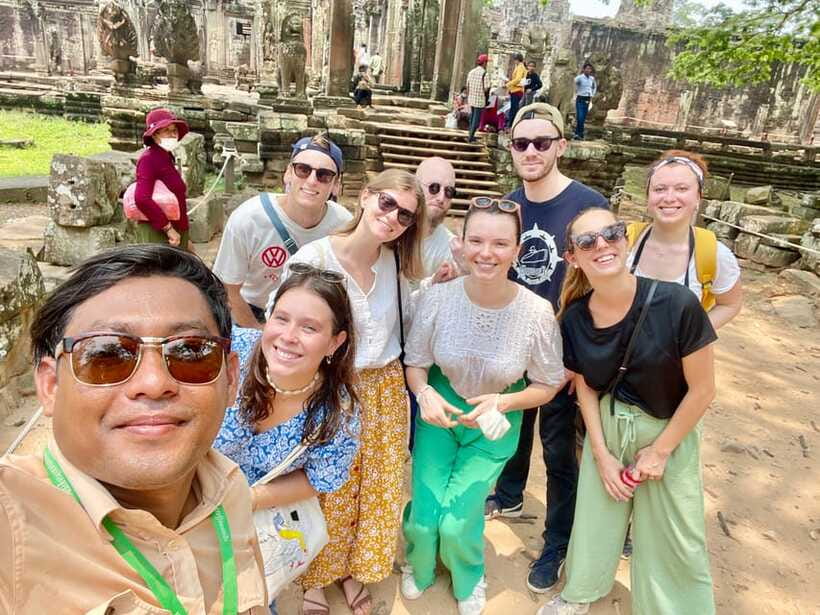
This is a shared tour, and it’s offered as a small group option. That matters more than you might think. When there’s less crowd pressure, guides can keep the pace comfortable and answer questions without constantly rushing to the next thing.
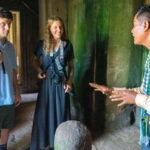
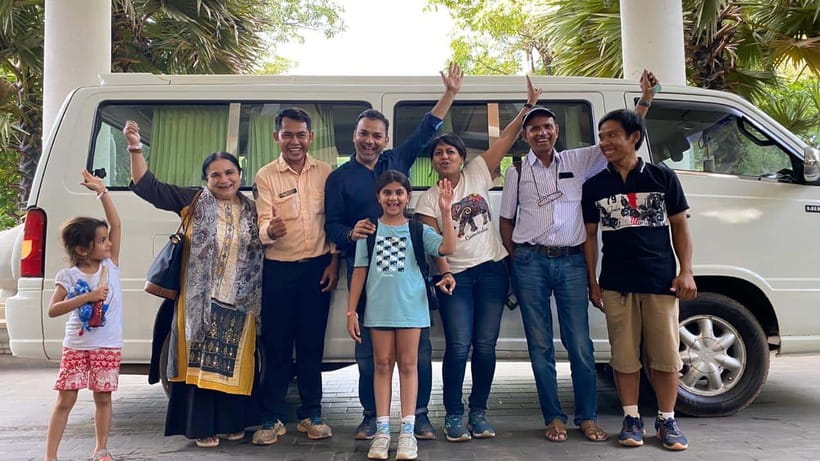
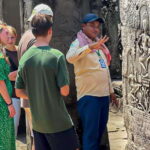
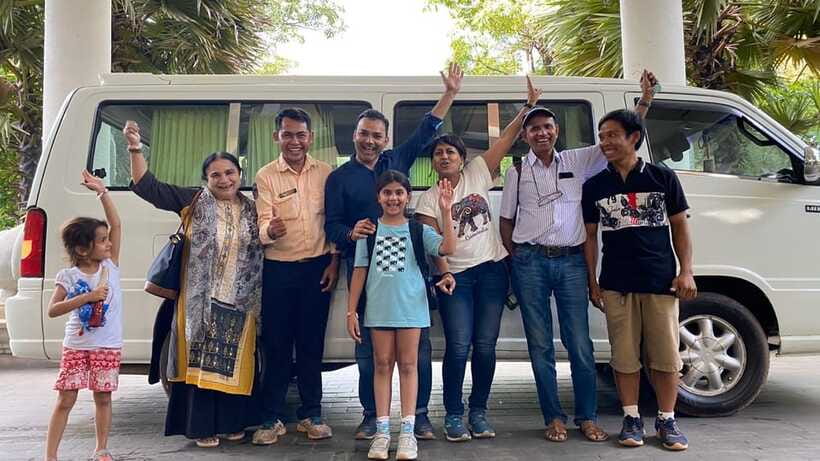
The tour includes a fully vaccinated English-speaking guide and driver. That doesn’t sound glamorous, but it’s the difference between a smooth day and one where you’re trying to translate while others wait in traffic.
From prior bookings, guide quality seems to be a highlight. Names like Narith Pong and Sean e Vuthy come up with praise for being friendly and helpful. That’s the kind of guide energy that can turn “I saw a waterfall” into “I understood why it’s important.”
Price and Logistics: Is $75 Good Value?
At $75 per person for about 6.5 hours, this tour is mostly paying for three things: transportation out of Siem Reap, guide interpretation, and entrance fee coverage for Phnom Kulen Mountain.
What’s included is a lot of the expensive friction points:
- hotel pickup and drop-off
- transportation by minibus
- entrance fee
- an English-speaking guide and driver
What’s not included is also straightforward: food and drinks, plus personal expenses.
So is it worth it? For me, yes—if you want the full arc: origin story in Phnom Kulen, major sights tied together in one day, and then the village and market stops afterward. If you’re the type who prefers DIY travel with zero guidance, you might feel you could arrange transport and hit the same places. But for most people, paying for a guide is how you squeeze meaning out of the day.
Who This Tour Fits Best
This experience suits you if:
- you want Phnom Kulen’s key sites in one organized outing
- you like history explained on the spot, not just read later
- you enjoy a mix of religious landmarks, nature, and everyday life in rural areas
- you’re comfortable with a shared minibus and a fairly full day
It may not fit you as well if:
- you strongly dislike long road time
- you only want fully free activities and hate structured stops
- you’re sensitive to uneven park walking (wear practical shoes)
Should You Book It?
I’d book this tour if you want a guided, efficient day that covers the highlights of Phnom Kulen National Park and then adds Cambodia’s modern texture with Palm Sugar Village and a major local market. It’s not just for temple fans. It’s for anyone who likes seeing how big history connects to where people still live and work.
Just go in with the right expectations: it’s a shared-group day with significant transit, and lunch is on your own. If that sounds fine, this is a solid value way to spend your time north of Siem Reap.
FAQ
How long is the Kulen Mountain & Waterfalls tour?
The tour lasts about 6.5 hours.
Where does pickup happen?
Pickup is available from Krong Siem Reap, and hotel pickup is included.
What’s included in the price?
Transportation (hotel pickup and drop-off), the entrance fee of Phnom Kulen Mountain, and a fully vaccinated English-speaking guide and driver are included.
Is lunch included?
No. Food and drinks are not included, though there is a lunch stop during the day.
What language is the tour guide?
The live tour guide speaks English.
Is this a shared tour or private?
It’s a shared tour with a small group option available.
Do I need to pay entrance fees to Phnom Kulen?
The entrance fee of Phnom Kulen Mountain is included.
What is the cancellation policy?
You can cancel up to 24 hours in advance for a full refund.
Can I reserve without paying right away?
Yes. The tour offers reserve now & pay later.