REVIEW · SIEM REAP
War Museum, Killing Field, and APOPO Hero RATs Tour
Book on Viator →Operated by Angkor Daily Trip · Bookable on Viator
Rats, relics, and real stories in one 5-hour loop. This Siem Reap tour moves from the War Museum to the HeroRAT landmine mission, then adds craft and royal-architecture stops so the day doesn’t feel like a one-note history lesson. I love the way it keeps the focus on meaning: what happened, what it costs, and how people are working toward safety.
I also like the steady, guided pacing. With an English-speaking guide (including named guides such as Mr. Somra and Mr. Londgy), you get clear context at each site instead of wandering through plaques and guessing what matters. Everything is set up to run with an air-conditioned vehicle and included admission fees at the key places, so you spend less time figuring out logistics and more time absorbing the day.
One consideration: this is heavy material. The War Museum and Wat Thmey (the Killing Fields) are sobering, so if your group needs a gentler pace, you may want to think about timing, age, and how long you’ll want to stay in reflective spaces. Also, lunch isn’t included, so plan on grabbing snacks.
In This Review
- Key highlights you’ll feel right away
- Why this hard-history-to-hope route works
- War Museum Cambodia: where objects become context
- Wat Thmey (Killing Fields): remembrance in a living place
- APOPO Visitor Center and the HeroRAT demo: hope you can watch
- Satcha handicraft training and the Royal Residence pause
- Time on the ground: a realistic 5-hour plan
- Price and included value at $75 per person
- Who this tour suits best
- What to bring and how to pace yourself
- Should you book this War Museum, Killing Fields, and HeroRAT tour?
- FAQ
- How long is the War Museum, Killing Field, and APOPO HeroRATs tour?
- What does the tour price include?
- Is lunch included?
- Is it a private tour or a shared group?
- Do I get a ticket, and is pickup available?
- Can I cancel for a full refund?
Key highlights you’ll feel right away
- War Museum Cambodia with guided context that turns objects and photos into a story you can follow
- Wat Thmey (Killing Fields) inside an active pagoda, so remembrance sits alongside daily religious life
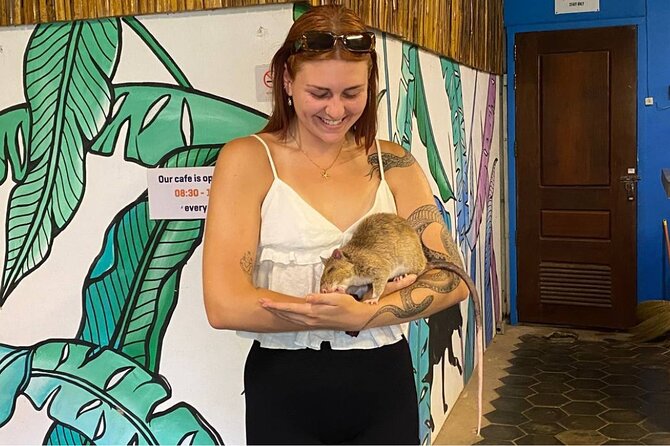
- APOPO HeroRAT landmine detection demo, an inspiring contrast to the tragedy you just learned about
- Optional interaction at APOPO (petting the rats is optional, not required)
- Craft and culture stops at Satcha and the Royal Residence to broaden the day beyond history
Why this hard-history-to-hope route works
Some Siem Reap days are all temples and photo angles. This one is more grounded. You’ll spend the morning moving through Cambodia’s past, then shift to a very practical kind of hope—trained rats working to make places safer.
I like that the tour doesn’t treat history like a museum-only topic. It connects the dots between what people endured and what safety work looks like today. If you care about understanding a place (not just ticking sites), this format is strong.
The day also makes room for human-scale culture. In between the heavier stops, you’ll visit places tied to local making and local life—Satcha for craft training and the Royal Residence for a glimpse of royal-era Siem Reap.
You can also read our reviews of more museum experiences in Siem Reap
War Museum Cambodia: where objects become context
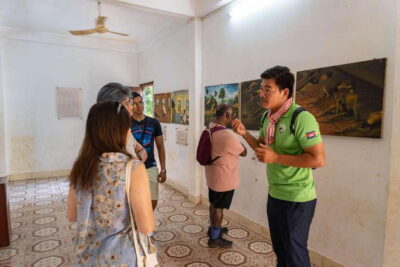
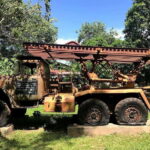
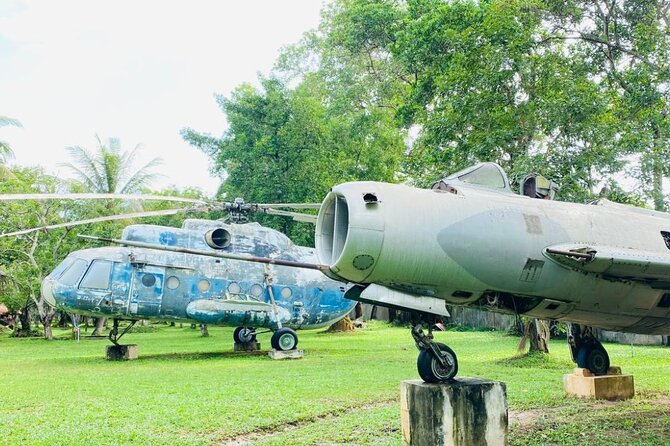
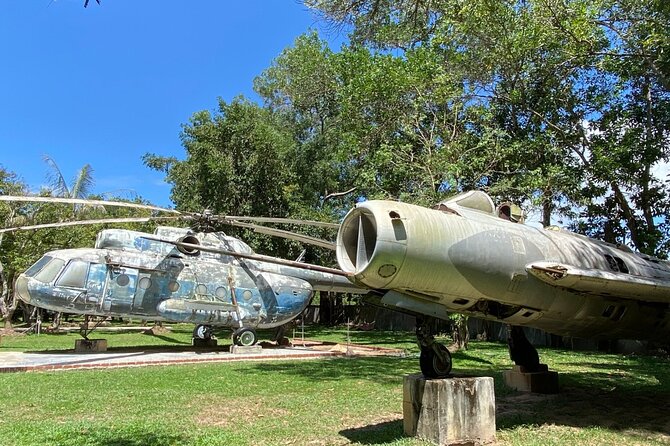
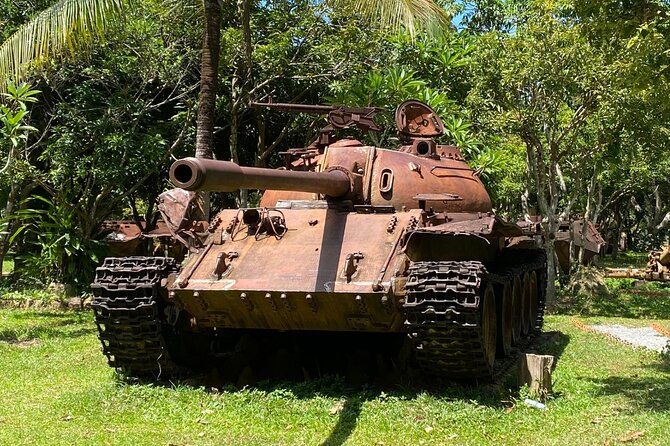
The War Museum Cambodia sits a bit outside the city center, along National Road 6 between Siem Reap and the airport. It covers over 2 hectares and was founded in 2001 (formerly known as the Siem Reap War Museum). That space matters: it’s not a quick hallway stop. You’ll need time to walk, read, and let the exhibits land.
You’re scheduled for about 1 hour 30 minutes here, with your admission included. That’s enough time to see more than just the loudest displays. A good guide really helps, because the museum’s value comes from explanation—turning dates, weaponry, and artifacts into a clear picture of the conflict’s impact.
What I’d watch for: don’t rush this section. If you skim, you’ll miss the emotional weight. If you slow down, you’ll understand better why the later memorial at Wat Thmey is so important.
Also, remember this is a museum about war. Even if you consider yourself emotionally tough, you might still feel it in your chest after a while. Take breaks when you need them, even if the rest of the group keeps moving.
Wat Thmey (Killing Fields): remembrance in a living place

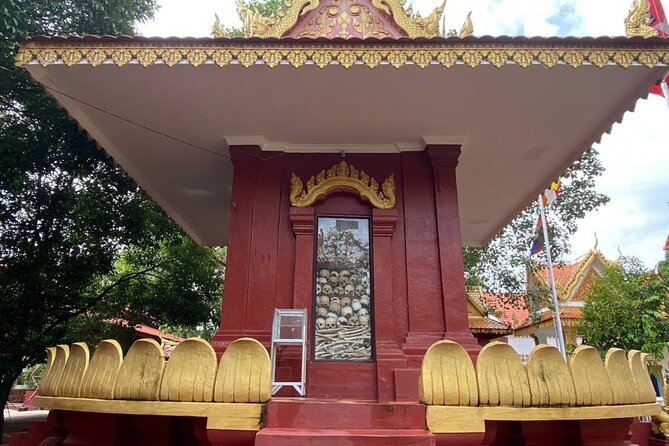
Wat Thmey is a memorial site built to honor victims of Cambodia’s tragic past under the Khmer Rouge regime. What makes it especially meaningful is that it’s not only a historical park. It sits within the grounds of a functioning Buddhist pagoda, which means remembrance happens alongside ongoing spiritual life.
You’ll spend around 40 minutes here, and admission is included. That length is reasonable because the point isn’t to race through. It’s to stand still enough to absorb what you’re seeing.
This is also where your guide’s tone matters. In a good session, you don’t feel lectured—you feel guided. Guides named in past tours (like Mr. Somra and Mr. Londgy) are praised for clear explanations, and that clarity can help you avoid the “What am I looking at?” feeling that can happen at memorial sites.
A practical note: this stop can feel physically and mentally long, even if the clock says less than an hour. If you’re traveling with kids, keep an eye on attention span. If you’re with adults who want quiet time, build in a little buffer in your own pace.
APOPO Visitor Center and the HeroRAT demo: hope you can watch
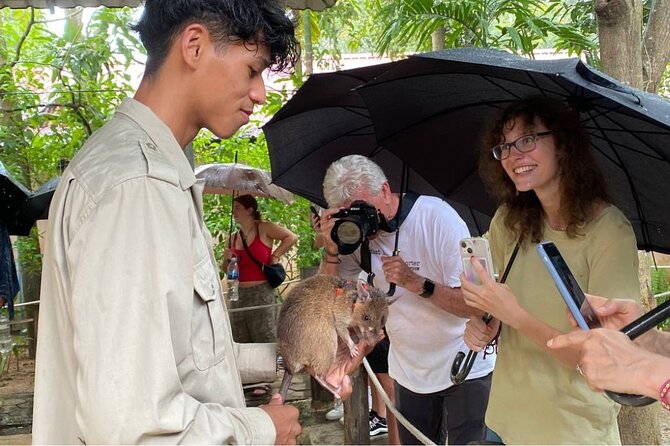
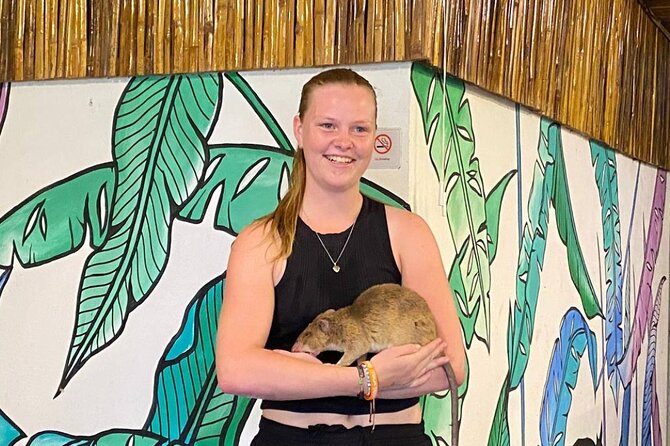
Then the day pivots. At the APOPO Visitor Center, you learn about HeroRATs—African giant pouched rats trained to detect landmines and help save lives in Cambodia and beyond. Instead of reading about landmines in the abstract, you see the work through a demonstration.
Your time here is about 1 hour, with admission included. The most memorable part for many people is the contrast: after the war museum and the killing fields, you’re suddenly in a space about action and safety.
In the experience, the optional interaction gets attention too. Petting the rats is optional, not required. If you’re not into animal contact, you won’t be stuck doing it. If you are, it can turn the visit from educational to genuinely memorable.
One more reason this stop lands well: it explains what “safety” looks like as a real-world process. Landmines aren’t just a past problem—they affect where people can walk, farm, and build. Watching trained rats do their job makes that reality feel immediate.
If you get emotional earlier in the day, this later hour can feel like a breath. Not because the past is erased, but because the future work is tangible.
Satcha handicraft training and the Royal Residence pause
By the time you reach Satcha and the Royal Residence, the tour broadens out from history into Cambodia’s everyday creativity and heritage.
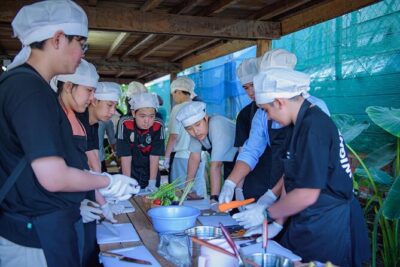
Satcha is described as Cambodia’s first handicraft incubation center, launched in March 2023. Located at #256 BBU Road, it focuses on empowering and training local artisans through intensive multi-year programs. You’ll spend about 40 minutes here, and admission is included.
I like that kind of stop because it’s not just shopping. It’s about seeing how craft skills are supported over time. Even if your main interest is history, a craft center adds a needed human dimension: people making, learning, and building livelihoods.
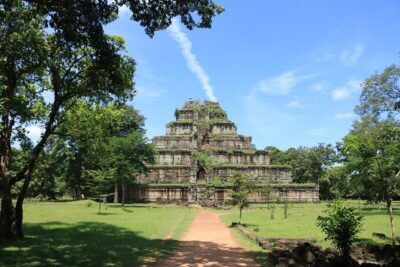
Then there’s the Royal Residence (Preăh Réachôdâmnăk). It’s a royal villa built in 1904 and serves as the official residence of the King of Cambodia when he visits Siem Reap. The background ties into the era of the French protectorate, which gives you another layer of “how power and culture moved” through time. Your visit is about 30 minutes, with admission included.
What to expect here: more of a heritage and architecture read than a hands-on experience. If you love details, this is a calm, interesting break. If you’re temple-saturated already, it might feel quieter—so it helps to keep your expectations in the right lane.





Time on the ground: a realistic 5-hour plan

The schedule runs about 5 hours total (approx.), which is a solid half-day. The site stops break down roughly like this:
- War Museum Cambodia: 1 hour 30 minutes
- Wat Thmey: 40 minutes
- APOPO Visitor Center: 1 hour
- Satcha: 40 minutes
- Royal Residence: 30 minutes
That’s a lot of emotional content packed into one loop, plus driving time. The air-conditioned vehicle helps a lot in Siem Reap heat and traffic.
For your planning: if you hate early starts, you may still be fine, but don’t schedule this as your last stop of the day. Give yourself room afterward for dinner and recovery. After Wat Thmey and APOPO, your brain will likely want downtime more than more sightseeing.
Price and included value at $75 per person
At $75 per person, the big value is what you don’t have to pay for or figure out. The tour includes hotel pickup and drop-off, an English-speaking guide, air-conditioned vehicle, and admission fees to the War Museum, Wat Thmey, and the APOPO Visitor Center.
Lunch isn’t included, so you should budget for food separately. But that isn’t a deal-breaker—especially since the tour concept includes local street-food flavor and craft culture. Just expect to handle your own meal gap rather than getting it bundled.
This is also a private tour/activity, meaning it’s just your group. That matters if you’re traveling with family or you want a more respectful pace at memorial sites. Private time often makes a big difference with questions and with how long you pause where it counts.
Where this price makes the most sense:
- You want a guided route through heavy sites with less mental work
- You care about Cambodia’s history plus a specific, inspiring program like HeroRAT
- You’d rather pay once for admissions and get smooth logistics than piece it together
Where it might not be the best fit:
- If you want a temple-only day, this is not that kind of tour
- If your group wants lunch included and minimal walking, you’ll want to plan around the missing meal
Who this tour suits best
This day works well for curious adults who want real context, not a quick montage. It also fits families when the kids can handle serious topics. A 12-year-old was reported as amazed from start to finish on a similar experience, which suggests that with the right guide explanations and a family-friendly pace, it can work.
It’s also a strong choice for anyone who wants both reflection and hope in one itinerary. The HeroRAT demo isn’t a filler stop—it’s the day’s answer to the landmine problem introduced earlier.
If you’re sensitive to war and genocide memorials, take it slow. You might still enjoy the tour, but you’ll want to choose calm pacing and give yourself permission to pause.
What to bring and how to pace yourself
Even though the tour includes air-conditioned transport, you’ll still spend time outside at memorial and museum spaces. Wear comfortable shoes. Bring water if you tend to get thirsty quickly.
Emotionally, pace matters more than gear. If you feel yourself getting overwhelmed at the War Museum or Wat Thmey, you can ask your guide for a short break. A good guide will understand that those stops are not checkbox work.
Also, plan your expectations for APOPO. You’re not just watching animals; you’re seeing a safety mission in action. That makes it meaningful, but it also means you’ll want to stay present rather than rushing for the next photo.
Should you book this War Museum, Killing Fields, and HeroRAT tour?
If your goal is to understand Cambodia beyond headlines, I’d book it. The structure is thoughtful: war history first, remembrance next, then a practical hope story through the HeroRAT landmine detection program. The craft and Royal Residence stops add balance so the day doesn’t feel only tragic.
Book it especially if:
- You want included admissions and guided explanations that reduce confusion
- You like a mix of history and real-world humanitarian work
- You want hotel pickup and a private-group setup
Hold off if:
- Your group can’t handle emotionally heavy memorial content
- You prefer temple-hopping over museum time
- You really need lunch included and don’t want to plan food separately
If you do book, go in with a calm mindset. This isn’t a party day. It’s a day that teaches, then leaves you with something better than just sadness.
FAQ
How long is the War Museum, Killing Field, and APOPO HeroRATs tour?
It runs for about 5 hours (approx.), with scheduled time at each stop including War Museum Cambodia, Wat Thmey, and the APOPO Visitor Center.
What does the tour price include?
The price includes an English-speaking tour guide, an air-conditioned vehicle, hotel pickup and drop-off, and entrance fees for War Museum Cambodia, Killing Field (Wat Thmey), and the APOPO Visitor Center.
Is lunch included?
No. Lunch is not included in the tour.
Is it a private tour or a shared group?
It’s listed as a private tour/activity, so only your group participates.
Do I get a ticket, and is pickup available?
You’ll receive a mobile ticket, and hotel pickup and drop-off are offered.
Can I cancel for a full refund?
Yes. You can cancel up to 24 hours in advance for a full refund. If you cancel less than 24 hours before the start time, the amount paid isn’t refunded.