REVIEW · SIEM REAP
From Siem Reap: Koh Ker and Beng Mealea Temples Tour
Book on GetYourGuide →Operated by Siem Reap Shuttle · Bookable on GetYourGuide
Koh Ker and Beng Mealea feel like Cambodia’s back roads. You’ll start with Beng Mealea’s jungle-swallowed sandstone maze, then head north to Koh Ker and its seven-tier pyramid ruins, all with an English-speaking guide. I love how the day mixes major sacred sites with quieter, more fragile-feeling ruins, and I love the pacing of a small group that lets you pause for photos and questions instead of rushing through everything.
The main thing to consider is the walking. You’re dealing with uneven surfaces and dirt paths, and this tour isn’t recommended for anyone with walking disabilities or in a wheelchair.
In This Review
- Key things I’d plan around
- From Siem Reap to the jungle temples: how the day starts
- Beng Mealea: a 12th-century Hindu temple reclaimed by nature
- Temple wandering at your pace: what the guide should do well
- The drive between temples: roadside stops and the lunch reset
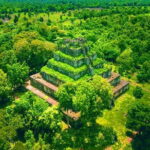
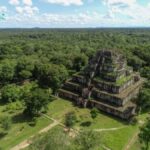
- Koh Ker: Prasat Thom, the seven-tier pyramid, and big view energy
- Prasat Pram and the tree-growing-through-temple moment
- Prasat Thom’s neighbors: Prasat Pram and Prasat Chrap
- The linga shrines reclaimed by the forest
- What to pack (and what will actually make the day easier)
- Price and value: what $50 really means for this day
- Who this tour is perfect for (and who should skip it)
- Should you book the Koh Ker and Beng Mealea day trip?
- FAQ
- What does the tour price include?
- How long is the tour?
- How many people are in the group?
- Do I need an Angkor Wat ticket for Beng Mealea?
- Is Koh Ker entrance included in the price?
- Is lunch included?
- What should I wear and bring?
- Is there walking on uneven ground?
- Where does pickup happen?
- What’s the cancellation policy?
Key things I’d plan around
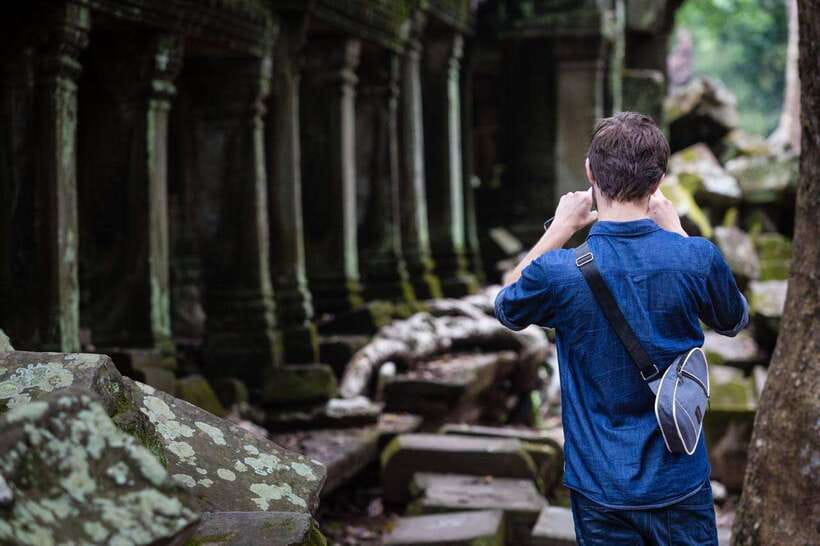
- Seven-tier Prasat Thom views: Koh Ker’s pyramid is the headliner, and the climb rewards you fast.
- Beng Mealea is a temple in the wild: towers and courtyards show through thick brush, which makes the ruins feel different from Angkor’s polished stone.
- A guide who balances stories and space: many people highlight that Khmer history gets explained without turning the day into constant lecturing.
- Photo help is part of the deal: several guides are praised for taking photos and showing good spots/angles.
- Less time in crowds, more time in the countryside: you’ll be on the road through villages and rural stretches, not just temple parking lots.
- Budget for tickets and lunch: the price includes a lot, but Beng Mealea needs your Angkor Wat ticket, Koh Ker has an extra entrance fee.
From Siem Reap to the jungle temples: how the day starts
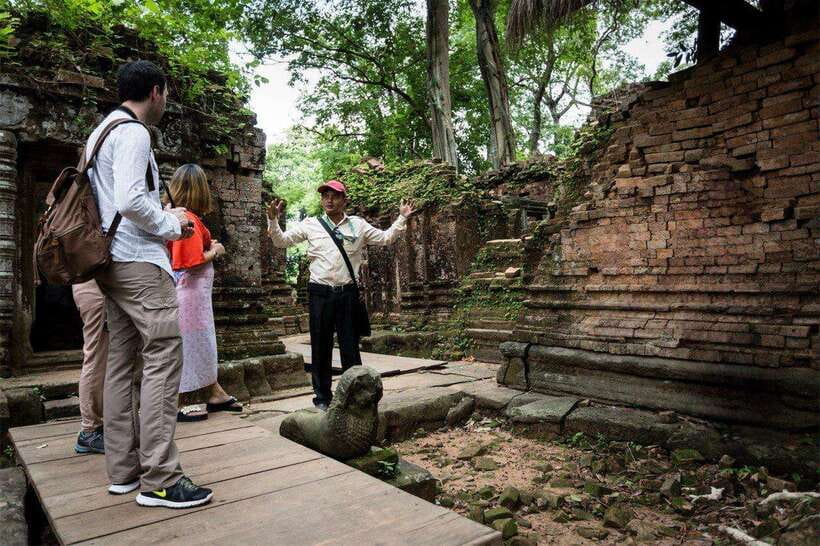
This tour is built as a full, practical day out of town. You get hotel pickup and drop-off in Siem Reap City, and the group heads out early so you’re not arriving at the sites when the day-tour crowd is peaking. Expect multiple vehicle stretches with short breaks, plus a hop-on stop for other guests along the way.
One reason I like this format: it doesn’t force you into a frantic “temples-per-hour” schedule. You travel, snack or stretch, and then you settle into the ruins with real time on site. That matters at Beng Mealea, where the layout is more confusing (in a fun way) and you’ll want freedom to wander and re-wander.
You can also read our reviews of more tours and experiences in Siem Reap.
Beng Mealea: a 12th-century Hindu temple reclaimed by nature
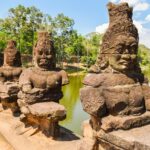
Beng Mealea is a different kind of Khmer ruin. It’s a Hindu temple built from sandstone in the 12th century, but what you see now feels half archaeological site and half living jungle. Thick brush swallows parts of the courtyards and towers, so the temple reads like a set of stone “ghost outlines” rather than a perfectly restored monument.
You’ll get a guided visit for about two hours, which is the sweet spot here. Your guide helps you make sense of what you’re looking at, then you can slow down for photography and exploration at your own speed. In particular, this is where you start noticing the relationship between Khmer design and the materials that have aged over centuries—edges softened, blocks worn, and places where vegetation has taken over.
What to watch for:
- Some paths are uneven, and it can feel like you’re stepping from one “room” to another with no clean boundaries.
- The jungle mood is strongest when you’re not rushing. If you treat it like a quick photo stop, you’ll miss why people love it.
There’s also a practical ticket note: Beng Mealea entrance is not included, and it requires your Angkor Wat ticket.
Temple wandering at your pace: what the guide should do well
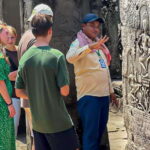
A good guide turns Beng Mealea from confusing into satisfying. You want someone who can explain the temple’s logic without stripping away the calm. In the guides that get praised for this tour, you’ll often hear names like Lok, Nara, Ry, Pip, Kim, and John—all mentioned for mixing Khmer temple symbolism with clear, friendly explanations and lots of patience.
Here’s what that looks like in real terms:
- You get context before you wander, so your photos don’t end up being random stone shots.
- You can ask follow-up questions (especially if you’re curious about Hinduism, Buddhism, and how Khmer religion changed over time).
- The guide can read the group mood, giving you space to roam rather than pushing constant commentary.
I also like that the tour includes bottled water and cold towels. That’s not just comfort. It makes the walk through the ruins feel manageable, not punishing.
The drive between temples: roadside stops and the lunch reset
Between Beng Mealea and Koh Ker, the day turns into road travel with a few stops along the way for local products. This is one of those “small but smart” touches. You get to taste things that aren’t marketed as souvenirs, and you build energy without eating a sad roadside snack.
Lunch is a break at a local restaurant for about an hour, but it’s not included. You’ll be able to choose from items like curries, soups, and stir-fries at your own expense. In other words: you’re not locked into a set menu, which helps if you’re picky or you want something light.
If you’re the type who snacks during long drives, plan to use this meal window well. After Koh Ker, the day can feel like it flies by, and you’ll be grateful you didn’t burn your energy all morning.
Koh Ker: Prasat Thom, the seven-tier pyramid, and big view energy
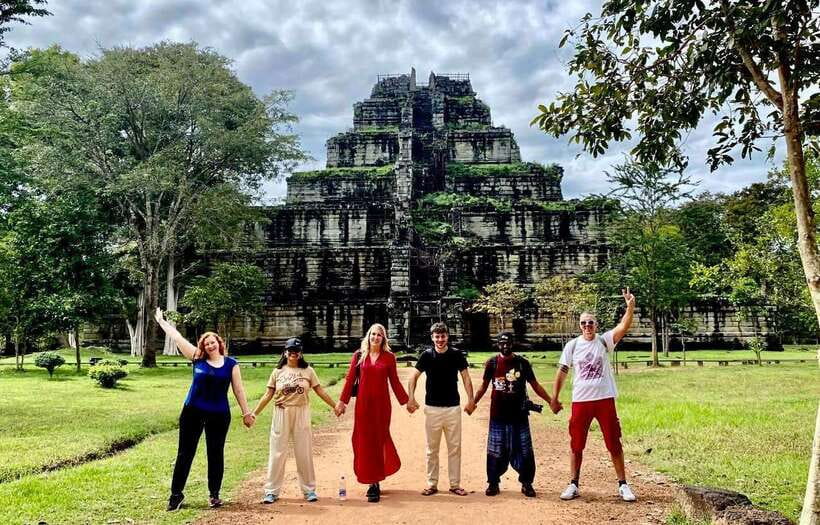
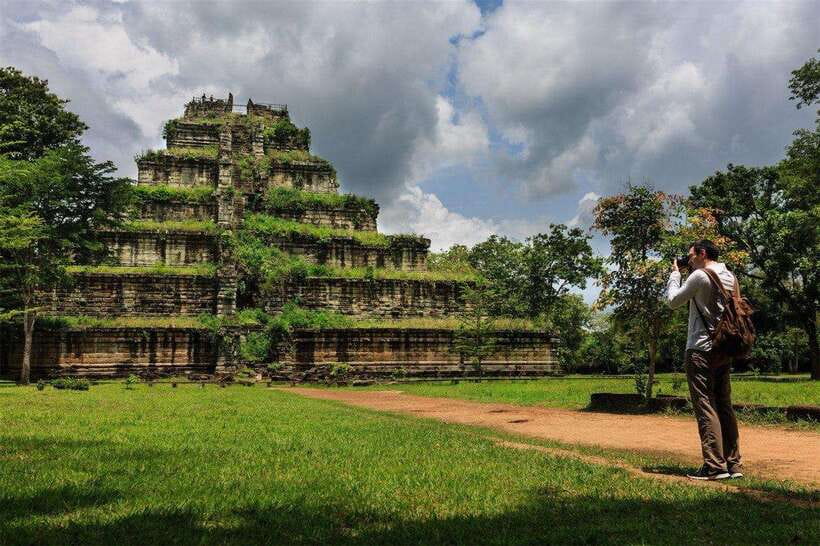
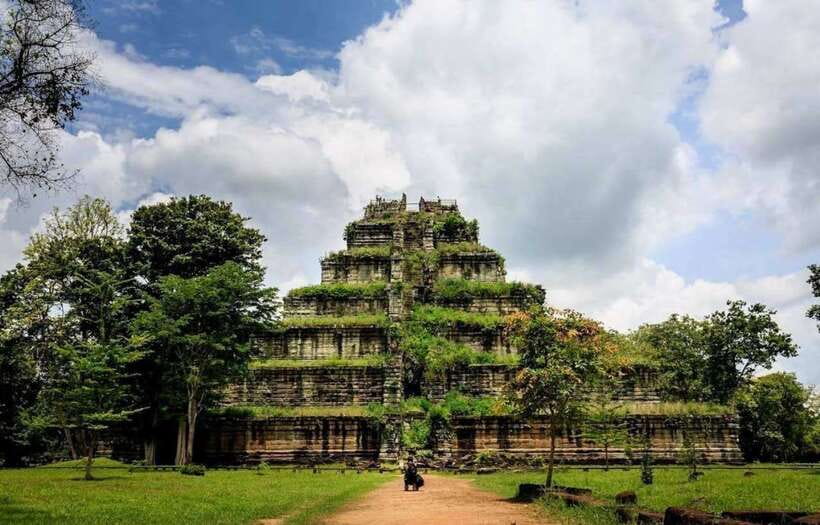
Koh Ker is the reason many people take the detour north. This is far from the main Angkor circuit, and the ruins feel less crowded and more “out there.” The headliner is Prasat Thom, known for its seven-tiered pyramid. You’ll see a mix of grand structure and broken stone, and you’ll likely be tempted to climb—because the views from up top are part of the point.
Plan for:
- Some climbing and uneven footing around the pyramid ruins.
- A lot of visual variety: towers, corridors, and layers of collapsed architecture that you can compare as you move.
Your guide should help you connect Koh Ker’s look to the Khmer Empire’s ambition at the time. You’re not just looking at shapes; you’re learning how sacred space was built to impress, direct movement, and signal power.
Entrance for Koh Ker is not included (USD 15).
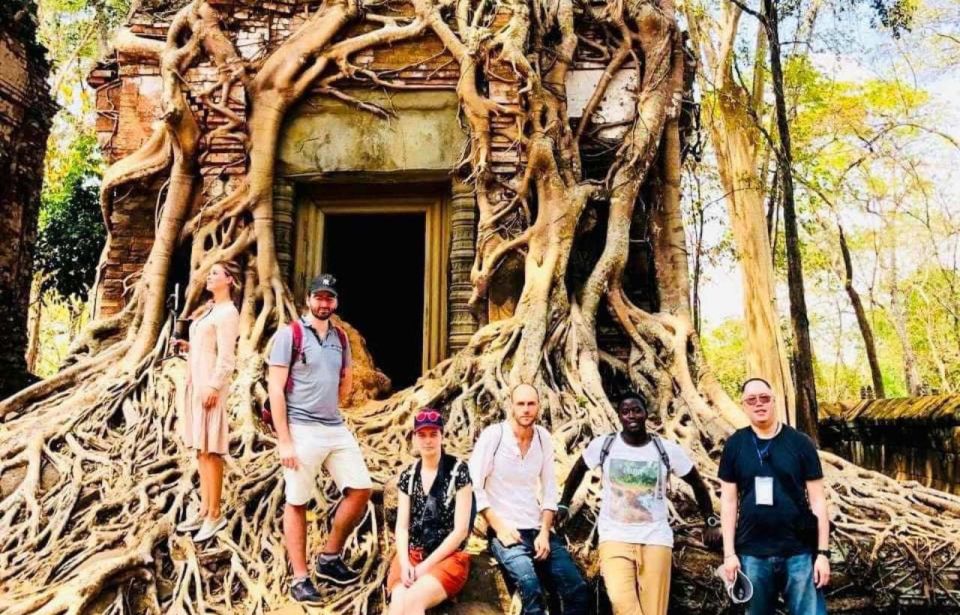
Prasat Pram and the tree-growing-through-temple moment
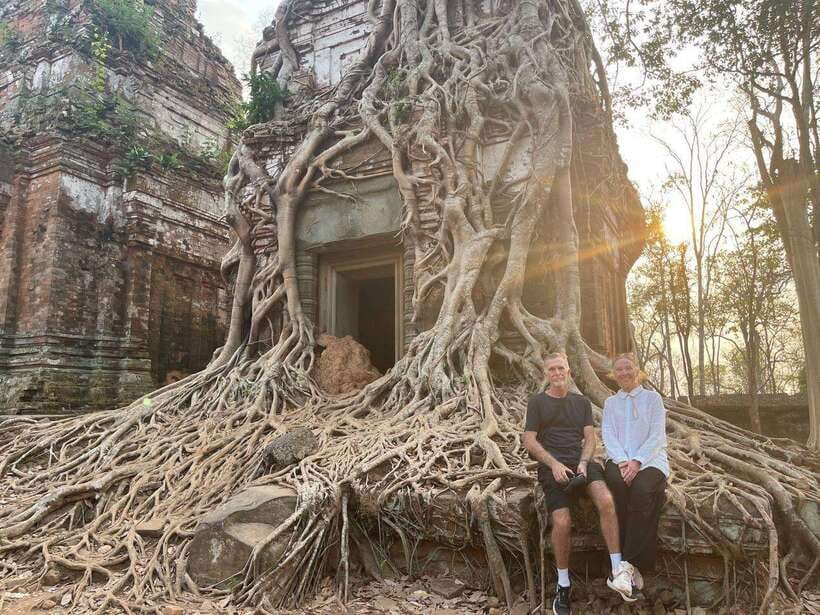
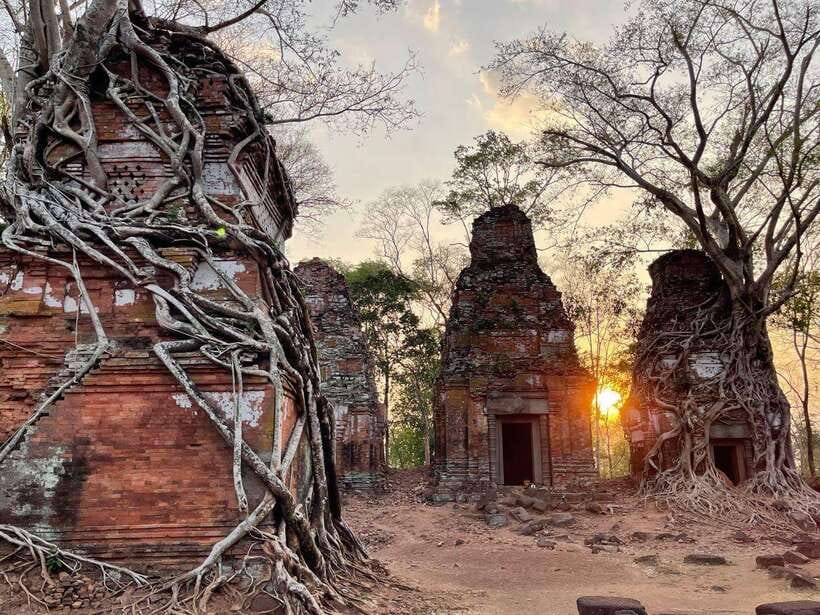
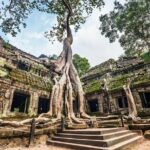
One of the most talked-about stops in Koh Ker is Prasat Pram. The standout feature is the tree growing through the temple structure. It’s the kind of detail that turns a pile of ruins into a story about time—architecture held in place while nature does what nature does.
If you’re a photographer, this is the place to slow down. Spend a bit of time circling angles, then do a second pass once you’ve seen how light hits the cracks and openings. If you’re not into photography, you’ll still appreciate it as a reminder that these sites aren’t static museum pieces.
Prasat Thom’s neighbors: Prasat Pram and Prasat Chrap
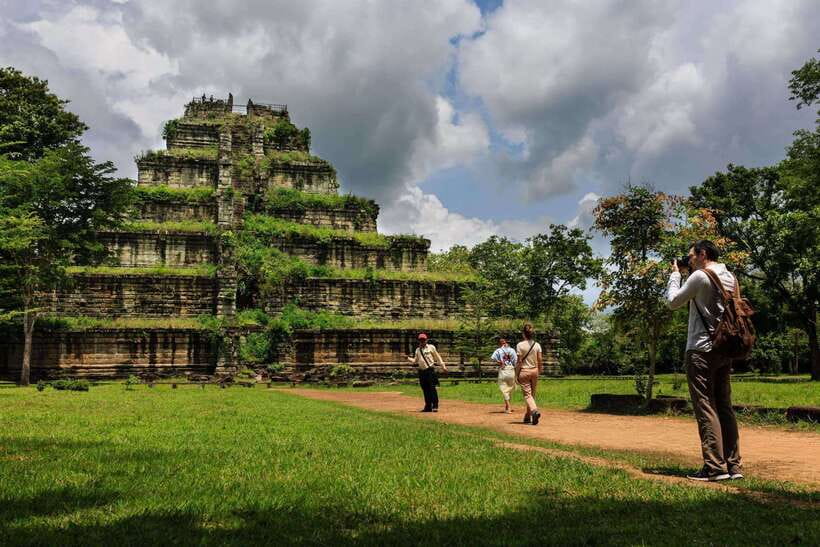
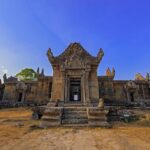
Koh Ker isn’t one monument. You’ll also visit other ruined sacred sites such as Prasat Chrap and Prasat Thom areas. In many guides’ explanations, you’ll hear how the different prasats relate to each other—where people would have moved, what each site was meant to communicate, and what survived.
I like this approach because it prevents Koh Ker from becoming a single “pyramid checklist item.” You see the broader complex feel, and you understand why Koh Ker has a distinct identity compared to Angkor’s style.
The linga shrines reclaimed by the forest
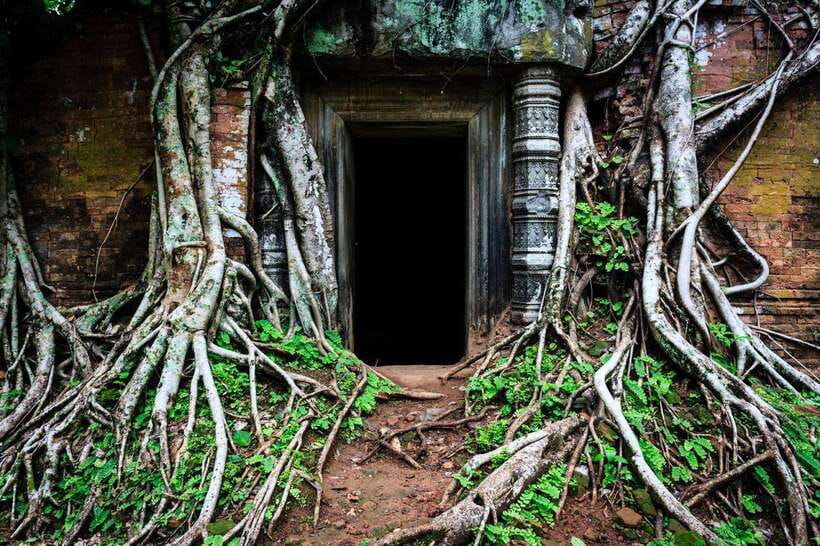
As you go deeper into Koh Ker’s north forest area, you’ll encounter linga-shrines that are reclaimed by nature. This is where the tone changes again: less monumental “grand stairs,” more sacred remnants tucked into greenery.
It’s a good reminder that Khmer sacred architecture wasn’t only about huge polished temples. Some pieces were meant for ritual, with symbols and materials chosen for meaning—and now those symbols sit amid changing vegetation.
What to pack (and what will actually make the day easier)
This tour is easy to enjoy if you dress and pack for heat and uneven ground. Use the basics and you’ll be fine.
Bring:
- Hiking shoes (or shoes with grip)
- Sunscreen
- Insect repellent
- Camera
- Cash (you’ll need it for lunch and tickets not included)
The tour also expects a respectful dress code: cover your shoulders and wear pants at least to knee level. If you show up in thin straps or short shorts, you may feel stuck scrambling at the last minute.
What not to bring:
- Pets
- Smoking
- Luggage or large bags
Price and value: what $50 really means for this day
The price is $50 per person for an 8-hour tour, including hotel pickup/drop-off, transport in a quality vehicle, an English-speaking guide, bottled water, cold towels, and local taxes. That’s a strong setup if you want structure without hiring a driver all day and then trying to coordinate your own entrance fees and route.
But you still need to budget for extras:
- Beng Mealea entrance fee is not included, and it requires your Angkor Wat ticket
- Koh Ker entrance is USD 15, not included
- Lunch is not included
So the real question is: do you already have an Angkor Wat ticket? If yes, your biggest additional cost is Koh Ker plus lunch. If you don’t, your total day cost climbs, and you’ll want to compare against doing only the Angkor circuit or adding other nearby sites.
The value is strongest if you care about avoiding the densest temple crowds. Koh Ker and Beng Mealea are far enough away that the day feels calmer, and the small-group size keeps it from turning into a temple assembly line.
Who this tour is perfect for (and who should skip it)
This is a great fit if you:
- Want a break from the Angkor crowd rhythm
- Like ruins with more “story atmosphere” than restored glamour
- Prefer small-group energy and personal guide attention
- Want to learn how Hindu and Khmer sacred traditions show up in architecture
It’s not a great match if you:
- Need wheelchair access or have mobility impairments (uneven surfaces and moderate walking)
- Are traveling with children under 12 (not suitable)
Should you book the Koh Ker and Beng Mealea day trip?
Yes, if you want the best trade: less crowds, more atmosphere, and big Khmer architecture moments in one day. Beng Mealea is the kind of place you remember because it feels alive—stone and jungle negotiating the same space. Koh Ker gives you that “only-in-Cambodia” pyramid climb and a few of the most striking details, like the tree through Prasat Pram.
If you hate extra walking or you need fully accessible surfaces, skip this one and choose something closer to town with flatter terrain.
FAQ
What does the tour price include?
Hotel pickup and drop-off, transportation by quality vehicle, an English-speaking guide, bottled water, cold towels, and local taxes.
How long is the tour?
The duration is 8 hours.
How many people are in the group?
It’s limited to a small group of up to 10 participants.
Do I need an Angkor Wat ticket for Beng Mealea?
Yes. The Beng Mealea entrance fee is not included, and an Angkor Wat ticket is required.
Is Koh Ker entrance included in the price?
No. Koh Ker entrance costs USD 15 and is not included.
Is lunch included?
No. Lunch is not included, but there is a restaurant stop for you to buy your own meal.
What should I wear and bring?
Wear casual clothing with shoulders covered and pants at knee level. Bring hiking shoes, sunscreen, insect repellent, a camera, and cash.
Is there walking on uneven ground?
Yes. There is moderate walking and uneven surfaces, so it’s not recommended for people with walking disabilities or for wheelchair use.
Where does pickup happen?
Pickup is included from any hotel in Siem Reap City. You should be ready in your hotel lobby at least 40 minutes before departure.
What’s the cancellation policy?
Free cancellation is available up to 24 hours in advance for a full refund. You can also reserve now and pay later.