REVIEW · SIEM REAP
Two Days Angkor Tour
Book on Viator →Operated by Angkor One Tour · Bookable on Viator
Angkor in two days is a fast sprint, not a slow stroll. This tour packs the major hits like Angkor Wat, Ta Prohm, and Bayon into one clean plan, then follows with the floating community at Kompong Phluk.
I like that you get an organized, private-style setup with pickup and an air-conditioned vehicle, so you spend less time herding your group and more time actually seeing. And the small-group cap (up to 10) keeps the day from turning into a human queue.
The main catch: admission tickets and fees are not included, so you’ll want to budget for entry costs separately. Also expect uneven walking at temples, so a moderate physical fitness level helps.
In This Review
- Key highlights (what makes this tour worth your time)
- Two days in Siem Reap: the real value
- Entering The Angkor Archaeological Park loop on Day 1
- Angkor Wat: start strong, see it from the right angles
- Ta Prohm: the jungle-temple effect, up close
- Lunch break: don’t let hunger steal the afternoon
- Angkor Thom: South Gate, Bayon, and the terraces
- Day 2: Kompong Phluk and the culture stops that add context
- Kompong Phluk: seeing a lake community from the waterline
- Artisans Angkor: a practical look at crafts and skills
- National Museum: why it’s worth your time
- Pickup, AC, and a guide that actually matters
- Price and logistics: what $75 really means
- How to prepare so the days feel smooth
- Who should book this two-day Angkor plan
- Should you book Angkor One Tour’s Two Days Angkor?
- FAQ
- Where does the tour start and end?
- Is pickup included?
- How long is the tour?
- What’s included in the price?
- Are admission tickets included?
- What sites are covered on Day 1?
- What sites are covered on Day 2?
- How many people are in the tour group?
- What fitness level do I need?
- What is the cancellation policy?
Key highlights (what makes this tour worth your time)
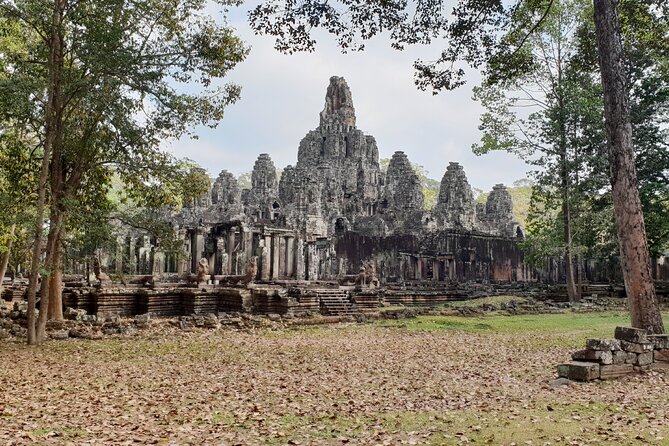
- A tight Angkor loop covering Wat, Ta Prohm, and the Bayon circuit
- Kompong Phluk floating village experience on the Great Lake
- Pickup + AC vehicle for a more comfortable pace in the heat
- Small group limit of 10 to keep the tour feeling personal
- Guide Dara’s flexibility and easy WhatsApp communication (a common theme in feedback)
Two days in Siem Reap: the real value
This is the kind of two-day plan that makes sense when Angkor is your top priority and you don’t want to waste time piecing the day together yourself. Day 1 focuses on the core temple sites inside the Angkor Archaeological Park. Day 2 shifts to the lake, plus a couple of culture stops that help you understand what you’re seeing beyond the stone.
The best part is the flow. Instead of jumping randomly, you follow a logic: big temple highlights first, then the floating community and local craft/culture afterward. If you’re short on time, that matters.
There’s also a practical upside. The tour includes an air-conditioned vehicle, which you’ll really appreciate in Siem Reap’s heat, especially when you’re moving between sites and waiting for timed entry. And you’re not dealing with a huge crowd-management situation since the group size is capped at 10.
You can also read our reviews of more tours and experiences in Siem Reap



Entering The Angkor Archaeological Park loop on Day 1
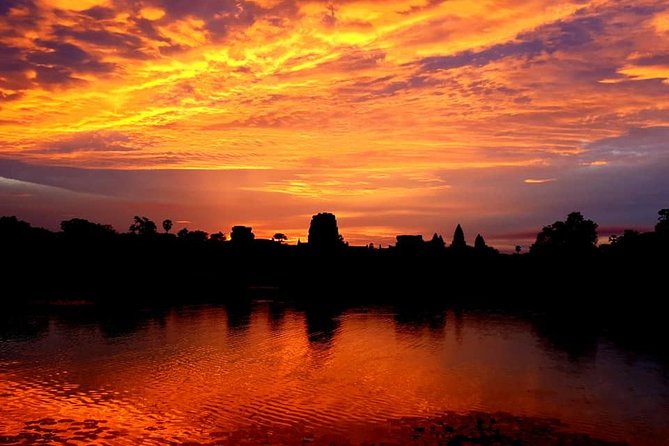
Day 1 runs about 8 hours and is built around the most famous Angkor sights. It starts with Angkor Wat, then moves to Ta Prohm, and finishes the day at Angkor Thom, including the South Gate and Bayon area. It’s a classic sequence for a reason: you get the iconic postcard views early, then shift into more dramatic, jungle-textured scenery, and finally end with the faces and corridors people remember.
One note up front: admission tickets are not included. That means you’ll want to handle tickets and any required entry fees before you expect to walk straight in. If you’re the type who hates surprises, plan for this early rather than at the last minute.
Angkor Wat: start strong, see it from the right angles
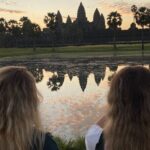
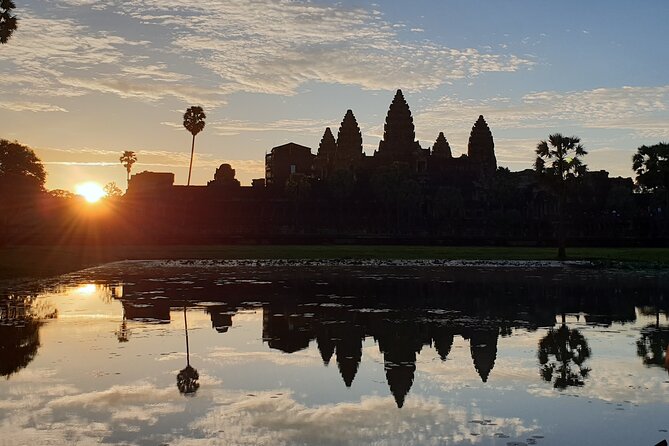
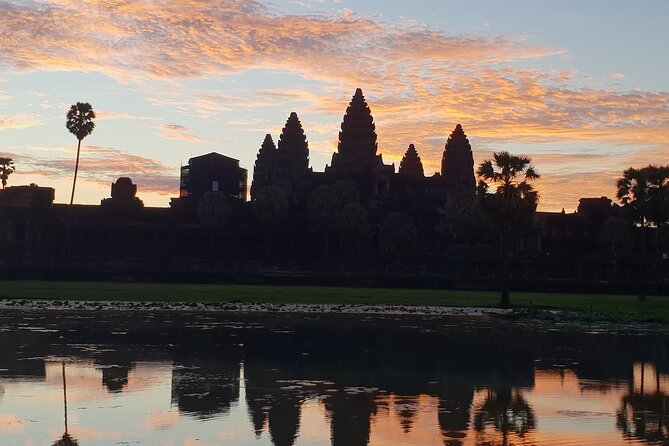
Angkor Wat is the one that pulls most people in, and for good reason. You’re looking at a massive temple complex with long sightlines and a lot of symmetry. In practical terms, it’s also an easy place to get your bearings fast—so starting here helps the rest of the day click into place.
If you care about photography, Angkor Wat is one of the easiest places to find strong compositions. You’ll be walking enough to see different vantage points, but it’s not the kind of frantic sprint where you feel like you missed everything.
Potential drawback: it’s popular. If you arrive during busy hours, you may need a little patience to get clear views without heads in the frame. Having a guide helps you pick workable moments and angles.
Ta Prohm: the jungle-temple effect, up close
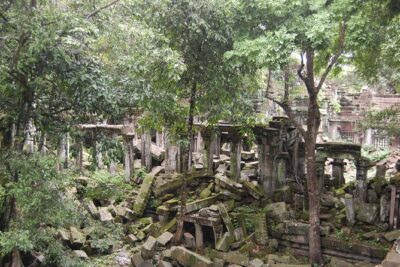
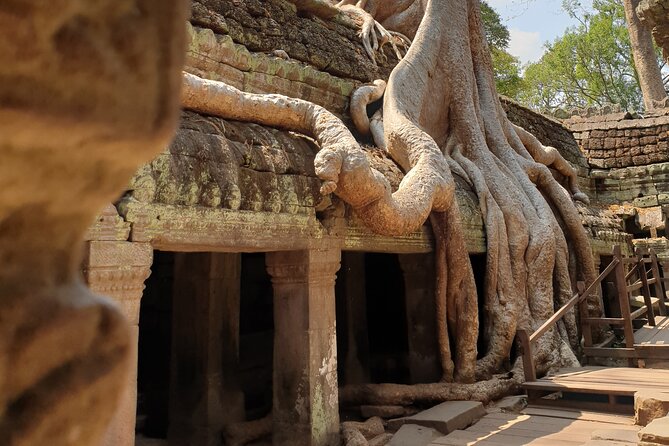
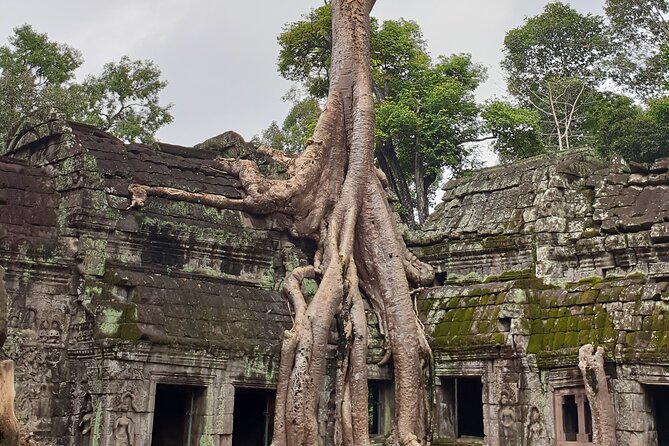
Next is Ta Prohm, often associated with dramatic tree roots tangled into stone. This stop changes the mood immediately. The architecture is still ancient, but the scene feels alive—like the temple grew around the forest rather than the other way around.
This is also where you’ll notice scale. When you see those roots and carved details at walking distance, the place stops being a photo and becomes a space you can move through and understand.
Potential drawback: Ta Prohm can be physically tiring. The ground can be uneven, and you’ll want good shoes. If you’re traveling with kids or anyone with mobility limits, you’ll probably need more frequent breaks.
Lunch break: don’t let hunger steal the afternoon
There’s an afternoon lunch break built into Day 1. That’s not just a convenience. In Angkor, fatigue can creep up fast because you’re mixing sun exposure, walking, and visual overload. A real pause gives you a reset before the bigger Bayon zone.
What you should do: eat something simple and hydrating. Keep water handy and don’t overthink it. Your goal is to keep energy up for the final section.




Angkor Thom: South Gate, Bayon, and the terraces
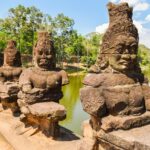
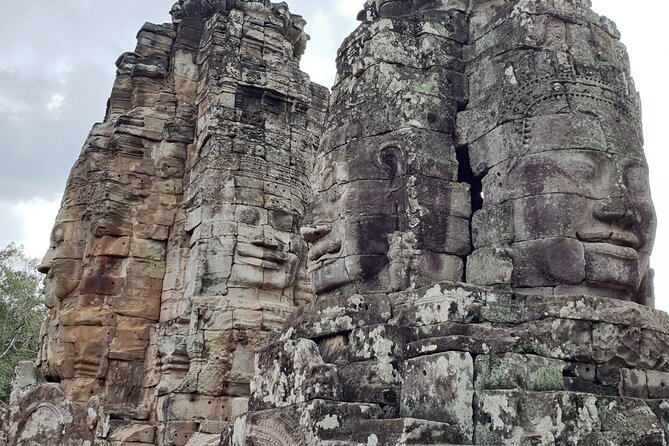
The Angkor Thom portion is where the day turns into a story. You enter through the South Gate, move into the Bayon area, and then you’ll see the Terrace of the Elephant and the Leper King Terrace, plus the general area that was once part of the Grand Palace complex.
Here’s why this part matters for most first-timers: the Angkor Thom circuit helps you go beyond isolated “wow” moments. You start seeing how spaces connected—gates, plazas, and temple structures that guide your movement. It feels less like you’re just collecting sights and more like you’re walking through an urban plan of stone.
The terraces add variety too. Even if you don’t know every carving by name, the shapes and repeated figures give you a sense of ceremonial and everyday life around the court.
Potential drawback: it can feel crowded and busy toward the Bayon area. The good news is the guide pacing can make a difference. If you’re patient and stick to the flow, the faces and corridors still land emotionally.
Day 2: Kompong Phluk and the culture stops that add context
Day 2 runs about 6 hours and shifts to Kompong Phluk, a floating village on the Great Lake. After that, you’ll hit Artisans Angkor and the National Museum.
This is a strong pairing because it stops the trip from being only monuments. Temples are only one side of the story. You get a look at local life and then a couple of structured culture stops that help you connect the dots.
Kompong Phluk: seeing a lake community from the waterline
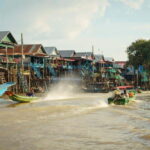
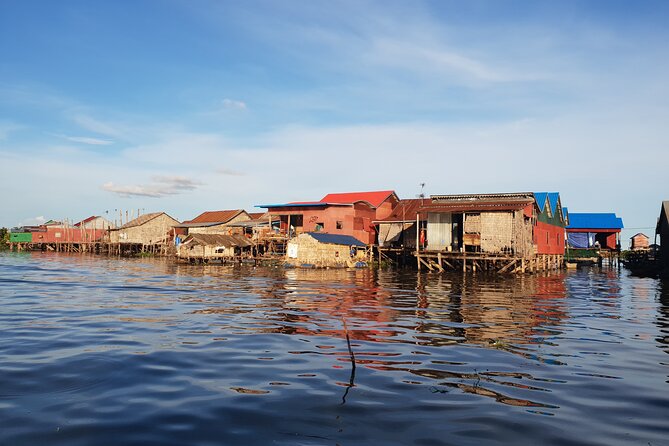
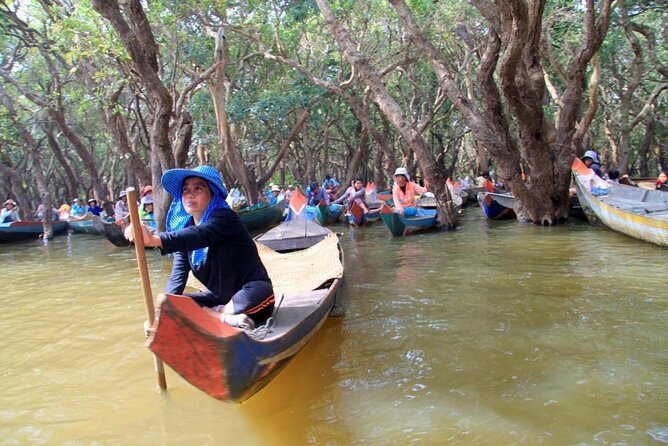
Kompong Phluk is the signature Day 2 experience. The biggest value is the change in setting. You’re no longer in temple courtyards; you’re in a lived-in water environment where daily life and building styles adapt to the lake.
For most people, the most memorable moment is the sense of scale: communities don’t just exist beside water—they adjust to it. Seeing that helps you understand why Cambodia’s lake regions have their own rhythms.
What to consider: conditions on the lake can affect comfort and time. It’s also a day where your physical comfort matters. You’ll likely spend time getting in and out of areas near the water, so wear shoes that can handle damp ground.
Artisans Angkor: a practical look at crafts and skills
After the floating village, the tour includes Artisans Angkor. This stop is useful if you want more than scenery. It gives you a chance to see how modern craftwork connects with older artistic traditions you’ll have noticed in temple carvings.
It’s also a good reset after the lake segment. The environment becomes more controlled, and you can take a breather from sun and humidity.
National Museum: why it’s worth your time
The National Museum stop is a solid addition because it helps translate what you saw at the temples into objects and context. When you’ve spent Day 1 walking around stone, museum artifacts can suddenly make details feel less random.
Even if you don’t read every label, museums help you categorize. You start to recognize themes, materials, and artistic styles you might otherwise miss.
Potential drawback: museum time can feel slower than temple time. If you’re traveling with kids, keep expectations realistic. Short attention spans may want extra breaks.
Pickup, AC, and a guide that actually matters
This tour’s included air-conditioned vehicle is not a luxury when you’re in Siem Reap. It directly affects how long you can stay alert. Angkor days have a lot of waiting between walking blocks. Being able to cool down matters.
The tour also includes pickup and returns you to the meeting point at the end. That simple loop helps you avoid the “how do we get back” stress that can ruin the last hour of a day.
One of the biggest quality signals in the feedback is the guide experience—especially Dara. Multiple comments highlight that he’s easy to contact by WhatsApp, replies promptly with info, and adjusts the schedule when needed. That flexibility is gold if you’re traveling with kids, have energy issues, or you want the day to run at a pace that feels human.
Price and logistics: what $75 really means
The tour price is $75 for approximately 2 days. That sounds like a bargain until you check what’s included and what isn’t.
Included:
- Air-conditioned vehicle
- Pickup offered
- A structured two-day route across the major stops
Not included:
- All fees and taxes
- Admission tickets (both days list admission tickets not included)
So where does the value show up? Mostly in transportation and the planning/coordination. If you were to arrange your own driver and piece together timing for Angkor Wat, Ta Prohm, and Angkor Thom plus a lake trip, you’d still pay for transport and time. The guide element helps you avoid common first-timer mistakes like getting to sites at the wrong moments or wasting time figuring out how to sequence the day.
My practical advice: before you book, budget for entry costs separately and plan how you’ll handle them day-of. Don’t just assume the price covers everything related to entering the sites.
How to prepare so the days feel smooth
This tour asks for moderate physical fitness. That doesn’t mean you need to be an athlete. It does mean you’ll want practical readiness.
Here’s how I’d prepare:
- Wear solid walking shoes for temple stone and uneven ground.
- Bring water and plan for sun exposure. Temples are outdoors a lot.
- Keep a light bag. You’ll move between areas and vehicles.
- If you’re sensitive to heat, ask your guide about pacing and break timing.
Also: since admissions and fees aren’t included, have a plan for tickets before you start wandering around. Nothing kills momentum like standing in the wrong line at the wrong time.
Who should book this two-day Angkor plan
This is a great fit if you:
- Want the main Angkor sights in a tight schedule
- Prefer pickup + AC transportation
- Like having a guide to help with pacing and day flow
- Want Day 2 to include a real local setting like Kompong Phluk, not only more temples
It may be less ideal if you:
- Want a fully self-guided experience where you control every moment
- Hate paying extra for admissions and fees on top of the tour price
- Need a fully low-walking itinerary
If you’re traveling as a family or with mixed ages, the tour can work well thanks to guide flexibility noted in feedback. Just be honest about comfort needs and take breaks when you need them.
Should you book Angkor One Tour’s Two Days Angkor?
I’d book it if you want a well-sequenced, two-day plan that hits the big Angkor sites and adds a Kompong Phluk lake experience—while keeping logistics easy with pickup and AC. The best “value” isn’t just $75. It’s the fact that you’re spending your time walking through Angkor, not doing administrative work.
I’d hesitate only if you’re trying to keep total costs fixed and all-in. Since admissions and fees aren’t included, you’ll want to add that into your budget.
If you decide to book, do one simple thing: message your guide with your must-see priorities and any comfort needs before Day 1. With a flexible guide approach (noted in feedback around Dara), you’re more likely to end up with a day that feels right for you—not just right on paper.
FAQ
Where does the tour start and end?
It starts in Krong Siem Reap, Cambodia and ends back at the meeting point.
Is pickup included?
Pickup is offered, and the tour includes transportation by air-conditioned vehicle.
How long is the tour?
It runs for approximately 2 days, with Day 1 listed at about 8 hours and Day 2 listed at about 6 hours.
What’s included in the price?
The tour includes an air-conditioned vehicle.
Are admission tickets included?
No. Admission tickets (and all fees and taxes) are not included.
What sites are covered on Day 1?
Day 1 focuses on Angkor Archaeological Park, including Angkor Wat, Ta Prohm, and Angkor Thom areas like the South Gate, Bayon, and terraces such as the Elephant and Leper King Terrace.
What sites are covered on Day 2?
Day 2 includes Kompong Phluk (floating village on the lake), Artisans Angkor, and the National Museum.
How many people are in the tour group?
The tour has a maximum of 10 travelers.
What fitness level do I need?
The tour is listed for travelers with a moderate physical fitness level.
What is the cancellation policy?
You can cancel up to 3 days in advance for a full refund. If you cancel less than 3 days before the experience starts, the amount paid is not refunded.