REVIEW · SIEM REAP
Three-day tour Discovering Siem Reap highlight ,Beng Mealea and Floating Village
Book on Viator →Operated by Angkor Wat Travel Tour · Bookable on Viator
Waking before dawn pays off in Angkor. This private 3-day Siem Reap tour pairs Angkor Wat sunrise with a private guide in an air-conditioned car, then keeps going to Beng Mealea and the Tonlé Sap floating village. The only drawback: the start time is early, so you’ll want to be packed and ready.
Over three days, you’ll see the Angkor highlights that most people come for, but with a route that also adds variety: Bayon, Ta Prohm, and Banteay Kdei, then Banteay Srei plus Neak Pean and Preah Khan, and finally Beng Mealea and a boat trip in the Kompong Khleang area. It’s a lot of temples, but the rhythm makes it feel more like a full tour of the region than a checklist.
You also get the comfort bits that matter when your day begins in the dark: hotel pickup and drop-off, plus cold water and cold towel along the way. For the price, the real value is that your schedule stays flexible with a private setup, so your guide can pace the stops around your group.
In This Review
- Key points to know before you go
- Why this Siem Reap mix works better than doing Angkor only
- Angkor Wat sunrise at 4:45 am: making the alarm worth it
- Day 1 temples: Bayon faces, Ta Prohm roots, and Banteay Kdei
- Angkor Wat
- Bayon Temple (Angkor Thom’s South Gate)
- Ta Prohm, the jungle temple
- Banteay Kdei
- Day 2 art and engineering: Banteay Srei to Preah Khan
- Banteay Srei: the jewel in Angkorian art
- Eastern Mebon
- Neak Pean on an artificial island
- Preah Khan: a big monastic complex
- Day 3 Beng Mealea plus Tonlé Sap Kompong Khleang boat life
- Beng Mealea: the lost temple feeling
- Kompong Khleang on Tonlé Sap lake
- Price and value: what $156.42 really covers
- Guide quality and comfort details that pay off
- Who should book this private tour, and who might want a different plan
- Should you book this tour?
- FAQ
- What time do you get picked up for the Angkor Wat sunrise?
- Are temple entrance tickets included in the tour price?
- What’s included during the tour?
- Are meals included on the tour?
- Is this tour private or shared?
- Is free cancellation available?
Key points to know before you go
- Sunrise timing is the point, not the bonus, and you’ll leave early for Angkor Wat.
- Private guide = better temple flow, so you’re not stuck waiting behind other groups.
- Two big “worlds” in one tour: UNESCO Angkor temples and Tonlé Sap lake life.
- Beng Mealea adds texture beyond the main Angkor circuit.
- Comfort support is included, like AC transport and cold water/towel.
Why this Siem Reap mix works better than doing Angkor only
Siem Reap is famous for Angkor, but if you only do temples, the experience can feel one-note. This tour balances sacred stone and everyday life. You get the UNESCO Angkor Archaeological Park temples people dream about, then you switch gears to the Tonlé Sap area, where the floating village view gives you a different kind of perspective on Cambodia.
I also like that the trip is structured, but not rigid. You’re in a private group, so your guide can adjust timing and pacing at each stop. That helps on long days where heat, walking, and crowds can turn a “see everything” plan into a grind.
One thing to keep in mind: entrance fees and meals are not included. So you’ll want to plan for tickets separately and budget for breakfast, lunch, and dinner on your own.
You can also read our reviews of more tours and experiences in Siem Reap.
Angkor Wat sunrise at 4:45 am: making the alarm worth it
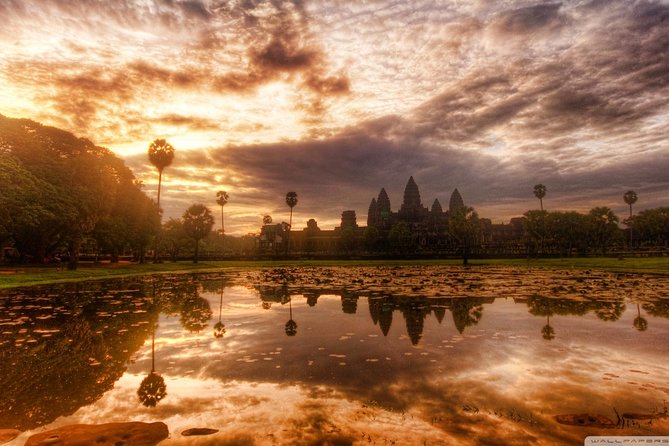
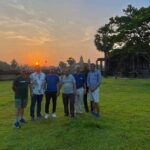
Your first morning starts around 4:45 am from Siem Reap, with pickup arranged from your hotel. The start time listed is about 4:30 am, so think in terms of being ready early and calm, not scrambling with a checklist.
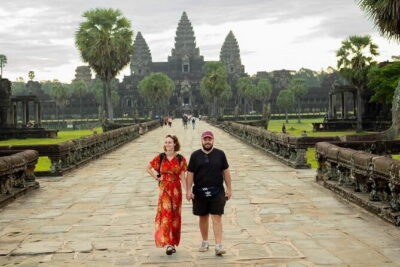
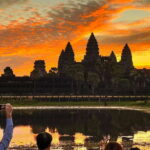
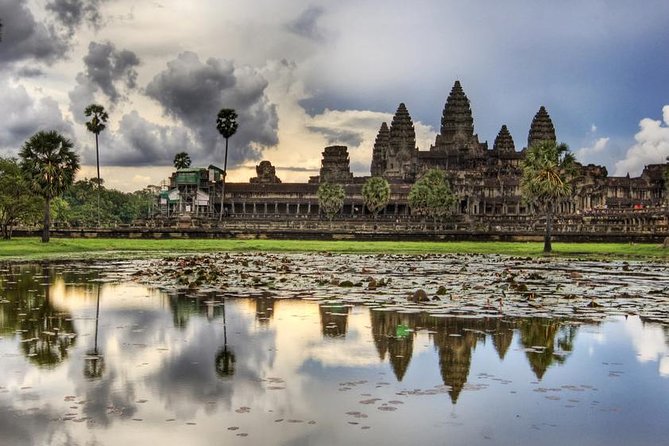
Angkor Wat at sunrise is special because the light changes the whole atmosphere. Even if you’ve seen photos, the real thing hits differently when the sky is still turning and the temple is emerging in layers. You’re also more likely to enjoy the morning without the full day surge, since you arrive early.
Practical tips that will help:
- Wear breathable clothes and bring something light for your upper arms. Temples are strict about respectful coverage.
- Bring sun protection anyway. Sunrise may be cool, but it ramps up fast.
- If you’re sensitive to early mornings, treat day one like a priority and go to bed early the night before.
The upside of starting this early is that your day doesn’t feel stolen from you by later traffic or long waits. The downside is obvious: this is not a “sleep in and see a bit of Angkor” plan.
Day 1 temples: Bayon faces, Ta Prohm roots, and Banteay Kdei
Day one is built like a classic Angkor arc: start with the star, then move through the city-style temples and the most photogenic ruins.
Angkor Wat
You begin with Angkor Wat, then continue into the surrounding complex. Admission tickets are not included, so you’ll want to make sure you’ve got access sorted in advance.
Bayon Temple (Angkor Thom’s South Gate)
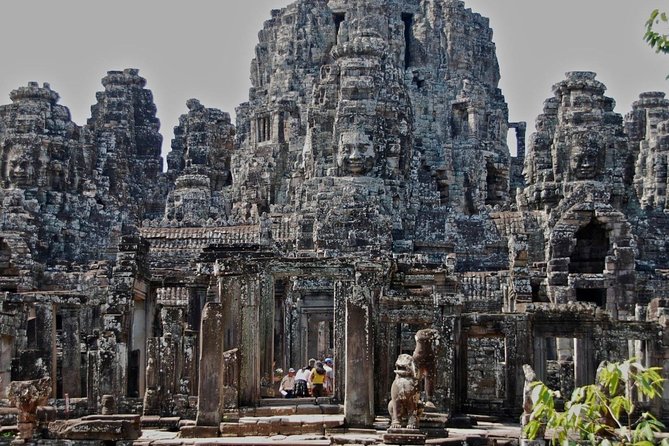
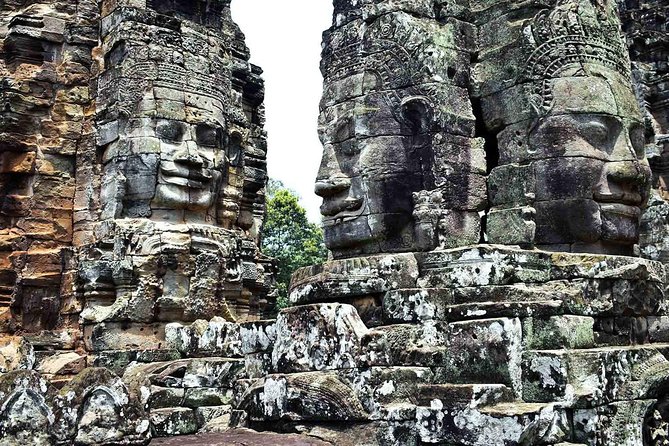
After Angkor Wat, you head to the South Gate of Angkor Thom, where Bayon and Baphoun sit. Bayon is known for its 54 towers and 216 faces of Buddhisatva Avalokesvara. That detail matters, because it changes how you look at the structure: you’re not just seeing “stone heads,” you’re tracking them around the towers and thinking about how the design guides your movement.
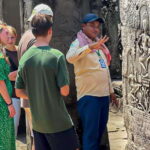
A good way to experience Bayon is to slow down on the open spaces and look from multiple angles. Your guide’s commentary can help you connect the symbolism to what you’re seeing.
Ta Prohm, the jungle temple
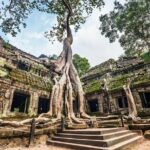
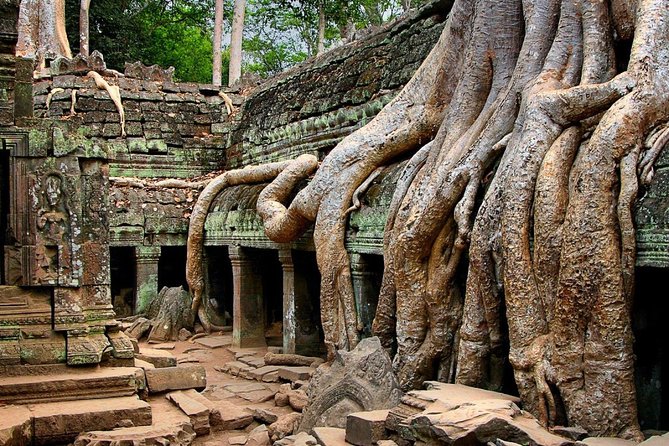
Next is Ta Prohm, often called the jungle or tree temple because of the massive roots wrapping the ruins. This stop is visual storytelling at work. The stone isn’t separate from the trees; they’re part of the same scene.
If you want better photos, move a little off the main flow. You might still see plenty of people, but changing your viewpoint helps a lot at Ta Prohm.
Banteay Kdei
You finish day one at Banteay Kdei, built by King Jayavarman VII in the late 12th century. This is a good closing temple because it feels more grounded and exploratory than some of the “headline” stops. You get a sense of how Angkor’s monuments weren’t only religious landmarks; they were also built to function as living complexes.
What to watch for: day one is intense. You’ll walk, you’ll climb, and you’ll likely be in the sun more than you expect. Pace yourself, and don’t treat every photo as a sprint.
Day 2 art and engineering: Banteay Srei to Preah Khan
Day two starts later, after breakfast, at around 9:00 am, with travel by private air-conditioned vehicle. That break in timing helps. When you start at 9 instead of dawn, your body has a chance to reset before another temple-heavy day.
This day’s theme is variety: intricate artistry, then temples that show a different kind of design thinking.
Banteay Srei: the jewel in Angkorian art
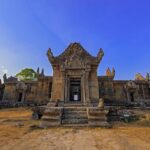
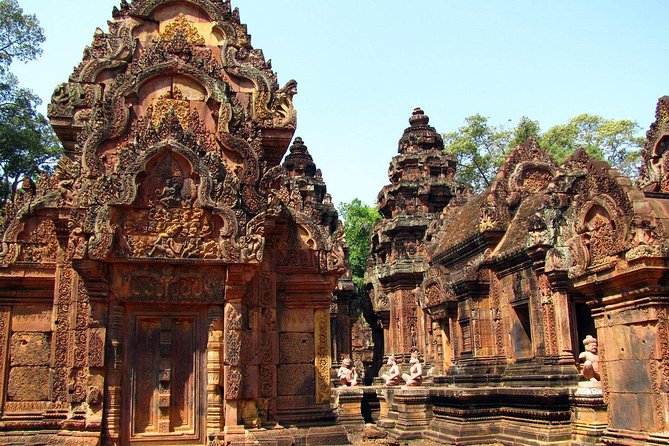
You visit Banteay Srei, about a one-hour drive from Siem Reap. It’s considered the jewel in Angkorian art, and the reason people love it is the fine detail you can actually notice when you’re not rushing.
This is also the kind of temple where a guide helps. Without commentary, you might miss how the carving style and layout relate to what you’re seeing.
Eastern Mebon
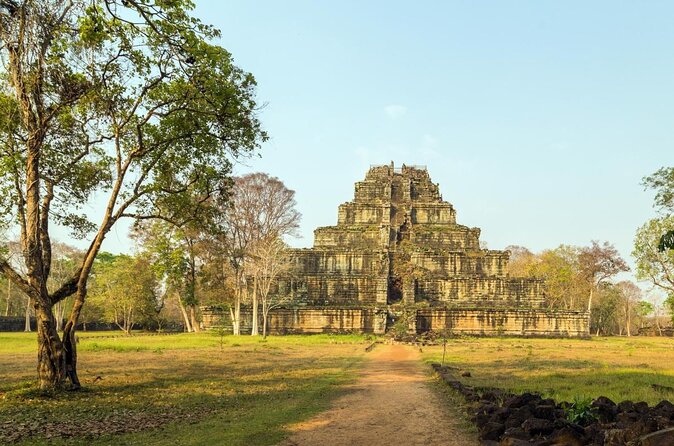
Next is Eastern Mebon, a temple-mountain rising three levels and crowned by five brick towers. This is a classic “stacked layers” temple view, where you can understand the architecture by breaking it into levels rather than trying to take everything in at once.
Neak Pean on an artificial island
Then comes Neak Pean, located on an artificial island in the middle of the last Baray, a reservoir area. This isn’t just a stop to see stone. It’s a reminder that Angkor’s greatness wasn’t only temples and carvings. There was also an entire water-and-land system behind it.
If you like places that make you think, Neak Pean is one of the more interesting stops on this day.
Preah Khan: a big monastic complex
The day ends at Preah Khan, described as a huge, highly explorative monastic complex. Even the name—associated with sacred sword—signals that this is meant to feel like a purposeful, structured space, not just a monument you pass through.
Because Preah Khan covers a lot of ground, you’ll benefit from walking the route your guide suggests instead of trying to wander randomly.
Day 3 Beng Mealea plus Tonlé Sap Kompong Khleang boat life
Day three is where the tour shifts from stone temples to the working, lived landscape around Cambodia’s waterways.
Beng Mealea: the lost temple feeling
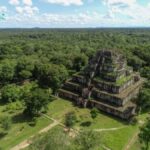
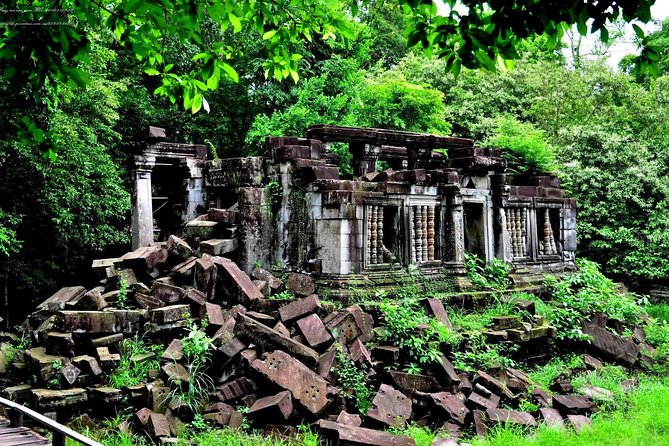
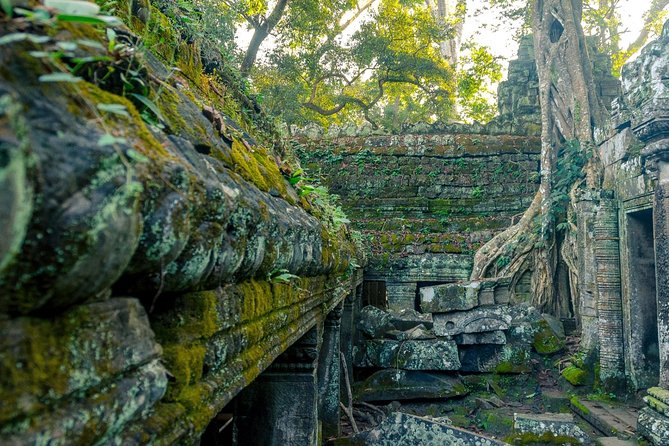
You head out around 8:00 am to Prasat Beng Mealea, about 70 kilometers northeast of Siem Reap. Beng Mealea is named the lost temple of Angkor, and that reputation makes sense when you’re there. It doesn’t feel like a polished showpiece. It feels like a place you stumble into, where the scale and rubble create a different kind of awe.
This is a great choice if you’ve already seen the main Angkor circuit and want a more raw, adventurous vibe.
Kompong Khleang on Tonlé Sap lake
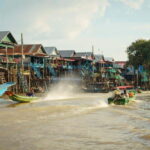
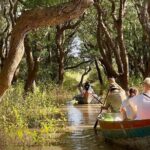
After Beng Mealea, you visit Kompong Khleang, on Tonlé Sap, the biggest fresh water lake in Southeast Asia. The tour includes a private boat ride leading to floating village areas.
This part of the day is valuable because it connects the Angkor story to people’s present-day lives. You’re not only learning about ancient systems; you’re seeing how water still shapes daily routines here.
What to expect: you’ll spend several hours on this portion of the day. That’s enough time to look closely, notice details in homes and platforms, and understand that it’s not a single photo spot—it’s a whole community.
Price and value: what $156.42 really covers
The listed price is $156.42 per person for a roughly 3-day private tour. On paper, that can sound like a bargain for three days—until you read the fine print: entrance tickets and meals are not included.
Here’s the value picture:
- Included: private air-conditioned vehicle, an English tour guide, and cold water/cold towel, plus hotel pickup and drop-off.
- Not included: temple admission fees and your breakfasts/lunches/dinners.
So the true cost depends on how you handle tickets and meals. If you’re the type who wants fewer surprises and hates thinking about logistics, this tour still helps because transport, guide, and the overall schedule are handled.
If you’re considering other options, compare what’s included beyond transport. A private guide plus AC plus comfort support is the difference between a long day that feels manageable and one that feels exhausting.
Guide quality and comfort details that pay off
One reason this tour earns a high satisfaction rate is the guide factor. An English-speaking guide like Mr. Sa (noted for being informative, caring, and flexible) can make the temples click. It’s not only facts. It’s pacing, context, and adjusting when your group needs a breather.
The same kind of flexibility shows up in suggestions like adding a cooking class when it fits your schedule. That’s a smart way to add Cambodian flavor without derailing the temple plan.
Comfort-wise, you’re not stuck in basic transport for three straight days. The air-conditioned vehicle matters in Siem Reap heat, especially between stops. Cold water and a cold towel are the small things that keep you from turning cranky after the third long temple walk.
Who should book this private tour, and who might want a different plan
This tour fits best if you want:
- A private Angkor experience with your own guide and timing control
- Sunrise at Angkor Wat rather than arriving mid-morning
- A mix of major temples plus one more adventurous site in Beng Mealea
- A day that includes Tonlé Sap lake life with a boat visit to Kompong Khleang
You might want a different option if:
- You hate early mornings and don’t want a dawn start
- You’re trying to keep costs super low since entrance tickets and meals are extra
- You prefer a lighter day with fewer temples and more free time
For families, the tour notes that children must be accompanied by an adult, and most travelers can participate. Still, the walking can add up, so plan footwear accordingly.
Should you book this tour?
If you want a guided, comfortable, and well-paced 3-day Siem Reap plan that covers Angkor Wat sunrise, key UNESCO temples, plus Beng Mealea and Tonlé Sap floating village boat time, this is an easy yes. The private format and included guide/transport comforts make the price feel fair, as long as you budget separately for entrance tickets and meals.
If dawn mornings and a temple-heavy rhythm sound like your idea of torture, then you’ll feel the strain. But for most people, waking early here is less painful once you’re standing in the light at Angkor Wat.
FAQ
What time do you get picked up for the Angkor Wat sunrise?
Pickup is arranged from your hotel around 4:45 am, and the listed start time is about 4:30 am.
Are temple entrance tickets included in the tour price?
No. Admission ticket fees are not included.
What’s included during the tour?
The tour includes an air-conditioned vehicle, an English tour guide, cold water and cold towel, and hotel pickup and drop-off.
Are meals included on the tour?
No. Meals (breakfast, lunch, and dinner) are not included.
Is this tour private or shared?
It’s private. Only your group participates.
Is free cancellation available?
Yes, you can cancel for a full refund up to 24 hours in advance of the experience’s start time.