Waking up before dawn can feel intense, but sunrise here is genuinely calm. This small-group route focuses on Angkor Wat at first light and gives you solid photo positioning help inside the temple with an English-speaking guide. You’re also moving efficiently between sites in an air-conditioned vehicle, not doing the chaos shuffle on your own.
The main trade-off is simple: you start very early (hotel pickup around 4:45am), and you’ll need to budget separately for Angkor admission tickets and meals since those aren’t included.
In This Review
- Key points at a glance
- Sunrise at Angkor Wat: why the early start feels calm
- Your route through Angkor Thom: Bayon and the faces of Avalokesvara
- Ta Prohm and the fig-tree embrace: ruined but alive
- Banteay Kdei: a former monastery with a quieter tempo
- Small-group logistics, comfort, and what you actually pay for
- Why the guide style matters at these temples
- Timing: how to survive an 8-hour temple day
- Price and tickets: the one cost you must plan for
- Who this tour suits best (and who should skip it)
- Should you book the Angkor Wat Sunrise Small Group Experience?
- FAQ
- What time is pickup for the Angkor Wat sunrise experience?
- How many temples does the tour include?
- Are temple tickets included?
- Are meals included?
- How long does the tour last?
- What’s included in the tour price?
- How big is the group?
- What if I need to cancel?
Key points at a glance
- Sunrise timing: a 4:45am pickup for a first-light start at Angkor Wat
- Small group feel: capped at 10 travelers for easier navigation and photos
- Guided context: explanations of Hindu and Buddhist influences tied to Khmer kings
- Four major stops: Angkor Wat, Bayon (Angkor Thom), Ta Prohm, and Banteay Kdei
- Comfort basics: air-conditioned ride plus cold water and a cold towel
Sunrise at Angkor Wat: why the early start feels calm
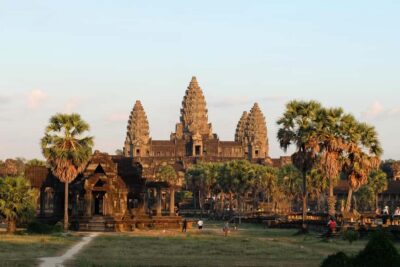
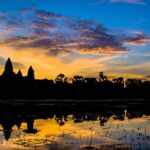
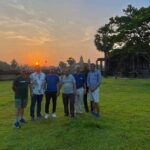
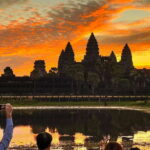
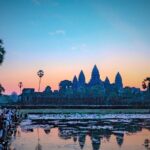
Angkor Wat at sunrise changes the mood fast. The air is cooler, the crowds are thinner, and the temple looks different when the light is still soft. This tour is built around that calm window: you’re picked up from your hotel around 4:45am and you start seeing Angkor Wat before the day fully kicks in.
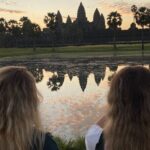
What I like about this setup is that it’s not just a quick walk-through. You get time to watch the sunrise and then continue exploring Angkor Wat with a local guide. The guide also helps you find a good spot for photos inside the temple, which matters more than people think—good light and the right angle can be the difference between a rushed snapshot and a keeper.
One more thing: the tour includes cold water and a cold towel, plus an air-conditioned vehicle. That sounds small, but it’s a real value when you’re getting up early and planning to be outside for hours.
You can also read our reviews of more tours and experiences in Siem Reap
Your route through Angkor Thom: Bayon and the faces of Avalokesvara
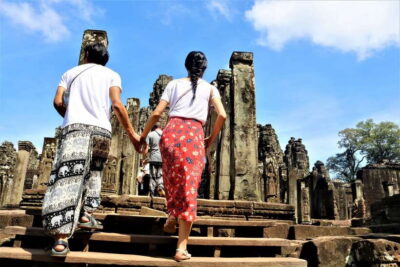
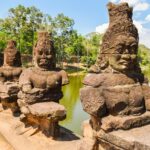
After Angkor Wat, the tour shifts toward Angkor Thom, starting with the South Gate and then moving to Bayon. Bayon is known for its towers and faces, and this route gives you the story behind what you’re looking at—built by King Jayavaraman VII and associated with Avalokesvara (54 towers and 216 faces are part of what you’ll see and hear explained).
This stop is ideal if you want more than architecture. The guide’s job here is to help you connect the visuals to the religious and political world that produced them. Even if you’re not a history buff, Bayon’s design can feel overwhelming at first—so having someone interpret what you’re seeing makes the place click faster.
The drawback to consider: this is still an “on your feet” day. Bayon is a lot to take in visually, and the tour keeps you moving through multiple temples. If you know you tire quickly, plan for a steady pace rather than expecting a slow meander.
Ta Prohm and the fig-tree embrace: ruined but alive
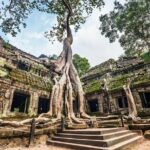
Ta Prohm is the temple people recognize even if they don’t know its name. Huge fig trees push their way around the stones, and the roots make the ruins feel like they’re growing back from the jungle.
This tour keeps Ta Prohm to about 2 hours, which is a good length: long enough to walk, look closely, and get photos, without feeling like you’re stuck in a loop. Ta Prohm is also often presented as a place left in something like the condition it was found in, so you get that sense of “ruin in progress” rather than a fully restored showpiece.
For photography, the best advantage here is your mindset. Sunrise helped you feel calm; Ta Prohm keeps you curious. Look for patterns where roots wrap columns, and use the jungle framing to break up your shots. The tour structure is helpful too: you’re guided, but you still get time to slow down and find your own angles.
Banteay Kdei: a former monastery with a quieter tempo
Banteay Kdei is the kind of stop that rewards people who enjoy the less crowded corners of Angkor. It’s described as a sprawling monastic complex, largely non-restored, built by King Jayavaraman VII around the late 12th to early 13th century.
Compared with Ta Prohm, Banteay Kdei can feel more grounded and less cinematic. That’s why I like it on this itinerary: it breaks up the “wow” overload. After the tree-root spectacle of Ta Prohm, Banteay Kdei gives you a different rhythm—more like walking through the spaces once used by Buddhist monks.
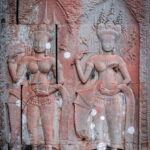
You only get about 1 hour here, so you’ll want to prioritize what you want most: wide views of the complex or close looks at carvings and structure. If you enjoy details, try to arrive ready to slow down for a few minutes rather than treating it like a rushed final stop.
Small-group logistics, comfort, and what you actually pay for
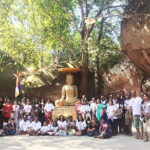
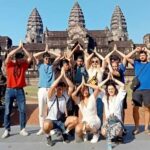
This experience is built as a small group day, with a maximum of 10 travelers. That matters. Fewer people means you can hear the guide better, reposition for photos with less fuss, and keep your day from feeling like a conveyor belt.
It also includes the comfort essentials:
- Air-conditioned vehicle
- English tour guide
- Cold water and a cold towel
Now, the price: it’s listed at $39, which is a budget-friendly way to get a guided circuit rather than taking separate tuk-tuk rides. But you should think of that $39 as paying for the human help and transport—not for the temple admission and not for meals. Angkor Wat tickets and meals are not included, so your total day cost will be higher once you add those items.
In practical terms, this is still strong value if you’re the kind of traveler who likes having a plan and context. If you prefer to wander independently with no early start, this may feel too structured.
Why the guide style matters at these temples
At Angkor, information changes everything. Stonework, symbolism, and layout can be hard to decode on your own—especially when you’re hopping from site to site in one morning and afternoon.
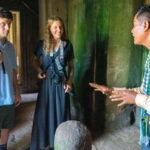
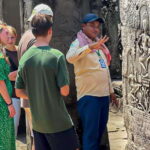
On this tour, you’re going to feel that the guide is trying to make it usable. The feedback highlights guides with real energy and humor, plus strong photo help. Names that come up include Sen, Sam, Vuthy, and Thourn (with drivers like James and Mr Lucky mentioned for keeping everyone comfortable). The common thread: guides who explain what you’re seeing and also actively help you get good shots—especially at Angkor Wat where photo positioning is specifically called out.
If you care about getting the best photos, pay attention to the guide’s directions early. When someone helps you find a location inside Angkor Wat for pictures, you save time and trial-and-error when the light is right.
Timing: how to survive an 8-hour temple day
The tour runs about 8 hours. That sounds manageable until you remember the start time is around 4:30am (with hotel pickup around 4:45am noted). You’ll be awake early, travel between sites, and then spend concentrated time at four major locations.
A smart move is to treat the day like a marathon with breaks, not like you’re trying to see everything at maximum speed. Since you’re not paying for meals through the tour, you’ll probably want to use the guide’s suggestions for lunch and keep your day fueled. The experience overview mentions a local lunch option with tour guide recommendations, even though meals aren’t included in the ticket price.
Also, consider weather. The tour frames sunrise as a time to enjoy temperate weather and calm atmosphere. Still, in real life you’ll want layers (early mornings can feel cooler) and sun protection for later.
Price and tickets: the one cost you must plan for
This tour is good value for the guidance and transportation included. But the biggest cost you can’t ignore is admission.
- Angkor Wat ticket is not included
- Meals are not included
So when you budget, plan on adding temple admission and an actual lunch. If you arrive without tickets sorted, you can lose time. If you don’t want surprise costs, double-check what you’re purchasing for each day pass.
The practical takeaway: this tour is a smart way to structure your Angkor day, as long as you treat the $39 as the guided transport portion and plan your Angkor admissions separately.
Who this tour suits best (and who should skip it)
This is a great match if you:
- want a guided route that hits four big sites in one day
- value photo stops and someone who helps with positioning
- don’t mind early mornings for a calmer sunrise atmosphere
- prefer a small group day over large bus tours
It may be less ideal if you:
- hate very early wake-ups and don’t do well with long temple walking
- want meals included in the price
- want zero structure and zero guide interaction
If you’re traveling with friends who agree on priorities—sunrise first, then a full circuit—this format usually feels efficient and satisfying.
Should you book the Angkor Wat Sunrise Small Group Experience?
I’d book it if you want the early-day payoff and the benefit of a guide. Sunrise at Angkor Wat is the headline, and the tour’s structure makes that sunrise feel peaceful instead of chaotic. The small-group cap and included comfort items (cold water and towel) help the day stay manageable.
I’d hesitate if early mornings feel like a deal-breaker for you, or if you’re trying to keep your budget ultra-tight once you add admission tickets and lunch. In that case, you might prefer a later start or a different tour style.
If you’re on the fence, ask yourself one question: do you want someone to help you understand the temples and point you toward better photo spots? If yes, this is a strong value way to spend your Angkor day.
FAQ
What time is pickup for the Angkor Wat sunrise experience?
Pickup is offered from your hotel at around 4:45am, and the start time is listed as 4:30am.
How many temples does the tour include?
The tour visits four sites: Angkor Wat, Bayon Temple (South Gate of Angkor Thom and central Angkor Thom), Ta Prohm, and Banteay Kdei.
Are temple tickets included?
No. Admission tickets are not included, including the Angkor Wat ticket.
Are meals included?
No. Meals are not included (including breakfast, lunch, and dinner). The tour guide can provide lunch recommendations.
How long does the tour last?
It’s listed as about 8 hours (approx.).
What’s included in the tour price?
Included items are an air-conditioned vehicle, an English tour guide, and cold water & cold towel.
How big is the group?
The tour has a maximum of 10 travelers.
What if I need to cancel?
You can cancel for a full refund if you cancel at least 24 hours before the experience’s start time.