Three days of ancient lights. This Siem Reap temple and waterfall tour is interesting because it strings together the big-name Angkor hits with the quieter, scenic stops like Phnom Kulen and Tonlé Sap, all with set early starts. I like the private, door-to-door transfers that remove the hassle of getting around, and I like how the schedule builds in a classic sunrise and a sunset moment. The one drawback to plan for is that entry fees and lunch are not included, and you’ll still need the temple tickets.
I also like that you get a real guide, not just a driver. In the past groups I’ve read about, guides like Boy, Young, and Makara were praised for professionalism, local context, and even helping with photos, which matters when you’re trying to understand what you’re seeing. Still, the early mornings and a lot of temple steps mean you’ll want to keep your energy realistic.
If you’re coming from outside Siem Reap, or you just hate guessing buses, this format makes sense: one car, one plan, and you spend your time looking up instead of checking maps.
In This Review
- Key Highlights That Make This Tour Worth Your Time
- How the 3-Day Route Works Around Siem Reap
- Day 1: Angkor Thom South Gate, Bayon Faces, and a Phnom Bakheng or Pre Rup Sunset
- Day 2: Phnom Kulen Waterfall, the River of 1000 Lingas, and Banteay Srei
- Day 3: 5:00 a.m. Angkor Wat Sunrise, Ta Prohm, Preah Khan, and Pre Rup
- Your Guide Makes the Difference: Boy, Young, and Makara
- Price and Logistics: What $171.50 Covers (and What It Doesn’t)
- Comfort and Practical Tips for Hot Temple Days
- Who This Tour Suits Best (and Who Should Think Twice)
- Should You Book This 3-Day Siem Reap Temple and Waterfall Tour?
- FAQ
- What time does the tour start in the mornings?
- Is pickup and drop-off included?
- Is transportation included, and is it air-conditioned?
- Are temple entry fees included in the price?
- Are meals included?
- Is this a private tour?
- What should I wear for temple visits?
- Can I cancel for a full refund?
- Do I get a ticket on my phone?
Key Highlights That Make This Tour Worth Your Time
- Angkor Wat sunrise timing at a 5:00 a.m. start gives you a head start on the day.
- Angkor Thom focus on Bayon, Baphoun, and Pimeanakas keeps Day 1 tightly connected.
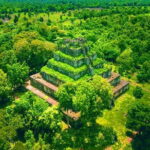
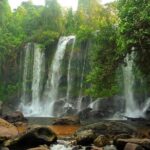
- Phnom Kulen adds a non-temple angle with waterfall views, the River of 1000 Lingas, and a reclining Buddha.
- Banteay Srei is worth the detour for its small-scale pink sandstone style.
- Tonlé Sap floating village visit adds life on the water after temple-heavy days.
- Guides get praised for the personal touch (Boy, Young, Makara) and for good photo timing.
How the 3-Day Route Works Around Siem Reap
This is built as a practical loop around the Angkor World Heritage area, with one day that leans into nature and one that adds a lakeside cultural stop. The main value is simple: without public transport that’s easy to use between sites, a tour gives you reliable access to far-flung temples and viewpoints.
You’ll start each day in the morning with hotel pickup in Siem Reap (Day 1 and Day 2 start at 8:00 a.m., while Day 3 is 5:00 a.m. for sunrise). You move by A/C car/van/minibus, and you get cool water and cool towels—small stuff that becomes big stuff when it’s hot and you’re walking in temple courtyards.
The tour is private, so only your group goes. That usually means you can keep a steady pace without waiting for unrelated people, and it makes sense if you’re traveling as a couple, a small family, or a group of friends.
You can also read our reviews of more tours and experiences in Siem Reap
Day 1: Angkor Thom South Gate, Bayon Faces, and a Phnom Bakheng or Pre Rup Sunset
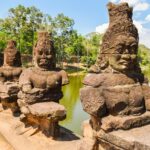
Day 1 is where you get oriented and then hit the heart of Angkor Thom. The schedule begins at 8:00 a.m. with the South Gate of Angkor Thom, then it moves into the city walls with three key stops inside the complex.
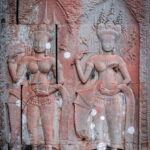
First up is Prasat Bayon, the late-12th-century Buddhist state temple known for its hundreds of smiling faces. Even if you’ve seen pictures before, it’s the combination of scale and detail that lands. The carved reliefs also point toward real historical conflict—there’s mention of war history connected to the Champa Kingdom—so the temple isn’t just decorative; it’s a record of its era.
Next you’ll pass by Prasat Baphoun, the pyramid-shaped temple linked to a rainbow bridge (a feature that helps you orient visually as you move). Then comes Prasat Pimeanakas near the Royal swimming pool, which gives you a sense of the royal layout and how the city functioned around its sacred centers.
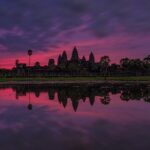
After lunch and a rest break at Angkor Park, you shift to the afternoon’s big finish: Angkor Wat. The day’s structure is smart—temples in the morning when the light is less harsh, then a classic end to watch the sky change. Sunset is planned from Phnom Bakheng or Pre Rup (the exact viewpoint may depend on timing and conditions), both of which are famous ways to end a day in Angkor.
Practical note: sunset viewpoints can be crowded in peak seasons. This tour’s value isn’t that it guarantees emptiness, but that it keeps your timing organized so you spend less time waiting and more time enjoying.
Day 2: Phnom Kulen Waterfall, the River of 1000 Lingas, and Banteay Srei
Day 2 starts again at 8:00 a.m., but it feels like a different kind of day. Instead of staying inside the Angkor temple circuit, you go to Phnom Kulen, a natural site tied to the origins of the Khmer empire.
On the way there, the route includes views of Khmer people going about daily life and roadside scenery. That little “on the road” section matters because it reminds you that this isn’t just a museum town; it’s a living region.
Once you arrive at Phnom Kulen, the itinerary highlights the big spiritual and physical anchors:
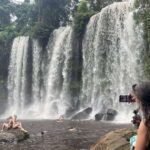
- Waterfall views
- River of 1000 Lingas
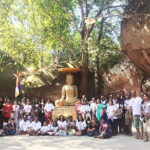
- A large reclining Buddha image
You also get context that Phnom Kulen served as the first main shrine and city where the Khmer empire began. Even if your knowledge is basic, that explanation helps connect why these sites got chosen in the first place.
After lunch and time to relax, the tour shifts to a temple stop that looks different from the standard Angkor giants: Prasat Banteay Srei. This one is famous for its pink sandstone and the dense details that make it feel like “jewelry of Khmer arts.” It’s also smaller in scale, which is a nice change of pace after long temple days.
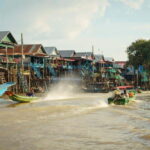
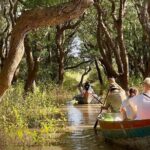
Then the day ends with something you don’t want to skip if you care about local culture: Tonlé Sap, including the floating village and floating market. This is the part that makes your 3 days feel balanced, because you go from stone carvings and carved history to how people live and trade on the water.
If you’re thinking about photos, Tonlé Sap can be a strong moment—just remember it’s a living place, so be respectful in how close you get.
Day 3: 5:00 a.m. Angkor Wat Sunrise, Ta Prohm, Preah Khan, and Pre Rup
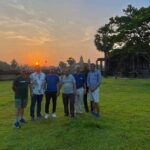
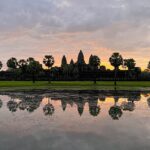
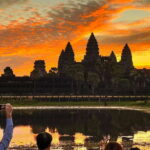
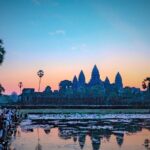
Day 3 is the most demanding day on paper, and the most rewarding if you like early mornings. You’re picked up at 5:00 a.m. from your Siem Reap hotel to catch sunrise at Angkor Wat.
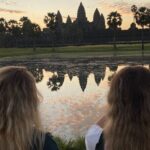
The sunrise segment is the classic “big wow,” but the real value is the timing. Starting before peak crowds means you have a chance to enjoy the architecture without spending your time pushing through shoulder-to-shoulder lines. After sunrise, you head to a local restaurant for breakfast, which is useful because it keeps you fueled before more walking.
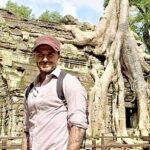
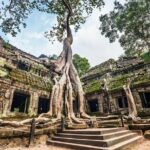
Then you move to Ta Prohm, the temple often associated with the Tomb Raider film set. You’ll visit before large crowds arrive, which is one of the best ways to see the famous tree roots and broken masonry without fighting for position.
From there, the day flows through multiple temple zones that link together nicely:
- Prasat Preah Khan (described as a major ancestor temple honoring the king’s father)
- Prasat Neak Poan (centered on a holy pool within a reservoir)
- Prasat Ta Som (on the bank of the water reservoir)
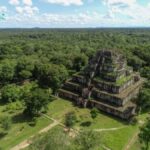
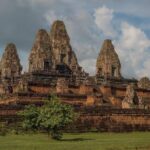
- Finally Prasat Pre Rup (a royal state temple from the 10th century and noted as a large brick sanctuary still standing for centuries)
This sequence matters because it’s not just “see temple, take photo, repeat.” It’s a progression that shows how Angkor sites connect through water features, reservoirs, and ritual layouts. You end Day 3 with Pre Rup, which also works well because by the time you get there, you’ve built up a mental map of the area.
Tip: if you’re even slightly sensitive to heat, plan to take breaks when offered. The tour includes water and towels, but your body still decides how fast you can move.
Your Guide Makes the Difference: Boy, Young, and Makara
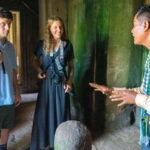
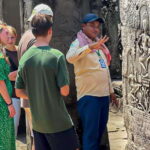
A big chunk of the tour’s satisfaction comes from the human side. In the feedback shared with this itinerary, guides show up by name—and that usually means the experience can feel personal rather than scripted.
- Boy is mentioned as both knowledgeable and fun, with a driver named Chantha also receiving credit for making the ride smooth. That combo matters because early starts and long days get easier when the car time feels calm.
- Young is described as professional and kind, with a playful streak that kept the trip enjoyable. One group included a 4-year-old, and the guidance emphasized a VIP-style feel—treated like family—which is a strong signal for travelers who want their needs handled instead of steamrolled by a cookie-cutter group pace.
- Makara gets praised for being professional and also for photography help. If you care about pictures that look natural (not just awkwardly posed), that kind of guidance can save time and frustration.
Even if you don’t name your guide before you arrive, you can ask early questions: what should you notice first at Bayon, or how do you best photograph the face towers without ruining your angle? A good guide turns “I saw temples” into “I actually understood what I saw.”
Price and Logistics: What $171.50 Covers (and What It Doesn’t)
The price listed is $171.50 per person, and it’s built around transport and guiding—pickup/drop-off in Siem Reap, an A/C vehicle, cool water and towels, plus a private experience. That’s the key value: you’re paying for time saved and route coordination, not just for the right to stand in front of famous stones.
The big thing to keep in mind is exclusions:
- Entry fees and tickets are not included
- Lunch is not included
- Personal expenses aren’t included
You also need a temple ticket, listed at $37 per person for a single day. Since this tour spans multiple days of temple sites, you should budget accordingly. Without assuming exact ticket rules, the safe plan is: expect to pay day tickets for the days you enter the temple zones.
So is the tour worth it?
- If you try to DIY without transport, you’ll burn time arranging rides and juggling timing for sunrise and sunset.
- If you hire a guide without a coordinated route, you still might get hit with gaps or extra travel between sites.
- This itinerary’s structure—morning temple blocks, breaks, and the sunrise plan—helps you get a lot of sight time in three days without feeling like you’re constantly negotiating.
Booked on average about 15 days in advance, it also suggests this is a popular planning window. If you’re traveling in high season, booking early can help you lock in the schedule you want.
Comfort and Practical Tips for Hot Temple Days
This tour gives you a few practical comforts that matter in Cambodia heat: A/C vehicle, cool water, and cool towels. That doesn’t replace good sun habits, but it does make the travel between stops more tolerable.
Dress code is also strict enough to plan for. For temple visits:
- Wear clothing that covers shoulders and keeps shorts at least to the knee
- Tank tops aren’t allowed
- You’re advised that scarves or shawls aren’t part of the solution here
- Light cotton clothes are recommended because it’s hot and humid
Timing-wise, you’ll be out early twice (8:00 a.m. on two days, 5:00 a.m. on sunrise day). Pack like you’ll be doing real walking: comfortable shoes, a hat, and something for sun protection. The tour provides water, but you’ll still want your own routine.
And yes, bring patience for crowd patterns. Sunrise is your crowd advantage, and Ta Prohm is planned before bigger arrival times. That’s a real benefit of having a route.
Who This Tour Suits Best (and Who Should Think Twice)
This tour is a strong match if you:
- Want private, door-to-door transport without public transport hassles
- Care about seeing both classic Angkor landmarks and less-visited add-ons like Phnom Kulen and Tonlé Sap
- Like structured timing, especially for sunrise and sunset
- Travel with a group size that benefits from a single vehicle and a single plan
It may be less ideal if you:
- Want lots of free time to wander on your own with no schedule
- Have very limited mobility, because three days of temple walking and early mornings can be tiring
- Don’t want to deal with ticket and lunch costs on top of the base tour price
For families, this itinerary can work when you’re okay with early starts and you’re traveling together as one unit. For anyone who dislikes long drives, you can still find peace in the fact that the transport is organized and air-conditioned.
Should You Book This 3-Day Siem Reap Temple and Waterfall Tour?
If you want a smart, efficient way to cover Angkor plus Phnom Kulen and Tonlé Sap in just three days, I’d say it’s a solid booking. The combination of early timing, private guide attention, and the way the itinerary balances temple giants with nature and local water life is the reason this tour earns repeat interest.
Book it if you’re ready for early mornings and you want guidance that helps you understand what you’re seeing. If you’re trying to squeeze every cent and you’re confident DIY logistics will be easy, then maybe you’ll prefer to plan on your own. But for most travelers, this is a convenient way to get the best angles and the right order without the stress.
FAQ
What time does the tour start in the mornings?
The tour starts at 8:00 a.m. for Day 1 and Day 2. Day 3 starts earlier at 5:00 a.m. for the Angkor Wat sunrise, with pickup from your hotel in Siem Reap.
Is pickup and drop-off included?
Yes. Pickup and drop-off in Siem Reap are included.
Is transportation included, and is it air-conditioned?
Yes. The tour includes a car, van, or minibus with A/C.
Are temple entry fees included in the price?
No. Entry fees and tickets are not included. A temple ticket is required and is listed as $37 per person for a single day.
Are meals included?
Lunch is not included. The sunrise day includes breakfast at a local restaurant, but lunch is something you’ll need to budget for separately.
Is this a private tour?
Yes. It’s private, so only your group participates.
What should I wear for temple visits?
You should dress properly for temples: shorts and T-shirts should be long enough to be knee length and shoulder covered. Tank tops are not allowed. Light cotton clothing is recommended for hot and humid weather.
Can I cancel for a full refund?
Yes, you can cancel for free up to 24 hours in advance of the experience’s start time for a full refund.
Do I get a ticket on my phone?
The tour features include a mobile ticket, so you can expect ticket delivery in that format.