REVIEW · SIEM REAP
Siem Reap: Kompong Khleang Floating Village Guided Tour
Book on GetYourGuide →Operated by Angkor One Daily Tour · Bookable on GetYourGuide
Kompong Kleang changes with the water level. One big reason this guided trip works so well is the mix of Tonle Sap village life with a real look at how families farm and fish. I also like that a friendly local guide (including guides like Dara, known for clear explanations and a good sense of humor) helps you connect the sights to daily routines.
The main thing to keep in mind is cost adds up a bit. You’ll pay the tour price per group, but there’s also an entrance ticket of $20 per adult for entry and the private boat part, plus you’ll need to cover your own food and drinks.
In This Review
- Key takeaways before you go
- A Seasonal Look at Tonle Sap’s Stilt Worlds
- The Drive Out: Rice Fields, Villages, and Real-World Stops
- Kompong Kleang on Stilts: What You’ll Actually See
- A small drawback to plan around
- Boat Time on Tonle Sap: Schools, Pagodas, and Floating Homes
- Private-Group Comfort, Pickup Options, and Real Value
- So is it worth the money?
- When to Go and What to Bring (plus what not to do)
- Who This Tour Fits Best (and who should skip it)
- The Guide Makes It Feel Like a Story: Dara and the Human Touch
- Should You Book Kompong Khleang Floating Village?
- FAQ
- How long is the Kompong Khleang floating village guided tour?
- How much does it cost, and is there an extra fee?
- What’s included in the tour price?
- Where are pickup and drop-off locations?
- Do I need to pay the entrance ticket separately?
- What should I bring for the day trip?
- Is the tour suitable for young children or seniors?
- What’s the cancellation policy?
Key takeaways before you go
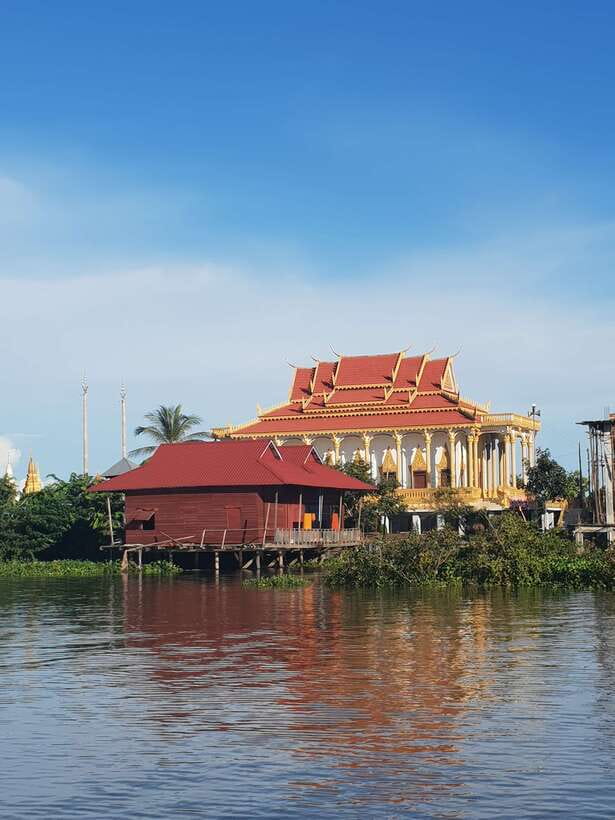
- A seasonal “floating” village: the view shifts dramatically between wet and dry seasons
- One of the largest stilt villages on Tonle Sap Lake
- Local market + daily life focus, not just photos and quick stops
- Boat time on the lake to spot floating homes, schools, and pagodas
- Private-group feel for up to 3 people with English local guidance
- Bring cash and sun protection, because this is outdoors for most of the day
A Seasonal Look at Tonle Sap’s Stilt Worlds
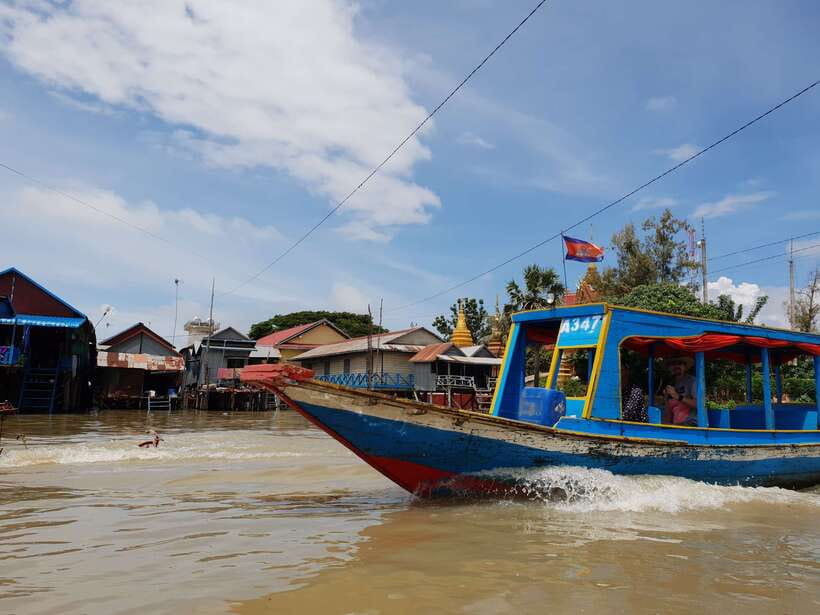
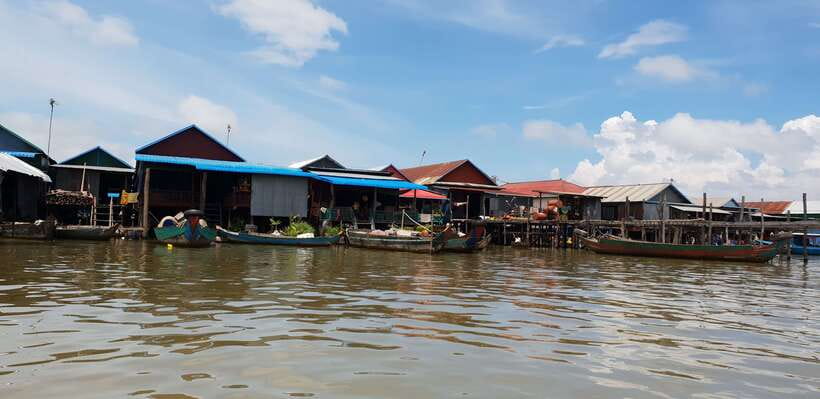
Tonle Sap is not the same lake year-round, and Kompong Kleang is the best place to feel that change. When the water rises in the wet season, homes and village life look like they’re hovering. When the water drops, you see the stilts clearly and the village feels more “built on land” than “living on water.”
That seasonal shift is more than a cool photo trick. It changes everything you notice—how high you see the houses, how the waterways feel, and what daily work looks like when water levels move food and fishing patterns. If you care about context, this tour gives you a quick education without turning it into a lecture.
You can also read our reviews of more guided tours in Siem Reap


The Drive Out: Rice Fields, Villages, and Real-World Stops
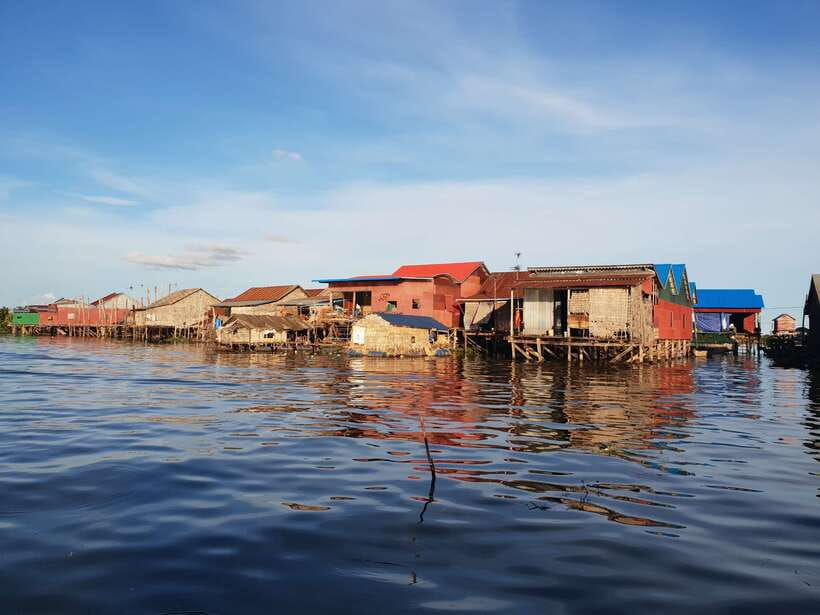
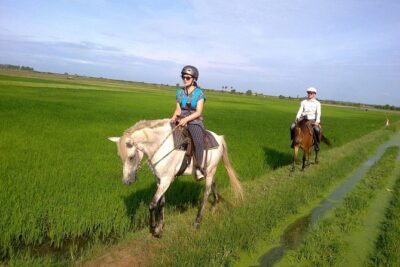
The day starts with a drive out from Siem Reap, and it’s not just dead time in a car. You’ll pass through countryside scenes like rice fields and local roads, and you’ll have moments to see how life looks outside the Angkor zone.
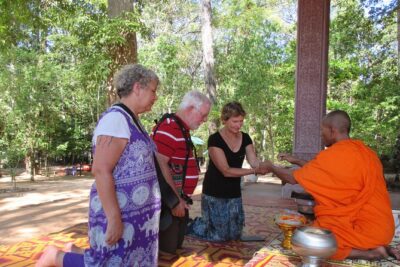
Along the way, the route typically includes small stops that connect to what you’ll see later. In one well-rated experience, the group made stops to learn how fish from the lake are prepared and to taste sticky rice. Even if your stops differ, the pattern is the same: you’re getting the “why” behind the food and the work before you step into the village.
This is one of those day trips where you feel like you’re leaving the tourist bubble for a few hours, without the stress of organizing anything yourself.
Kompong Kleang on Stilts: What You’ll Actually See
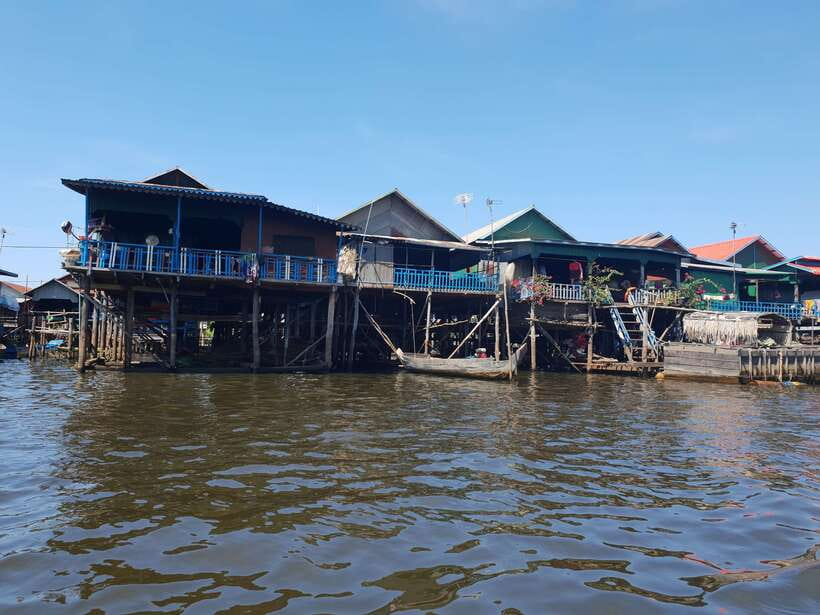
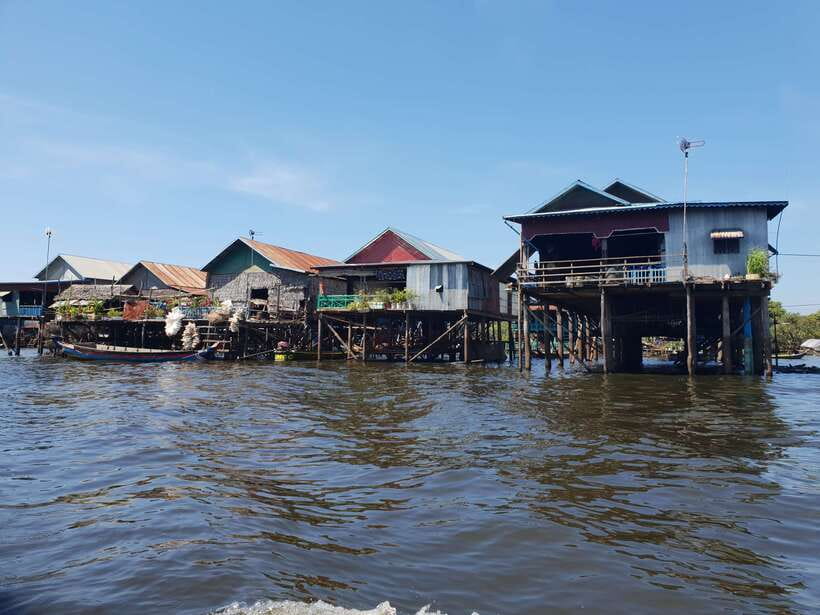
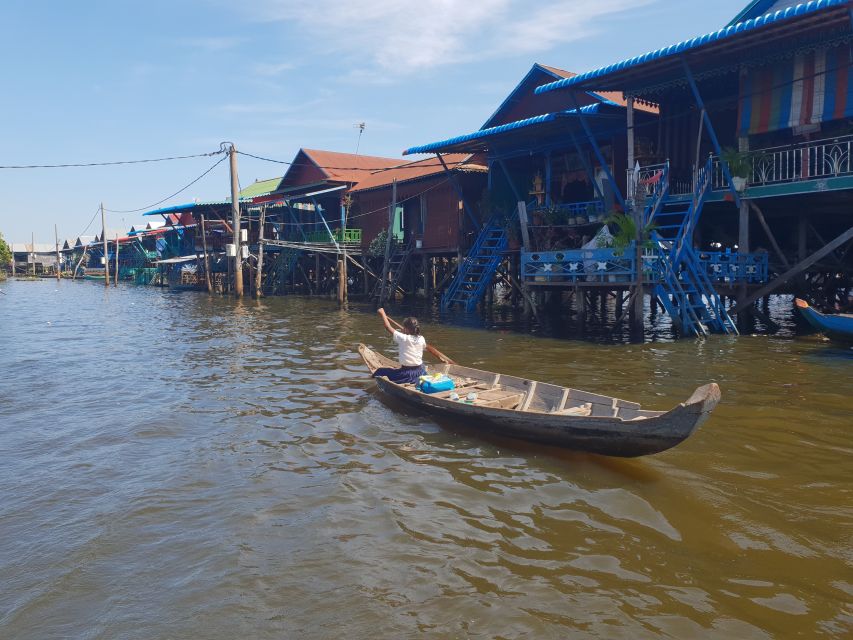
Kompong Kleang is a stilted community for thousands of families, and the tour focuses on how fishermen and farmers live with Tonle Sap as their “schedule.” What stands out first is the sheer density of homes and the way the village forms a network of pathways and water access. Even if you’ve seen floating villages before, Kompong Khleang’s scale and structure make it feel different.
You’ll spend time learning about day-to-day routines tied to water. That usually means understanding how people fish, how farming fits into the seasonal changes, and how families manage transport and supplies when the lake level rises and falls. The guide’s job here is important—without explanations, it can become “buildings on stilts.” With explanations, you start seeing systems.
There’s also typically a local market component. It’s a simple thing, but it adds depth because it shows the village as a living economy, not just a scenic backdrop.
A small drawback to plan around
Because this is an outdoor village visit, you’ll want to be ready for heat and sun. Wear comfortable clothes and expect you’ll spend time standing and walking in uneven areas around the community.
Boat Time on Tonle Sap: Schools, Pagodas, and Floating Homes
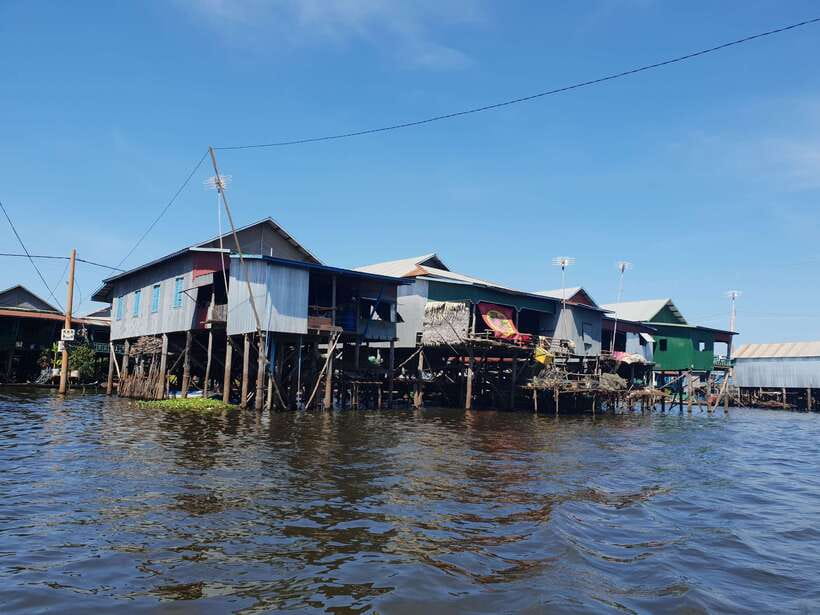
Boat rides are the heart of Tonle Sap, and this tour includes time on the lake. From the water, you’ll get a different angle on how the stilt village fits into the broader ecosystem—where homes sit, how waterways connect, and what seasonal changes do to the “floating” effect.
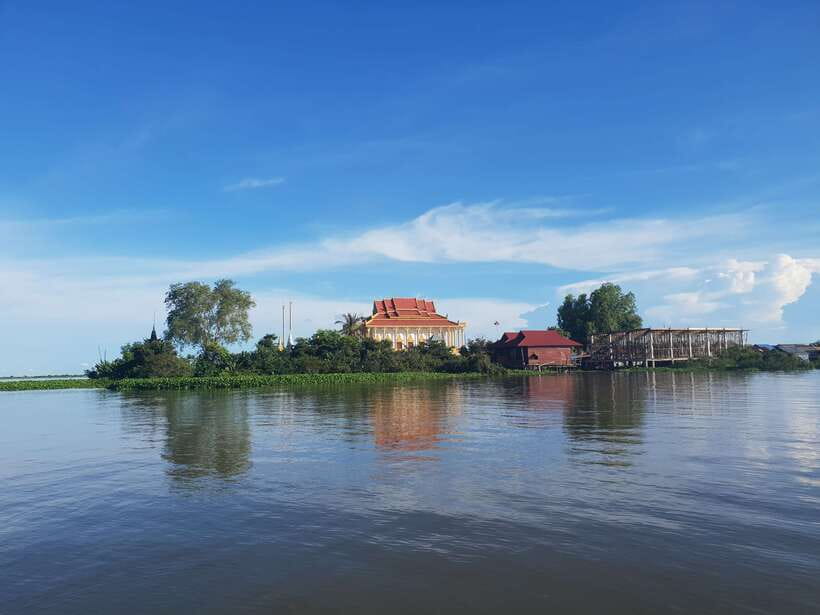
On the boat, you can look out for floating schools, pagodas, and houses. These are the landmarks people remember because they make the lake feel like a full neighborhood instead of a remote water body. It also helps you understand why Tonle Sap communities are so adapted to the rhythm of the seasons.
One practical note: the tour includes the lake boat experience, but you’ll still pay the $20 per adult entrance ticket that covers entry and the private boat exploring part. So yes, you should budget for that extra line item even if the tour itself is priced clearly.



Private-Group Comfort, Pickup Options, and Real Value
This trip is priced for a small group—up to 3 people for $100 per group—and that matters for value. If you’re traveling as a pair (or a trio), your per-person cost can be much easier to swallow than a per-person tour that’s priced higher from the start.
You also get air-conditioned transportation plus an English-speaking local guide and mineral water. That combo is especially useful in Cambodia’s warm daytime conditions, because you’re not planning your own logistics and you’re not waiting around in the sun.
Pickup is flexible, with several hotel-area options around Siem Reap. You’re also told to wait in the lobby about 10 minutes before pickup, and the drop-off returns to the city area near where you started. For a 6-hour day, that efficient handoff keeps your energy for the village and boat.
So is it worth the money?
Here’s the honest math: the base is $100 per group, then add $20 per adult for entry and private boat exploring, plus food and drinks on your own. If you’re paying that $20 anyway at other sites, the village experience becomes the main “product” you’re buying, and it’s strong—because you’re seeing one of the larger stilt communities with a guided understanding, not just cruising for views.
When to Go and What to Bring (plus what not to do)
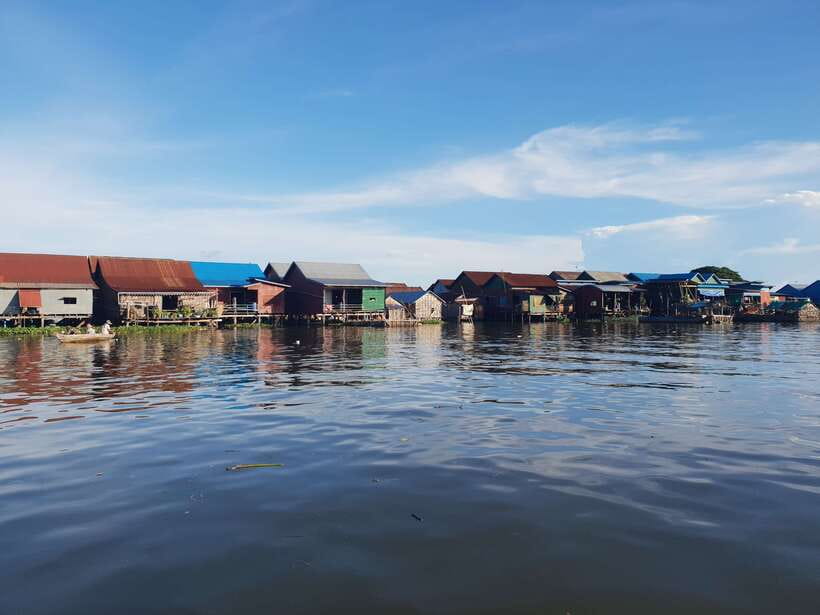
If you want the full floating effect, time it with the wet season. The village looks dramatically different depending on water levels, and the wet season is when houses appear to be floating. One guide-style tip you’ll hear from people who’ve done this before: aim for May through December if your calendar allows, since that tends to align with higher water and a better visual result.
No matter when you go, plan for sun. Bring sunglasses, a hat, and sunscreen, plus a camera if you want to capture the stilt structures from both land and boat angles. Comfortable clothes matter too, because you’ll be moving around outdoors.
You should also bring cash, since the entrance ticket and other extras require payment on-site.
And yes, there are rules. Baby carriages aren’t allowed, explosive substances aren’t allowed, and you can’t ride animals. If you’re traveling with kids, keep in mind that a child should be accompanied by an adult.
Who This Tour Fits Best (and who should skip it)
This is built for most ages, but it’s not a universal fit. The tour accommodates all ages in general, yet it’s explicitly not suitable for:
- children under 3
- people with back problems
- people with mobility impairments
- wheelchair users
- people over 80
If you fall into those categories, you’ll likely struggle with walking surfaces and boat transfers around a stilt village.
If you’re healthy and steady on your feet, this tour is a great match for you if you like:
- cultural experiences tied to daily work
- nature-linked communities (water level changes, fishing, farming)
- scenery that looks different from multiple angles (drive, village walk, boat ride)
The Guide Makes It Feel Like a Story: Dara and the Human Touch
A floating village can turn into a photo stop if you don’t have context. The best thing about this experience is that your local guide turns the sights into a simple story you can follow.
Dara, in particular, has been praised for being very friendly, very interesting, and able to explain what you’re seeing in a way that makes you laugh too. Another helpful note: one experience included both a guide and a supportive driver/partner (Chhat is named in one account), which can make the day feel smoother because questions get answered quickly.
Even when the timing or season affects the “floating” look, a strong guide keeps the tour meaningful by focusing on how people live with Tonle Sap day to day—fishing, farming, market routines, and how families respond when water changes.
Should You Book Kompong Khleang Floating Village?
Book this tour if you want a serious, guided look at village life on Tonle Sap that goes beyond quick viewpoints. The seasonal change is the headline, but what really seals the deal is the local-market and daily-life focus, plus the boat ride that gives you a layered perspective.
Skip it or rethink it if you need wheelchair-friendly access or you have back or mobility limitations. Also, if you’re going during a period with lower water, you might not get the same dramatic floating look—but you can still learn how stilt village life works.
If you’re traveling as a couple or small group, the pricing can feel fair because the tour price is set per group up to 3, not per person from the start. Just budget for the $20 adult entrance ticket and plan your own food stop.
FAQ
How long is the Kompong Khleang floating village guided tour?
It lasts 6 hours.
How much does it cost, and is there an extra fee?
The tour price is $100 per group up to 3 people. In addition, there is an entrance ticket of $20 USD per adult for entry and private boat exploring, and food and drinks are not included.
What’s included in the tour price?
You get an English-speaking local guide, air-conditioned transportation, and mineral water.
Where are pickup and drop-off locations?
Pickup and drop-off are available around Siem Reap at multiple points, including Sok San Road, 7 Makara Street, National Road 6, Bakheng Road, Salakamreuk Rd, and Krong Siem Reap. Drop-off options mirror these areas.
Do I need to pay the entrance ticket separately?
Yes. The $20 USD per adult entrance ticket is not included in the tour price.
What should I bring for the day trip?
Bring sunglasses, a hat, a camera, sunscreen, comfortable clothes, and cash.
Is the tour suitable for young children or seniors?
It’s not suitable for children under 3 and it’s also not recommended for people with back problems, mobility impairments, wheelchair users, or people over 80.
What’s the cancellation policy?
You can cancel up to 24 hours in advance for a full refund.