REVIEW · SIEM REAP
Siem Reap: Cambodian Desserts Cooking Lesson with Tastings
Book on GetYourGuide →Operated by Beyond. Unique Escapes · Bookable on GetYourGuide
Sweet lessons taste better in Siem Reap. This 3-hour class pairs a market-style food start with hands-on Khmer dessert making, and you get to ride there and back by tuk-tuk. I really like how the cooking stays practical, not just showy.
Two things I’m especially into: first, you work with real ingredients like palm sugar, coconut milk, ginger, and lemongrass, so the flavors make sense in your own kitchen later. Second, you get your own cooking setup and step-by-step help from an English-speaking chef and host team, including guides like Sophia and chefs such as Prey or Bri. One consideration: some key ingredients (especially palm sugar) can take a bit of effort to source at home, so the recipe card matters.
You’ll learn to make three Cambodian desserts, then taste what you make, with plenty set aside to take away. The big win here is leaving with skills for Khmer-style sweetness, not just a one-time snack.
In This Review
- Key points worth knowing before you book
- Arrival by tuk-tuk, then straight into dessert mode
- The market start that teaches you what to buy (and why)
- Palm sugar: the Cambodian sweetness lesson you’ll actually use
- Steamed ginger custard: mastering soft set + warm spice
- Palm sugar and coconut bananas: sticky-sweet without being messy
- Sweet coconut pancakes: the comfort-food dessert of the trio
- Tastings during the class, plus take-home sweets
- How the class is taught (and why it feels easy to repeat)
- Price and value: $32 for skills, not just snacks
- Who this Siem Reap dessert class is best for
- The small considerations to plan for
- Should you book Siem Reap Cambodian desserts cooking lesson?
- FAQ
- What desserts will I learn to make?
- How long is the cooking lesson?
- What’s the price per person?
- Does pickup and drop-off include my accommodation in Siem Reap?
- Is the cooking lesson taught in English?
- Are tastings included?
- Do I get anything to take home?
- What are the cancellation rules?
- Is there a payment option to keep plans flexible?
Key points worth knowing before you book
- Market time with food talk: You may start with a local market walk and a first round of snack tasting.
- Palm sugar goes beyond sweet: You’ll learn how it’s connected to the sugar palm tree and why it’s used so often in Cambodian desserts.
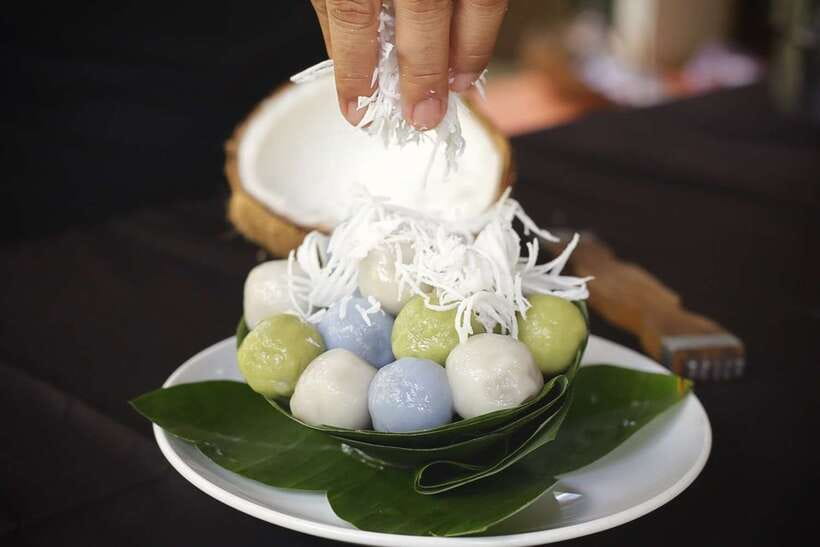
- Three specific Khmer sweets: You’ll make steamed ginger custard, palm sugar and coconut bananas, and sweet coconut pancakes.
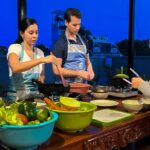
- Your own workstation: You cook at your own station with equipment instead of standing around watching.
- Hands-on tastings and take-home food: You’ll taste during the class, and you may leave with boxed desserts.
- Hotel pickup and drop-off: The tuk-tuk rides make it easy, especially in Siem Reap heat.
Arrival by tuk-tuk, then straight into dessert mode
Siem Reap runs on scooters, tuk-tuks, and walking breaks that keep you from melting. What I like about this class is that the logistics are handled: you’re picked up from your hotel and dropped off afterward, so you’re not budgeting time for transfers or trying to find the venue on your own.
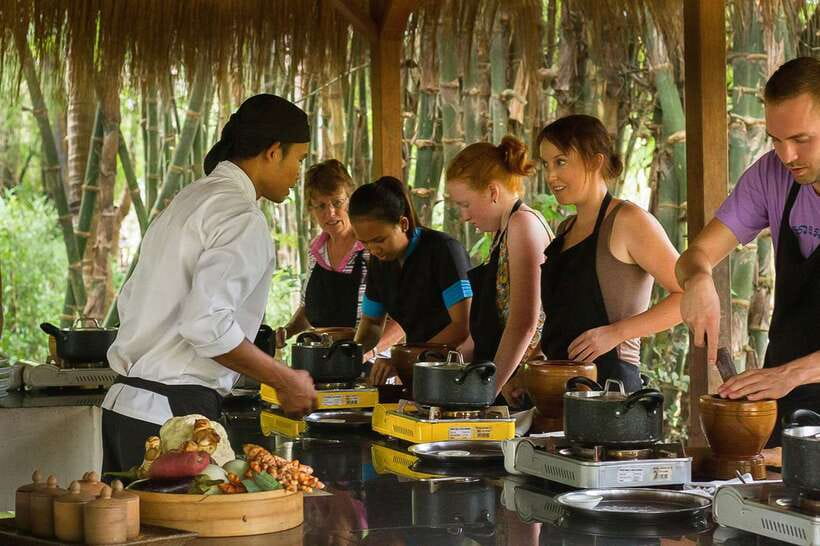
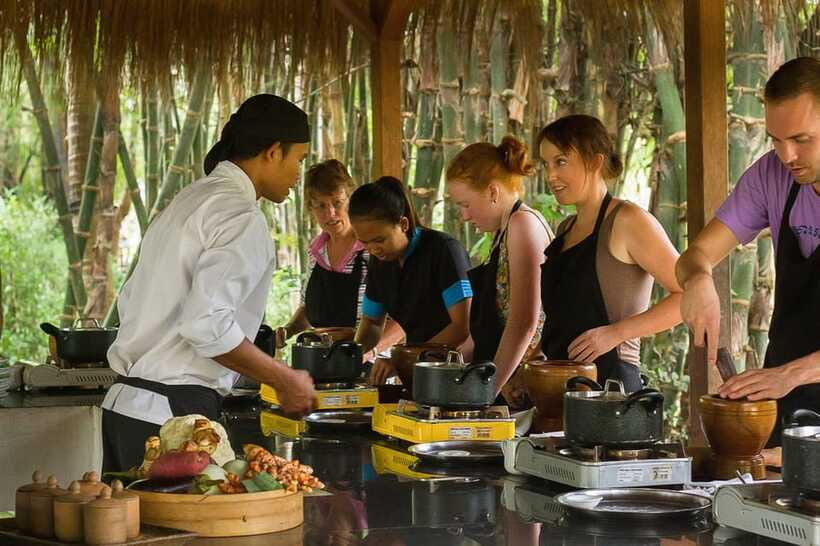
The ride itself is part of the experience. One review described the tuk-tuk trip as a fun part of the day, and it makes the transition from tourist streets to a quieter kitchen area feel natural. When you arrive, you’re not tossed into a demo. You’re placed at a work station with instructions that build as you go.
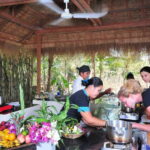
In multiple write-ups, guests also describe the kitchen setting as peaceful and roomy, with the cooking area feeling more like hanging out with friends than cramming into a classroom. If you care about learning in a relaxed, friendly way, this one tends to score well.
You can also read our reviews of more cooking classes in Siem Reap

The market start that teaches you what to buy (and why)
Some versions of this experience include a local market stop before you start cooking. Guests have mentioned walking through the market with a host (for example, Sophia) who answers questions and helps with smart purchasing advice. You may also get a first snack while you’re there.
Even if you’re not a market person, this part is useful. Cambodian desserts are ingredient-driven. When you understand the role of palm sugar, coconut milk, ginger, lemongrass, and aromatics, your cooking at home stops being guesswork. You start to think, What does this taste like when it’s fresh? What happens if the sweetness level changes? What does coconut bring besides sweetness?
A market stop also makes the rest of the class easier to follow. By the time you’re mixing batters or preparing syrup, you already have mental pictures for the ingredients. That’s one reason people come away feeling they could repeat the dishes rather than just recreate them once.
Palm sugar: the Cambodian sweetness lesson you’ll actually use
Palm sugar is the star. You don’t just use it; you learn about it. The class includes a focused explanation of palm sugar from the sugar palm tree to the finished product, and why this ingredient shows up across Cambodian desserts.
Here’s the practical value for you: palm sugar isn’t just another sweetener you substitute blindly. It brings its own aroma and depth—often described as warm and caramel-like, but with a character that cane sugar doesn’t replicate. In desserts like palm sugar and coconut bananas, the sweetness has to taste rounded, not harsh. In ginger custard, you want sweetness that supports the spice instead of fighting it.
If you’ve ever tried to copy a dessert recipe and thought the flavors were close but never quite right, this is where the difference usually lives. When you understand what palm sugar does, you can adjust for substitutions later.
Steamed ginger custard: mastering soft set + warm spice
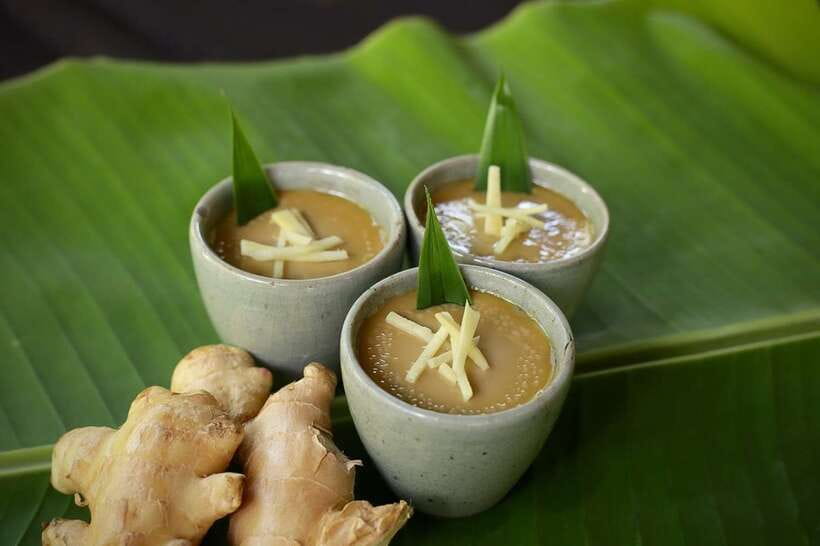
One of the three desserts is steamed ginger custard. This is the one that teaches technique more than brute force. Custard-style sweets depend on gentle heat and careful balancing. If the heat is too intense, you can get a texture that feels off. If the ginger is heavy-handed, you lose that smooth sweet-spice harmony.
What I like about learning this in class is that ginger isn’t treated like a random garnish. It’s an ingredient with a job: it brings freshness and warmth. Steaming also matters because it keeps the texture delicate. This is the kind of dessert you’ll likely enjoy even if you’re not a coconut-only sweet person.
How to think about it when you cook later: aim for sweetness that feels even and ginger that feels lifted, not sharp. When you taste the final dish during the session, you’ll get a clear benchmark for what “right” tastes like. That feedback loop is what makes the recipe card more than paper.
Palm sugar and coconut bananas: sticky-sweet without being messy
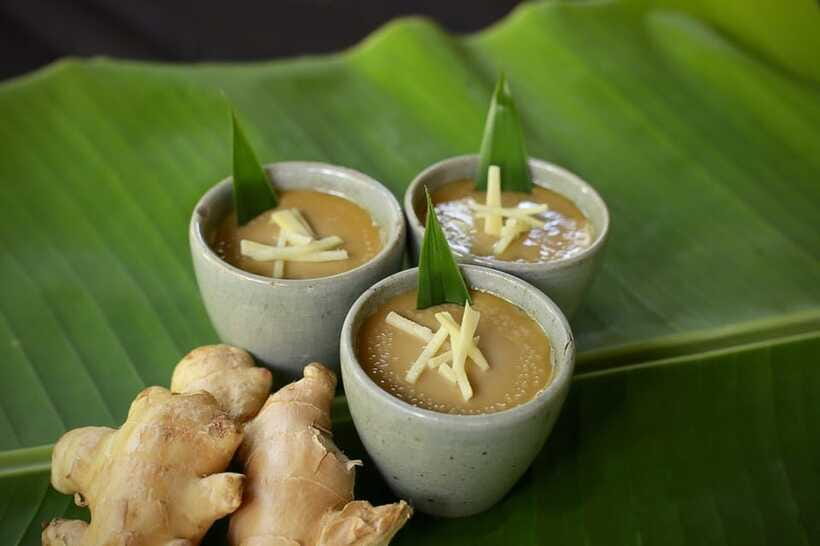
The class also makes palm sugar and coconut bananas, a dessert that sounds simple but rewards attention. The key is the balance between syrupy sweetness and coconut richness. Bananas give soft body, while palm sugar gives aroma and stickiness, and coconut milk helps round everything out.
This is the dessert where ingredient quality shows up fast. Coconut milk should taste creamy, not watery. Palm sugar should taste fragrant, not flat. Ginger and lemongrass show up across the class flavors in different ways, so by the time you reach this dish, your palate is already trained to notice aromatics.
From the way guests describe the experience, you’re not just handed a plate. You’re guided through making it, and you end up with enough to taste and often take away. That matters because you can compare the texture and sweetness in your own pack-at-home version. If you’ve ever tried to recreate a banana dessert and ended up with too-thin syrup, this class-style approach helps you see what “thick enough” looks like.
You can also read our reviews of more tours and experiences in Siem Reap

Sweet coconut pancakes: the comfort-food dessert of the trio
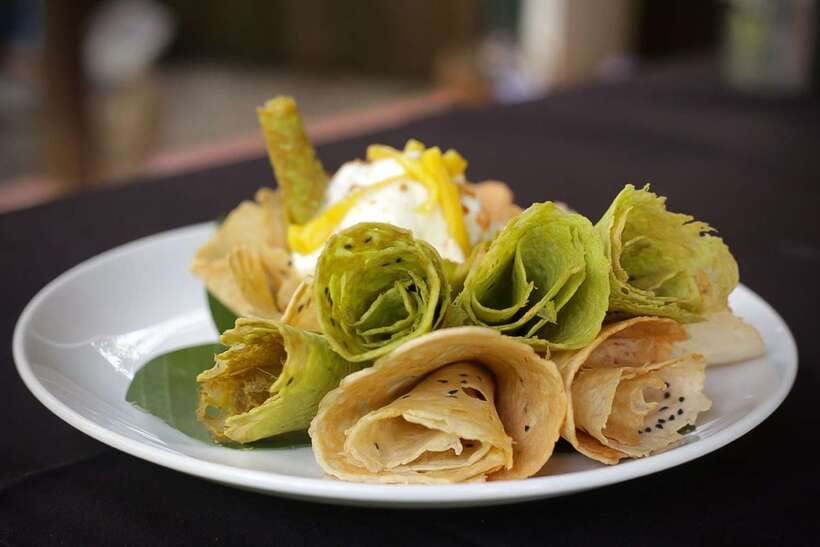
The third sweet is sweet coconut pancakes. Pancakes can be intimidating because the timing and thickness matter, but the class setup makes it manageable. You’re working at your own station with instructions, and the focus stays on getting to repeatable results.
Coconut pancakes are a great learning choice because coconut flavor is obvious. You quickly understand what coconut milk changes in the batter, and how it affects the final bite. The lemongrass element (mentioned as part of the ingredient set for the lesson) also ties the flavors together, so the pancakes don’t taste like plain sweet bread.
What you’ll appreciate at home: pancakes are easier to rehearse and share than some other Khmer sweets. They’re also the easiest “I can cook this again” dish for people who don’t want a complicated process. If you’re traveling with family or friends, this is often the one that feels most broadly loved.
Tastings during the class, plus take-home sweets
Dessert classes can turn into sugar theory. This one stays grounded. You taste what you’re making, and the lesson is paced around tasting and learning.
Guests have specifically said there’s plenty of food, and that some teams boxed up desserts carefully so it was easy to take home. Another mention from a guest was that if they had missed breakfast, the team offered fruit and tea. That kind of attention doesn’t change the cooking technique, but it does change the mood of the class. You feel cared for instead of rushed.
For you, that means the experience is not only about learning. It also becomes a practical win for your hotel snack stash. After Siem Reap days, having a sweet you can finish later is a nice reset.
How the class is taught (and why it feels easy to repeat)
The teaching style matters in cooking. This class seems to keep instructions clear and step-by-step, with English support. Guests have praised staff for being friendly and patient, especially with clear explanations when someone is cooking solo or with siblings.
I think that’s a big reason people walk away confident. In many cooking classes, you leave with a vague memory of what happened. Here, the combination of your station, hands-on guidance, tastings, and a recipe card gives you a real tool for repetition.
Also, the class is organized with a “do it, then taste it” flow. You learn because you can immediately check your result. That reduces the frustrating uncertainty you get from watching a video after the fact.
If you’re the kind of traveler who likes to bring back something you can actually use, this format fits well.
Price and value: $32 for skills, not just snacks
At $32 per person, the headline looks simple. But the value is in what’s included. You’re getting:
- Hotel pickup and drop-off
- A 3-hour cooking lesson
- Tastings
- A recipe card to take home
- A chance to cook with ingredients like palm sugar, coconut milk, ginger, and lemongrass
Cooking classes often charge for the knowledge, but here you’re also getting the practical support to make the sweets. Add tuk-tuk transport inside that total, and it becomes easier to justify than buying ingredients and trying to learn everything from scratch.
Now, for realism: if you’re hoping for a long food festival or a multi-course meal, 3 hours may feel short. But for learning technique and leaving with repeatable recipes, 3 hours is usually enough to build confidence without turning the day into a grind.
Who this Siem Reap dessert class is best for
This experience is a strong pick if you want authentic Khmer sweets and you care about learning the method. It’s also a great match if:
- You like hands-on activities more than museum-style sightseeing.
- You want a practical souvenir: a recipe card plus real cooking habits.
- You’re curious about palm sugar and how it shapes Cambodian flavor.
- You’re traveling with family or siblings and want a shared project.
It can also work for solo travelers. One guest booking noted it was just them, and they still received patient, clear instruction. If you prefer a quieter vibe and personal attention, this style tends to deliver.
The small considerations to plan for
A few things to keep in mind:
- You’re making sweet desserts, so if you’re not a fan of very sugary flavors, choose to enjoy the process and treat it as a tasting class.
- Ingredients like palm sugar may not be easy everywhere. The recipe card helps, but you might still need to hunt for the right sweetener.
- 3 hours moves at a real cooking pace. If you want slow, leisurely cooking with lots of extra variations, this might feel structured.
None of these are dealbreakers. They just help you match expectations to what the class is designed to do.
Should you book Siem Reap Cambodian desserts cooking lesson?
Yes, I’d book it if you want three Khmer desserts you can reproduce and you like learning with real ingredients. The combination of palm sugar instruction, hands-on station cooking, and tasting during the lesson is exactly what turns a cooking class into an actual skill set.
Don’t book it only if you’re expecting a long, sightseeing-heavy food tour or if you know you won’t care about desserts after the class. If sweetness isn’t your thing, you may still enjoy the technique, but the payoff is bigger for people who genuinely like Khmer flavors.
FAQ
What desserts will I learn to make?
You’ll learn three Cambodian desserts: steamed ginger custard, palm sugar and coconut bananas, and sweet coconut pancakes.
How long is the cooking lesson?
The experience lasts 3 hours.
What’s the price per person?
It costs $32 per person.
Does pickup and drop-off include my accommodation in Siem Reap?
Yes. You’re picked up and dropped off directly at your accommodation in Siem Reap.
Is the cooking lesson taught in English?
Yes, the instructor provides the lesson in English.
Are tastings included?
Yes. Tastings are included as part of the class.
Do I get anything to take home?
You’ll get a recipe card to take home, and you’ll also have desserts from the tastings.
What are the cancellation rules?
You can cancel up to 24 hours in advance for a full refund.
Is there a payment option to keep plans flexible?
Yes. You can reserve now and pay later.