REVIEW · SIEM REAP
Explore The Kampong Pluk Floating Village
Book on Viator →Operated by Cambodia Voluntour - Day Tours · Bookable on Viator
Tonle Sap turns water levels into whole neighborhoods. On this Kampong Pluk floating village trip out of Siem Reap, you get a smart look at why families build houses on tall stilts—and how the lake’s seasons change everyday life. I especially liked walking the village paths and seeing local kids up close, and the boat ride along the margins of Tonle Sap made the place feel real, not staged.
One thing to watch: I’d keep some flexibility with timing. On at least one recent run, the guide didn’t meet the scheduled start time and the whole plan shifted about 6 hours later, even with confirmations—so double-check pickup and be ready for Plan B.
In This Review
- Quick hits on Kampong Pluk and Tonle Sap lake life
- Why Tonle Sap’s seasonal swing matters more than the word “floating”
- The half-day shape: morning on Tonle Sap, then land stops in Siem Reap
- Getting to the heart of lake life on Tonle Sap Lake
- Kampong Pluk on foot: stilted streets and real conversations
- Boat ride along the lake margins: what you should pay attention to
- Artisan School and Old Market: how to use the land stops well
- Price and value: what $166 buys (and how to judge if it’s worth it)
- Small group size and comfort: why max 10 matters
- Weather reality: why good conditions affect your plan
- Who this tour suits best (and who might want another option)
- Should you book Kampong Pluk Floating Village with Cambodia Voluntour?
- FAQ
- What time does the Kampong Pluk floating village tour start?
- How long is the tour?
- Is pickup offered?
- Does the tour include an admission ticket?
- Is there a limit on group size?
- Do I get a mobile ticket?
- Can Chong Kneas be included?
- What happens if the weather is poor?
Quick hits on Kampong Pluk and Tonle Sap lake life
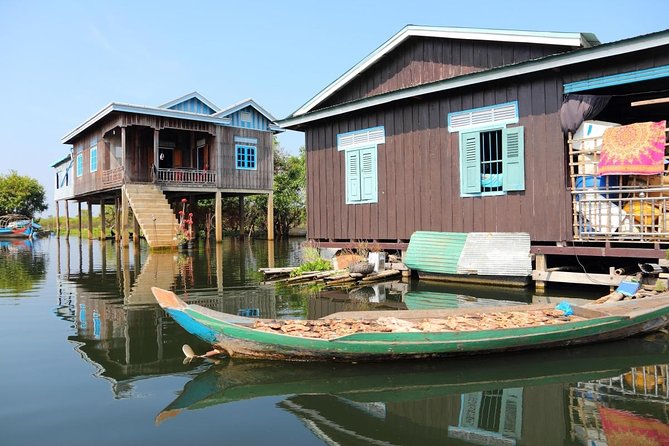
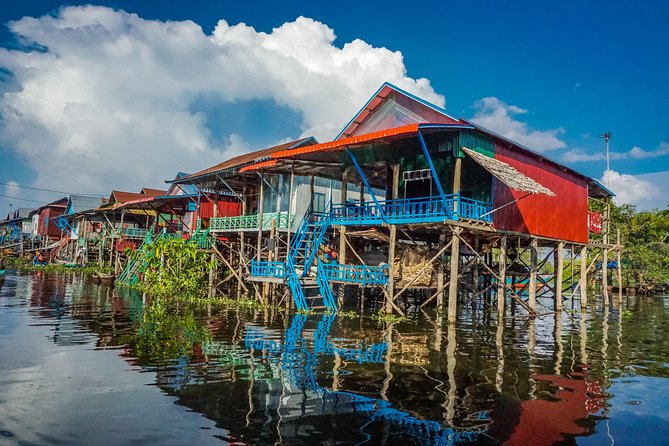
- Stilt houses about 8 meters (around 30ft) high create the floating illusion during rainy season.
- Tonle Sap is described as the world’s richest fresh-water fishing ground, with big seasonal swings.
- Boat time takes you past the margins of the lake and helps you see contemporary lake life.
- You may get beyond the main dock area toward other stilted villages, including Chong Kneas depending on water levels.
- The day isn’t just water: you also visit an Artisan School and get dropped near Old Market for shopping.
Why Tonle Sap’s seasonal swing matters more than the word “floating”
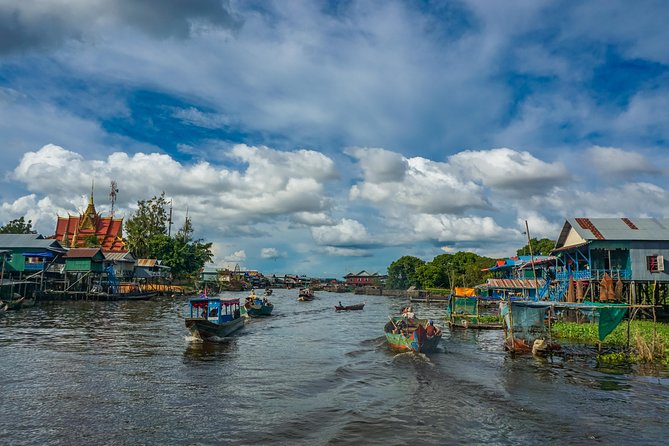
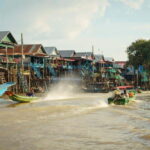
“Kampong Pluk floating village” sounds like one fixed scene. The reality is more interesting: the houses are built on very tall stilts—about 8 meters—so they only look fully floating when the water rises. During the rainy season, the lake covers those supports, and the homes give the illusion of hovering above the water.
That design isn’t random. The village model exists because fishermen and rice farmers need to stay connected during harvest season. When water expands, it changes access to fishing grounds and fields, and homes built on stilts help families cope with those seasonal changes without uprooting every year.
You’ll also hear Tonle Sap described as a major freshwater treasure for Cambodia. In practical terms, that means the lake isn’t just scenery—it’s an economic engine. Fishing communities depend on it, and the ecosystem shapes how people plan their days, not just what they do for fun.
You can also read our reviews of more tours and experiences in Siem Reap.

The half-day shape: morning on Tonle Sap, then land stops in Siem Reap
Your day starts at 8:00am and runs about 5 hours total. The morning block is the big one, with Tonle Sap Lake time scheduled from 8:00am to 12:00pm. That’s when you’ll see the lake’s scale and the stilted community setup up close, plus the boat portion that carries you along the lake’s edges.
After the lake time, the tour folds in two “on return” stops:
- A visit to The Artisan School
- A drop near Old Market in Siem Reap for free shopping, before heading back to your hotel
This sequencing is a good sign if you’re trying to avoid the classic problem of lake tours that feel like a quick photo loop. Here, the morning is built around water-and-life viewing, and the land stops come after, when you’re ready to shift gears.
Getting to the heart of lake life on Tonle Sap Lake
The Tonle Sap portion is more than travel time. You’re there to understand the lake as a working system. It’s often described as the richest fresh-water fishing ground in the world, and you can see why once you start moving through the stilted-village world where fishing families live.
A key moment is when you pause by stilted houses to learn how a subsistence fishing family functions. That pause matters because it turns the stilt-houses from a sight into a story: what families do, how daily routines work around the lake, and why the architecture supports that routine.
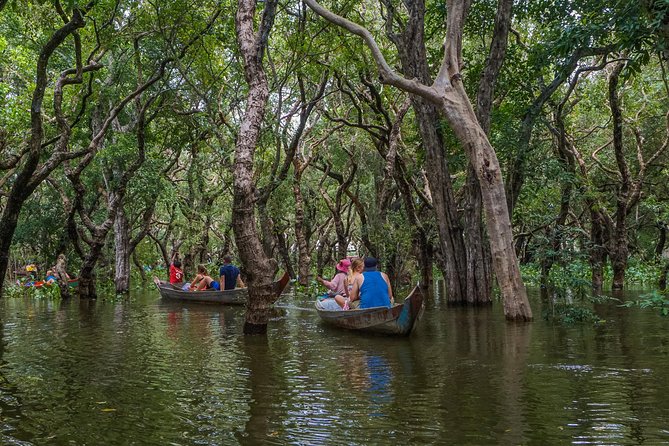
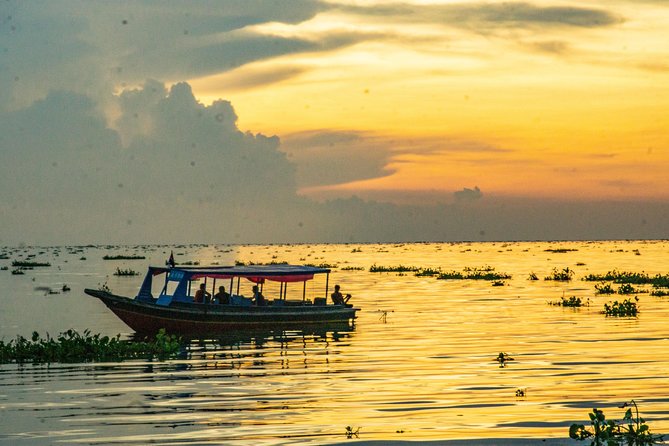
From there, you continue by boat along the margins of Tonle Sap. This is the part that makes the day feel connected. The village may be on stilts, but the real “road” is the water, and the boat ride is your way of seeing that scale—how far the homes sit from where land travel would usually happen.
Kampong Pluk on foot: stilted streets and real conversations
When you walk through Kampong Pluk, you’re not just looking at structures. You’re moving through a place where families actually live around the lake. The stilt height is dramatic—about 8 meters—and it changes the sense of space. Buildings feel taller than you expect, and the village feels like it’s been designed for a place where the rules shift with seasons.
One of the best parts of the experience is the chance to meet local children and see daily village moments. It’s the kind of encounter that makes the tour go beyond architecture. Kids are naturally curious, and when you slow down, you’ll pick up the vibe of everyday life instead of rushing through like it’s only a photo stop.
Practical note: this is a living village, so you’ll want to be respectful with your attention. If you’re the type who likes to ask questions, be gentle and observational first—then speak if the moment feels right.
Boat ride along the lake margins: what you should pay attention to
The boat ride is one of the most loved parts of this trip for a reason. From the water, you get a better sense of how stilt villages relate to the lake’s edges and how communities adapt to changing water levels.
As you go, keep an eye on two things:
1) House height and spacing relative to the waterline
2) How people use the lake around them—fishing activity is the reason the whole system exists
Also, don’t assume you’re only seeing Kampong Pluk itself. The tour information points out that it can be worth taking the extra effort to view more genuine stilted villages rather than sticking only to the most common name-brand dock area. Depending on water levels, Chong Kneas may also come into the mix.
That water-level dependency is important. It means your day may look slightly different from someone else’s, but it also makes the experience more authentic. You’re seeing how the living system changes, not just one fixed set of docks.





Artisan School and Old Market: how to use the land stops well
The day doesn’t end at the lake. On return, you’ll visit The Artisan School, which gives you a different angle on Cambodia beyond the water communities. The point here isn’t to pretend it’s the same topic. It’s more like context: you see how people create livelihoods in different settings.
Then you get dropped near Old Market in Siem Reap for shopping, and it’s listed as free time. This is a smart place to spend your final energy, especially for souvenirs that don’t feel like knockoffs from a tourist corridor.
If shopping is part of your travel style, this drop can help you avoid the “shop on the way out” trap. You have a real window after the longer morning activity, when you’re less likely to feel rushed.
Price and value: what $166 buys (and how to judge if it’s worth it)
At $166 for about 5 hours, this isn’t a budget filler. The value comes from the combination:
- A guided visit focused on Tonle Sap Lake and lake life
- Boat time along the lake margins
- Admission ticket included
- Pickup offered and return back to your hotel
- A small maximum group size of 10 travelers
- Stops that go beyond the lake: Artisan School and a drop near Old Market
So ask yourself: are you paying for the boat, or are you paying for the full guided sequence with meaningful context? If you want a half-day that teaches you what Tonle Sap means economically and ecologically—and then shows you the human side—this price can make sense.
If you only care about a quick photo of stilt houses, you may feel it’s expensive. But if you like understanding how people live and why their environment shaped their design, you’re paying for that framing.
Small group size and comfort: why max 10 matters
This tour caps at 10 travelers, which is a quiet but real quality boost. In small groups, it’s easier to ask questions during pauses at stilted houses and to hear explanations without having to shout over a crowd.
You’re also more likely to get a smoother day flow, especially when the activity involves boat movement and tight coordination between lake time and land stops.
Most importantly, the small cap fits the theme: this isn’t a big “factory tour.” It’s about contact—walking the village, meeting children, learning about the lake, then shifting to artisan and market time.
Weather reality: why good conditions affect your plan
This experience requires good weather. That matters in two ways:
- The boat component is hard to replace if the conditions aren’t right
- The tour provider may reschedule or offer a full refund if weather forces a change
If you’re traveling during a season when rain is common, treat your booking like something you’ll want to confirm close to the day. You don’t need to panic—just don’t plan another time-critical activity immediately afterward. Keeping the rest of your afternoon flexible is a smart move with anything on open water.
Who this tour suits best (and who might want another option)
I’d say this fits best if you:
- Like culture tied to place, not just sightseeing
- Want a clear explanation of why stilt villages exist on Tonle Sap
- Enjoy boat rides and walking through everyday settings
- Prefer smaller groups and human-scale interaction
It might be less ideal if you:
- Hate any chance of schedule shifting (especially with early pickup)
- Want a very fixed route with zero variation (water levels can influence what stilt areas you see)
- Are only after quick photos with no interest in the ecological and economic context
Should you book Kampong Pluk Floating Village with Cambodia Voluntour?
If your travel style is “learn first, then look,” I think this tour is a strong choice. The two highlights—walking the village streets and the boat ride—are exactly what make Kampong Pluk feel alive, not like a set. The added context on Tonle Sap’s role in fishing and farming also makes the day feel purposeful.
Before you book, do two simple things:
1) Confirm your pickup time and keep your morning flexible. Timing can shift.
2) Book with realistic weather expectations since the tour depends on conditions on the lake.
If you can do both, you’ll likely leave with the right kind of memory: one where you understand why the village is built that way, and you can still picture the kids and the water route after the day is over.
FAQ
What time does the Kampong Pluk floating village tour start?
The start time is 8:00am in Siem Reap.
How long is the tour?
The duration is approximately 5 hours.
Is pickup offered?
Yes, pickup is offered.
Does the tour include an admission ticket?
Yes, an admission ticket is included.
Is there a limit on group size?
Yes. The tour has a maximum of 10 travelers.
Do I get a mobile ticket?
Yes, the tour uses a mobile ticket.
Can Chong Kneas be included?
It can be included as part of the stilted-village viewing, depending on water levels.
What happens if the weather is poor?
If the tour is canceled due to poor weather, you’ll be offered a different date or a full refund.