REVIEW · SIEM REAP
Siem Reap: Angkor Wat 2day Big and Small Circuit Guided Tour
Book on GetYourGuide →Operated by Angkor Wat Share Tours · Bookable on GetYourGuide
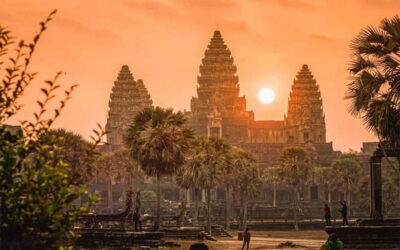
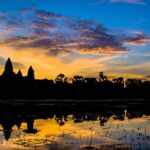
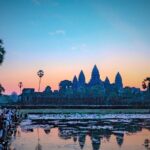
Sunrise at Angkor Wat hits different. This 2-day Angkor circuit mixes big-ticket sights with calmer temple ruins, timed so you see how the stone changes with the light.
I especially like the way the schedule anchors the trip around sunset-to-sunrise views, so you get a real sense of the place instead of rushing through photos.
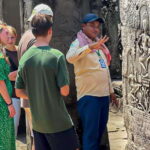
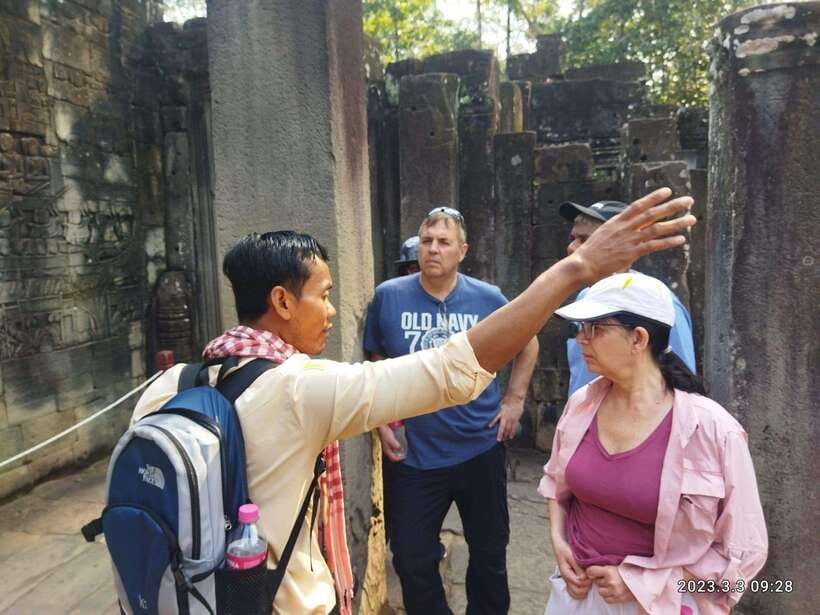
My second big favorite is the guiding. You’ll spend time with an English-speaking guide who connects the dots between Khmer kings, temple design, and what you’re looking at—names like Sayon and Sam get praised for explaining the stories in a lively, clear way. One drawback to plan for: temple entrance fees and food are not included, so you’ll need extra cash and snacks.
In This Review
- Key points worth knowing before you go
- Two days in Siem Reap that are timed for real light
- The sunset loop: Preah Khan, Neak Pean, and the temple-meaning tour
- Angkor Wat at dawn: why the morning timing matters
- South Gate and Bayon: where the big faces meet the details
- Ta Prohm: the jungle temple that teaches you how ruins breathe
- Banteay Kdei and Ta Keo: quieter temples with real structure
- Price and logistics: what $39 buys (and what it doesn’t)
- Practical tips that make this tour feel easy instead of exhausting
- Should you book the Angkor Wat 2-Day Big and Small Circuit?
- FAQ
- How long is the tour?
- Is hotel pickup and drop-off included?
- Are temple entrance fees included in the price?
- Is food included?
- Does the tour include sunrise and sunset?
- What language is the guide?
- What should I bring for the temples?
- Is flash photography allowed?
- Is this tour suitable for kids and people with mobility issues?
Key points worth knowing before you go
- Sunset on day 1, sunrise on day 2 means you’ll see Angkor Wat in two very different moods.
- You get more than the headline temples, with stops like Preah Khan, Banteay Kdei, and Ta Keo that many people skip.
- Your guide adds meaning, explaining Khmer-era purpose and symbolism as you walk.
- Ta Prohm’s movie fame is a shortcut to understanding, since it helps you notice the “nature vs. stone” story.
- Comfort is handled for you, with an AC van, hotel pickup, cool water, and wipe towels during the long hours.
- Stair climbs are part of the deal, including walking up at Ta Keo, so wear shoes you trust.
Two days in Siem Reap that are timed for real light
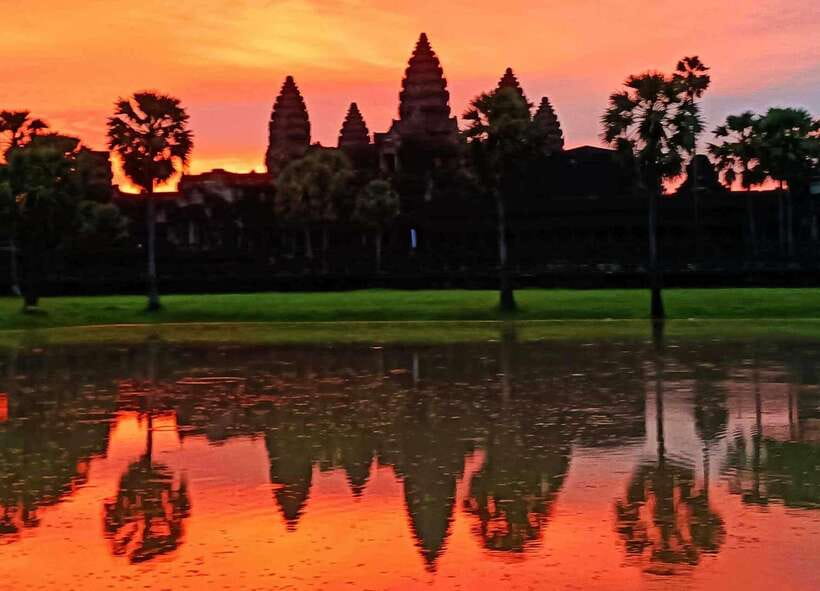
Angkor is famous for being huge, and that can make tours feel like a frantic stamp collection. This one helps because it’s built around two moments that naturally slow your brain down: sunset and sunrise. The temples look different at dusk versus dawn—shadows stretch, colors shift, and details pop in a way midday sunlight can flatten.
Day 2 starts early for a reason. You’ll be walking while it’s cooler, and the morning often feels calmer than later in the day. That matters because you’ll be out for hours, and your enjoyment depends on keeping your energy steady.
The pace is “temples first, life second.” You’ll have rest breaks and water along the way, but meals are on you. If you need a proper sit-down lunch, plan to handle it during the included food breaks rather than expecting the tour to feed you.
You can also read our reviews of more guided tours in Siem Reap
The sunset loop: Preah Khan, Neak Pean, and the temple-meaning tour
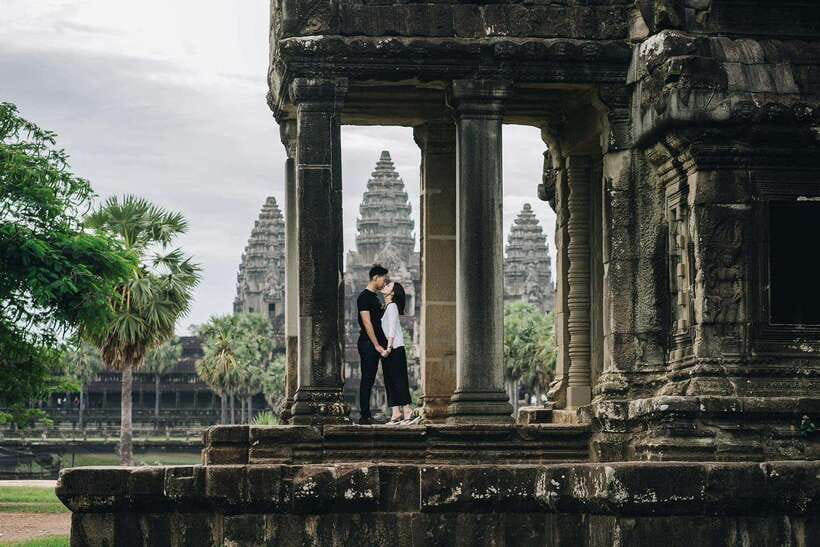
Day 1 is where the tour builds confidence: you start inside the Angkor area and gradually get deeper into the layout of the complex. Instead of only chasing the most photographed structures, you get a loop with temples that feel more human in scale and detail.
You’ll likely hit Preah Khan, described as the biggest temple on this loop. It’s linked to royal family storytelling—built by King Bayon for his father—so it’s a good place to understand how Khmer rulers used temple sites as messages meant to last. Even if you don’t catch every detail, you’ll notice the “place inside a place” feeling that comes from how these complexes were laid out.
Next, keep an eye out for Neak Pean Island and its setting in water. You’ll learn that in Angkor times, the water around the temple was used for bathing and for health, which makes the site feel less like scenery and more like a functioning part of daily life. It’s one of those stops where symbolism and practical use overlap.
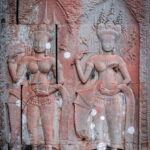
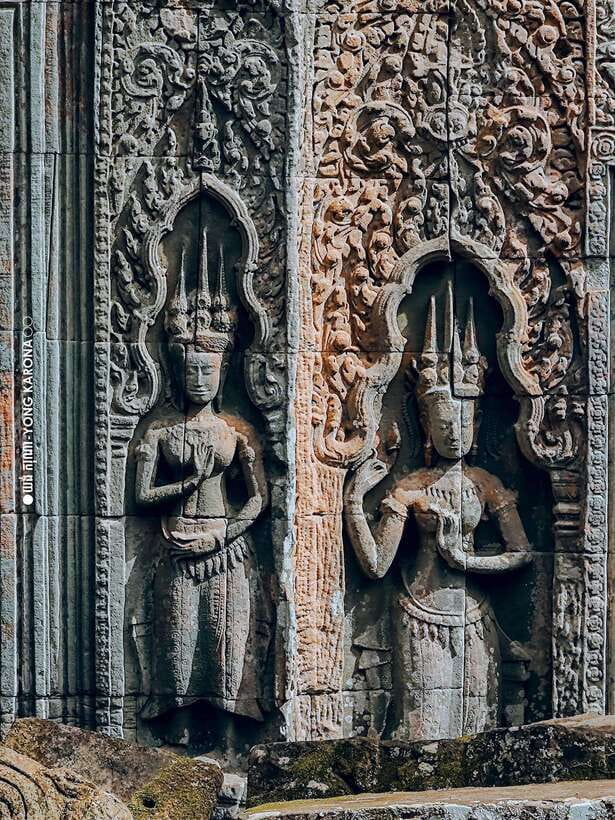
The tour also brings you to Ta Som, a temple known for its standout big tree over the east gate and the sculptures of dancers with long hair. The guide’s context helps here: it was built for the king’s sister, which turns the decorative scenes into something personal rather than random ornament.
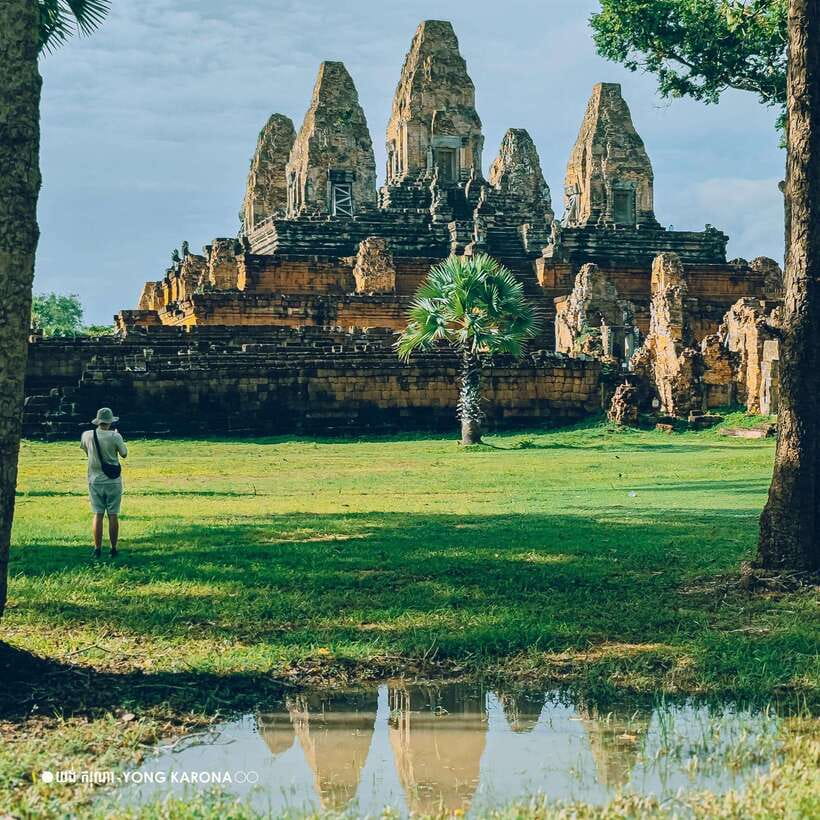
A few more stops keep the story moving. East Mebon is tied to ancestors and once sat in the middle of a reservoir. Pre Rup is a favorite for interpretation—often mistaken for a crematorium, with a stone structure that looks like a coffin, used by Hindus to meditate within at the full moon. If you like understanding why a ruin looks the way it does, Pre Rup is where you’ll feel the guide doing real work.
Finally, Phnom Bakheang tops a hill and has 33 towers representing the heavens. The key detail isn’t just the math of it—it’s the way the tour frames the idea that there’s a meaning to how temples point upward, mapping the sky into stone. If you’re tired by then, the hilltop view and the symbolism can still land, as long as you’ve got solid shoes.
Angkor Wat at dawn: why the morning timing matters
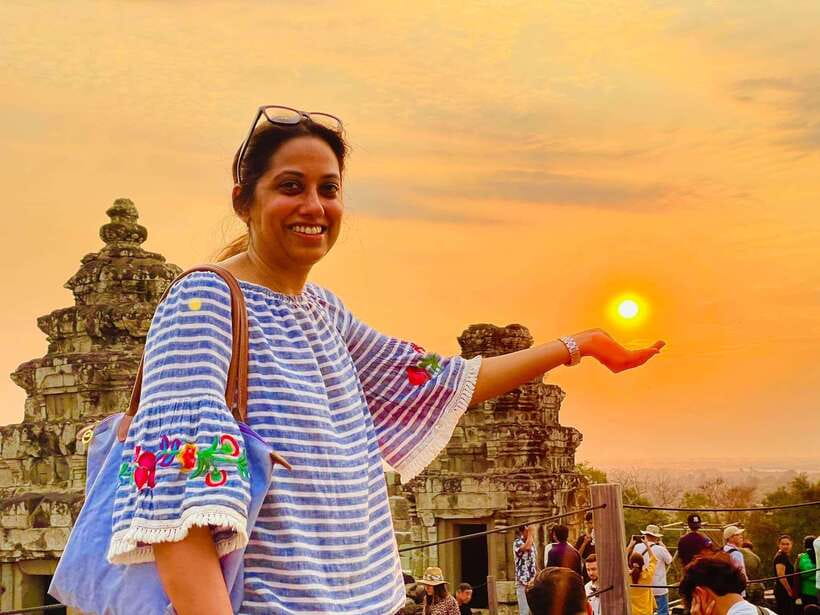
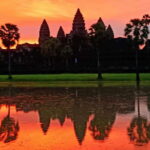
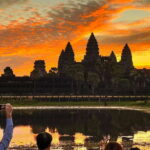
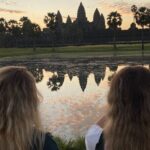
Day 2 is centered on Angkor Wat, and the sunrise viewing is the main event. Angkor Wat is the most visited attraction for a reason, but sunrise changes the experience from crowd navigation into real atmosphere. Under the glow of the rising sun, the temple still looks magnificent—even before you start exploring.
What I like about going early is simple: it lets your attention adjust. At dawn, the big shapes read first. Later in the day, glare and heat can make details harder to see and people’s movement more frantic.
You’ll then move from sunrise into cooler-weather sightseeing. As the morning warms up, you’ll have the chance to explore surrounding temples without feeling like you’re melting through your itinerary. You’ll also get occasional rest and food breaks, so you’re not stuck in a constant “walk, walk, walk” mode.
Also, remember this is a temple site first, attraction second. Wear clothing suitable for walking, keep water handy, and respect the cultural and historical importance as you go.
South Gate and Bayon: where the big faces meet the details
After sunrise, the tour shifts to Angkor Thom, starting with the South Gate and then moving into the Bayon area. This is where the complex becomes more than one iconic building.
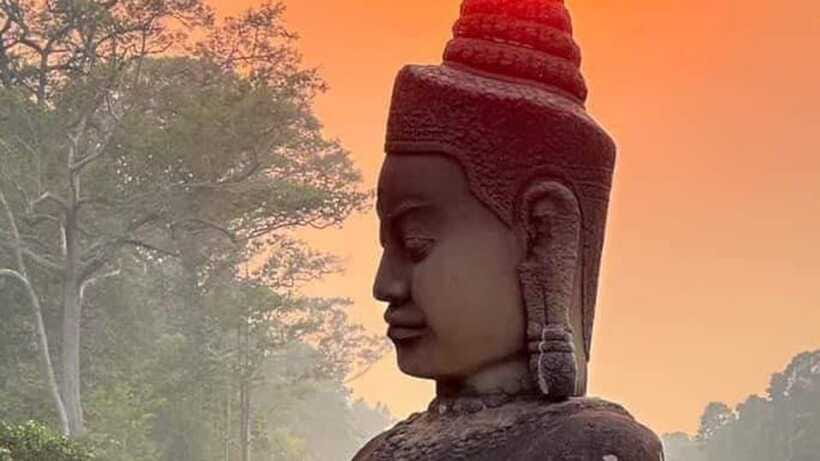
You’ll see the South Gate and the bridge of statues of gods, which is all about making a crossing feel ceremonial. Then the tour heads to Bayon, known for its large smiling faces. The “smile” detail sounds like just another photo moment, but it’s actually a good prompt to look up and track how those faces are placed across the structure.
Bayon is also a good test for whether you’re enjoying the meanings behind the stones. A strong guide can help you notice how design reflects belief and authority, not just aesthetics. If you’ve ever wondered why Khmer temples feel theatrical even when they’re in ruins, this stop is a solid answer.
One practical thought: this area can be busy. If you want your photos, keep your camera ready but avoid slowing down the flow of people moving through narrow viewpoints. Flash photography isn’t allowed here, so plan for light that comes from the sky instead of your battery.
Ta Prohm: the jungle temple that teaches you how ruins breathe
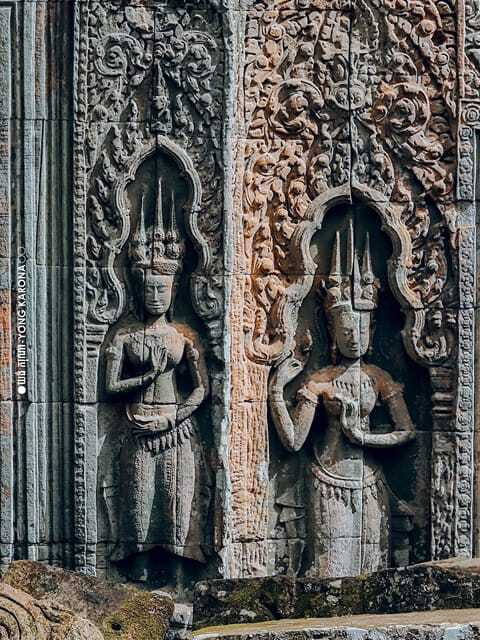
Ta Prohm is the stop people recognize, because it’s famously associated with the movie Tomb Raider. The tour doesn’t rely on pop culture alone, though. The value is how that fame helps you look at the real thing with curiosity.
This temple is known as a jungle temple, which is why it hits as a visual lesson. You see the way roots and greenery interact with stone, turning the site into a story about time, not just architecture. If you’re the type who likes to understand what you’re seeing, Ta Prohm is where your guide can make the scene make sense.
The one consideration here is pacing. Between heat and uneven ground, you’ll want to keep your footing steady. Comfortable shoes matter on every Angkor stop, but Ta Prohm is where you’ll feel the ground under you more than you expect.
You can also read our reviews of more tours and experiences in Siem Reap


Banteay Kdei and Ta Keo: quieter temples with real structure
After the well-known scenes, the tour adds temples that often don’t get the same “first page of Instagram” attention, but are still outstanding.
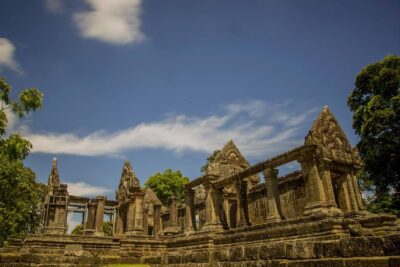
You’ll visit Banteay Kdei, a Buddhist temple known as a pyramid temple. The tour description notes it’s largely unrestored and used by monks, which changes the atmosphere. Instead of only thinking about tourism, you’ll sense this is a living religious space shaped by centuries of use.
That’s also why you’ll want to follow temple etiquette closely—keep noise down, avoid blocking sightlines, and treat the site with respect. The tour includes reminders about cultural sensitivity, and in places like Banteay Kdei, those reminders actually matter.
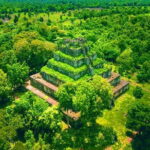
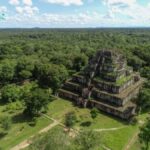
Next comes Ta Keo, a mountain temple built in the 10th century. The best part isn’t just the building—it’s that you walk up, which lets you experience how the temple’s layout ramps your viewpoint upward. If you’ve been feeling “temples are just walking around,” Ta Keo can reframe it as a physical design meant to change your perspective as you climb.
The drawback is physical. It’s not a smooth stroll. It’s stairs and steps, so if you have mobility limits, this is exactly the kind of stop that can be difficult. This tour isn’t suitable for wheelchair users or people with mobility impairments, and that’s not just legal language—it’s about what the route asks your body to do.
Price and logistics: what $39 buys (and what it doesn’t)
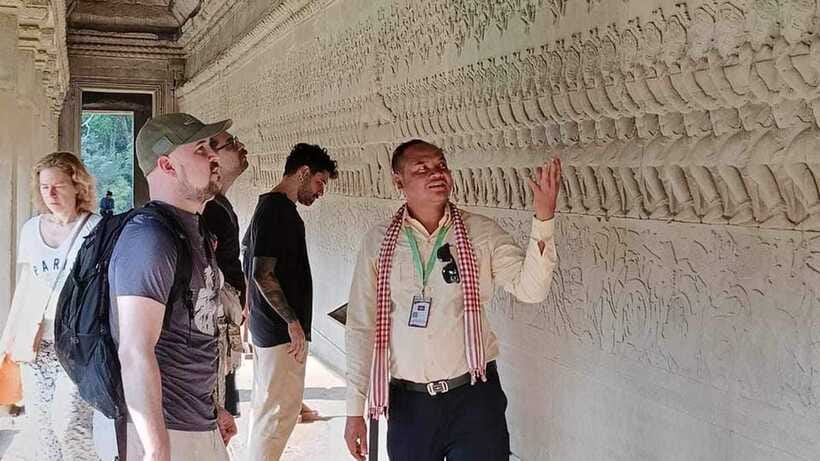
At $39 per person for 2 days, this tour’s value comes from the included “in-between stuff” that often costs you extra on your own. You get a guided tour, transportation by AC van, pickup and drop-off from your hotel, and sunrise and sunset viewing. You also get cool water and wipe towel support during the long day.
That’s meaningful because Angkor isn’t just visiting temples. It’s heat management, time management, and not having to figure out transport while you’re bleary-eyed for dawn. The guide also saves you from wandering in circles with only a map and a prayer.
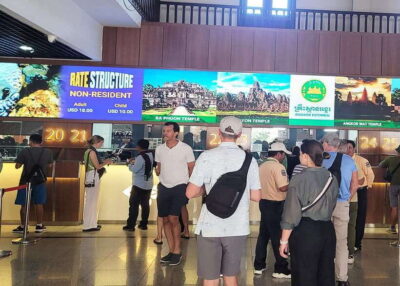
What you should budget separately: temple entrance fees and food. The tour includes rest breaks and food breaks, but meals aren’t included. So even though the headline price looks simple, your total trip cost will depend on what you pay for the temple pass.
For temple entry, you can buy the pass online or at the ticket office using the Angkor enterprise site listed in your tour info. I’d treat the pass as part of your planning, not a last-minute task, so you don’t lose time when you’re trying to enjoy the sunrise.
Practical tips that make this tour feel easy instead of exhausting
Comfort beats style here. Bring comfortable shoes you’ve already walked in. You’ll cover a lot of ground, and some temples involve steps and walking up.
Sun protection is not optional. Wear a hat and use sunscreen because you’ll start early and still spend long hours outdoors. The tour provides cool water, but you should still do your part: keep drinking and don’t wait until you’re thirsty.
A camera helps, but remember no flash photography. For ruins, flash usually looks harsh and flat. Let the light do the work—especially during sunrise.
For ID, bring a passport or ID card. Even a copy is accepted per the tour notes. This is the kind of detail that can save you hassle on a ticket-check moment.
Also, avoid the two easiest mistakes: forgetting water and littering. The tour explicitly notes not to litter, and with so many visitors, your small action is a big deal.
Should you book the Angkor Wat 2-Day Big and Small Circuit?
If you want Angkor without the chaos of planning every leg, I think this is a strong choice. The sunset plus sunrise structure is worth it on its own, and the added stops (Preah Khan, Banteay Kdei, Ta Keo, and Ta Prohm) help you see more than the same handful of icons.
Book it if you like your sightseeing with explanation. The guide is a key part of the experience, and names like Sayon and Sam show that this company can pair energy with temple context, not just recite dates.
Skip it or plan carefully if you want minimal walking or you need wheelchair-friendly access. This route includes stairs and a hilltop climb, and it’s not suitable for children under 12 or for guests with mobility impairments.
One more reason to say yes: the van ride with AC, plus water and wipe towels, takes the edge off. At Angkor, that small comfort can be the difference between enjoying the morning and counting down the minutes.
FAQ
How long is the tour?
It’s a 2-day guided tour.
Is hotel pickup and drop-off included?
Yes. You get pickup and drop-off from your hotel.
Are temple entrance fees included in the price?
No. Temple entrance fees are not included and must be purchased separately.
Is food included?
No. Food is not included, though the tour includes rest breaks and food breaks during the day.
Does the tour include sunrise and sunset?
Yes. You get sunset and sunrise viewings across the two days.
What language is the guide?
The live guide is English.
What should I bring for the temples?
Bring comfortable shoes, a hat, sunscreen, camera, water, and passport or an ID card copy.
Is flash photography allowed?
No. Flash photography is not allowed.
Is this tour suitable for kids and people with mobility issues?
It’s not suitable for children under 12, and it’s also not suitable for people with mobility impairments or wheelchair users.