REVIEW · SIEM REAP
2 Days Angkor temples with Sunrise & Sunset
Book on Viator →Operated by Angkor Doors · Bookable on Viator
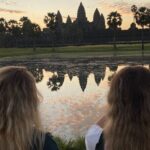
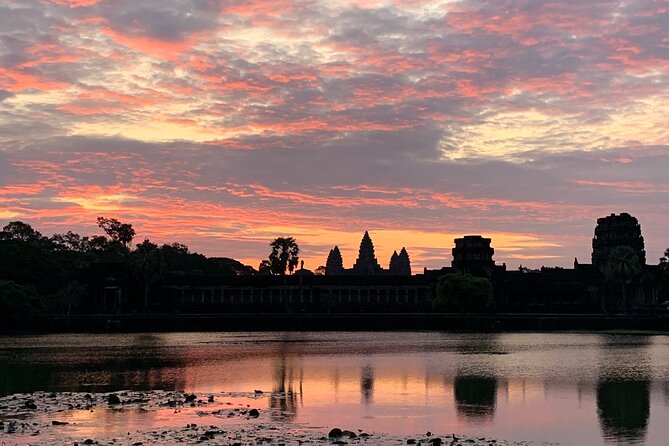
Angkor at dawn feels like a movie scene. This 2-day temples route makes the big moments count, with Angkor Wat sunrise and a focused sweep of major sites plus quieter stops. I also like the English-speaking, punctual guide experience that keeps you moving without feeling rushed, and you’ll get bottled water and AC transport. The main drawback is the obvious one: you’re up early, you’ll be walking in heat, and the 3-day Angkor Pass plus temple dress code (shoulders and thighs covered) are on you.
You start at 9:00 am for Day 1, then shift into a sunrise timetable on Day 2 (often around 4:30 am or 5:00 am, depending on the season). If you want a clean, efficient plan that still covers the must-sees like Ta Prohm and Angkor Thom, this one has the rhythm right.
In This Review
- Key Things to Know Before You Go
- How the 2 Days Flow: Dawn, Daylight, and Sunset Timing
- Day 1 Circuit: Prasat Kravan, Ta Prohm, Angkor Thom, and Phnom Bakheng
- Prasat Kravan: A calm warm-up with five brick towers
- Banteay Kdei: Citadel of Chambers with a quieter feel
- Ta Prohm: The monastery-temple with tree-grabbed drama
- Ta Keo: The never-finished state temple
- Angkor Thom: The capital city in full scale
- Phnom Bakheng: A Shiva temple mountain for that big-sky moment
- Day 2 Highlights: Angkor Wat Sunrise and the Banteay Srei Carvings
- Angkor Wat Sunrise: The early start that pays off
- Pre Rup and East Mebon: Early Khmer architecture stops
- Banteay Srei: Citadel of the Women and fine carving focus
- Banteay Samre: A smaller replica of Angkor Wat
- Eastern Mebon: Another 10th-century architectural example
- Ta Som, Neak Pean, and Preah Khan: Buddhist sites and unusual layouts
- Angkor Pass, Dress Code, and What the $115 Actually Buys
- Temple dress code: don’t wing it
- Comfort, Transport, and Your Guide’s Real Impact
- If you get a guide like Bunpheng
- Who This Tour Fits Best (and Who Might Want Another Plan)
- Should You Book This 2-Day Sunrise and Sunset Tour?
- FAQ
- FAQ
- What is the price of the 2 Days Angkor temples with Sunrise & Sunset tour?
- How long is the tour?
- What’s included in the $115 price?
- What’s not included?
- Do I need the Angkor Pass for this tour?
- What time does the tour start?
- How early is sunrise at Angkor Wat?
- Where does the sunset get watched?
- Is pickup available?
- What dress code do I need for the temples?
- Is this tour private?
- Can I cancel for a full refund?
Key Things to Know Before You Go
- Sunrise timing that depends on the season so you’re at Angkor Wat before the crowds fully wake up
- A smart temple mix: headline temples (Ta Prohm, Angkor Thom) plus smaller, more peaceful stops like Prasat Kravan and Ta Som
- Private, guide-led pacing with bottled water and AC transport to handle long temple days
- Guide support that can level up your photos (Bunpheng is specifically praised for helping with the best angles)
- Strict temple clothing rules: cover thighs and shoulders or you may be refused entry
- The Angkor Pass is required for each visitor, even though the tour notes some temple entries as free—confirm what your pass covers
How the 2 Days Flow: Dawn, Daylight, and Sunset Timing
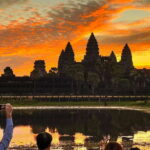
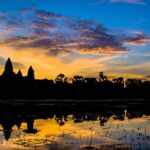
This tour is built around the two best lighting windows in Angkor: sunrise and sunset. Sunrise is the headline on Day 2 at Angkor Wat, with an early departure that can be as early as 4:30 am or 5:00 am. Sunset is planned for either the South Gate of Angkor Thom or Phnom Bakheng, depending on timing and conditions.
What makes the schedule practical is that it splits the day into “temples with meaning” rather than just a checklist. Day 1 leans into the outer-and-capital areas (Ta Prohm, Angkor Thom, Phnom Bakheng). Day 2 is where the tour sharpens its focus: Angkor Wat in the morning, then a string of temples that give you variety in style, size, and mood.
If you hate starting too early, this isn’t the plan for you. But if you’re chasing atmosphere—and you want the guide to handle route order and timing—this works well.
You can also read our reviews of more evening experiences in Siem Reap
Day 1 Circuit: Prasat Kravan, Ta Prohm, Angkor Thom, and Phnom Bakheng
Day 1 is your “big map” day. You’ll see a range of Khmer temple eras and approaches, from smaller brick towers to the ceremonial heart of the empire.
Prasat Kravan: A calm warm-up with five brick towers
You begin with Prasat Kravan, a small 10th-century temple. It’s known for its five reddish brick towers sitting on an elevated terrace. This stop is a nice way to start without instantly drowning in the crowds and scale you’ll hit later.
What I like about starting here is that it gives you quick orientation. You learn to notice the building logic—tower groupings, symmetry, and the way brick and stone create texture—before you jump into the larger temple complexes.
Banteay Kdei: Citadel of Chambers with a quieter feel
Next comes Banteay Kdei, meaning “A Citadel of Chambers.” It’s a Buddhist temple built in the late 12th and early 13th century by King Jayavarman VII. If you want a bit more calm, this is the kind of stop that helps you breathe between the bigger hits.
It also sets up your understanding of Jayavarman VII’s building program. By the time you’re done with Day 2, you’ll spot that influence again and again, especially in the Buddhist sites.
Ta Prohm: The monastery-temple with tree-grabbed drama
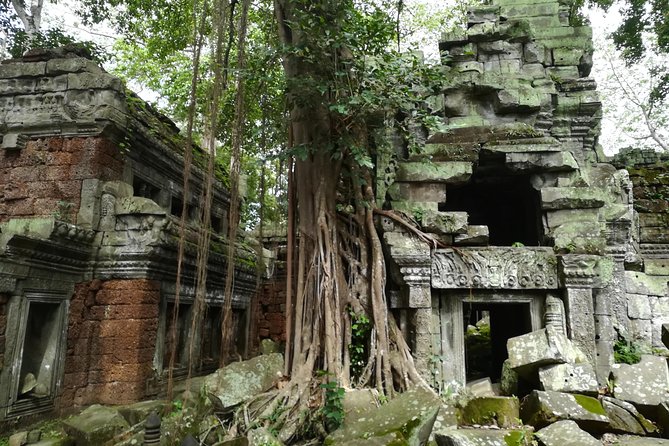
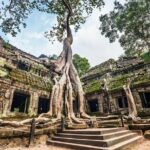
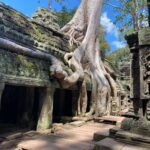
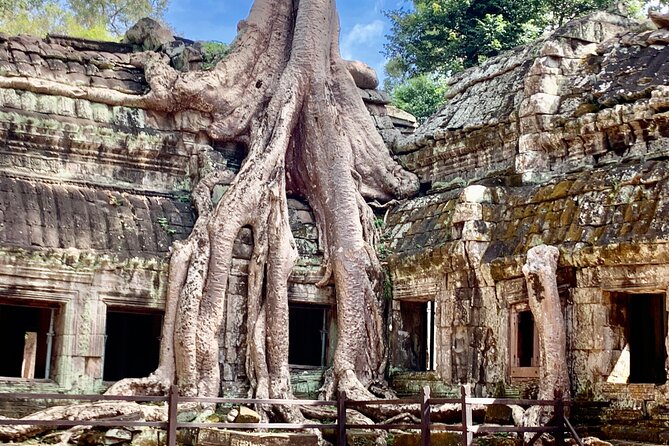
Then you reach Ta Prohm, famous for being built in the Bayon style in the late 12th/early 13th century. The tour describes it as originally functioning as a Buddhist monastery and university. The defining visual feature is that Ta Prohm feels partially reclaimed by the landscape, and that’s exactly why it’s so popular.
The tradeoff is simple: the time you spend here is also the time you’re most likely to deal with crowds and midday heat. Go in with the right mindset. You’re not just “seeing a building.” You’re seeing an iconic scene that’s worth the patience.
You can also read our reviews of more tours and experiences in Siem Reap

Ta Keo: The never-finished state temple
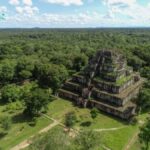
After Ta Prohm, you head to Ta Keo, built as the state temple for Jayavarman V, started around 975 AD. The key story here is that it was never finished. That unfinished quality adds tension to the architecture—this wasn’t a complete, polished project. It’s history as a work-in-progress.
If you enjoy architecture details and don’t need everything to be the most famous temple, this stop is a good counterweight to the spectacle of Ta Prohm.
Angkor Thom: The capital city in full scale
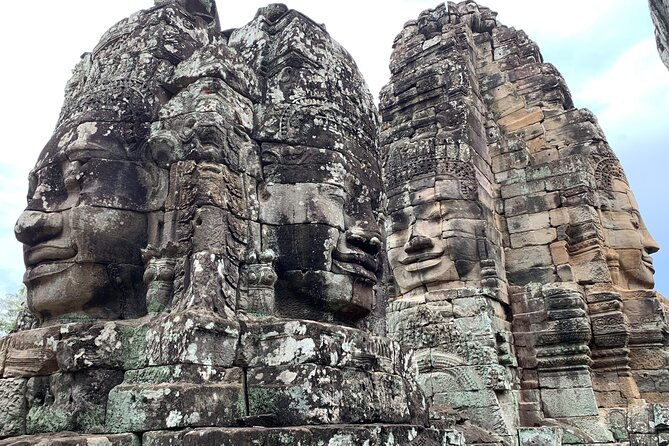
Now you move to Angkor Thom, the ancient capital city of the Khmer Empire. Your time here includes major highlights like the Royal Palace, the Terrace of the Elephants, the Terrace of the Leper King, the Bayon temple, and the South Gate area.
This is where the tour’s pacing matters. Two hours can feel like a lot, but Angkor Thom rewards a guide who can explain what you’re looking at while you’re walking. If you go without context, it’s easy to miss the meaning behind the spaces.
Phnom Bakheng: A Shiva temple mountain for that big-sky moment
Finally, Day 1 includes Phnom Bakheng, a temple mountain dedicated to Shiva. The tour notes it was built by King Yasovarman at the end of the 9th century and that Phnom means hill or mountain, since the temple sits at the top.
This is a strong “wrap-up” stop because it gives you elevation and a chance to watch for sunset conditions. Even if you don’t plan to climb far (your guide will direct you), the location helps you feel the scale of the wider Angkor region.
Day 2 Highlights: Angkor Wat Sunrise and the Banteay Srei Carvings
Day 2 is where the tour earns its title. You start with sunrise at Angkor Wat, then keep going through temples that show different sides of Khmer art and religious life.
Angkor Wat Sunrise: The early start that pays off
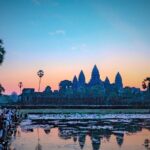
You’ll be heading to Angkor Wat early in the morning, with a start time that can be 4:30 am or 5:00 am depending on the season. After sunrise, you continue on to see the main temple areas.
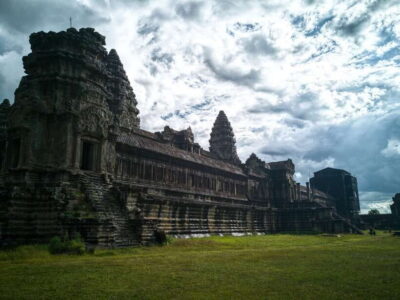
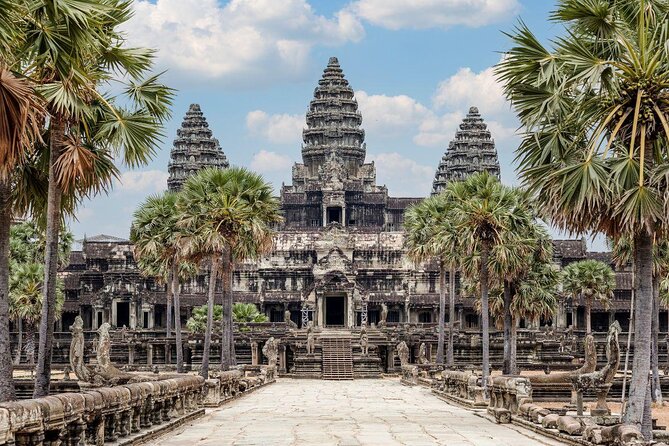
Angkor Wat is described as the largest religious site here, and that matters. The scale is part of the experience. You’re not just watching sunrise over a monument—you’re stepping into the most recognizable symbol of Angkor.
Bring patience for the early hours. This kind of timing is a trade: fewer distractions at dawn versus tired legs later in the day.
Pre Rup and East Mebon: Early Khmer architecture stops
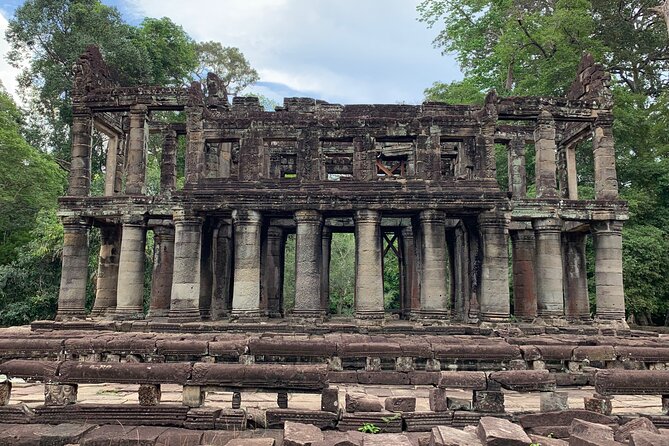
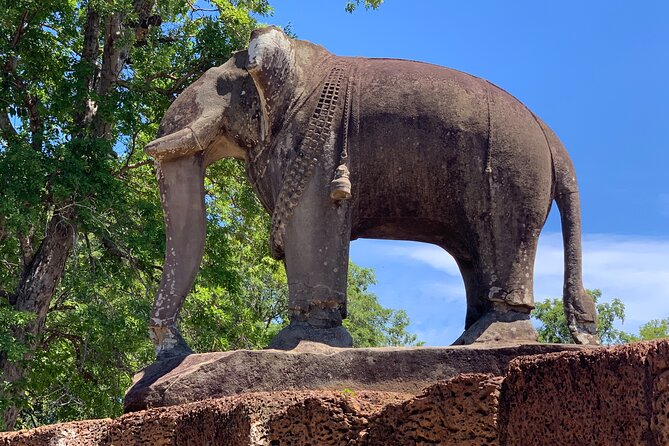
Next the route brings you to Pre Rup and also includes an East Mebon temple visit. The tour frames these as examples of early Khmer architecture built in the 10th century.
These stops are valuable if you want more than “the famous photos.” You’ll see the earlier building style and how the Khmer world evolved from the 900s onward. It also breaks up the day so you’re not only jumping between the largest complexes.
Banteay Srei: Citadel of the Women and fine carving focus
Then comes Banteay Srei, often called the Citadel of the Women. The tour highlights this temple for its delicate carvings and notes the story that the work is said to have been done by a woman because of the delicate detail.
This is the kind of stop that rewards slowing down. You’ll get less of the “giant courtyard spectacle” and more of the “look closely” experience—ornamentation, surfaces, and the way small features carry big artistic energy.
One practical note: your tour guidance includes strict dress code rules for temples, and Banteay Srei will be one of those places where you’ll want the right clothing ready before you arrive.
Banteay Samre: A smaller replica of Angkor Wat
Next you visit Banteay Samre, a Hindu temple built in the early 12th century by Kings Suryavarman II and Yasovarman II, dedicated to Vishnu. The tour describes it as resembling a smaller replica of Angkor Wat.
This stop is useful for your visual learning. Once you’ve seen Angkor Wat sunrise, Banteay Samre helps you compare similar design ideas without the same crowd pressure.
Eastern Mebon: Another 10th-century architectural example
The route also includes Eastern Mebon, again described as early Khmer architecture from the 10th century. If you’re interested in how multiple temples from the same broad era look different, this is where your pattern recognition kicks in.
Ta Som, Neak Pean, and Preah Khan: Buddhist sites and unusual layouts
Day 2 keeps offering variety with Buddhist and more unusual temple layouts:
- Ta Som: built at the end of the 12th century by Jayavarman VII and dedicated to Lokesvara Buddha.
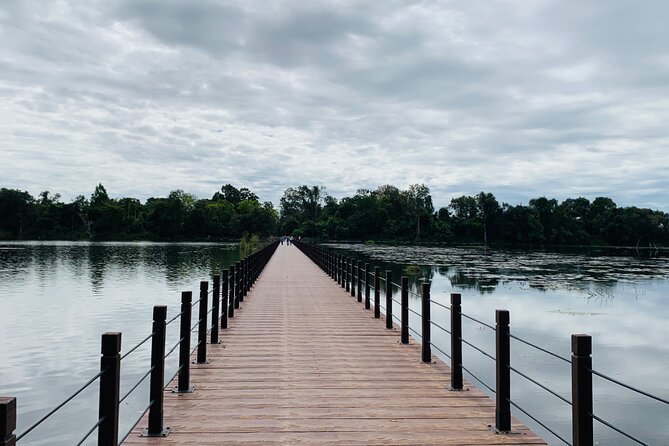
- Neak Pean: a 12th-century temple meaning “Entwined Serpents,” built on a man-made island in a man-made lake.
- Preah Khan: a 12th-century temple meaning “Royal Sword,” built by Jayavarman VII and dedicated to his late father, located about 1 km north of Angkor Thom.
I particularly like Neak Pean for the way it changes the scene. A temple on an island creates a different viewing rhythm, and the lake setting pushes you to slow down and look around, not only upward.
Preah Khan also rounds out your Jayavarman VII understanding. By the end of Day 2, you’ll see him less as a name on a timeline and more as a builder with a consistent approach across sites.
Angkor Pass, Dress Code, and What the $115 Actually Buys
Let’s talk money in real terms. The tour price is $115 per person, and it includes an English-speaking guide, AC transport (car or minivan/minibus), and bottled cold drinking water. That’s the service side.
What’s not included is the entrance fee: you’ll need a 3-Day Angkor Pass for $62 per person. Food and drinks aren’t included either, and accommodation isn’t part of the package.
So your practical “starting budget” is the tour price plus the pass. For two full days inside the Angkor Archaeological Park, that math often feels fair because the tour is handling the hard part: timing, route order, and getting you from one site to the next with a guide.
Temple dress code: don’t wing it
You’ll be expected to follow the strict temple dress code: cover thighs and shoulders. If you don’t have the right clothing, you may be refused entrance to the temples. This is the one rule that can turn a perfect day into a frustrating one, so pack for it.
Also, the tour notes Banteay Srei as admission free, yet it states that you must have the 3-day pass for each visitor. I’d treat the pass as required for your day-to-day entry and consider that temple-specific notes may refer to no extra charge beyond the pass. If you want certainty, ask your operator to clarify what’s covered in your pass.
Comfort, Transport, and Your Guide’s Real Impact
Two days in Angkor means a lot of hours in the sun, a lot of walking, and a lot of decisions about where to go next. That’s where a private tour format and an English-speaking guide actually matter.
This is a private tour/activity, meaning it’s only your group. That tends to make a difference with timing, photo stops, and pace. In practice, you won’t feel like you’re waiting for a group that wants to stop for everything at once.
The transport is part of the value: you’re riding in an AC vehicle with bottled water. That’s not glamorous, but it keeps the day from falling apart when the temperature climbs.
If you get a guide like Bunpheng
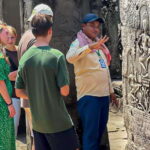
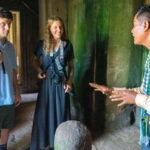
The reviews tied to this experience highlight Bunpheng as punctual and professional, and even as someone who’s good at helping with photography. That matters because Angkor is full of “looks great in the picture, but what am I looking at?” moments.
A good guide helps you read the temples faster. You’ll spend less time guessing what to notice, and more time actually seeing.
Who This Tour Fits Best (and Who Might Want Another Plan)
This tour is a good fit if:
- You want sunrise at Angkor Wat without doing logistics yourself.
- You like a plan that covers major highlights while still including smaller stops (Prasat Kravan, Ta Som, Neak Pean).
- You prefer private pacing and a guide who can explain what you’re seeing in English.
You might want a different plan if:
- You hate early mornings. Sunrise is non-negotiable here.
- You want long, slow temple wandering with no route structure. This tour is efficient by design.
- You don’t want to manage the extra cost and rules tied to the Angkor Pass and temple dress code.
Should You Book This 2-Day Sunrise and Sunset Tour?
If your goal is to hit Angkor Wat at sunrise, see Angkor Thom, and then spend the second day exploring the temples that feel more detailed and specific (Banteay Srei, Ta Som, Neak Pean), I think this is a strong choice. The $115 price is only half the equation, but the included guide, AC transport, and organized timing make it easier to get a quality experience in just two days.
Book it especially if you’re short on time. With a route like this, you don’t waste your limited hours deciding what to do next.
If you have extra days in Siem Reap, you might consider using the same 3-day Angkor Pass for additional temple time later. That turns the pass into a better value, not just a ticket you use once.
FAQ
FAQ
What is the price of the 2 Days Angkor temples with Sunrise & Sunset tour?
The tour costs $115.00 per person.
How long is the tour?
It runs for 2 days (approximately).
What’s included in the $115 price?
It includes an English-speaking tour guide, transportation in an AC car or minivan/minibus, and bottled cold drinking water.
What’s not included?
Entrance fees are not included. You’ll need the 3-Day Angkor Pass ($62 per person). Food and drinks and accommodation are also not included.
Do I need the Angkor Pass for this tour?
Yes. The tour states that one Three-Day Angkor Pass is required for each visitor.
What time does the tour start?
The meeting point start time is listed as 9:00 am.
How early is sunrise at Angkor Wat?
The sunrise start time is noted as 4:30 am or 5:00 am, depending on the season.
Where does the sunset get watched?
The sunset is scheduled at either the South Gate of Angkor Thom or Phnom Bakheng.
Is pickup available?
Yes. Pickup is offered.
What dress code do I need for the temples?
You must cover your thighs and shoulders when entering the temple complexes. If you’re not wearing the correct clothing, you may be refused entrance.
Is this tour private?
Yes. It’s a private tour/activity, so only your group participates.
Can I cancel for a full refund?
Yes. You can cancel up to 24 hours in advance of the experience for a full refund.