REVIEW · SIEM REAP
Monk Blessing Ceremony in Siem Reap
Book on Viator →Operated by Siem Reap Angkor Travel and Tour · Bookable on Viator
Cold water, warm blessing. I love the way the Wat Athvear ceremony feels intimate and clear, and I like that your guide explains what the monks’ chants and water pours are meant to bring—good luck, prosperity, and long life. The only real heads-up: you should expect to get soaked head to toe.
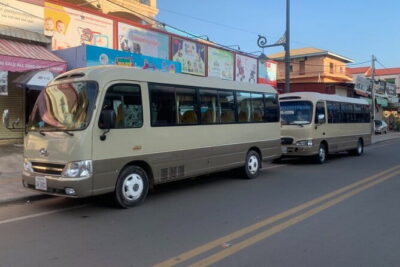
This is built as a private tour, so you’re not stuck in a large crowd. You’ll get hotel pickup, then ride out to the temple, get your instructions, and participate at a pace that makes sense.
The whole experience is about 1 hour 30 minutes from pickup to drop-off, which is great if you want something meaningful without losing your whole day. If you don’t like getting wet or you’re uneasy around sacred rituals, come ready for a slightly awkward first few minutes—but you’ll be guided through it.
In This Review
- Key things to know before you go
- Wat Athvear and the chant-filled start you can feel
- How the monk blessing works: offering, chanting, and the water
- The offering moment
- The chanting and singing
- The water blessing
- Getting dressed for the ritual: sarong, robe change, and practical wet-weather survival
- What you’re provided
- Female changing area
- What you should bring (the smart way)
- The guide makes it worth it: history, monk life, and Sela’s explanations
- How you can get the most out of your guide
- Stop at Wat Athvear: where “popular” meets real practice
- Price and value: $45 for transport, sarong, offering, and ceremony time
- Timing your day: 1 hour 30 minutes means you can pair it with temples
- Who should book this and who should skip it
- Book it if you want a real ritual, not a photo stop
- Skip it if getting wet will stress you out
- Best fit: culture-minded, short-attention travelers, and couples
- Final call: should you book the monk blessing in Siem Reap?
- FAQ
- How long is the monk blessing ceremony experience in Siem Reap?
- Is pickup offered from my hotel?
- Is the ceremony private for just my group?
- What’s included with the ceremony?
- Will I get wet during the blessing?
- Do I need to bring a sarong or special clothing?
- Do I get a ticket to enter the temple?
Key things to know before you go
- You’ll be part of the blessing, not just watching—the water is part of the ceremony.
- Sarong + guidance are included, so you’re not left figuring out clothing on your own.
- The water blessing can happen quickly but the overall visit still feels full and respectful.
- Guides like Sela make the meaning clear, including how monks live and why offerings matter.
- There’s practical help for getting changed, including a place for females to change.
- Bring yourself and a temple-pass if you already have one—there’s a temple nearby where it could matter.
Wat Athvear and the chant-filled start you can feel
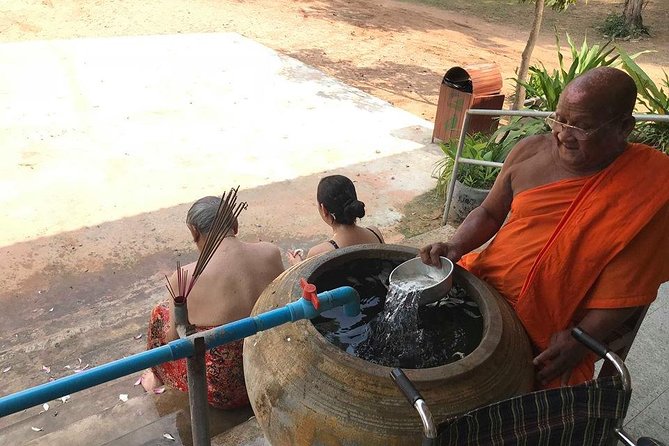
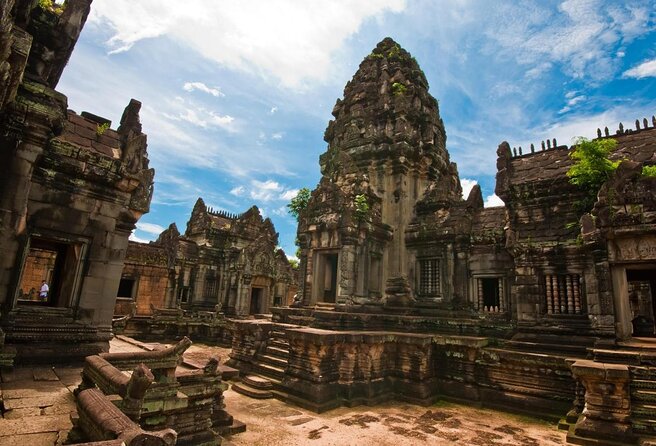
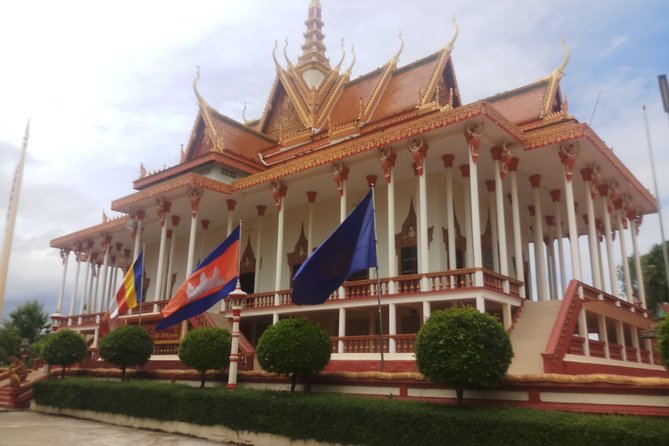
Wat Athvear Temple is the setting, and it matters. You’re not doing a staged show for tourists. Instead, you step into an active Buddhist space where monks chant, sing, and perform the blessing with water.
What I like most is the tone your guide sets before anything starts. The ceremony is spiritual, but it’s also explained in plain language—how blessings are understood to clean karma, create happiness, and bring good luck. That context turns what could be a random cultural performance into something you can follow.
And yes, the surroundings are part of the “you’re here for real” feeling. One night in Siem Reap can feel like a blur of temples and tuk-tuks. This is slower. You arrive, you’re instructed, and you participate in a ritual that’s meant to be experienced, not just filmed.
You can also read our reviews of more tours and experiences in Siem Reap.
How the monk blessing works: offering, chanting, and the water
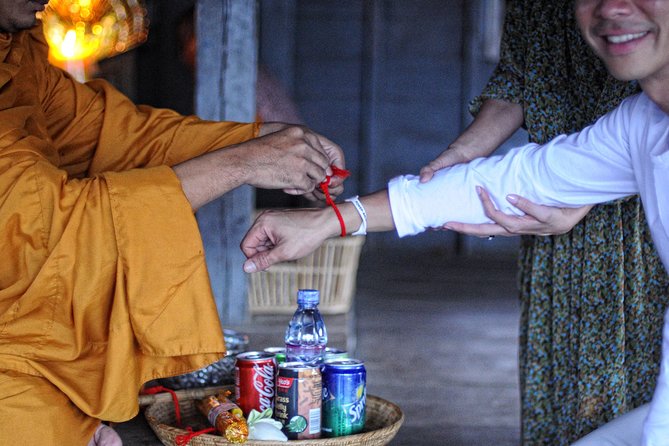
Here’s the basic flow you should expect. Your English-speaking driver/guide meets you (with pickup offered), then brings you to the monastery area where the monks are getting ready to bless. You’ll be shown what to do and when.
The offering moment
You’ll make a monk offering as part of the ceremony. You don’t need to guess what’s appropriate—your guide handles the offering side so you don’t feel like you’re winging it.
The chanting and singing
Once the monks begin, you’ll hear chanting and singing. Your guide explains what you’re seeing as it happens. In particular, I really value tours where someone can translate the “why,” not only the “what.”
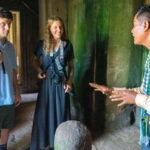
One guide in particular—Sela—was highlighted for making people comfortable and for sharing context about monk life and the meaning behind the blessings.
The water blessing
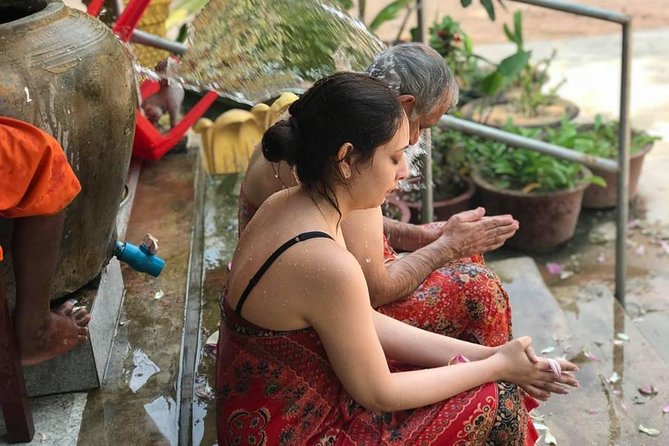
Then comes the part you can’t ignore: water. Monks pour water during the blessing, and the action happens outdoors on the steps where the monks live. It’s not a long parade—this portion is often around 10 to 15 minutes—but it’s the heart of the experience.
And the water isn’t warm. You’ll likely notice it quickly. Cold water is part of the reality here, so try not to assume it’ll feel like a casual splash.
Getting dressed for the ritual: sarong, robe change, and practical wet-weather survival
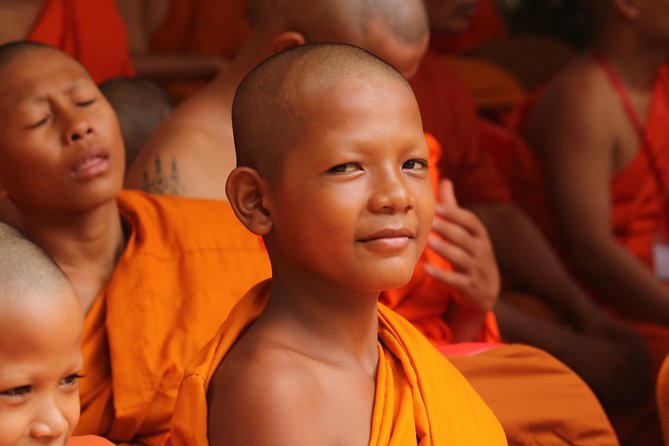
This tour includes a sarong, and you’ll use it as part of the robe-changing process. In practice, that means you should treat this like a planned “get wet” activity, not something you’ll stay dry for.
A key detail: you may be asked to remove clothing for the ceremony. One person put it bluntly—take off all your clothes, because you’ll be soaking wet from head to toe. That sounds intense, but the point is simple: you’re participating in a water blessing, so the ceremony isn’t designed for staying dry.
What you’re provided
You’re provided the sarong, and there’s support during the change. After the ceremony, some people reported having something like a towel at the end. The tour is set up so you can recover comfortably afterward.
Female changing area
If you’re traveling with women in your group, it helps to know there’s a place for females to change. That removes a lot of awkwardness and lets people participate without feeling exposed.
What you should bring (the smart way)
The tour data doesn’t list a “must pack” kit, but common sense applies:
- Wear sandals or footwear you can handle getting wet.
- Plan to change back into dry clothes afterward.
- If you already have a temple pass, bring it. There’s also a temple right next to the monastery, and having your pass may save hassle.
One more note: don’t show up expecting to keep your hair totally dry. This is water-blessing territory.
The guide makes it worth it: history, monk life, and Sela’s explanations
Temple photos are easy. Understanding what you’re seeing is the real upgrade—and this is where the guide earns the price.
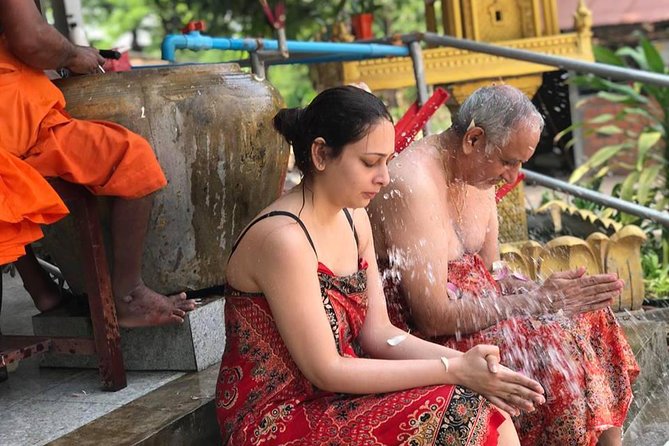
In the stories people shared, the guides didn’t just translate words. They talked about what monks do, how the ceremony fits into Buddhist life, and how the blessing is meant to connect with good fortune and well-being.
Sela came up as a standout name, with a clear style that answered questions and kept the experience respectful and understandable. Another person shared that their guide had been connected to the monastery earlier in life as a monk’s assistant, which made the visit feel more personal and less touristy.
That kind of “I’ve seen this from the inside” perspective matters. It’s the difference between watching a ritual and actually getting what it’s for.
How you can get the most out of your guide
Ask simple questions as the day unfolds, like:
- What does the water symbolize in this blessing?
- Why is the offering part of the ceremony?
- What’s daily life like for monks here?
You’ll get better answers when you ask while things are fresh—before you’re halfway back toward Siem Reap’s busy streets.
Stop at Wat Athvear: where “popular” meets real practice
Wat Athvear isn’t deep in the jungle. It’s outside the main city enough that you get away from the noise, but close enough to make it a practical half-day moment. You’re not trudging across Cambodia all day to find a spiritual pause.
That balance is a big value: you get a break from Siem Reap’s hustle without sacrificing time. When you’re in town for temple circuits, it’s easy to fill every hour with Angkor-related stops. This is different. It’s a Buddhist ceremony at a temple, not a stone ruin.
Also, there’s a practical rhythm to the visit. One reason the experience gets strong ratings is because the timing feels straightforward:
- You arrive
- You change with guidance
- You take part during the main blessing
- Then you leave
No long confusion. No waiting around while you wonder what happens next.
Price and value: $45 for transport, sarong, offering, and ceremony time
At $45, you’re paying for more than a quick look at a temple. You’re buying:
- hotel pickup and drop-off
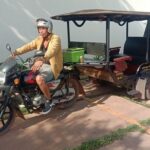
- private transport by either a car or tuk tuk
- an English-speaking guide
- the monk ceremony participation
- the sarong
- the monk offering
- an included admission ticket for the temple visit
If you’ve traveled in Southeast Asia, you know that “cheap” temple visits often mean you pay for entry but you still have to figure out the rest. Here, the “rest” is the main event—getting guided into the ceremony respectfully, with the right clothing support and explanation.
Is it worth it? For most people who enjoy cultural experiences and don’t mind getting wet, this is a very solid use of a day. You’re spending time on something you can’t DIY easily without feeling out of place.
The only time it might feel expensive is if you’re mainly there for a photo and you hate the idea of participating in a wet ritual. If that’s you, a regular temple visit might match better.
Timing your day: 1 hour 30 minutes means you can pair it with temples
From start to finish, plan for about 1.5 hours total (pickup to drop-off). The blessing itself is much shorter—often 10–15 minutes—but the transport and changing add the rest.
This timing is what makes it easy to schedule on a busy trip. You can do:
- a morning temple block, then this in the middle of the day
- or a lighter plan where you want a spiritual break without tiring yourself out
A practical tip: don’t book this as your first stop if you’re arriving jet-lagged and hate changing outfits. Instead, pick a time when you’ll still have the patience to follow instructions and handle wet clothing afterward.
Who should book this and who should skip it
Book it if you want a real ritual, not a photo stop
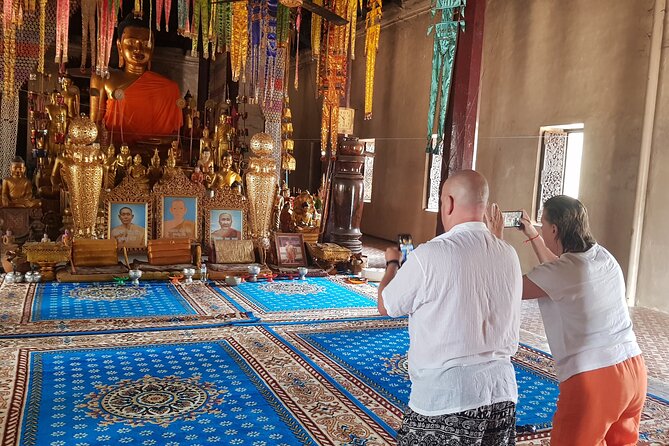
If you’re the type who likes learning what a ceremony means and you’re comfortable participating, you’ll probably love it. The ceremony is interactive, and the explanations help you understand the point behind the water blessing.
Skip it if getting wet will stress you out
If you strongly dislike being uncomfortable in sacred settings, or you’re not into ritual participation, this may feel like more hassle than it’s worth. Getting wet is not optional.
Best fit: culture-minded, short-attention travelers, and couples
It works well for:
- couples who want something different from Angkor highlights
- travelers who want one meaningful activity that doesn’t steal an entire day
- anyone who enjoys guides who speak clearly and keep you oriented
Final call: should you book the monk blessing in Siem Reap?
I’d recommend this if you want a spiritual experience with clear guidance, a real temple setting, and a moment that feels harder to copy than another sightseeing stop. The fact that sarong, offering, and ceremony participation are handled for you makes it approachable even if you’re new to Buddhist traditions.
If the idea of being soaked head to toe would ruin your day, then pick something drier. But if you can treat it like a planned ritual (with a sense of humor), this is one of those Siem Reap activities that turns “I visited Cambodia” into “I understood something unique here.”
FAQ
How long is the monk blessing ceremony experience in Siem Reap?
It’s about 1 hour 30 minutes total (approx.), including the visit and transport.
Is pickup offered from my hotel?
Yes. Pickup is offered, and the tour includes transport by private car or tuk tuk.
Is the ceremony private for just my group?
Yes. It’s a private tour/activity, so only your group participates.
What’s included with the ceremony?
Included items are an English-speaking driver/guide, the monk ceremony, monk offering, sarong, and transport by private car or tuk tuk.
Will I get wet during the blessing?
Yes. The ceremony involves monks pouring water, and you should expect to get wet during the blessing.
Do I need to bring a sarong or special clothing?
No. A sarong is provided as part of the experience, and you’ll be guided on how to use it.
Do I get a ticket to enter the temple?
Yes. An admission ticket is included for the temple stop (Wat Athvear Temple). If you already have a temple pass, you may want to bring it since there’s a temple right nearby.