REVIEW · SIEM REAP
Highlight of Angkor Complex 2 Days Private Tour
Book on Viator →Operated by About Cambodia Travel & Tours · Bookable on Viator
Angkor can feel like a maze. This 2-day private tour turns it into a route you can follow, with a guide who explains what you are seeing. You get a big mix: the famous grounds at Angkor Wat and Angkor Thom, plus smaller temples like Ta Nei that most people skip.
I especially like how the itinerary balances heavy hitters with lesser-visited sites. You also get a smooth day because hotel pickup, a comfortable vehicle, and water with cool tissues are built in.
One thing to plan around: entrance fees are not included. You will buy the Angkor Pass on-site, and lunches are on your own, so factor that into your day budget.
In This Review
- Key things to know before you go
- Two days across Angkor without the stress math
- Price and logistics: what $149.46 per person buys you
- Day 1: Angkor Thom gates, Bayon, and the big three temples
- Angkor Thom South Gate: restored heads as your first landmark
- Bayon Temple: the near-100-years-later follow-up
- Angkor Thom main area: Buddhist cosmology in 3D
- Baphuon: five levels on a rectangular base
- Phimeanakas: the tower that once had a golden pinnacle
- Terrace of the Elephants and Terrace of the Leper King: power and drama
- Ta Prohm: kingdom of the trees (and why it feels different)
- Angkor Wat: the best-preserved anchor of the whole complex
- Ta Nei: the difficult-to-find, less-touristy finale
- Day 2: temple details plus a market-style stop
- Banteay Srei: Khmer carving as a precious gem
- Banteay Samre: complete restoration, and visible decay elsewhere
- Pre Rup: bold architectural design and strong balance
- Eastern Mebon: two-meter elephants and religious scenes
- Neak Pean: a square pond built like a dream of luxury
- Preah Khan: built in 1191, dedicated to royal family
- Banteay Prei: rarely visited and for people who want more than the basics
- Om Pich steamed toddy palm cake and Prashdak Village stop
- Your guide and vehicle make or break the day
- Tickets, timing, and dress code that keep you on the inside
- Who this private Angkor tour is best for
- Should you book this Angkor Complex 2-Day Private Tour?
- FAQ
- Is the Angkor Pass included in the tour price?
- What’s included in the $149.46 per person?
- Do I get a private tour or will I join other people?
- Do you offer hotel pickup in Siem Reap?
- What about meals during the two days?
- What should I wear when visiting the temples?
- Can I add an extra stop like the land mine museum?
- What is the cancellation/refund window?
Key things to know before you go
- Private-only group: your party stays together, instead of getting swept into a crowd schedule.
- Two circuits in two days: Day 1 leans Angkor Thom plus Ta Prohm and Angkor Wat; Day 2 adds more outer temples.
- Mr. Sara support: the tour guide we saw praised by name for strong Khmer history explanations and keeping everyone comfortable.
- Comfort included: hotel pickup, transfers by vehicle, and cold drinks/tissues keep the long temple days manageable.
- Quiet temple option: Ta Nei and Banteay Prei are included for depth, not just photo stops.
- Flexible add-on: if you ask, you may be able to include an extra stop like the land mine museum.
Two days across Angkor without the stress math
This is the kind of Angkor plan that helps you stop thinking about logistics. With hotel pickup and private transfers, you are not trying to coordinate tuk-tuks, timing, and ticket lines between far-flung temples. The whole point of a private format is control: you can move at a pace that fits your group and still cover a lot.
The route is also smart. Day 1 starts you inside the Angkor Thom story, then pushes to Ta Prohm and ends with Angkor Wat. Day 2 continues the Khmer Empire theme but shifts the focus to additional temples that are less crowded and often more interesting if you like details.
There is a trade-off, though. When you pack two days of temples, you need to accept that you will be on your feet and in the sun. If you want a super-slow trip with long museum-style breaks, you might find this itinerary a bit fast.
You can also read our reviews of more private tours in Siem Reap
Price and logistics: what $149.46 per person buys you
At $149.46 per person for about two days, the value comes from what is included. You are paying for a professional English-speaking guide, private vehicle transfers across the Angkor grounds, and comfort basics like drinking water and cool fresh tissues.
Entrance fees are separate. The Angkor Pass that covers the temples on the itinerary is not included, but your guide helps you buy it at the Angkor Park entrance before you start. That is a normal system at Angkor, but it matters for budgeting.
Also plan for meals. Lunch is available at local restaurants with vegetarian and non-vegetarian options, and the menu prices are typically in the $3–$10 per dish range. In other words, you are not stuck with one restaurant or set menu—but you should still expect to budget daily for food.
If you travel with friends or family, check about group discounts. The tour is private, but pricing can sometimes change depending on party size, so it is worth asking up front.
Day 1: Angkor Thom gates, Bayon, and the big three temples
Day 1 is where you learn how Angkor Thom fits together, then you get the iconic wow moments. You start with the South Gate, then move through Bayon and the main Angkor Thom area before hitting Baphuon, Phimeanakas, and the grand terraces. Then the route shifts into the Angkor Wat storyline.
Angkor Thom South Gate: restored heads as your first landmark
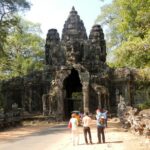
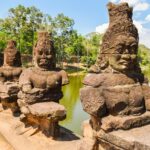
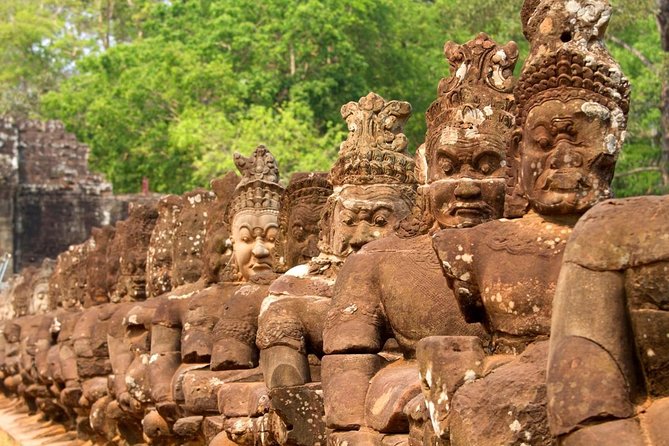
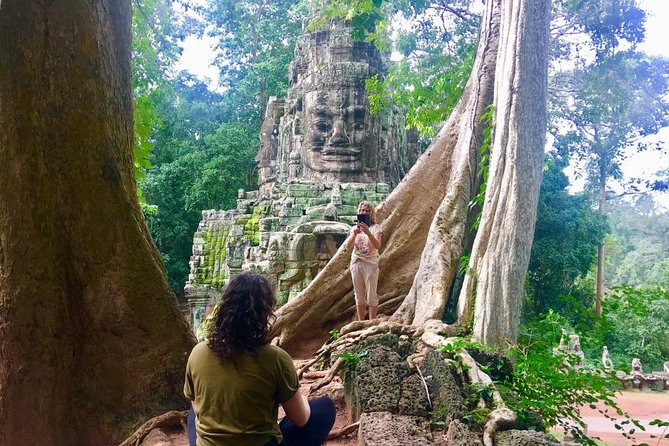
The South Gate is a great opener because it is one of the most popular entrances and many of the stone faces have been kept in place after restoration. It is also located on the main road into Angkor Thom from Angkor Wat, which makes it an easy first mental anchor for the whole area.
This stop is shorter (around 25 minutes), so it works well as a warm-up. If you come with patience for photos, you will get plenty, but the real value is your guide pointing out what you are looking at and why it mattered.
Bayon Temple: the near-100-years-later follow-up
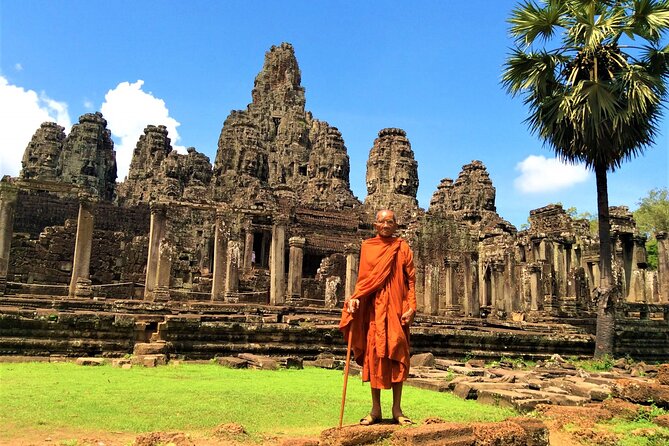
Bayon comes about 100 years after Angkor Wat. That timing is useful because it helps you understand that Angkor is not one single build. It evolved—temple by temple—under different reigns and priorities.
You have about an hour here. That is enough time to walk the key spaces without feeling rushed, especially if your guide connects the temple’s placement in the royal city to the wider spiritual design.
You can also read our reviews of more tours and experiences in Siem Reap



Angkor Thom main area: Buddhist cosmology in 3D
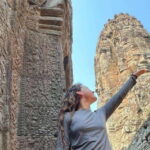
Angkor Thom is described as a massive materialization of Buddhist cosmology—huge scale, strong symbolism, and a lot of visual “storytelling” in stone. Even if you are not a hardcore architecture person, this is one of those places where a good guide makes the whole site click.
You likely spend about 30 minutes here. For some people that feels brief, but in practice it can be perfect because it keeps your energy for what comes next.
Baphuon: five levels on a rectangular base
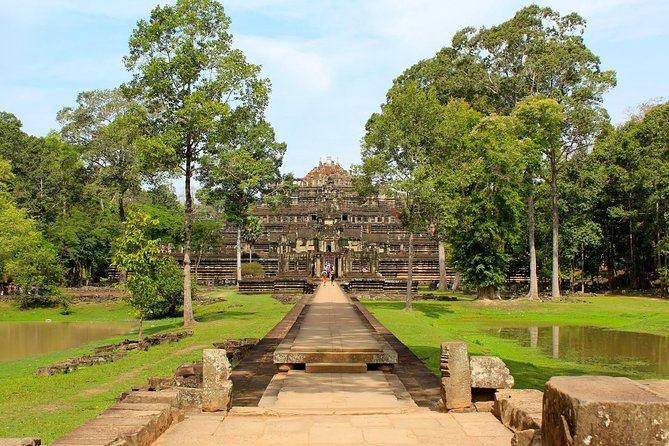
Baphuon is distinctive for its structure: it stands on a rectangular sandstone base with five levels that are about the same size, rather than the typical shrinking tiers you see in other Angkor temples. That difference is the kind of detail that makes the tour feel more than just a checklist.
Expect roughly 45 minutes. It is long enough to see the shape clearly and get a handle on the design before you move on.
Phimeanakas: the tower that once had a golden pinnacle
Phimeanakas is near the center of the royal palace enclosure. It is remembered partly because it must originally have been topped with a golden pinnacle, and it was described by Zhou Daguan as the Tower of… (your guide should fill in the context as you stand there).
This is a 30-minute stop. It is ideal if you like the “what did it look like then” angle, since ruin sites can feel incomplete until someone explains how they worked in the Khmer period.
Terrace of the Elephants and Terrace of the Leper King: power and drama
Next comes the Terrace of the Elephants (about 45 minutes). The carvings emphasize that elephants were ridden by servants and princes, tread quietly, and that even the steps were designed with careful regularity. It is not just decoration. It is propaganda in stone—how the kingdom wanted to show itself.
Then you go to the Terrace of the Leper King (about 30 minutes). This stop focuses on the dramatic bas-reliefs on both interior and exterior areas, tied to Jayavarman VII’s reign. It is also a good moment to slow down slightly, because the carvings reward close looking.
Together, these two terraces give you emotional variety: ceremony and hierarchy on one side, narrative bas-reliefs on the other.
Ta Prohm: kingdom of the trees (and why it feels different)
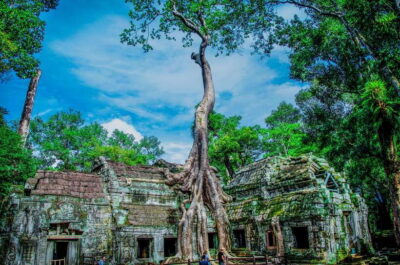
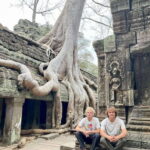
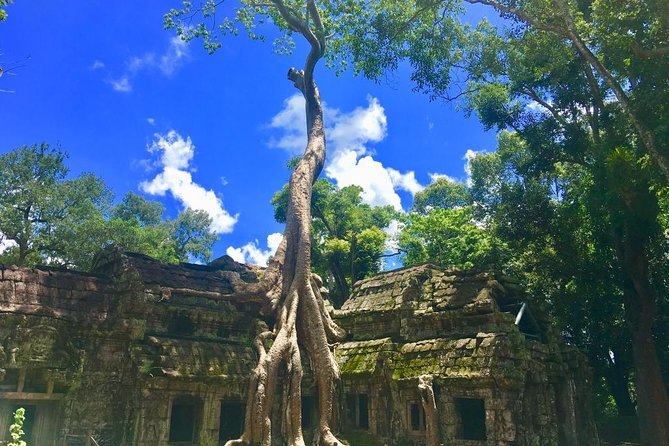
Ta Prohm is often the favorite for photos, but it is also more than a pretty scene. It is known as the kingdom of the trees, and it has been left mostly untouched by archaeologists except for clearing a visitor path and strengthening structures to slow further deterioration.
You have about 1 hour 30 minutes here, which is a gift. That time matters because it lets you move slowly under the big roots and actually notice the temple structure beneath the chaos of nature.
Angkor Wat: the best-preserved anchor of the whole complex
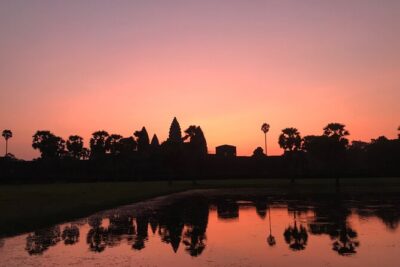
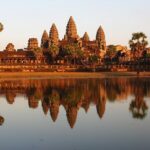
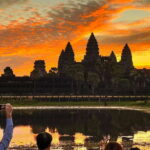
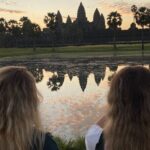
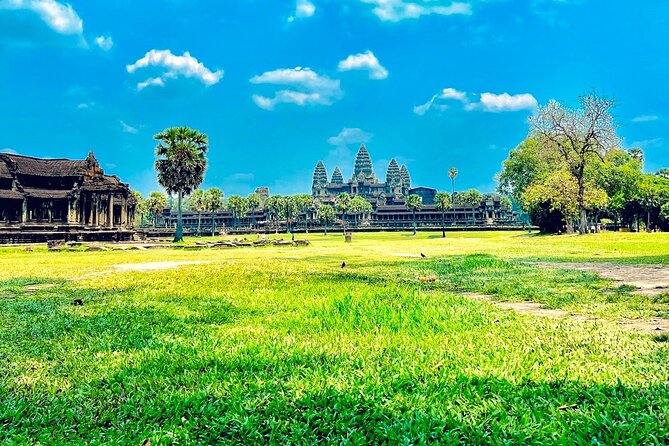
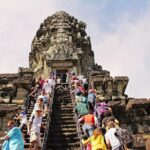
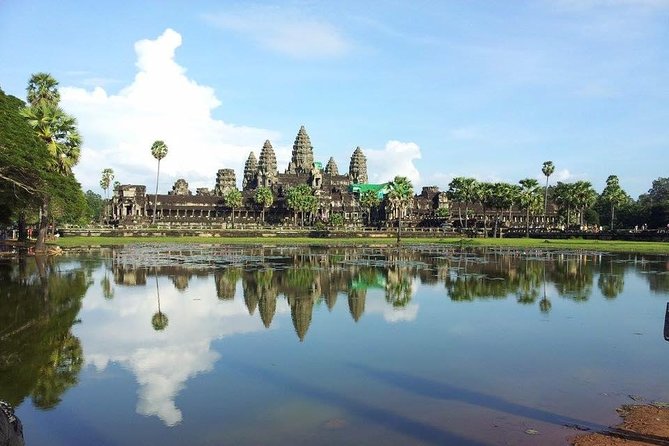
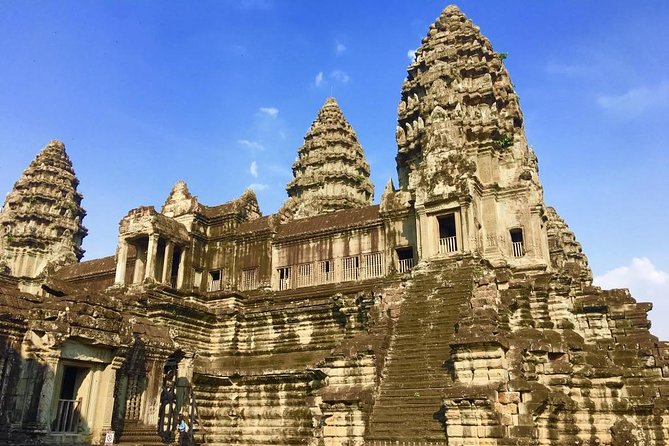
Angkor Wat is the largest monument in the Angkor group and is also described as the best preserved. It is one of the finest architectural achievements in the region, with careful composition, balance, and relief work that ties the sculpture into the larger design.
You spend about 3 hours here. That is a solid chunk, and it usually means you can catch the main sights without sprinting. If you want a more relaxed day, this is where you can slow down because Angkor Wat is built for wandering.
Ta Nei: the difficult-to-find, less-touristy finale
Day 1 ends with Ta Nei (around 45 minutes). This is the opposite mood of Angkor Wat. Ta Nei is described as small, deep in the jungle, and not a popular tourist destination. It can be difficult to find, which is exactly why it is worth including.
This stop is a good fit if you want something calmer and less standardized. The drawback is simple: if you only care about the most famous Angkor sites and dislike off-the-beaten-path areas, you might feel this one is less rewarding.
Day 2: temple details plus a market-style stop
Day 2 adds a different flavor: more outlying temples and one practical cultural stop for snacks and souvenirs. If Day 1 is about understanding the kingdom’s core, Day 2 is about seeing how wide Khmer temple building could be.
Banteay Srei: Khmer carving as a precious gem
Banteay Srei is praised by French archaeologists as a precious gem and a jewel in Khmer art. That kind of label usually means two things: fine carving and a temple experience that rewards attention to detail.
You have about 1 hour 20 minutes, which is a good time window for slow looking. If you like sculpture work and patterns more than large-scale views, you will likely enjoy this day’s first temple.
Banteay Samre: complete restoration, and visible decay elsewhere
Banteay Samre is described as one of the most complete complexes at Angkor because restoration used anastylosis. The reality check: the lack of maintenance over the past 20 years is evident, so it is not a perfectly polished set.
This stop is around 45 minutes. That is enough time to see the contrast and appreciate how restoration choices affect what you experience.
Pre Rup: bold architectural design and strong balance
Pre Rup is known for boldness of architectural design and its balance, scale, and proportion. It also has a style relationship to the East Mebon, though it was built several years later.
Plan for about 50 minutes. It is a strong temple for understanding how the Khmer architects played with structure and geometry.
Eastern Mebon: two-meter elephants and religious scenes
Eastern Mebon includes varied and exceptional sculpture, including free-standing stone elephants about two meters high at corners of the first and second tiers. There are also religious scenes, including Indra atop his throne.
This stop is about 30 minutes. It is not too long, but it is long enough if your guide points out the key sculpture zones.
Neak Pean: a square pond built like a dream of luxury
Neak Pean is centered on a large square man-made pond (70 meters per side, about 230 feet). It is bordered by steps and surrounded by four small structures, which creates a calm, planned feeling compared to the more frantic root-and-stone scenes elsewhere.
You have about 45 minutes. It is a good break from the heaviest “climb all the way up” temples, even though you are still walking.
Preah Khan: built in 1191, dedicated to royal family
Preah Khan is located about 2 kilometers north-east of Angkor Thom on the Grand Circuit. It was built in the second half of the 12th century, around 1191, by King Jayavarman VII and dedicated to his father, whose name your guide should explain as you go.
This is about 1 hour. That time works well because the temple is richer than it looks from the first approach—you need a little space to understand the dedication and the layout.
Banteay Prei: rarely visited and for people who want more than the basics
Banteay Prei is rarely visited and sits near another small temple called Prasat Prei. It is described as interesting mainly if you have time and a specific interest in studying Angkor in depth.
This stop is about 45 minutes. If you enjoy comparing temple styles and want the feeling of discovery, you will probably like it. If your priority is the biggest crowd favorites only, it could feel like work.
Om Pich steamed toddy palm cake and Prashdak Village stop
The final stop combines food culture and local browsing. The description mentions Om Pich steamed Toddy Palm Cake and Prashdak Village, plus a nearby market context connected to Preah Dak Market.
This is about 30 minutes. It is not a major temple stop, so it helps you cool down and reset—plus it is a practical chance to buy small souvenirs or snacks rather than hunting late.
Your guide and vehicle make or break the day
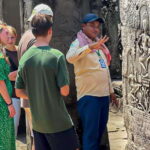
With Angkor, your day can turn into either a pleasant route with clear understanding or a frantic pass-through where you remember “a lot of stone.” Here, your professional English-speaking license tour guide and private vehicle transfers help keep the experience coherent.
The comfort pieces are also more meaningful than they sound. Cool fresh tissues and water matter because you are doing multiple stops in sun and humidity. And having one driver and one plan reduces the constant re-negotiation that can eat up your energy.
One more detail worth noting: flexibility. A guide add-on request for a land mine museum was reported as possible in a positive way, which suggests the operator may adjust the day if you ask in advance or early enough.
Tickets, timing, and dress code that keep you on the inside
Plan on the Angkor Pass being a separate step. Your guide assists with purchasing it at the entrance of Angkor Park before you start. So if you arrive thinking tickets are included, you can end up doing a quick correction mid-day.
Dress appropriately. You will want a shirt that covers your shoulders, and trousers or knee-length pants or skirts are permitted. It is not just about rules—temples are religious spaces, and you will feel better when your clothes fit the environment.
Timing-wise, this itinerary is structured with set stop durations, so you should expect a full schedule both days. That is great for seeing a lot, but it does mean you should bring a mindset of steady walking rather than spontaneous long detours.
Who this private Angkor tour is best for
This works especially well if:
- You want private-only time with a guide to connect the temples into one story.
- You like getting both the famous sites and the lesser-known stops like Ta Nei and Banteay Prei.
- You value a clean, organized day plan with pickup and transfers.
It may be less ideal if:
- You want only the top few Angkor Instagram icons and hate anything obscure.
- You are hoping lunch and entry fees are fully included in the price.
If your group is comfortable with walking and you want good structure, you will likely appreciate the way the two days are built.
Should you book this Angkor Complex 2-Day Private Tour?
I think you should book it if you want the best balance of major Angkor classics and quieter temple moments, without the hassle of coordinating transport yourself. The included guide and private transfers make the day feel controlled, and the itinerary hits a mix that goes beyond the obvious.
I would hesitate only if you are very budget-driven and do not want to add the Angkor Pass cost and daily meal costs, or if you would rather spend extra time at a smaller number of sites than cover many stops.
If you do book, message the provider about your pickup details and confirm your language preference. Also ask early whether any reasonable add-on like the land mine museum can fit your day, since that flexibility is a real perk.
FAQ
Is the Angkor Pass included in the tour price?
No. The Angkor Pass that covers the temples on the itinerary is not included. Your tour guide will assist you in purchasing it at the entrance of Angkor Park before starting.
What’s included in the $149.46 per person?
The price includes hotel pickup and drop-off (you provide your hotel name), a professional English-speaking licensed tour guide, private transfers by comfortable vehicle, and drink water plus cool fresh tissues during the trip.
Do I get a private tour or will I join other people?
This is a private tour/activity. Only your group will participate.
Do you offer hotel pickup in Siem Reap?
Yes, hotel pickup and drop-off are included. You need to provide your hotel name for pick up.
What about meals during the two days?
Meals are not included. Lunches are available at local restaurants with both vegetarian and non-vegetarian options, and meals are at your own expense (with menus often in the $3–$10 per dish range).
What should I wear when visiting the temples?
Dress appropriately. Wear a shirt that covers your shoulders, and trousers or knee-length pants or skirts are permitted.
Can I add an extra stop like the land mine museum?
You can request flexibility. One positive report included adding the land mine museum on request, suggesting the guide can accommodate extras when possible.
What is the cancellation/refund window?
You can cancel for a full refund if you cancel up to 24 hours in advance of the experience start time. Free cancellation applies within that window.