REVIEW · ANGKOR WAT
2-Days in temples and other areas
Book on Viator →Operated by ASEAN Adventure · Bookable on Viator
Temples can feel like a blur. This 2-day private plan keeps them organized, from the famous Angkor Wat highlights to the calmer back-road temples, with pickup and a friendly guide like Narin. You’ll love the private setup that lets the pace match your group, and the way lunch is built into the day so you’re not temple-hopping on empty energy.
One thing to consider: the big temple sights aren’t included, so you’ll budget extra for tickets, meals, and the boat on Tonle Sap.
On day 1, you’re set up to cover the “greatest hits” (Angkor Thom, Bayon, Ta Phrom), and then still get time for the atmosphere and details that make Angkor feel real, not just postcard photos. On day 2, you shift to temples like Preah Khan and Neak Poan, plus Preruk and Banteay Srey, which help you understand how the Khmer empire expanded and changed over time.
The drawback: you’ll walk and climb at multiple temple sites. The tour suggests moderate physical fitness, so if mobility is limited, plan for slower breaks.
In This Review
- Key Things I’d Book This For
- Day 1: Angkor Thom, Bayon, Angkor Wat, and Ta Phrom in One Clean Flow
- A thoughtful detour: learning about landmines
- Lunch in the Angkor Archaeological Park (you pay after)
- Night in Siem Reap: Khmer Dancing Show or Khmer Circus
- Day 2: Preah Khan, Neak Poan, Preruk, and Banteay Srey
- Preah Khan: built for Jayavarman VII
- Neak Poan: the island temple in the Jayatataka baray
- Preruk: state temple for Rajendravarman
- Banteay Srey: Shiva and Parvati
- Lunch, then a big contrast: Tonle Sap
- Tonle Sap Lake Floating Villages: The Boat Portion You Should Plan For
- Logistics and Value: How $261 Works for Two Days
- Getting the Most Out of This Tour: Pace, Heat, and Temple Etiquette
- Dress and comfort matter more than you think
- Water is included, but don’t skip planning
- Weather can change the plan
- Should You Book This 2-Day Angkor Temples Tour?
- FAQ
- What’s included in the tour price?
- What isn’t included?
- Is this a private tour?
- Where does the tour start?
- How long is the tour?
- What level of fitness do I need?
- What happens if the weather is bad?
- Is there free cancellation?
Key Things I’d Book This For
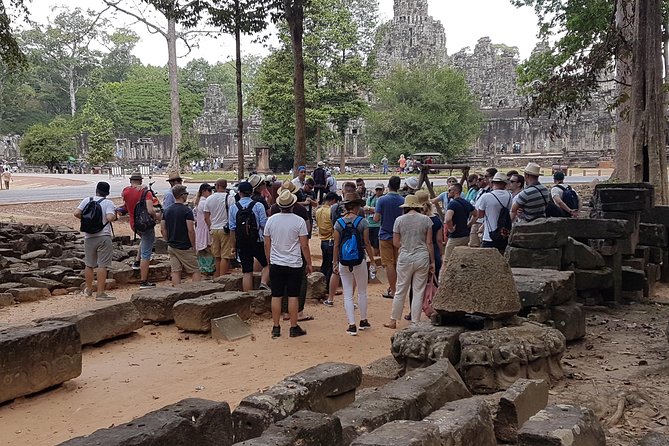
- Narin as a guide: praised for flexible pacing, strong temple explanations, and getting you to spots where big groups don’t linger.
- A private, non-rushed rhythm: pickup, transport in a car/van, and custom timing (including starting earlier to avoid the hottest parts).
- Day 1 temple “arc”: Angkor Thom city, Bayon, Angkor Wat, and Ta Phrom lined up in a way that builds meaning.
- Day 2 temple “deepening”: Preah Khan, Neak Poan (island temple in Jayatataka baray), plus Preruk and Banteay Srey.
- Tonle Sap floating villages option: the boat element is separate, but it’s the kind of contrast that makes the trip feel complete.
Day 1: Angkor Thom, Bayon, Angkor Wat, and Ta Phrom in One Clean Flow
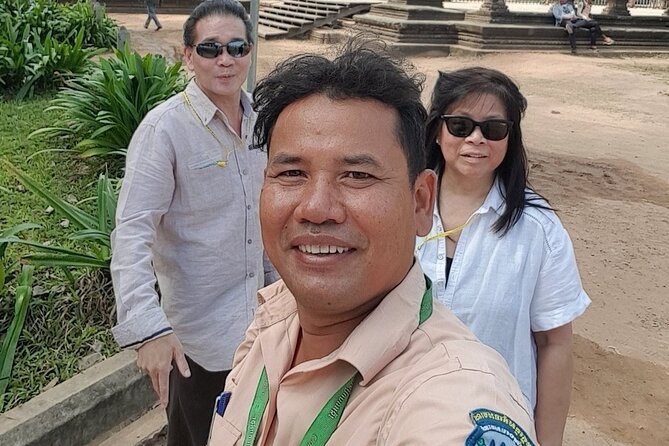
Day 1 is built for maximum impact if you only have 2 days. A private guide picks you up from your hotel in Siem Reap, and you start with Angkor Thom City—the walled, ancient heart that helps you orient yourself fast. This is where you get the feeling of the entire complex as a living urban plan, not just scattered ruins.
From there, you move into the Bayon complex. Bayon is famous for its stone faces, but what matters on a first visit is the way the site frames sightlines. Your guide can point out which parts to focus on first so you don’t spend half your morning wandering for the “big view” later. It also helps to have someone managing the timing while you’re dealing with temple crowds and the sun.
Then comes Angkor Wat. Even if you’ve seen photos for years, the scale hits you differently when you’re standing at the base and moving through the corridors. Do yourself a favor: read the dress reality ahead of time. Angkor Wat requires covered knees and shoulders, and I love that the tour includes a guide who can actually solve mistakes. In one of the experiences shared with this tour, Narin arranged a spare wrap through a guide friend when a guest arrived in shorts.
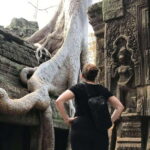
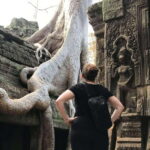
After Angkor Wat, you head to Ta Phrom, the temple many people recognize from movie and photo scenes. Ta Phrom works best when you treat it like a story: stone, roots, and passageways that feel half-explained. With a private guide, you can stop where the details are most interesting to your group, instead of getting dragged through in a line.
You can also read our reviews of more tours and experiences in Angkor Wat
A thoughtful detour: learning about landmines
One extra stop that showed up in guide-led experiences is a landmine museum dedicated to finding them and disarming them. It’s not the kind of place you’d expect on a temple tour, but it adds context to modern Cambodia in a way that feels honest and important. If it’s included in your day’s route, it’s worth the time.
Lunch in the Angkor Archaeological Park (you pay after)
Lunch is planned near the Angkor Archaeological Park, which is convenient. The key detail is that you pay for lunch yourself after you finish. That means you’ll want a simple plan for what you’ll do if a menu doesn’t match your tastes—stick to basic Khmer dishes and keep hydration top of mind.
At the end of day 1, you’re dropped back at your hotel. That matters more than you might think. It gives you a real break before day 2 instead of dragging on into the evening.
Night in Siem Reap: Khmer Dancing Show or Khmer Circus
This tour doesn’t fill your night with logistics. It recommends that you spend your evening on something cultural—like a traditional Khmer dancing show or a Khmer circus—and then follow up with local restaurants (paid by you).
That’s a good fit after temples because your brain needs a different kind of stimulation. Also, you’ll be more relaxed on day 2 if you’re not trying to squeeze shopping or a second activity into a post-temple evening.
If you’re doing this trip as a couple or family, this is one of those nights where you can pick something easy and enjoyable without planning the next day’s route.
Day 2: Preah Khan, Neak Poan, Preruk, and Banteay Srey
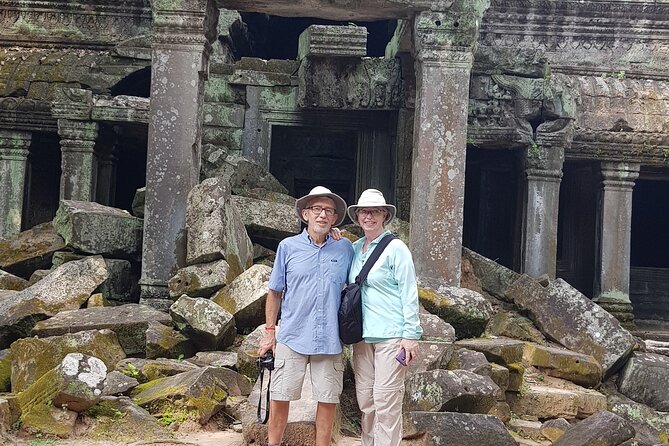
Day 2 is where the tour shifts gears. Instead of just repeating the biggest names, it takes you into temples that help explain Khmer priorities—religion, rulers, and how water-management landscapes shaped where temples were built.
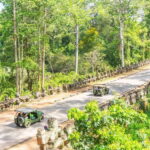
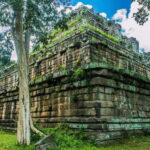
Preah Khan: built for Jayavarman VII
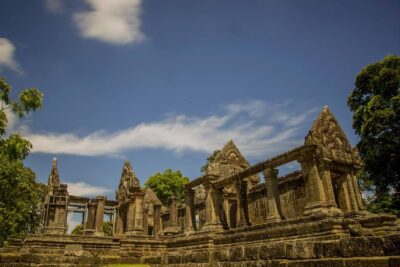
You start with Preah Khan, a 12th-century temple associated with King Jayavarman VII. It’s positioned northeast of Angkor Thom, and it’s often linked to the idea of honoring the king’s father. The central sanctuary dedicated in AD 1191 gives you a concrete timeline, which helps your guide make sense of what you’re seeing when the architecture starts blending together.
What I like about starting with Preah Khan on day 2 is that it creates continuity. You already saw the core Angkor themes the day before, so Preah Khan feels like a chapter, not a brand-new book.
Neak Poan: the island temple in the Jayatataka baray
Next is Neak Poan, described as an island temple in the centre of the Jayatataka baray. This is one of those sites that rewards slowing down. It’s not just about walking to the main structure; it’s about understanding why the temple sits in relation to water.
If you’re the type who likes “why here?” questions, Neak Poan is a satisfying answer.
Preruk: state temple for Rajendravarman
Then you visit Preruk, a Hindu temple built as a state temple of Khmer king Rajendravarman. It’s dedicated in 961 or early 962. That date detail matters because it anchors the site historically, especially when you’re moving across multiple centuries of temple building across the circuit.
It’s also a reminder that Angkor isn’t one religion at one time. You’re seeing Hindu sacred architecture, and then later shifts over the centuries.
Banteay Srey: Shiva and Parvati
Finally on day 2, you go to Banteay Srey, a 10th-century temple dedicated to the Hindu god Shiva and Parvati. Having Preruk and Banteay Srey in the same day helps you compare how dedication and design express the same religious core while still looking different in detail.
By the end of day 2’s temple run, you’ll likely feel like you’ve moved past the “tourist checklist.” You’re learning patterns.
Lunch, then a big contrast: Tonle Sap
As with day 1, lunch happens before your next big activity. Lunch is paid by you.
Then you head to Tonle Sap Lake, home to famous floating villages. The boat component is paid by the client, and that’s a key planning point. If you want this part of the day to feel worth it, set aside energy for the boat ride and accept that it adds another layer of walking/standing time.
Tonle Sap Lake Floating Villages: The Boat Portion You Should Plan For
Tonle Sap adds an important contrast to temple-heavy days. Instead of stone and carvings, you’re looking at daily life shaped by water levels and practical living. That alone makes the experience feel more balanced.
The boat is not included, so you’ll decide on the spot how you want to handle it. If you’re traveling with kids or anyone with limited mobility, this is where your group’s comfort matters most. The best move is to keep your pace steady and don’t let temple fatigue run the day.
When you’re choosing what to prioritize, I’d treat Tonle Sap as the “you came all this way” moment. Temples are the headline, but a lake village visit is what can make the trip feel personal.
Logistics and Value: How $261 Works for Two Days
At $261 for roughly 2 days, you’re paying for a private guide plus transport. The included essentials are guide, car/van, and water. That’s a solid base because Angkor-area driving can eat up time, and getting someone local to handle routing saves you from guessing.
Where the value becomes clearer is in what’s not included:
- Temple tickets
- Food
- Boat for Tonle Sap
So this isn’t a one-price, all-in temple pass. You’re essentially buying convenience and expert sequencing, then paying site fees and meals separately.
In my view, this is fair. Temple admissions and food costs vary based on your preferences, and paying as you go gives you control. It also means you can keep the itinerary flexible—especially important on a private tour where you don’t want to feel locked into a rigid “ticket bundle” schedule.
Getting the Most Out of This Tour: Pace, Heat, and Temple Etiquette
This tour is private, so the pacing is part of the product. In shared experiences with this guide setup, Narin is praised for being flexible—starting earlier than the original plan so you can avoid the hottest parts of the day. I love that mindset because it protects your energy for the temples that require the most attention.
Dress and comfort matter more than you think
Angkor Wat requires covered knees and shoulders. If you forget, don’t panic. The tour’s guide can help sort out solutions (like arranging a spare wrap through a guide connection, as happened in one shared experience).
Also, expect real walking. Even if you’re fit, you’ll still be on uneven ground. The tour states moderate physical fitness, so you’ll want good footwear and a willingness to pause often.
Water is included, but don’t skip planning
Water is included, which helps. Still, keep your own habits in mind: bring sun protection, take breaks when your body asks for them, and use the lunch stops as actual recovery time rather than quick refueling.
Weather can change the plan
The tour requires good weather. If it’s canceled due to poor weather, you’ll get offered a different date or a full refund. That’s worth thinking about when you plan your Cambodia schedule—build in some breathing room.
Should You Book This 2-Day Angkor Temples Tour?
I’d book this tour if you want:
- a private plan with pickup and a real guide (Narin is a strong example of how this works),
- a two-day route that moves beyond only Angkor Wat by adding sites like Preah Khan and Neak Poan,
- and a structured way to handle lunch and the Tonle Sap boat portion without turning your trip into constant navigation.
I’d hesitate if:
- your group wants a fully all-inclusive price with no separate temple/boat payments,
- you’re not comfortable with temple walking and climbing (the tour calls for moderate physical fitness),
- or you’d rather spend more time in fewer sites instead of covering multiple temples in two days.
If you like a well-paced plan that still leaves room for your group’s interests, this is a smart way to do Angkor in short time.
FAQ
What’s included in the tour price?
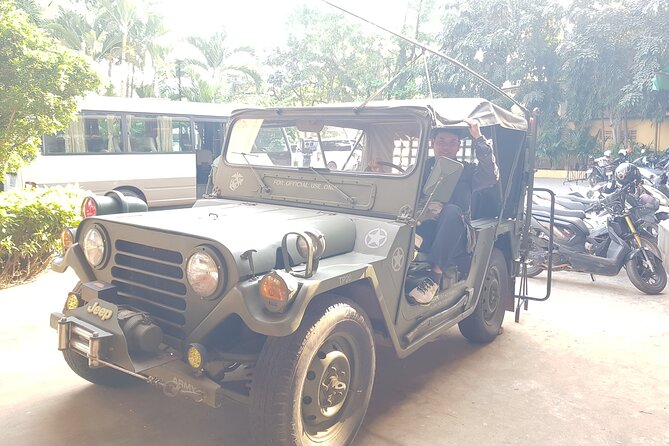
The tour includes a guide, car/van transportation, and water. A pickup is offered, and you’ll receive paper tickets.
What isn’t included?
You’ll pay separately for temple tickets, food, and the boat on Tonle Sap Lake.
Is this a private tour?
Yes. It’s listed as private, with only your group participating.
Where does the tour start?
The start point is in Krong Siem Reap, Cambodia, with pickup from your hotel mentioned for day 1.
How long is the tour?
It’s approximately 2 days.
What level of fitness do I need?
The tour notes that travelers should have a moderate physical fitness level.
What happens if the weather is bad?
The experience requires good weather. If it’s canceled due to poor weather, you’ll be offered a different date or a full refund.
Is there free cancellation?
Yes, you can cancel up to 24 hours in advance for a full refund.