REVIEW · SIEM REAP
Banteay Srei and Grand Circuit Heritage Tour from Siem Reap
Book on Viator →Operated by Journey Cambodia · Bookable on Viator
Small temples, big meaning in one day. This Grand Circuit Heritage Tour covers the angles of Angkor most people skip, with a countryside run that starts at 8:00am and keeps you comfortable in an air-conditioned vehicle. I love the small-group pace (max 15) and I love getting quality time with Banteay Srei’s carvings. The main consideration: temple entrance is not included, and you’ll need a $37 temple pass paid on site.
On the ground, the experience hinges on two things: your guide’s clarity and the logistics that get you from ruin to ruin without melting. You’ll have an English-speaking guide, plus bottled water and cool towels, and the route mixes Hindu and Buddhist sites so the spiritual story changes as the day goes on. If you’re hoping for sunset at Phnom Bakheng, also remember that clouds can blunt the view, even when everything else goes right.
In This Review
- Key Highlights Worth Your Time
- Grand Circuit Value: Why This Stops Beyond Angkor Wat
- Morning Logistics That Actually Matter in Siem Reap
- Pre Rup: A Hindu State Temple Start That Sets the Tone
- Banteay Srei: The Carving Stop That Changes How You See Angkor
- Neak Pean: The Island Temple Break Between Bigger Names
- Preah Khan: Jayavaraman VII’s Vision and a Strong Contrast
- Phnom Bakheng: Sunset Vantage, Classic Angkor Energy
- The Price Math: $24 Tour, Then the $37 Temple Pass
- Guide and Driver Quality: What Makes the Day Feel Smooth
- Who Should Book This Grand Circuit Heritage Tour
- Quick Booking Tips Before You Go
- Should You Book This Tour or Choose Another Day Trip?
- FAQ
- What time does the tour start, and how long is it?
- Which temples are included on this Grand Circuit route?
- Is hotel pickup and drop-off included?
- Are temple entrance fees included in the $24 price?
- How big is the group?
- What should I wear to visit the temples?
- Is this tour suitable for children?
- Do I need passport details to book?
Key Highlights Worth Your Time
- Max 15 travelers keeps the day feeling personal instead of rushed
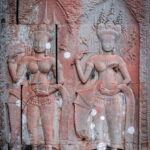
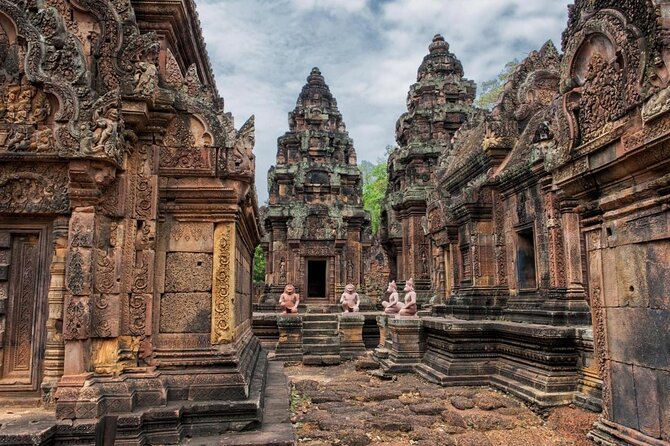
- Banteay Srei delivers some of Angkor’s most intricate sandstone relief work
- Air-conditioned transport and cool towels help you stay sharp between stops
- A Hindu-to-Buddhist mix across Pre Rup, Neak Pean, and Preah Khan adds context
- Phnom Bakheng at sunset gives you a classic Angkor finish if the sky cooperates
Grand Circuit Value: Why This Stops Beyond Angkor Wat
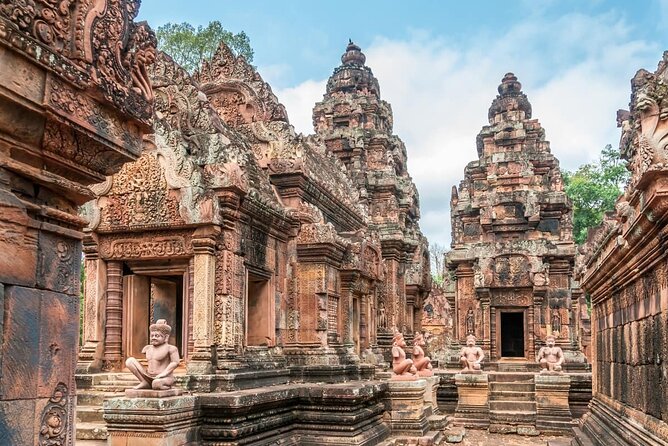
If your Angkor plan is mostly Angkor Wat and Angkor Thom, this tour is a smart counterbalance. The Grand Circuit style route leans into smaller temples and quieter settings, where the carvings can feel closer and the details harder to miss. You’ll still see recognizable names, but the emphasis is on craftsmanship and variety, not just famous silhouettes.
Pre Rup and Phnom Bakheng give you that classic Angkor-at-sunrise/sunset rhythm, but the real attention grabber is Banteay Srei. It’s smaller and made of sandstone, which means the reliefs often read like sculpture rather than distant ornament. For me, that’s where a day like this earns its place: you walk away with a different kind of Angkor memory.
And because you’re not crammed into a huge bus, you have a better shot at moving at a human pace. That matters in Cambodia heat, but it also matters for photos and for actually listening to your guide instead of shouting over traffic.
You can also read our reviews of more historical tours in Siem Reap
Morning Logistics That Actually Matter in Siem Reap
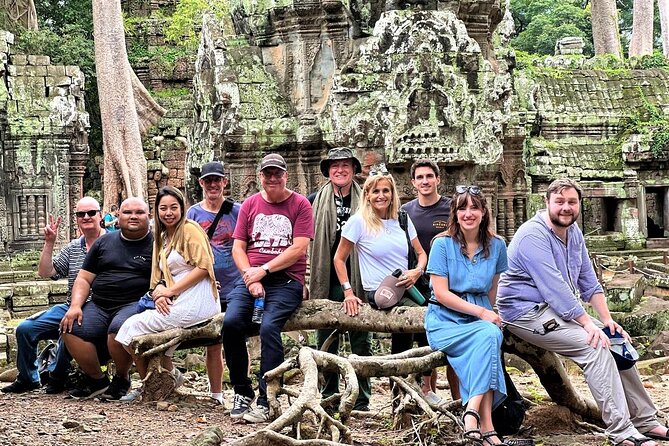
You start at 8:00am, and the tour includes hotel pickup and drop-off around Siem Reap. That’s not a small detail—starting on time and not wasting half the morning finding your meeting point makes a big difference for an 8-hour day.
Transport is climate-controlled, and you get bottled water and a cool towel to manage the warm, often humid conditions. This kind of comfort doesn’t just feel nice; it helps you stay engaged. When you’re not overheating, you’ll spend more energy noticing carvings, doorways, and the way each temple’s layout tells a different story.
Bring two practical items:
- Comfortable walking shoes, since you’ll cover temple grounds at each stop
- Clothing that meets the rule: knees and shoulders must be covered
One more practical note: this tour uses a mobile ticket, and you’ll need your passport name and country when booking. It’s a small admin step, but it prevents last-minute headaches later.
Pre Rup: A Hindu State Temple Start That Sets the Tone
Pre Rup is first on the schedule, with about 1 hour 30 minutes on site. This is a Hindu temple associated with the Khmer king Rajendravarm and built as a state temple—so the atmosphere is different from the Buddhist sites you’ll see later.
What I like about starting here is that it gives you a baseline for Khmer sacred design. Even if you’ve seen other Angkor temples, Pre Rup’s structure helps you spot patterns: how platforms and towers are arranged, and how religious purpose shapes what you see from certain angles.
Possible consideration: Pre Rup is early in the day, and you’ll want to be ready for walking and sun before the midday heat settles in. If you’re sensitive to mornings, it’s still manageable with water and breaks, but don’t plan to sleep in and still expect the full day.
Banteay Srei: The Carving Stop That Changes How You See Angkor
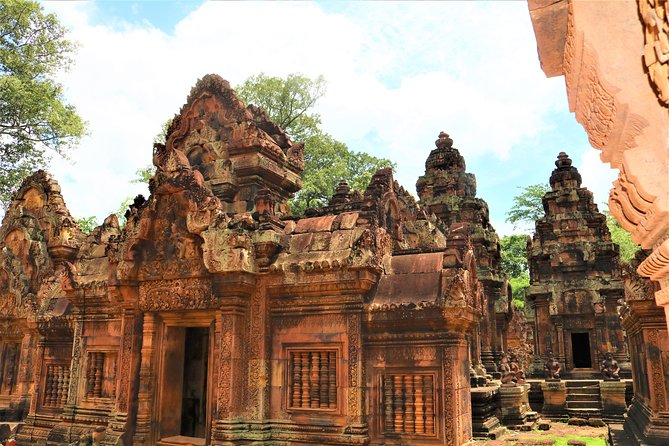
Banteay Srei is the centerpiece on this route, with about 3 hours on site. It’s a smaller sandstone temple, and that detail matters. Sandstone tends to preserve fine reliefs in a way that feels almost intimate—like the temple is inviting you closer to the stories.
This is one of those stops that can feel like a different country inside the same UNESCO bubble. The reliefs are often described as among the finest and most skillfully crafted in Cambodia, and the best way to enjoy them is slow attention. Look for the facial expressions, the patterned borders, and the way scenes repeat with variation. With enough time, you start noticing craftsmanship levels you’d miss on a quick photo stop.
Group size helps here. With a limit of 15 travelers, you’re less likely to get swallowed by a crowd at the best viewing points. You can ask your guide questions without feeling like you’re holding everyone back.
If your guide has a photography habit, you may also get pointers on where to stand for cleaner compositions—angles that reduce distracting glare and let carvings read better in photos. Even if you don’t care about photography, those standing spots often make the temple feel clearer to understand.
Neak Pean: The Island Temple Break Between Bigger Names
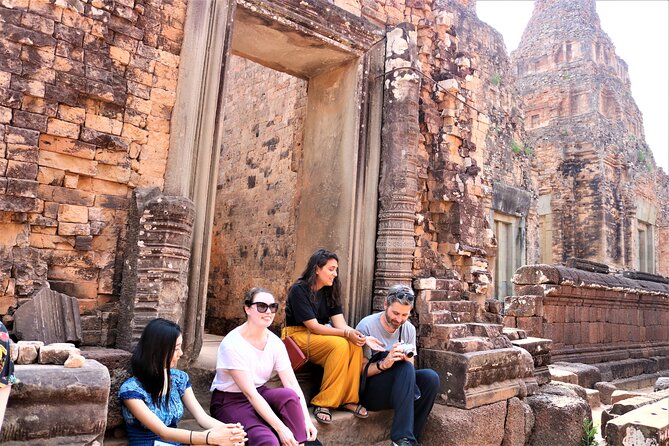
After Banteay Srei, you’ll drive to Neak Pean, with around 40 minutes there. Neak Pean is an artificial island with a Buddhist temple, so this stop shifts the spiritual tone again.
Why this works on the schedule: it’s a breather between larger, more visually dense sites. You can step back from nonstop grandeur and reset your eyes. Neak Pean is also a helpful reminder that Angkor isn’t one style or one faith all the way through. Khmer temple culture adapted, and the route makes that contrast easy to feel.
Drawback to keep in mind: time is shorter here. If you love a slower, lingering pace, you’ll still enjoy the stop, but you won’t get the same deep focus you’ll have at Banteay Srei.
Preah Khan: Jayavaraman VII’s Vision and a Strong Contrast
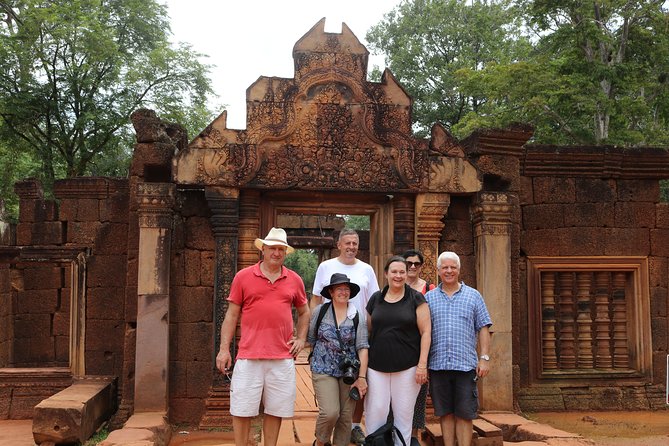
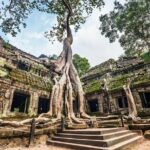
Preah Khan takes about 1 hour on site. This is commissioned by Jayavaraman VII, built in honour of his father, and it makes a strong contrast with the bigger, more imposing Angkor icons people often rush through.
What to look for here is how a complex site communicates purpose. Preah Khan can feel like a living puzzle: multiple structures, corridors, and spaces that reward basic orientation. If your guide explains the context clearly, you’ll notice how the layout supports the temple’s role—not just as a monument, but as a place meant to function.
Balanced expectation: Preah Khan is smaller in your day than Preah Khan at scale might sound, but the shorter time works because you’re not trying to power through everything. You’ll leave with a better feel for how different Angkor sites fit together conceptually.
Phnom Bakheng: Sunset Vantage, Classic Angkor Energy
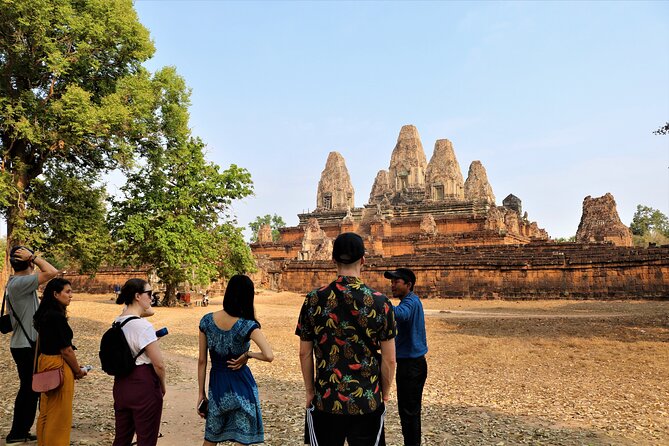
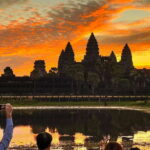
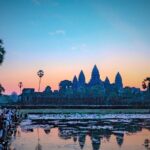
The final stop is Phnom Bakheng, scheduled for about 1 hour, timed for sunset. This is the part of the day people remember most when the sky cooperates: temple ruins in silhouette with a wide view toward Angkor Wat in the distance.
Clouds can interfere—so don’t tie your mood entirely to the weather forecast. Even when sunset isn’t perfect, Phnom Bakheng still has that “you’re in the right place” energy. You’ll likely get a strong sense of how Angkor’s layout was designed to be seen from elevated points.
Practical tip: wear your covered clothing and keep your shoes comfortable. Sunset timing can mean uneven ground and more time spent standing than you expect.
The Price Math: $24 Tour, Then the $37 Temple Pass
The tour price is $24 per person, but you should budget for the temple pass separately. The included list does not cover temple entrance fees. The temple pass is $37 per person, paid directly to the site.
So your main math looks like this:
- Tour cost: $24
- Temple pass: $37
- Total: $61 per person for the sights on this route
Is it good value? In my book, it can be, because your money pays for more than just entry timing. You’re getting hotel pickup and drop-off, an air-conditioned vehicle, an English-speaking guide, and on-the-day logistics like bottled water and cool towels. You’re also getting multiple sites across a full day instead of a rushed half-tour.
If you’re already planning another Angkor day, compare how many temples you’ll cover elsewhere. This route is especially strong when you want a second day that isn’t a repeat of Angkor Wat.
Guide and Driver Quality: What Makes the Day Feel Smooth
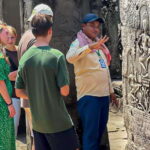
This experience lives or dies on guide clarity and day-of pacing. The tour includes an experienced English-speaking tour guide, and in practice, guides like Sak have been highlighted for detailed explanations and for spotting good photo spots. Another guide mentioned is Pi, described as able to answer questions and keep the group engaged.
Also pay attention to the driver. A safe, confident driver like Black can make temple days less stressful, because you spend less time worrying and more time watching the countryside slide by.
One caution from past experiences: a small number of people have described a guide who pressured for 5-star ratings during or after the tour. That’s not the kind of thing you can fully predict, but if you prefer no rating pressure, set your comfort level early and be polite but firm.
Who Should Book This Grand Circuit Heritage Tour
This tour is a good fit if you:
- Want a second Angkor day that’s different from the main big-name circuits
- Like explanations that connect temple design to what the Khmer builders intended
- Prefer small-group pacing (max 15) and comfort between stops
- Enjoy the mix of Hindu and Buddhist sites in one route
It may be less ideal if you:
- Have a strong need for long, slow time at every stop (the day is busy)
- Get extremely frustrated by weather-driven sunset plans
This is also a practical choice for first-timers who want a broader sense of Angkor beyond the famous postcard temples.
Quick Booking Tips Before You Go
A few things you should do before your 8:00am start:
- Confirm your booking includes the mobile ticket
- Make sure your passport name and country are accurate
- Wear clothing that covers knees and shoulders
- Pack comfortable walking shoes
- Keep some spare cash for the temple pass if you haven’t already mentally budgeted it
If you’re sensitive to heat, use the cool towel and water consistently rather than waiting until you feel drained. The day is easier when you stay ahead of fatigue.
Also, if you want the most from Banteay Srei, don’t rush that stop. Three hours can go faster than you think if you’re just clicking photos.
Should You Book This Tour or Choose Another Day Trip?
I think you should book this if your goal is to see Angkor with context—temples that feel different from Angkor Wat and the chance to spend meaningful time at Banteay Srei. The small-group size, hotel pickup, and air-conditioned comfort help this day feel well-run, and the route’s Hindu-to-Buddhist switches keep you engaged.
Hold off if you’re chasing only the most famous viewpoints and you don’t care about smaller, carving-focused temples. For most people doing two days in Siem Reap, though, this one is a strong companion day to the inner sites.
If your plans are flexible, you’ll also appreciate that free cancellation is available up to 24 hours before the experience for a full refund.
FAQ
What time does the tour start, and how long is it?
The tour starts at 8:00am and runs for about 8 hours.
Which temples are included on this Grand Circuit route?
You’ll visit Pre Rup, Banteay Srei, Neak Pean, Preah Khan, and end at Phnom Bakheng for sunset.
Is hotel pickup and drop-off included?
Yes. Convenient pickup and drop-off at Siem Reap hotels are included.
Are temple entrance fees included in the $24 price?
No. Temple entrance fees are not included. You must pay a temple pass of $37 per person directly at the sites.
How big is the group?
This tour has a maximum of 15 travelers.
What should I wear to visit the temples?
You need clothing that covers your knees and shoulders. Comfortable walking shoes are recommended.
Is this tour suitable for children?
Children must be accompanied by an adult, and the minimum age is 8 years old.
Do I need passport details to book?
Yes. Passport name and country are required at the time of booking for all participants.