REVIEW · SIEM REAP
Siem Reap: Banteay Srei and Grand Circuit Heritage Tour
Book on GetYourGuide →Operated by Journey Cambodia · Bookable on GetYourGuide
Skip the crowds; chase carvings and roots. This Siem Reap tour focuses on Angkor’s lesser-known temples with standout stops like Banteay Srei and an end-of-day sunset viewpoint.
I like the way this day stays structured but not rushed: you get a small-group feel with an experienced English-speaking guide, plus cool breaks that matter in the heat (bottled water and a cool towel after each major stop). The main drawback to plan around is that it’s a long 9-hour outing, and you’ll also need to budget for temple entrance fees (including the Angkor Pass surcharge).
In This Review
- Key Things That Make This Tour Worth It
- A Grand Circuit Day That Feels Like a Real Route
- Morning Temple Pairing: Preah Khan’s Atmosphere and Neak Pean’s Stillness
- Preah Khan: Ruins With Personality
- Neak Pean: The Circular-Island Temple Moment
- Banteay Srei: Why This Smaller Temple Can Outshine the Big Names
- What to do when you’re there
- Pre Rup at Sunset: The Temple Mountain Finish
- Plan for weather, but don’t panic
- How the Guide and Driver Actually Affect Your Day
- The driver’s role is real
- Itinerary Fit: A Day That Works Even If You’ve Done Angkor Wat
- Price and Logistics: The Real Value Math
- Why that still feels like good value
- What to Bring (and What Not to Wear)
- Should You Pair This With a Sunrise or 2-Day Angkor Plan?
- Final Verdict: Should You Book This Tour?
- FAQ
- What temples are included on the tour?
- How long is the tour?
- Is hotel pickup and drop-off included?
- Do I need to pay for temple entrances?
- What should I bring, and is there a dress code?
- Is the tour suitable for children or wheelchair users?
Key Things That Make This Tour Worth It
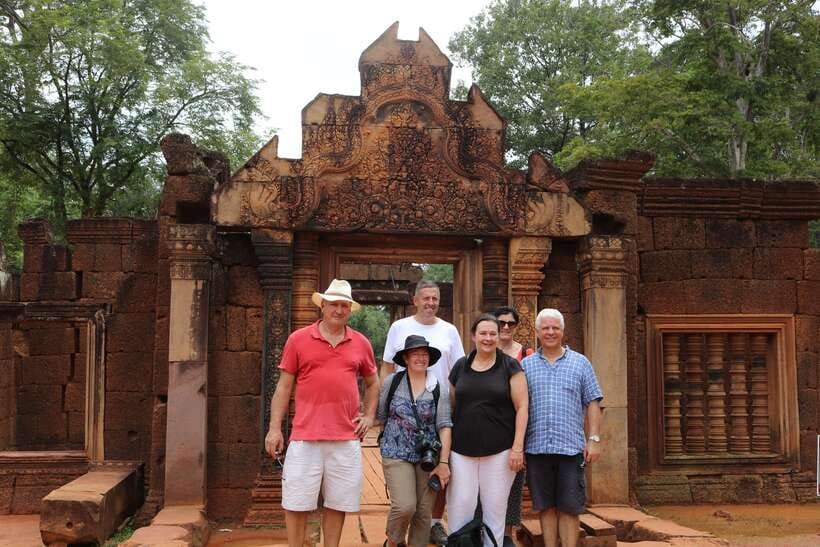
- Banteay Srei’s sandstone carving work is the kind of detail that feels hard to find elsewhere in Cambodia
- Preah Khan’s tree roots and restoration contrast with the bigger, more famous sites
- Neak Pean’s circular island temple setting gives you a calmer, more contemplative stop
- Pre Rup sunset timing adds drama, especially when the sky cooperates
- Small group touring means you can ask questions and get clearer photo tips without feeling herded
A Grand Circuit Day That Feels Like a Real Route
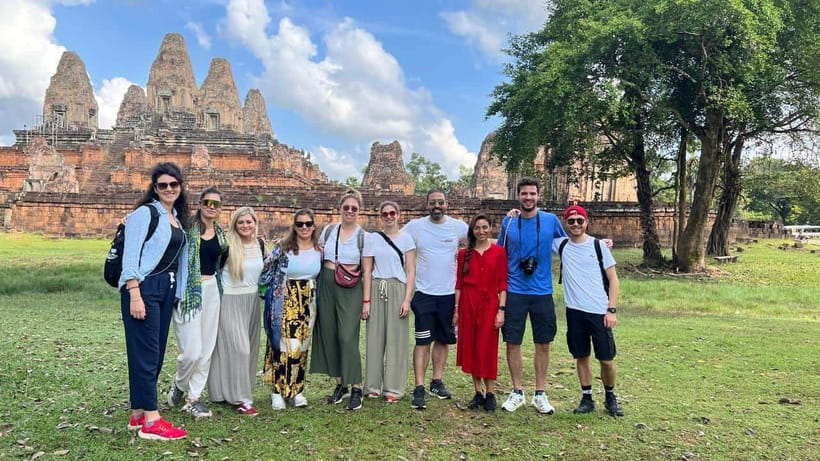
This isn’t a second-rate “see what’s nearby” add-on. The point is to hit temples outside the biggest Angkor crowd zones, then connect the dots between Hindu and Buddhist Khmer eras through what you see on-site.
The rhythm is built for people who want more than one day at Angkor. You’re picked up in Siem Reap, then you spend the morning moving through the lesser-visited circuit, take lunch mid-day, and finish with a sunset-focused temple mountain experience. It’s a full day, but the itinerary is arranged to keep you from bouncing randomly between sites.
You can also read our reviews of more historical tours in Siem Reap
Morning Temple Pairing: Preah Khan’s Atmosphere and Neak Pean’s Stillness
Preah Khan: Ruins With Personality
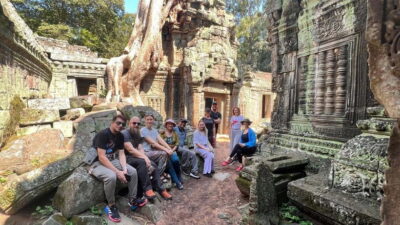
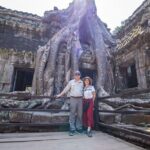
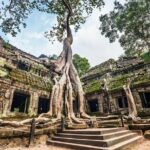
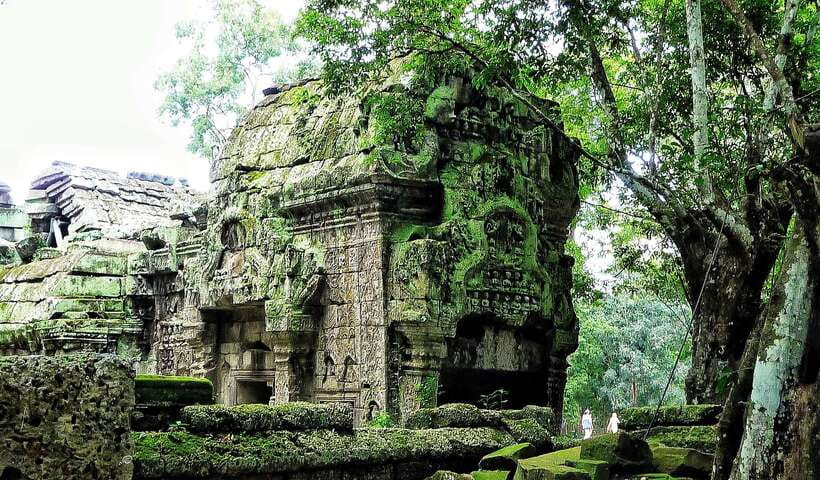
Preah Khan is one of those places where your first reaction is visual, then your second reaction is meaning. The site is famous for its ruined stonework mixed with overgrown tree roots, giving you a lived-in, slightly haunting look that doesn’t feel staged.
This temple was commissioned by Jayavaraman VII in honor of his father, and the contrast between that “royal intent” and the present-day ruin effect is part of the story. Importantly, Preah Khan is being restored by the World Monument Fund, and in some sections the condition is surprisingly strong, so you’re not only seeing deterioration—you’re also seeing care and continuity.
Practical note: you’ll want good walking shoes. This area isn’t designed for a leisurely stroller pace, and you’ll likely do more walking than you expect from a “photo stop” description.
Neak Pean: The Circular-Island Temple Moment
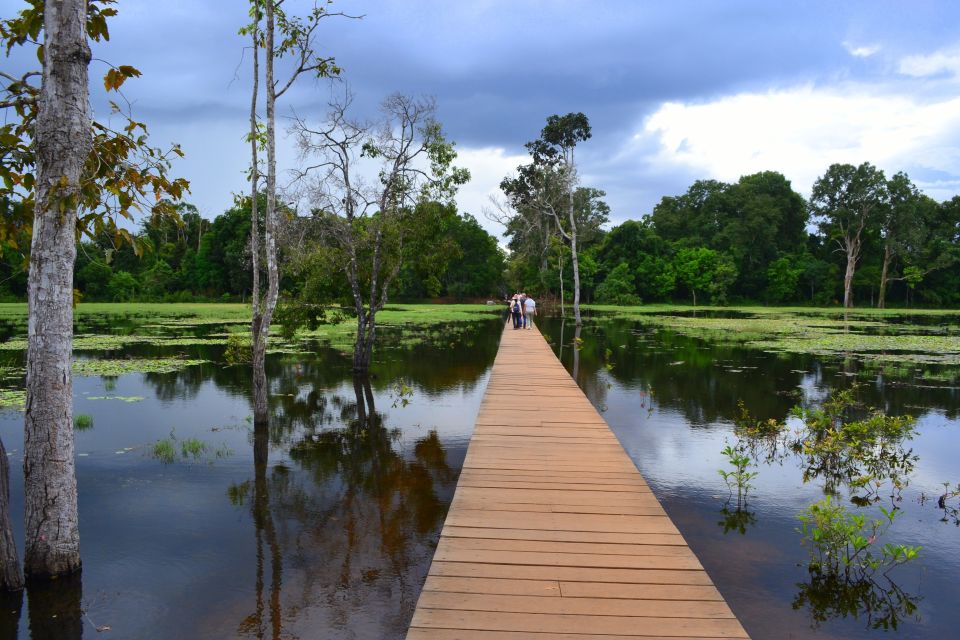
After Preah Khan, you shift into a different mood at Neak Pean. This temple sits on an artificial island, with a Buddhist temple on a circular island in Jayatataka Baray (the reservoir setting matters). The structure and setting combine to create that “pause and look around” feeling—less roar, more space.
What I like about adding Neak Pean to this route is that it changes the texture of the day. You’re not only collecting temples; you’re collecting types of temple experience—monumental ruin vibes, then a calmer water-and-island environment.
Banteay Srei: Why This Smaller Temple Can Outshine the Big Names
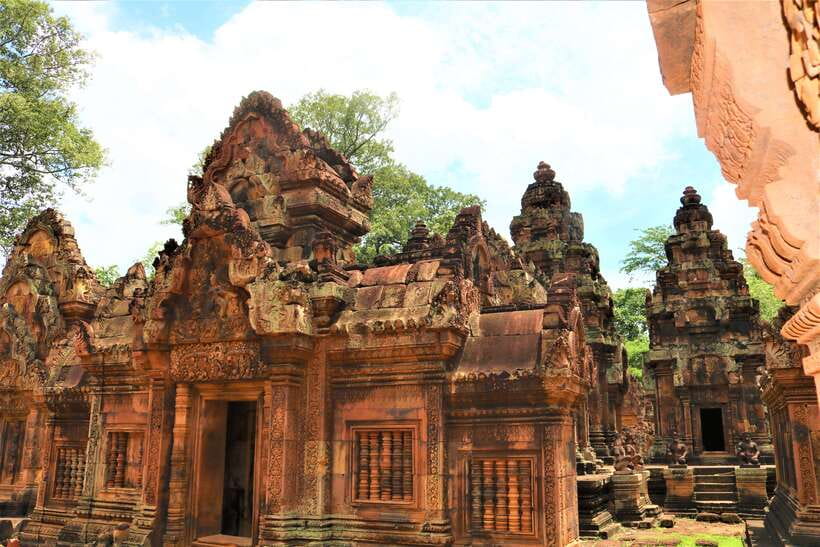
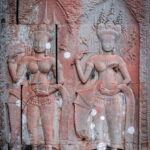
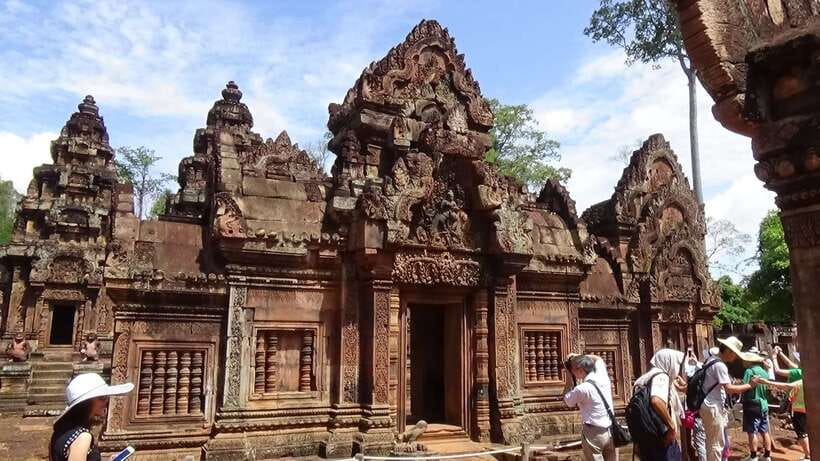
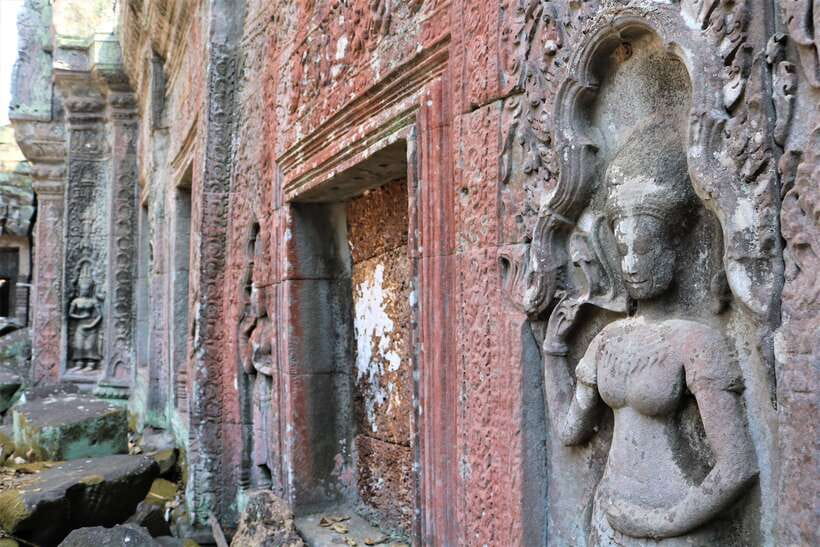
If you’re going to pick one main “why this tour” stop, it’s Banteay Srei. This is a smaller sandstone temple, but its reputation comes from the kind of carvings people travel for: detailed reliefs executed with high skill, with many experts placing them among Cambodia’s finest.
A huge context point that makes Banteay Srei feel more meaningful is its modern accessibility. It only became accessible again in the late 1990s, after the Khmer Rouge left the area. That matters because you’re not just looking at art—you’re seeing survival, recovery, and a return to cultural life.
What to do when you’re there
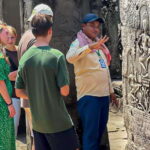
To get value out of Banteay Srei, don’t treat it like a quick stroll. Take your time with the reliefs and look for small repeated motifs (faces, figures, ornamental patterns). The more you slow down, the more the carvings start to feel like a narrative system rather than decoration.
Also, you’ll likely benefit from guide photo assistance here. Several English-speaking guides on this tour style their explanations with tablet visuals and guided photo spots, which can help you identify the right sections to focus on for the best images.
Pre Rup at Sunset: The Temple Mountain Finish
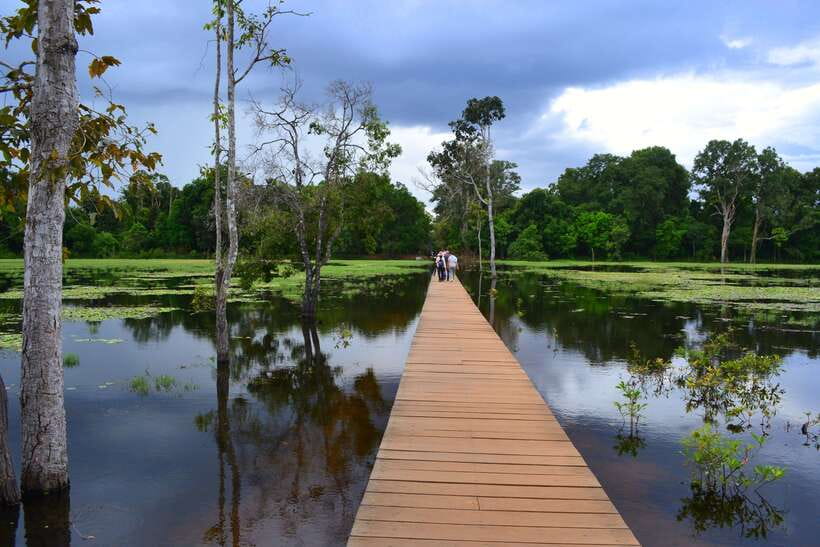
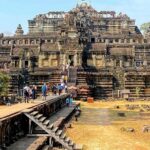
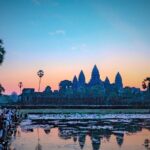
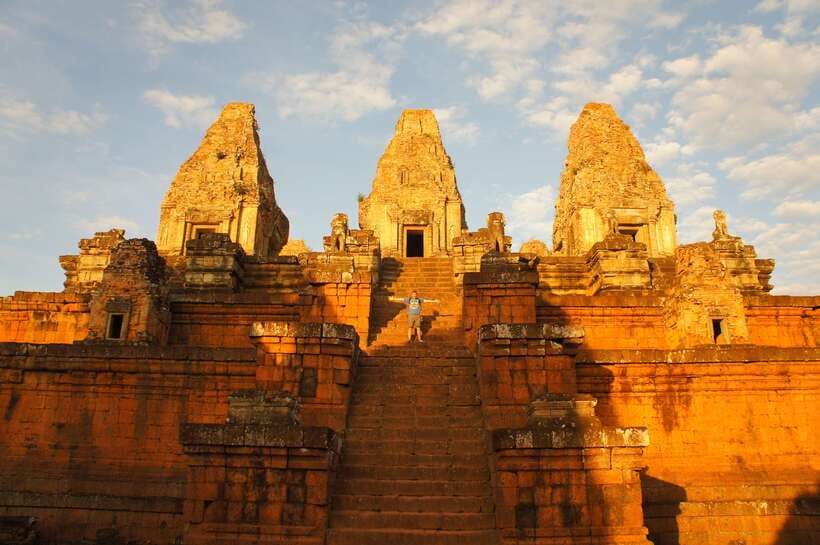
The day’s emotional payoff is often Pre Rup—especially when you time it right for sunset views. Pre Rup is a temple mountain built as the state temple of Khmer king Rajendravarman, dedicated in 961 or early 962. Construction used a mix of brick, laterite, and sandstone, which you can often see as different tones and textures in the stonework.
From a visitor standpoint, Pre Rup works because it’s not just about being “pretty at dusk.” The structure reads differently as light fades. Details that look flat in daylight begin to show depth; shadows carve up the surfaces, and the whole temple feels more sculptural.
Plan for weather, but don’t panic
Rain season can change the sunset moment. If clouds roll in, the tour can still be worthwhile for the temple itself—you’re not paying only for the sky. In some cases, groups have shortened the last sunset window to get back earlier when conditions weren’t cooperating, so keep a flexible mindset for evening timing.
How the Guide and Driver Actually Affect Your Day
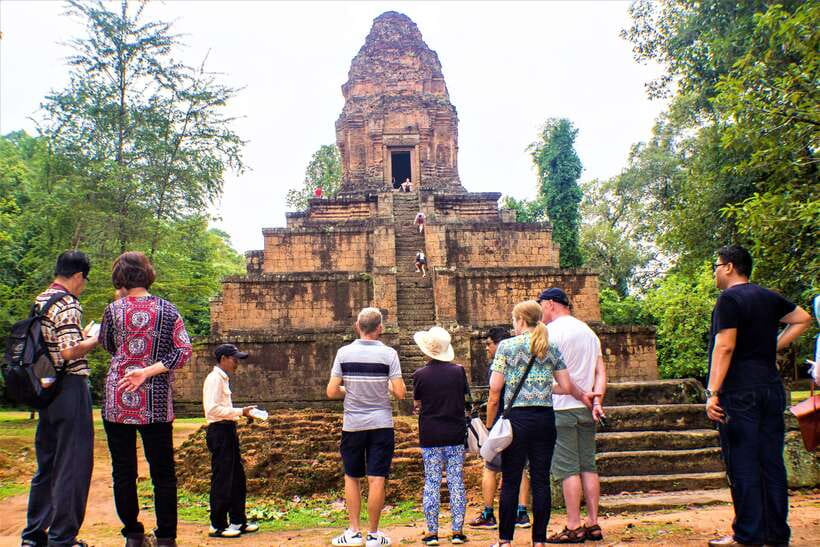
This is one of those tours where the guide isn’t a bonus. They’re the difference between reading stone carvings as random decoration and understanding what you’re looking at.
You’ll be with an English-speaking tour guide, and the best ones on this route do a few key things well:
- They explain the religious layers (Hindu-Buddhist connections show up differently across temples).
- They point out small visual clues you might miss without context.
- They manage photo timing so you get angles that actually show the temple details.
In the feedback for this tour, guides named Pal Saroun, Pal (Sak/Sakriya), Bun, Roem, Sam, and Sokpee are repeatedly described as friendly, attentive, and strong on history and meaning. A few also use tablet visuals—basically showing you what a temple looked like or where to look for specific details—so you spend less time guessing and more time seeing.
The driver’s role is real
Heat in Siem Reap isn’t romantic. A good driver keeps the pace comfortable, stays safe on rougher stretches, and—this is practical and not small—keeps you stocked with cold bottled water and cool towels when you return to the vehicle. Some drivers also come prepared with extras like umbrellas if the weather turns.
That cooling rhythm matters because it prevents the classic tourist trap: “I want photos” turns into “I’m too tired and dehydrated to care.” Here, the day is built to avoid that slide.
Itinerary Fit: A Day That Works Even If You’ve Done Angkor Wat
If you already visited Angkor Wat, Ta Prohm, or the most famous circuit areas, this kind of day is what makes a second day feel worth it. Instead of repeating the same big-name temples, you’re seeing sites with different architecture, different religious tone, and fewer “everybody in one line” moments.
Even if you haven’t done the big classics yet, this tour still makes sense because it targets temples outside Angkor Thom city and focuses on high-detail carving and atmospheric ruin settings. It gives you a broader Angkor picture beyond one style of temple.
If you’re the type who likes variety, the route has it:
- morning: Preah Khan (ruin + roots) and Neak Pean (water + island calm)
- midday: lunch break at a local restaurant
- afternoon: Banteay Srei (carvings as the star)
- evening: Pre Rup (sunset temple mountain payoff)
Price and Logistics: The Real Value Math
At $18 per person for the tour itself, you’re paying for the structure: transport, guide time, and the comfort extras. But the one thing you must budget is the temple access cost.
Temple entrance fees are not included. You’ll pay an Angkor Pass surcharge of $37 per person on the day of your activity. That means the all-in day cost becomes the tour price plus the pass-related temple fee.
Why that still feels like good value
You’re not just buying “a ride around.” This day includes:
- air-conditioned transportation
- hotel pickup and drop-off within Siem Reap city
- cool towels and bottled water
- guided time at multiple temples
- lunch at a local restaurant (beer, coffee, and tea are included along with lunch)
For many people, the value check comes down to this: do you want to spend a day coordinating multiple temples yourself in traffic and heat? A guided route that also handles cooling breaks and timing can be worth more than the ticket price suggests.
What to Bring (and What Not to Wear)
Cambodia rewards the prepared. For this tour, I’d pack and wear for heat and sun first, then for walking second.
Bring:
- sunglasses
- sun hat
- insect repellent
- outdoor clothing suitable for temple walking
Do not wear:
- shorts (you won’t be compliant with the dress expectation)
Also bring a mindset for a long day. Even with stops and cooling, you’ll be moving between temples for much of the daylight hours.
Should You Pair This With a Sunrise or 2-Day Angkor Plan?
This tour is ideal if you’re spending more than one day in the Angkor area. The best strategy is often simple: do the big icons on one day, then come back for the temples that feel calmer, more detailed, and less crowded.
If your schedule allows it, you can also look at an Angkor 2-Day Sunset and Sunrise Small-Group Tour. The logic is straightforward: you get early/late light for the temples, and you spread out the walking effort.
If you’re only here for a single day, you can still consider this tour, but you’ll want to accept the trade-off: you’ll probably miss some of the top “first-timer only” highlights while gaining deeper variety elsewhere.
Final Verdict: Should You Book This Tour?
Book this if you want a more thoughtful Angkor day than the one everyone else does. I’d especially recommend it when you care about carving details, temple symbolism, and atmosphere—not just iconic silhouettes.
Skip it or choose carefully if you hate long days, heat, and walking, or if you’re traveling with limits (it’s not suitable for children under 8 or wheelchair users). And do the budgeting math up front so the day feels smooth when the Angkor Pass-related entrance fee comes due.
For most people—especially second-day Angkor visitors—this tour hits the sweet spot: manageable comfort, strong guiding, and temples with enough personality to make the extra time worthwhile.
FAQ
What temples are included on the tour?
You’ll visit Preah Khan, Neak Pean, Banteay Srei, and Pre Rup (with time for sunset views).
How long is the tour?
The tour duration is 9 hours.
Is hotel pickup and drop-off included?
Yes. Hotel pickup and drop-off are included for hotels in Siem Reap city. The exact pickup time depends on your hotel location and is shared the day before.
Do I need to pay for temple entrances?
Yes. Temple entrance fees are not included, and there is an additional $37 per person Angkor Pass surcharge payable on the day of the activity.
What should I bring, and is there a dress code?
Bring sunglasses, a sun hat, insect repellent, and outdoor clothing. Shorts are not allowed.
Is the tour suitable for children or wheelchair users?
No. It’s not suitable for children under 8 and not suitable for wheelchair users.