REVIEW · SIEM REAP
Angkor Wat & Small Tour with Bonteay Srei Temples
Book on Viator →Operated by Angkor Visit Tour · Bookable on Viator
Angkor feels huge until someone gives you a plan. This small private temple day in Siem Reap strings together the big names of Angkor with clear, on-the-ground guidance and a comfortable pace. You’ll get the main highlights, plus a chance to time your day for sunrise or sunset depending on what you prefer.
I especially like the private guide approach: the explanations make the architecture feel less like random stone and more like Khmer politics and belief in action. Second, I like the practical package—pickup, A/C transport, and cold water—so you’re not spending the day figuring out logistics.
One drawback to consider: entrance fees are not included, and you’ll also want to budget for food and a tip if you feel your guide earned it. Also, expect a long, active day—great for most people, but plan for heat and walking.
In This Review
- Key highlights worth your attention
- Private guide and A/C transport: how this day stays manageable
- Angkor Wat at sunrise or sunset: timing that makes the stones sing
- Bayon Temple in Angkor Thom: faces, city walls, and Jayavarman VII
- Ta Prohm: jungle roots, stone walls, and why it became famous
- Phnom Bakheng: the Shiva hill-mountain and the viewpoint factor
- Banteay Srei: why this is the one to slow down for
- What the 8.5 hours really include (and what you’ll pay separately)
- Value for $38: where the money goes and why private matters
- Practical tips for a smoother Angkor day
- Who this tour suits best
- Should you book this Angkor Wat and Banteay Srei small private tour?
- FAQ
- How long is the Angkor Wat and Banteay Srei private tour?
- Does the tour include pickup and drop-off in Siem Reap?
- Are entrance fees included in the price?
- What’s included besides the guide?
- Is this a private tour or shared experience?
- What’s the cancellation window?
Key highlights worth your attention
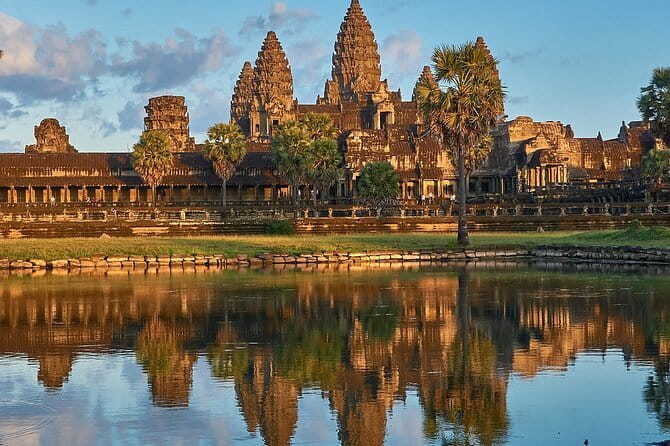
- Sunrise-first option at Angkor Wat for the classic glow over the causeway and lotus-shaped mood
- Jayavarman VII’s Angkor Thom and Bayon Temple’s carved faces, explained in plain language
- Ta Prohm’s tree-and-stone drama without needing to squint through confusing ruins
- Phnom Bakheng viewpoint energy tied to a Shiva temple mountain story
- Banteay Srei’s pink sandstone temple details that you’ll actually notice at a human pace
Private guide and A/C transport: how this day stays manageable
Angkor can feel like a stress test if you show up with no rhythm. This tour is built around a private guide, meaning the day follows your route and timing instead of a bus schedule. You also get pickup and drop-off plus an air-conditioned vehicle, which matters when Siem Reap heat shows up fast.
You’ll likely use a mobile ticket, which helps reduce last-minute friction. The tour also keeps a flexible, family-friendly pace, so you’re not getting rushed through big spaces where you’ll want to stop and look.
A practical detail: you’re not buying every step of the day alone. Your guide handles the storytelling and route flow, while you focus on seeing—not negotiating, not guessing.
You can also read our reviews of more tours and experiences in Siem Reap.
Angkor Wat at sunrise or sunset: timing that makes the stones sing
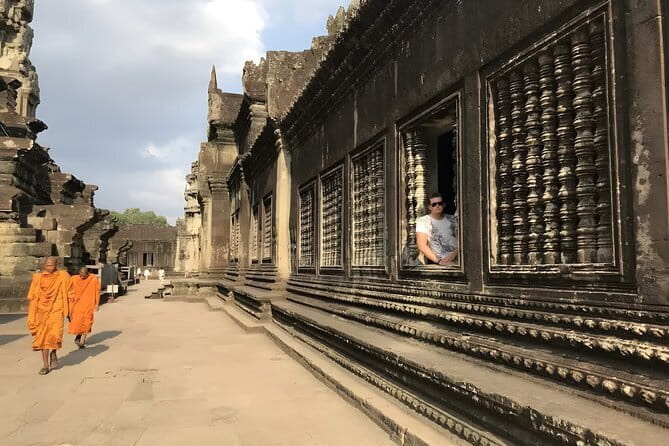
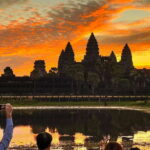
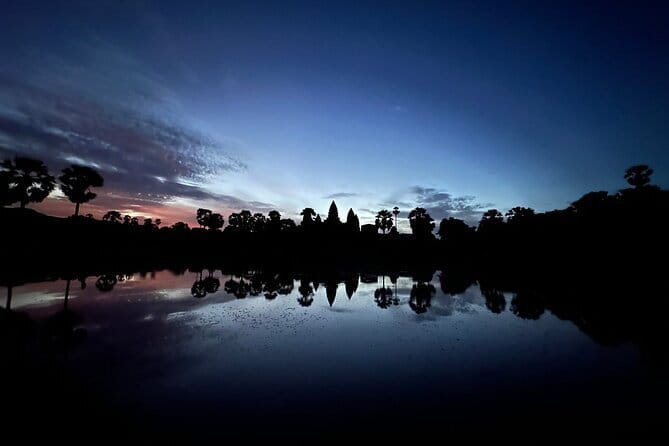
Angkor Wat is the headline for a reason, and the timing option changes how it hits. If you start early for sunrise, you’ll be watching the sky shift across the temple silhouette while the grounds feel calmer than later in the day. If you prefer sunset, you still get that dramatic light, just with a different mood—golden, then slower and cooler.
This stop is planned for about 3 hours, which is key. That’s long enough to take in the main layout, notice repeated carvings, and understand why the Khmer built it the way they did. Angkor Wat isn’t just a pretty structure; it’s the largest religious monument in the world and was originally constructed as a Hindu temple before its later religious layers over time.
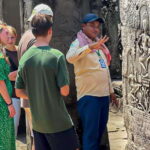
Here’s what I think you’ll appreciate most: a good guide helps you stop treating Angkor Wat like one “big photo spot.” You start recognizing patterns—how the design channels movement, how sacred space is staged, and how later Khmer rulers used architecture to show power.
Admission isn’t included here, so plan for entrance fees. Still, having the timing handled by the tour plan is what keeps this stop feeling special instead of chaotic.
Bayon Temple in Angkor Thom: faces, city walls, and Jayavarman VII
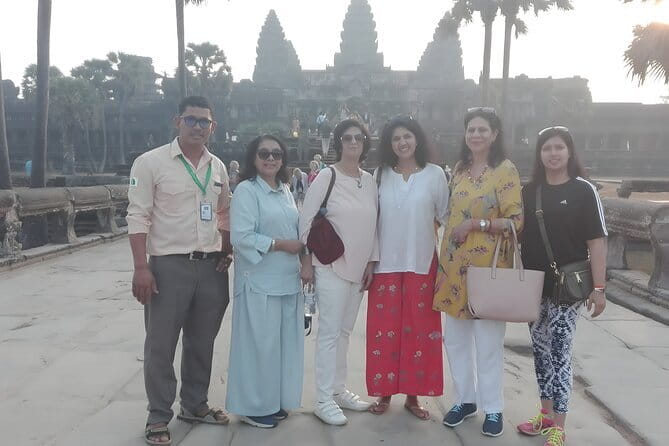
After Angkor Wat, you step into the fortified city of Angkor Thom, and Bayon Temple is the dramatic center. This area was built between the late 12th and early 13th century by Jayavarman VII, and the stop is about 1 hour 30 minutes. That timing works well because Bayon needs attention—your eyes need time to roam across the towers and carved details.
The big visual hook is the faces on the towers, but the value is what your guide connects them to. You’ll hear how Bayon fits into the wider Khmer idea of sacred kingship and city planning—how architecture acted like a message you could walk through. Even if you’ve seen photos before, it’s different in person when you’re standing close enough to understand the stonework and scale.
One more thing: Bayon can feel busy, especially later. With a private setup and a route that keeps you moving, you’ll usually spend more time looking than waiting. And because the guide can point out where to stand and what to focus on, you’ll waste less energy bouncing around.
Admission isn’t included at stops either, so keep the budget flexible. But the interpretive value here often justifies the day’s price on its own.
Ta Prohm: jungle roots, stone walls, and why it became famous
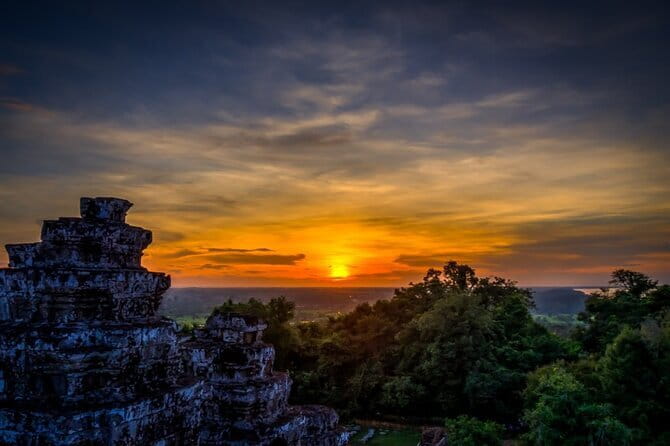
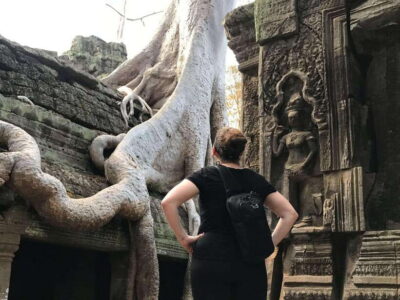
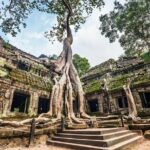
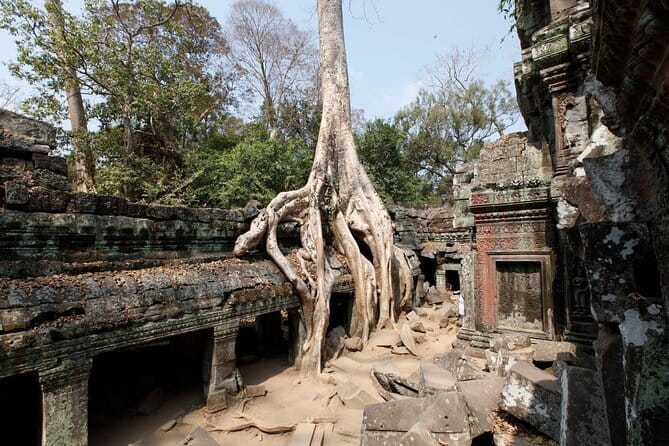
Ta Prohm is famous for a reason: you really do see huge trees and massive roots growing into the temple structures. This stop lasts about 1 hour 30 minutes, and that’s about right for letting the scene sink in. It’s not just one view—it’s layers of wall sections, doorways, and root patterns that make you keep changing your angle.
The tour route also matters here. If you rush, you mostly end up photographing. If you slow a bit, you start noticing how the stonework frames the greenery, not the other way around. Your guide helps you connect the “jungle temple” look to its timeline—believed to have been built in the late 12th and early 13th century.
The story adds weight too. Ta Prohm has been part of popular culture, but the real payoff is seeing why it’s still standing with that distinctive blend of ruin, nature, and sacred architecture.
Practical note: Ta Prohm is outdoors, so wear sun protection and stay hydrated. The tour includes cold water, which helps, but you still want to be smart about heat.
Phnom Bakheng: the Shiva hill-mountain and the viewpoint factor
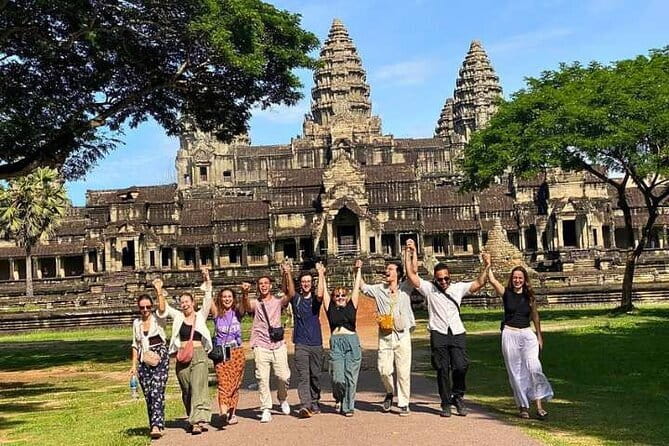
Next is Phnom Bakheng, a temple mountain dedicated to Shiva. This one runs about 1 hour, and the temple was built by King Yasovarman at the end of the 9th century. Phnom means hill or mountain, and the site layout encourages you to “climb into” the story instead of just wandering around flat ground.
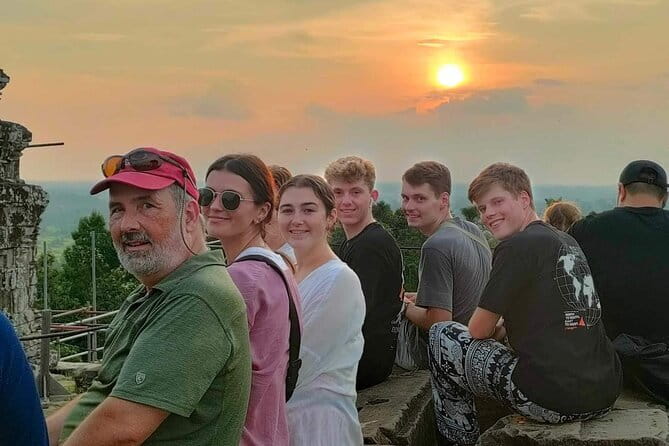
The big thing Phnom Bakheng gives you is perspective. It’s a viewpoint-type stop, the kind where you understand why ancient builders cared about elevated sacred space. Even if your legs complain a little, the payoff is the wider sense of how Angkor sits in its landscape.
The time here is shorter than the other stops, which I actually like for energy management. After Bayon and Ta Prohm, you’re already primed for temples that reward attention. Phnom Bakheng adds a different texture: more elevation, more focus on the mountain idea, and a Shiva connection that helps tie the day’s religious themes together.
Again, entrance fees aren’t included, so you’ll want to be ready to pay those on the day. Many guides can also help handle ticket purchasing en route, which can reduce stress.
Banteay Srei: why this is the one to slow down for
If you’re hoping for a temple that feels detailed and intimate compared to the bigger complexes, Banteay Srei is your moment. This stop is about 1 hour 30 minutes, which is perfect. Long enough to notice carving work, short enough to avoid getting temple fatigue.
Banteay Srei was completed on 22 April 967 AD and is dedicated to Shiva. It was originally called Tribhuvanamahesvara, and the name matters because it signals how the Khmer framed temples as both sacred space and royal identity. You’ll also feel the “human scale” difference here—stone details can be easier to appreciate when you’re not rushing between massive zones.
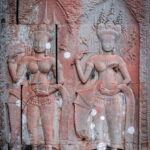
If Angkor Wat is the epic stage set, Banteay Srei is where the script becomes visible. The carvings are the focus, and a good guide helps you recognize what you’re looking at instead of letting it all blur into decorative rock.
This is also the stop that tends to make the day feel complete. You’ve seen the famous gates and jungle spectacle, and then you land somewhere that rewards calm attention.
What the 8.5 hours really include (and what you’ll pay separately)
This is approximately 8 hours 30 minutes, which is a full day but not the endless grind of some marathon itineraries. You get a professional private tour guide, pickup and drop-off, air-conditioned private transport, and cold water. That’s a lot of practical value baked in for $38 per person.
What’s not included is just as important. You’ll pay entrance fees at the temples, and the tour does not include food or tips. In real terms, this means your true cost depends on what day pass or entry system you use for the Angkor sites.
The tour being “private” also shapes the experience. You’re not negotiating for time at viewpoints, and you’re not stuck waiting while others catch up. That’s a big quality-of-life factor at Angkor, where waiting can eat your best daylight.
The good news: the schedule is designed around meaningful stops, not constant driving. Each temple gets a time block that lets you look and understand, not just pass through.
Value for $38: where the money goes and why private matters
On paper, $38 can look low for a private day. The reason it can work is the tour emphasizes essentials: guide, transport, water, and pickup. The temples themselves still require separate entrance tickets, so the base price is mostly paying for human guidance and logistics.
For me, the value comes from avoiding two common Angkor problems. First, losing time to figuring out routes and timing—especially when you want sunrise or sunset. Second, walking past carvings and symbolism without any context. A guide doesn’t just speed things up; they help you notice the good stuff.
Also, the small private setup helps you keep your day coherent. You’re not hearing the same facts on repeat from ten different angles. Your guide can tailor the pace to what you care about, and the itinerary is described as flexible and family-friendly.
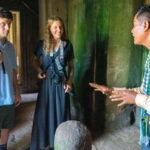
One more note: confirmation is received at booking, and you get contact support through the guide process. In one example, a guide named Phally messaged via WhatsApp right after booking and was ready early for pickup. That kind of communication reduces the usual first-day stress.
Practical tips for a smoother Angkor day
Plan like a realist: you’ll spend hours walking on uneven ground and standing around in bright light. Even with air-conditioned transport between stops, you’ll still feel it when the sun climbs. Bring sun protection, wear comfortable shoes, and use the included water early instead of waiting until you feel thirsty.
Start with the timing you truly want. If sunrise matters to you, commit to it and be ready for an early start window. If sunset is your thing, you’ll likely enjoy the same light drama but in a later schedule. Either way, the tour is set up to support your preferred timing.
Bring cash and patience for entrance fees since they’re not included. If you’d rather not juggle ticket lines, ask your guide about help purchasing tickets on the way, since guides can sometimes handle it as part of the plan.
If you’re traveling as a family, this route is structured to keep things manageable. The stop durations are short enough to stay energized, and the tour’s flexible pace helps when kids (or adults) need breaks.
And because the tour includes pickup and drop-off, you can spend less time coordinating and more time paying attention to the temples themselves.
Who this tour suits best
This works well if you want the major Angkor names in one day without treating it like a checklist. You’ll like it if you care about explanations—how kings and religious themes connect to what you’re seeing in stone.
It’s also a strong fit for people who want sunrise or sunset but don’t want to plan the full day alone. The combination of private guide + pickup + A/C transport makes the day easier to manage than many self-guided options.
If you’re short on time in Siem Reap, this route is built to cover multiple highlights efficiently: Angkor Wat, Bayon, Ta Prohm, Phnom Bakheng, and Banteay Srei, all within about 8.5 hours.
Should you book this Angkor Wat and Banteay Srei small private tour?
I’d book it if you want a guided Angkor day that stays organized, supports your preferred sunrise/sunset timing, and gives you enough time at each stop to actually see. The private guide part is where it really earns its keep—especially at places like Bayon and Banteay Srei where carved details and symbolism matter.
I’d pause before booking if you hate active walking, since this is still a full day of temple touring. I’d also factor in that entrance fees, food, and tips aren’t included, so you’ll want to budget for those to avoid surprise costs.
If you want an Angkor day that feels thoughtful rather than rushed, this one is a solid match.
FAQ
How long is the Angkor Wat and Banteay Srei private tour?
It’s about 8 hours 30 minutes, with time allocated for each temple stop along the route.
Does the tour include pickup and drop-off in Siem Reap?
Yes. Pickup and drop-off are included, and you’ll start and end back at the meeting point.
Are entrance fees included in the price?
No. Entrance fees are not included, so you’ll need to pay for temple admissions separately.
What’s included besides the guide?
The tour includes a professional tour guide, air-conditioned private transport, pickup and drop-off, and cold water. A mobile ticket is also included.
Is this a private tour or shared experience?
This is a private tour/activity, so only your group participates.
What’s the cancellation window?
You can cancel for a full refund if you cancel at least 24 hours before the experience starts. If you cancel less than 24 hours before, the amount paid is not refunded.