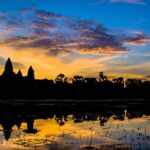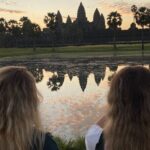
Sunrise feels different at Angkor. This tuk tuk tour is built for the first light at Angkor Wat, then keeps rolling through several major temples at a calm morning pace. I like the open-air ride (it helps you stay comfortable early) and the fact that you’ll have an English-speaking guide to make sense of what you’re seeing.
The route is also practical for the park. You won’t be stuck in long-distance driving like some day tours, and the tuk tuk is set up for the short hops between temple clusters. One consideration: the big costs are the one-day Angkor Pass (not included) plus your food and drinks.
If you’re okay with an early start and want temples timed for daylight and temperature, this is an easy choice. You’ll spend about 9 to 10 hours in total, with a 4:30 am pickup, and you’ll return having hit the big names plus a couple of quieter stops.
In This Review
- Key things I’d plan around
- A 4:30 am tuk tuk sunrise that doesn’t waste your morning
- Price and what it really means: $46 plus the Angkor Pass
- The day’s rhythm: 9 to 10 hours, tuned for temple light and heat
- Angkor Wat sunrise: why the visit lasts 4 hours
- Ta Prohm: the Tomb Raider temple with big-tree drama
- Banteay Kdei: peaceful ruins and a maze you can enjoy slowly
- Ta Keo: a short climb with big views
- Ta Nei: less visited, and that’s the point
- Angkor Thom: the Great City and its capital-era power
- What’s included that actually helps on a long day
- Who should book this sunrise tuk tuk tour
- Practical tips so you enjoy every stop
- Should you book Angkor Wat Sunrise by TukTuk?
- FAQ
- What time does the Angkor Wat sunrise tuk tuk tour start?
- How long is the tour?
- What is included in the tour price?
- What is not included?
- Do I need to buy tickets in advance?
- Is pickup included?
- Is this tour private or group-based?
- What temples are visited on the tour?
- What is the cancellation policy?
Key things I’d plan around
- A true sunrise focus at Angkor Wat with a long enough visit to watch and then settle in
- Open-air tuk tuk comfort plus small practical perks like cold handkerchiefs
- Guide-led pacing that can match your preferences (including frequent check-ins)
- A smart temple mix: famous sights plus lesser-visited corners like Ta Nei
- One big extra bill: the One Day Angkor Pass you’ll need for entry
A 4:30 am tuk tuk sunrise that doesn’t waste your morning
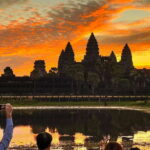
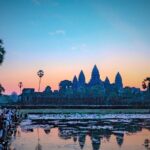
This tour starts early for a reason: sunrise at Angkor Wat is when the light is cool, and the site feels most alive without midday heat. You’ll be picked up at 4:30 am, then you’ll roll straight into the main event.
I like that this isn’t just a quick photo stop. You get about 4 hours at Angkor Wat, which gives you time to watch the sky change, take photos, and still have time to walk around the complex at a steady rhythm. If you arrive stressed or rushed, it shows. This schedule helps you avoid that.
The transportation is also a big part of the experience. You’re riding in an open-air tuk tuk, which is a real comfort upgrade compared with closed vehicles on hot days. And yes, tuk tuks are perfect for the Angkor area and short-distance temple hopping—they’re not meant for long, cross-country travel. Expect a day that feels like you’re moving locally, not spanning huge distances.
One more practical note: each tuk tuk comfortably fits three people, so the setup tends to feel more personal than large-group bus tours. If your group is small, that can make the whole morning feel less crowded and more flexible.
You can also read our reviews of more tours and experiences in Siem Reap
Price and what it really means: $46 plus the Angkor Pass
The price is $46 per person, which is the base cost for the guide, tuk tuk transportation, and the small comfort extras. Included perks matter here because you’re up early and out for nearly the whole day.
Here’s the budget reality: the One Day Angkor Pass is $37 per person and is not included. That means your day pass cost is a major add-on. On top of that, food and drinks aren’t included, so you’ll want to plan for breakfast snacks or a later meal.
So is $46 good value? For me, it is—if you’re using the whole day and actually visiting multiple temples, not just Angkor Wat. You’re paying for English-speaking guidance across several stops, plus dedicated transport between sites. If you were trying to arrange tuk tuk rides and a guide separately, it usually becomes more complicated and often pricier.
Also, since the average booking time is about 35 days in advance, I’d book ahead if you can. Sunrise tours can fill up, and you’ll feel better locking in your time rather than gambling on availability.
The day’s rhythm: 9 to 10 hours, tuned for temple light and heat
You’re on the clock for roughly 9 to 10 hours. In practice, that means you’ll likely feel the early start by the time you reach the later stops. But the schedule is built around the fact that mornings are cooler and temple visits are easier when you’re not baking.
The good part about this pacing: you’re not cramming everything into a tiny window. You get a long block at Angkor Wat, then shorter visits at each additional temple. That keeps your feet from burning out before you even see the highlights.
The less fun part: expect a long day with limited downtime. You’ll want water (you’ll get a bottle during the tour), and you should plan to bring your own snacks or a plan for lunch since food isn’t included. The cold handkerchiefs are a nice touch, but they won’t replace real breaks.
Angkor Wat sunrise: why the visit lasts 4 hours
Angkor Wat is the largest religious monument in the world, and it’s also the holiest Cambodian site for many visitors. Coming at sunrise isn’t just romantic—it’s practical. The weather is cooler, and the lighting makes carvings and silhouettes easier to appreciate.
With 4 hours here, you’re not only chasing the first burst of sun over the complex. You can move at a calmer pace, pause where you want, and still cover the main areas. If your group likes photos, there’s time. If your group prefers walking and details, there’s time for that too.
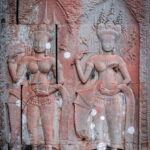
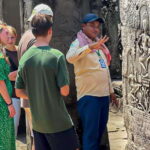
This is also where a guide earns their pay. An English-speaking guide helps translate what you’re seeing—what the space is for, how the buildings relate, and what to look for when the light changes fast. I paid attention to that kind of guidance because it turns a famous place into a place you can actually follow.
One more reason the sunrise block matters: you can leave yourself room to absorb the atmosphere. Angkor Wat sunrise is busy, but it doesn’t need to feel chaotic. When you have time, you can step back from the crowd and still get the moment.
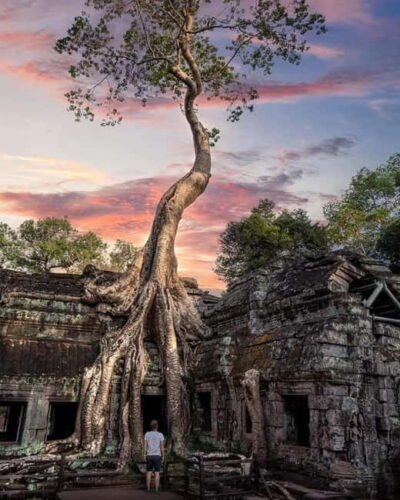
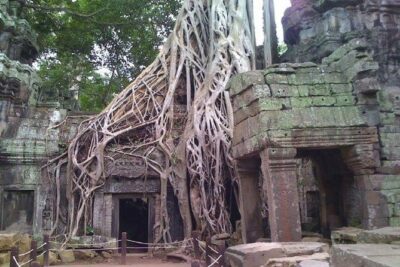
Ta Prohm: the Tomb Raider temple with big-tree drama
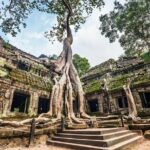
After sunrise, you’ll head to Ta Prohm, famous from the movie connection and known for the way nature and stone interact. This is one of the main Buddhist temples linked to King Jayawarman VII.
You’re here for about 1 hour, which is a good length for Ta Prohm. It’s visually intense, and if you try to do it too quickly you miss the best angles—especially the areas where the tree roots and branches frame the architecture.
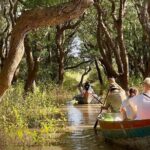
The main value of Ta Prohm is the atmosphere. It feels older than a photo can capture. The giant trees taking over portions of the temple create that classic “time stopped” feeling, and you’ll get better at noticing details as the light shifts.
Drawback to consider: the stone-and-root areas can feel uneven underfoot. Wear shoes you trust for walking. A short visit is manageable, but you’ll still want stable footing to keep it enjoyable.
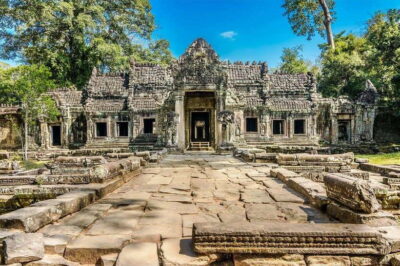
Banteay Kdei: peaceful ruins and a maze you can enjoy slowly
Next up is Banteay Kdei, a quieter temple stop with a name that means Citadel of Chambers. The ruins are described as a fascinating maze of chambers, and that’s exactly what makes this stop worth including.
You’ll spend about 1 hour here. That’s enough time to wander without feeling like you’re rushing through hallways and doorways. I like this kind of temple because it doesn’t rely only on famous landmarks. Instead, you get a puzzle-like experience—turning corners, spotting structures from different angles, and slowly getting your bearings.
This is also a good “recharge” stop after the sunrise energy and the busy big-name temple vibe. Banteay Kdei can feel calmer, and that matters when you’re spending the whole day in the park.
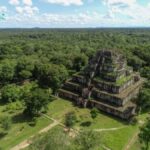
Ta Keo: a short climb with big views
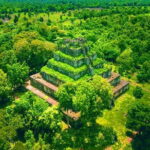
Ta Keo is a fun break because it’s more active. You’ll spend about 30 minutes here, including time to climb and take in the surroundings.
A quick climb like this changes your perspective fast. From up top, you get a sense of spacing between temples and the way the complex areas sit within the broader Angkor zone. It’s not a long hike, so it works even if your legs are already tired from earlier stops.
Practical consideration: you’ll be climbing in a temple setting, not a modern viewpoint. Take it slow, use stable footing, and don’t rush just to keep up with a group pace.
Ta Nei: less visited, and that’s the point
Ta Nei is one of the less visited temples in the park, and the tour specifically includes it for that reason. It’s isolated away from the main road, which helps it feel different from the most famous sights.
You’ll have about 1 hour here. The time matters because isolated temples reward you with slower exploring. You’re not just passing through—you’re giving the site a chance to land.
The best part of Ta Nei, in my opinion, is that it offers variety. After Angkor Wat, Ta Prohm, and Angkor Thom, you might start to feel like every stop is the same type of scene. Ta Nei helps break that pattern.
Only consideration: because it’s away from main roads, the approach can mean extra walking from where you’re dropped. Wear comfortable shoes and plan to use the hour fully rather than treating it like a quick photo detour.
Angkor Thom: the Great City and its capital-era power
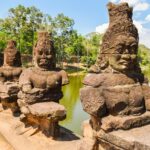
Then you’ll go to Angkor Thom, the Great City. It was the longest-lasting capital of the ancient Khmer Empire, and it became the center of a major building program during King Jayavarman VII’s reign.
You’ll spend about 2 hours here, which is a solid amount of time because Angkor Thom is more of a whole area than a single structure. The walled city layout means there’s a lot to look at as you move through.
This is where the day shifts from “single temple moments” into “how the whole capital functioned.” The walls and the way structures cluster help you understand Angkor as a living complex rather than a collection of monuments.
One practical note: plan for a bit more walking here than you might expect. Two hours sounds short on paper, but in a walled city layout you’ll be moving continuously.
What’s included that actually helps on a long day
Beyond the temples, the included items are genuinely useful early in the morning:
- English-speaking tour guide so you can follow what you’re seeing
- Transportation (tuk tuk) for the temple-to-temple connections
- Bottle of mineral water to keep you steady during the sunrise start
- Cold handkerchiefs which are a nice comfort when you’re out in the heat
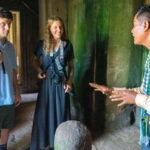
A big plus is the guide-style flexibility. In one example, the guide named Bunpheng helped keep things at your pace and checked in often about what you wanted. That matters because sunrise tours can feel like a checklist if you’re not careful. When your guide adapts, you spend more time looking and less time waiting.
Also, it’s a private tour/activity, meaning only your group participates. Private doesn’t mean fancy—it means fewer interruptions and less time coordinating with strangers.
Who should book this sunrise tuk tuk tour
This is a great fit if you:
- want sunrise at Angkor Wat without turning your day into a rushed sprint
- like guided context in English so the temples feel understandable, not just scenic
- prefer open-air tuk tuk comfort over cramped bus seating
- would rather do a few strong temple stops well than chase endless sites
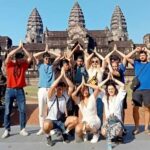
It’s also ideal if you’re traveling with friends or a small group who can share one tuk tuk layout comfortably. The small-ride feel helps keep things relaxed.
If you hate early mornings or you’re not interested in walking around multiple temple areas, you might find the start time and long day a struggle.
Practical tips so you enjoy every stop
You’ll be out for much of the day, starting at 4:30 am, so your comfort planning really affects the experience.
Bring:
- shoes with good grip (temple grounds can be uneven)
- something to cover up for cooler dawn air and then breathable layers as it warms
- your own snacks plan since food isn’t included
Use what you get:
- drink the water early, not just at the last stop
- use the cold handkerchiefs when you need a quick reset
And do this:
- go slow at Angkor Wat during the first light block
- keep your expectations for Ta Nei and Banteay Kdei realistic: they’re more about atmosphere and exploring than about one perfect photo viewpoint
Should you book Angkor Wat Sunrise by TukTuk?
If you’re aiming for a sunrise that feels organized, comfortable, and not overly rushed, I’d book it. The big strengths are the 4-hour Angkor Wat sunrise window, the guide-led flow across several key temples, and the practical comforts that matter on an early start (water and cold towels).
The main “yes, but” is budgeting. You’ll need the One Day Angkor Pass at $37 plus food and drinks on top of the $46 tour price. If that extra spend fits your plan, this tour is a strong way to see multiple highlights without turning your day into chaos.
If you want sunrise plus a guided path through both famous and quieter temples like Ta Prohm, Banteay Kdei, Ta Keo, Ta Nei, and Angkor Thom, this is the kind of tour that delivers what it promises.
FAQ
What time does the Angkor Wat sunrise tuk tuk tour start?
Start time is 4:30 am.
How long is the tour?
It runs about 9 to 10 hours.
What is included in the tour price?
The tour includes an English-speaking guide, transportation by tuk tuk, a bottle of mineral water, and cold handkerchiefs.
What is not included?
Entrance fees for the temples are not included, and food and drinks are not included. The One Day Angkor Pass is $37 per person.
Do I need to buy tickets in advance?
The tour uses a mobile ticket, and you’ll receive confirmation at booking time.
Is pickup included?
Yes, pickup is offered.
Is this tour private or group-based?
It’s a private tour/activity. Only your group participates.
What temples are visited on the tour?
You’ll visit Angkor Wat, Ta Prohm, Banteay Kdei, Ta Keo, Ta Nei, and Angkor Thom.
What is the cancellation policy?
You can cancel for a full refund if you cancel at least 24 hours before the experience start time.