REVIEW · SIEM REAP
Kulen Mountain with Beng Mealea and Tonle Sap Small Group Tour
Book on Viator →Operated by Asean Angkor Guide · Bookable on Viator
One full day, three Cambodia moods. You’ll go from morning village routines to Kulen Mountain climbs and rock-carved Buddhas, then end on Tonle Sap’s stilted world at Kompong Phluk.
I like the mix of comfort and “real Cambodia” time. The day runs in an A/C minivan, with cool bottled water, cool towels, and a picnic lunch (usually grilled chicken with jasmine rice, plus a vegetarian option). I also like that the stops are paired with an English-speaking guide who keeps the day moving and makes the temple details make sense, not just feel like a checklist.
One consideration: this is a long, active day. Expect some trekking/climbing on Kulen and more walking than you might plan for, plus a strict dress code (knees and shoulders covered), so pack for both stamina and decency.
In This Review
- Key highlights at a glance
- Why this Kulen–Beng Mealea–Tonle Sap route feels different from Angkor-only days
- The morning pickup: 7:30 to 8:00 starts mean a full day (and less wasted time)
- Srah Srang: a peaceful warm-up before the climbing begins
- Poeng Ta Kho (the amazing cliff): summit views and the rock-carved reclining Buddha
- Preah Ang Thom: the 8-meter reclining Buddha carved into the mountainside
- The 1,000 Lingas: holy water symbols in the riverbed
- Phnom Kulen Waterfall: picnic lunch, limestone-filtered water, and that cold swim
- Prasat Beng Mealea: the jungle temple that nature refuses to let go
- Kompong Phluk floating village: boat time on Tonle Sap and the dry-season reality
- Price and comfort: what $54 buys you in the real world
- What to pack and how to handle the long, active day
- Guide style: why the names matter for your day
- FAQ
- FAQ
- What’s the duration of the tour?
- What time does pickup happen?
- How large is the group?
- Is lunch included, and are there vegetarian options?
- Are admission tickets included?
- What should I wear and bring?
- Will there be a boat ride at the end of the day?
- Should you book this tour?
Key highlights at a glance
- Small-group size (up to 14, max 15) keeps it manageable and more personal at stops
- Kulen Mountain viewpoints + rock-carved reclining Buddha give big “why Cambodia is special” moments
- Phnom Kulen Waterfall is built into the schedule, with time for a picnic and a cold-water swim
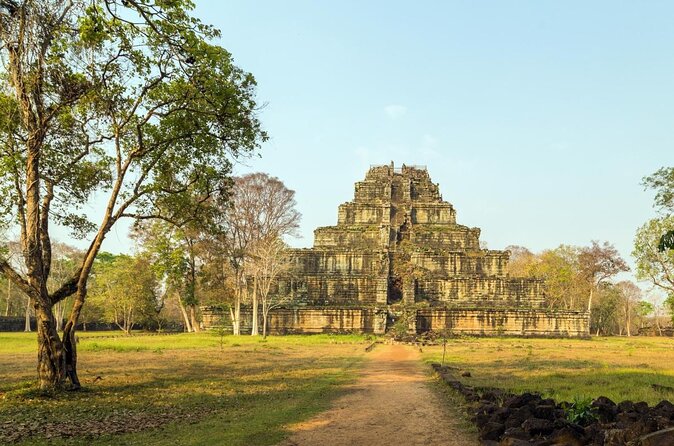
- Beng Mealea feels like Angkor’s stone meeting the jungle head-on
- Kompong Phluk boat time helps you see daily life on the water, not just stare at houses
Why this Kulen–Beng Mealea–Tonle Sap route feels different from Angkor-only days
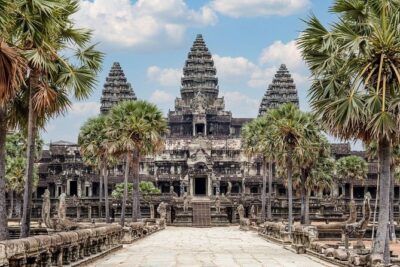
Angkor is famous for a reason, but it can also swallow your whole trip. This day trip breaks you out of that loop. You get mountain temple culture (Kulen), nature reclaiming ancient stone (Beng Mealea), and then a living water-world where people build their routines on stilt houses (Tonle Sap at Kompong Phluk).
What makes the itinerary work is the pacing of themes. Each stop answers a different question: Where did the Khmer story begin? How did people pray here? What does the landscape look like when it’s not manicured for tourists? Then you finish with a human-scale ending that feels completely different from temple viewing.
You’re also covered on basics that matter in Cambodia: A/C transport, cold drinks, cool towels, included admissions, and a picnic lunch. When you’re doing a packed day, those small comforts can be the difference between enjoying the sights and just surviving the drive.
You can also read our reviews of more tours and experiences in Siem Reap.
The morning pickup: 7:30 to 8:00 starts mean a full day (and less wasted time)
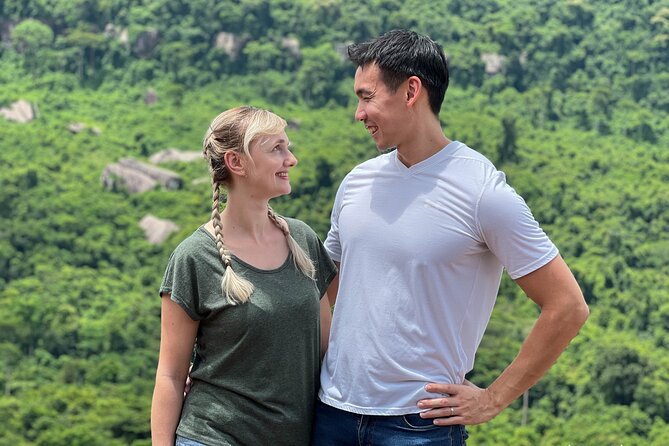
Pickup is from your hotel between 7:30 and 8:00 am, with the expectation you wait in the lobby by 7:30 sharp. That early start matters. You’re not just beating heat; you’re getting into the rhythm of the day while the region is still waking up.
The vehicles are described as minivan/minibus with A/C. In practice, that means you can actually take in the scenery without arriving at your first stop already cooked. You’ll also have cool bottled water and cool towels along the way—use them. A lot.
With a small group limited to 14 participants (max 15), you’ll usually have a bit more flexibility. It’s easier for the guide to keep track of everyone and keep things smooth when you’re not squeezed into a huge crowd.
Srah Srang: a peaceful warm-up before the climbing begins
Your first major early stop is Srah Srang, a site that’s less about towering icons and more about atmosphere. Think locals in the morning routine, stretches of rice fields, and classic Cambodian wooden houses on stilts. It’s the kind of place where you can get your bearings fast: this is Cambodia away from the Angkor postcard frame.
You’re scheduled for about 30 minutes here, and the admission is included. In a day like this, that time slot is perfect: enough to look around without feeling rushed, and short enough that you’re still fresh for the bigger climbs later.
Practical tip: bring sunscreen even now. The morning sun can still hit hard, and you’ll be moving all day.
Poeng Ta Kho (the amazing cliff): summit views and the rock-carved reclining Buddha
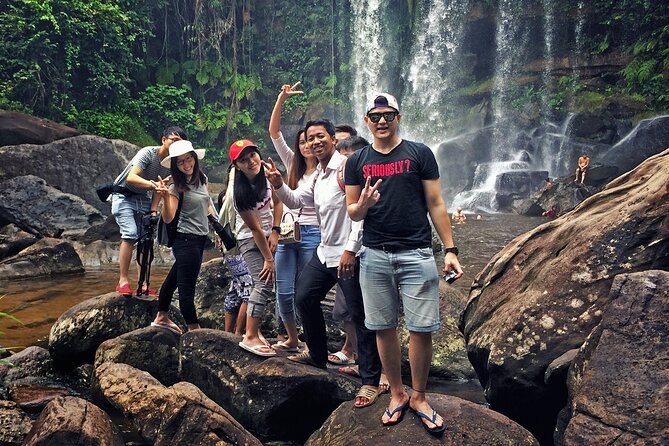
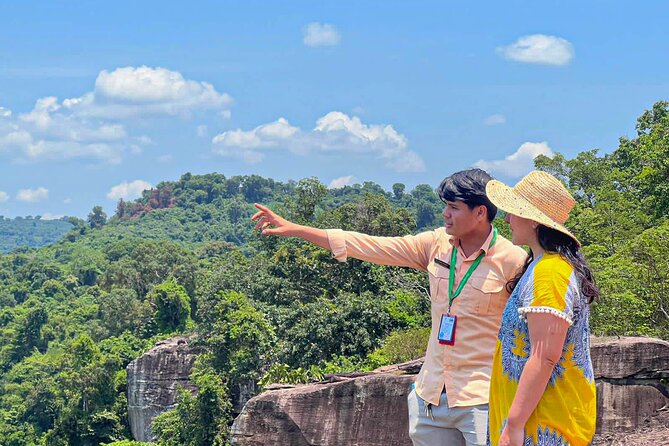
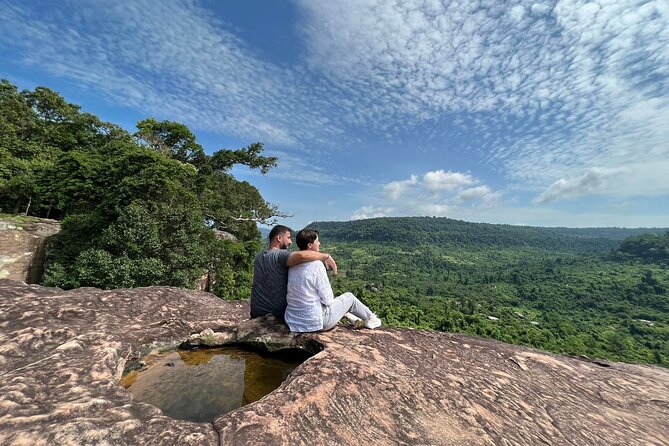
Next comes the part that feels like a movie scene: Poeng Ta Kho, where you climb toward the summit of Kulen Mountain. This is where the day leans into history and spectacle at the same time.
You’ll hear the story of Kulen as the birthplace of the Angkor Empire. Whether you’re a history nerd or just want your photos to have meaning, the guide’s context is what makes this stop click. The viewpoint from the summit is the reward, and the temple features are the hook.
At the top, you’ll also see a massive reclining Buddha carved right into the rock. This is one of those sights that land differently than a flat, polished monument. The carving looks more like it belongs to the mountain than to a museum.
You’ve got about 30 minutes allocated here, with admission included. That’s enough time to climb, take photos, and soak in the view without spending the whole morning stuck in the same spot.
Preah Ang Thom: the 8-meter reclining Buddha carved into the mountainside
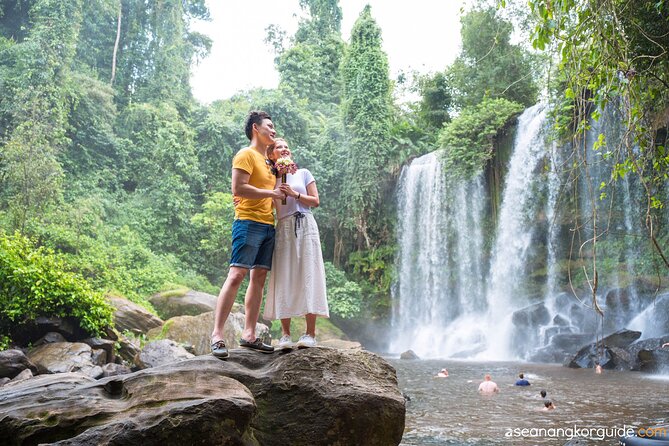
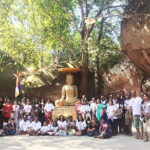
After the summit, you shift to Preah Ang Thom pagoda. The star here is an 8-meter reclining Buddha carved directly into the mountainside. This spot is also about pilgrimage and continuity—local families light incense and monks offer quiet prayers, and you can feel that this is still an active spiritual landscape.
You’ll spend about 1 hour at this stop. That longer window matters. It gives you time to slow down a bit. With temples like this, the details are what you’ll miss if you rush.
Dress code matters here, too. Shoulders and knees covered isn’t just a rule; it’s part of how respectful you’ll feel while you’re there.
The 1,000 Lingas: holy water symbols in the riverbed
1000 Lingas is scheduled for about 30 minutes. The visuals are simple but powerful: thousands of sacred fertility symbols carved into the riverbed. You’ll hear the idea that priests used flowing water to make it holy for the Angkor kingdom.
This is one of those stops where you don’t need lots of time, but you do need a guide’s explanations. The “why” makes the carvings feel less random and more intentional.
If you want photos, move thoughtfully. People sometimes crowd the most dramatic angles. Your best shots come when you give yourself a few steps to find a clear view of the water-and-stone contrast.
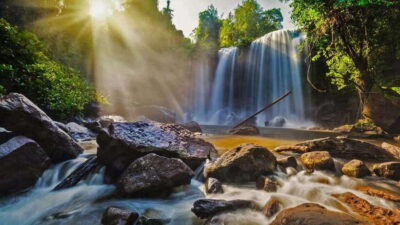
Phnom Kulen Waterfall: picnic lunch, limestone-filtered water, and that cold swim
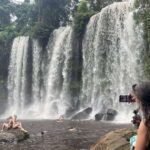
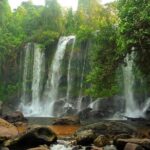
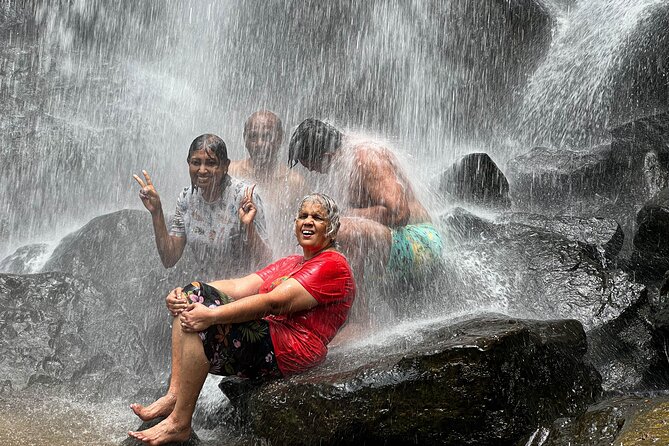
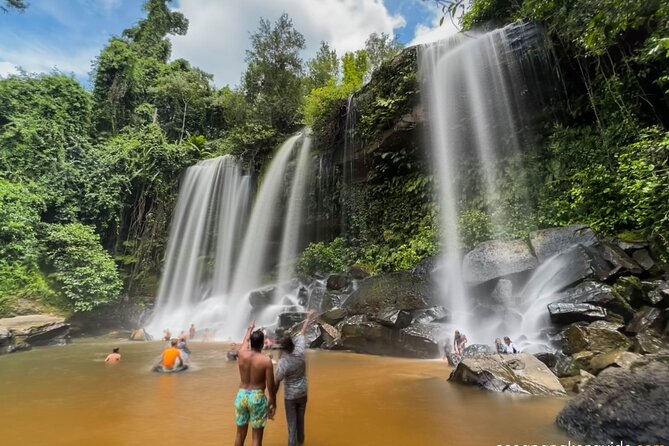
Then the day shifts from temple gravity to nature reward: Phnom Kulen Waterfall. You’ll spend about 1 hour 30 minutes, and yes, this is where things get seriously fun.
You’re in crystal-clear pools described as fed by limestone-filtered mountain water. The schedule includes a picnic lunch, with the spread set up on smooth rocks while the waterfall runs nearby. It’s an easy place to feel like you’re not just touring—you’re actually experiencing.
The day also includes time for a swim (the water is described as cold). If you love swimming, you’ll probably make time for it. If you don’t, you can still enjoy the pools from the side and enjoy the scenery while others do the splashing.
What I’d plan for:
- bring insect repellent and sunscreen (this stop is outdoors)
- if you swim, wear water-friendly footwear or be ready for slippery rock
- take advantage of the cool towel setup after you’re wet
Prasat Beng Mealea: the jungle temple that nature refuses to let go
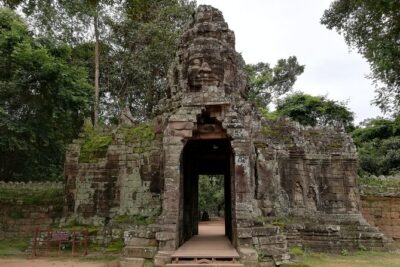
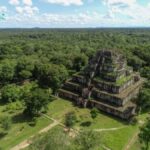
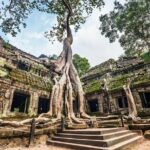
After lunch, the itinerary jumps to Prasat Beng Mealea, built in the 12th century and described as wrapped in jungle. This place often feels like the “missing chapter” between pure Angkor polish and what ruins look like when time is allowed to work.
You’ll have about 1 hour here, with admission included. The main draw is the way the stone and vegetation interact. If you like temples, you’ll enjoy it. If you like atmosphere, you’ll still get value because Beng Mealea feels more wild than curated.
A drawback to expect: uneven surfaces and more adventurous walking than a flat courtyard. Go slow. Take breaks when you need them. You’ll see more by moving smart, not fast.
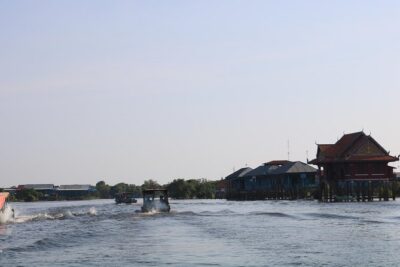
Kompong Phluk floating village: boat time on Tonle Sap and the dry-season reality
The final major stop is Kompong Phluk, a floating village on Tonle Sap. This is where Cambodia becomes small-scale and human.
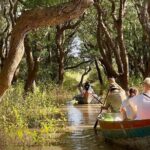
You’ll get about 1 hour here. The focus is on families living their lives on the water, surrounded by mangroves and towering stilt houses. You’ll also visit a Buddhist area, and there’s time for the boat ride—often the part people remember most.
One extra detail you should know: the end of March to the end of June is a special window. As water levels start to recede, the village changes. Boats can get stuck, and some smaller canoes may not manage the jungle forest. The trade-off is real: the view may be less postcard-perfect, but it’s a chance to see daily life from a different angle.
If your goal is photos that look like a brochure, aim for other times. If your goal is understanding how people adapt, this dry-season perspective can be surprisingly meaningful.
Price and comfort: what $54 buys you in the real world
At $54 per person, this tour is good value because you’re paying for more than transport. You’re also getting:
- hotel pickup and drop-off
- an English-speaking guide
- A/C vehicle time
- cool water and cool towels
- picnic lunch (grilled chicken with jasmine rice, plus a vegetarian option)
- admission tickets for the stops
Individually, those pieces add up fast in Siem Reap—especially if you try to piece together a day like this with multiple rides and ticket lines. Here, the schedule is stitched together so you spend your time seeing rather than negotiating.
Also, the small-group limit matters. A group capped around 14 means less chaos at viewpoints and better odds of getting quick answers from your guide when you care about a detail.
What to pack and how to handle the long, active day
This tour is designed for active sightseeing, not couch-and-photos only. Plan like you’re going to spend the day outdoors plus some climbing.
Bring:
- insect repellent
- sunscreen
- sun hat
- clothing with knees and shoulders covered
Wear:
- comfy shoes with grip (temple paths and waterfall rock can be slick)
- something you can move in during climbs
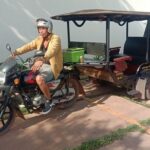
Comfort note (vehicle setup): the vehicle can feel practical but not fancy. If you’re carrying your own drinks, don’t assume you’ll have a perfect place to store them during bumps. Keeping a small item bag on your lap can save you the annoying rolling-bottle moment.
Guide style: why the names matter for your day
You’ll see lots of guides mentioned with different personalities, but the pattern is consistent: they handle the storytelling and keep the day flowing. Names you may encounter include Mony, Sam, Seila, Jan, Dara, Chy, and drivers like Sophal, Theara, Jame, and Sothea.
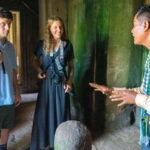
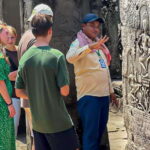
If you care about understanding what you’re looking at, this matters. A good guide turns Kulen’s symbols and reclining Buddhas from “big statue” into “why it exists here.” It also affects your comfort—guides who are quick with pacing and picture timing often help you avoid the worst moments of crowding at photo spots.
FAQ
FAQ
What’s the duration of the tour?
It runs about 10 hours and you should be back in Siem Reap by around 6:30 pm.
What time does pickup happen?
Pickup is from your hotel between 7:30 and 8:00 am, and you’re asked to wait in the lobby by 7:30 sharp.
How large is the group?
The small group is limited to 14 participants, with a maximum of 15 travelers for the tour.
Is lunch included, and are there vegetarian options?
Yes. You’ll get a picnic lunch (grilled chicken with jasmine rice). A vegetarian option is available (fried rice with vegetables and eggs, plus fried spring rolls). There is no vegan option.
Are admission tickets included?
Yes. All admission tickets are included as part of the tour.
What should I wear and bring?
Wear clothing that covers knees and shoulders. Bring insect repellent, sunscreen, and a sun hat.
Will there be a boat ride at the end of the day?
Yes. The tour includes a visit to Kompong Phluk with a boat ride as part of seeing the floating village.
Should you book this tour?
If you want a Siem Reap day that goes beyond Angkor Wat with mountain temples, waterfalls, a jungle-reclaimed temple, and Tonle Sap village life, this is a strong pick for the price. Just be honest with yourself: it’s a long day with some climbing and walking, and the dress code is strict.
Book it if you like active sightseeing and you want context from a good English-speaking guide. Skip it if you’re looking for an easy, mostly flat day with minimal trekking.