REVIEW · SIEM REAP
3-Days Discovery Of Angkor: Waterfalls,Floating Village and Banteay Srei temple
Book on Viator →Operated by Asean Angkor Guide · Bookable on Viator
Angkor at dawn and again at dusk. This 3-day private route stitches together sunrise and sunset at Angkor Wat, then adds Kulen National Park, Tonle Sap, and sculpted temples around Siem Reap. You get a guide and driver who keep things moving without you getting lost at the back of a crowd.
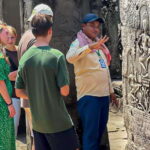
I especially love the way your guide turns the sites into stories. On past trips, guides like Sam and Seila have been praised for pacing you well, explaining what you’re seeing, and even timing stops for better photos and lighter crowds. I also like the practical touches: cool water and cool towels during hot temple days, with drivers such as Tha, Leap, and Sophat staying punctual and calm.
One thing to consider: a lot of the key entry costs are not included (Angkor pass, national park fees, and the Tonle Sap boat pass). Also, it’s hot and you’ll walk, so plan for sun protection and modest temple clothing.
In This Review
- Key takeaways before you go
- Angkor Wat sunrise and sunset: the real heart of the trip
- Day 1 through Angkor Thom: South Gate to Bayon to the inner courtyards
- Angkor Thom South Gate: the big entrance feeling
- Bayon Temple: faces, symbolism, and crowds (handled better when timed well)
- Baphuon and the Terrace stops: less famous, more satisfying
- Lunch in the park: expect to pay and keep it simple
- Angkor Wat: your first full temple walk
- Phnom Bakheng at sunset: a payoff if you’re still moving
- Day 2: Phnom Kulen National Park, Kbal Spean river lingas, and the cool relief of nature
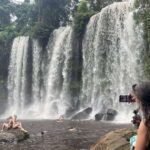
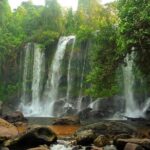
- Waterfalls at Kulen: yes, you can swim, but plan for dry-season reality
- The Kbal Spean riverbed lingas: the surprising stop people remember
- Banteay Srei: delicate stonework in a different style
- Kampong Phluk floating village and Tonle Sap lake: water, daily life, and a boat ride
- Day 3: second Angkor Wat sunrise, Ta Prohm, and the quieter temples that fill out the map
- Angkor Wat again: now you notice more
- Ta Prohm: the famous overgrown look
- Pre Rup and Ta Som: pyramid view and jungle-adjacent calm
- Neak Pean and Preah Khan: a more peaceful flow than the headline stops
- Price and value: where the $183.08 shines and where it adds up
- The biggest practical details that make or break the experience
- Heat and temple walking are real
- Dress code: shoulders and knees
- Food: only one included breakfast
- Sunrise starts early for a reason
- Who this tour fits best
- Should you book this Angkor 3-day discovery route?
- FAQ
- Is pickup and drop-off included?
- Is this tour private or shared?
- What’s included in the price?
- Are admission fees included for the temples and parks?
- How much is the Tonle Sap pass with the private boat ride?
- What fees should I expect for Phnom Kulen?
- Can I swim at the waterfalls in Phnom Kulen?
- What should I wear for temple visits?
Key takeaways before you go
- Sunrise plus sunset at Angkor Wat: two different moods, two different crowds, two different photo opportunities
- Private pacing: you can slow down, take breaks, and keep a comfortable rhythm with only your group
- Phnom Kulen and Kbal Spean focus: you’re not only doing temples in town; you’re getting nature + ancient carvings
- Tonle Sap by boat: the floating village isn’t a quick glance, it includes time on the water and a walk
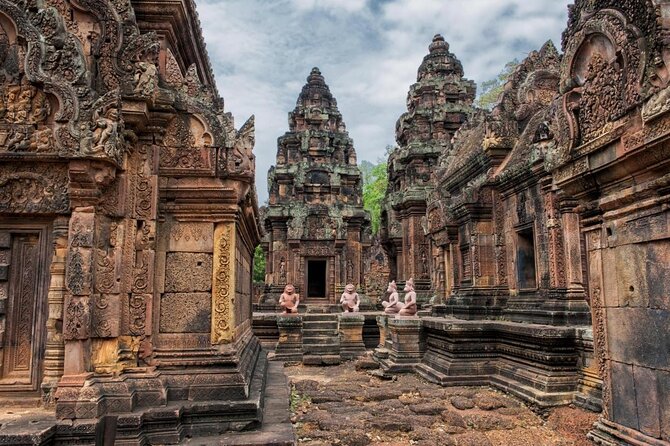
- Banteay Srei is a must: delicate Shiva-era stonework with a different look than the bigger Angkor monuments
- Fees and meals are mostly on you: admission and food/drinks are not included, so budget extra
Angkor Wat sunrise and sunset: the real heart of the trip
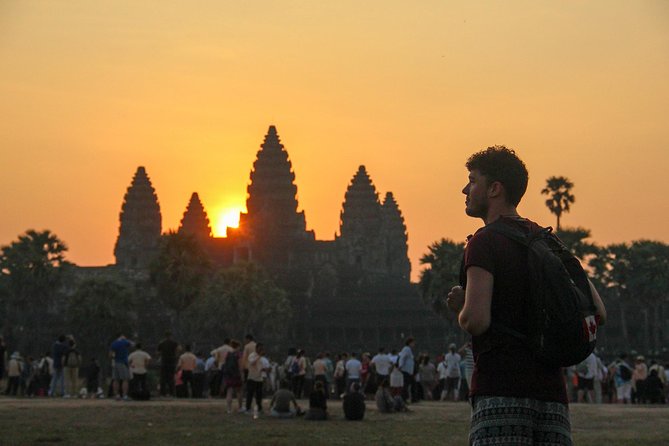
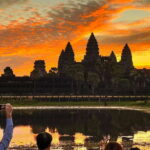
This tour is built around timing. Day 3 starts before the sun comes up, with pickup around 4:40 AM and you heading to Angkor Wat for sunrise. That early start matters. The air is cooler, the temple surfaces look different in morning light, and the whole place feels less like a theme park and more like a living monument.
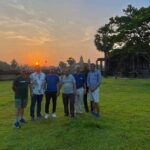
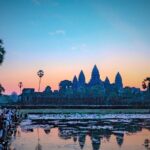
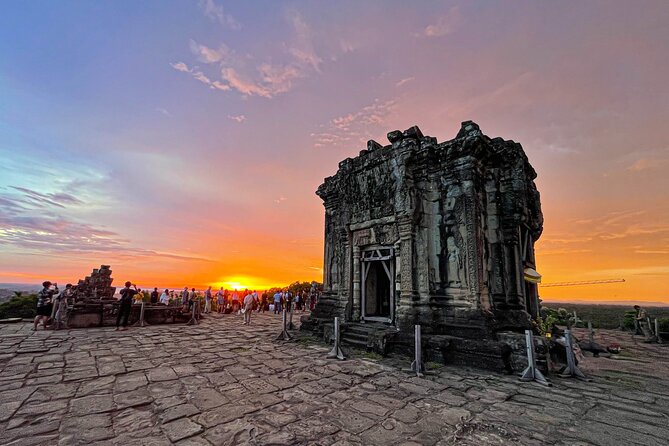
Day 1 later adds a sunset option at Phnom Bakheng. If you still have energy after Angkor Wat and lunch, you’ll climb up for sunset timing (the day suggests starting around 4:00 PM). It’s a chance to see Angkor again from a hilltop viewpoint, and it’s one of those moments that makes the long days feel worth it.
What I like for your experience: you don’t just visit Angkor Wat once. You see it as an evolving scene—morning quiet versus late-day drama.
Possible drawback: sunrise requires you to be up and moving early, and sunset at Phnom Bakheng depends on your energy level that day.
You can also read our reviews of more tours and experiences in Siem Reap.
Day 1 through Angkor Thom: South Gate to Bayon to the inner courtyards
Day 1 starts with pickup at 8:00 AM from your hotel lobby. Before entering the Angkor Archaeological Park, you stop to buy the Angkor pass (admission ticket not included, so you’ll pay this yourself). Then the day becomes a sequence of Khmer royal city highlights inside Angkor Thom.
Angkor Thom South Gate: the big entrance feeling
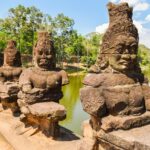
You begin at the South Gate, where you get that immediate sense of scale. It’s the kind of gate that makes you understand how these complexes were designed to impress—both in size and in symbolism.
Bayon Temple: faces, symbolism, and crowds (handled better when timed well)
Next is Bayon Temple, known for its richly decorated Khmer design and the famous stone faces. It’s built as a state temple associated with King Jayavarman VII, and your guide’s job is to help you read it beyond the obvious carvings.
This is also one of the busier stops. The benefit of a private tour is simple: your guide can adjust the order and timing to help you spend your best minutes in the right spots instead of standing in the wrong line.
Baphuon and the Terrace stops: less famous, more satisfying
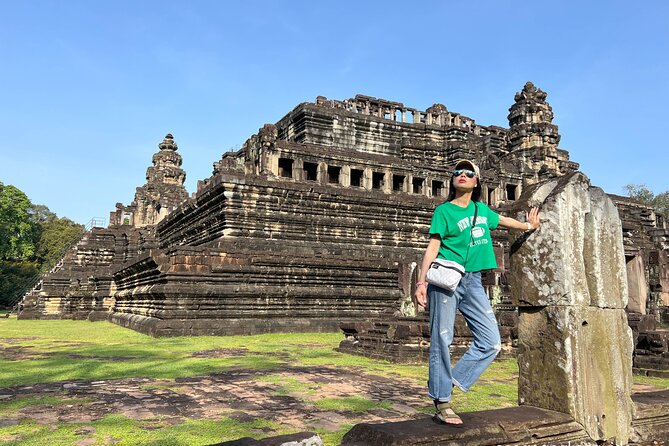
From Bayon you move to Baphuon, a three-tiered temple mountain tied to the reign of Udayadityavarman. It’s the type of site where a good guide helps you notice details instead of just scanning for postcards.
Then you hit two terraces:
- Terrace of the Elephants, linked to Jayavarman VII as a platform for viewing important moments
- Terrace of the Leper King, named from a later nickname, but still part of the Bayon style complex
These are short stops, but they’re helpful for building a fuller mental map of Angkor Thom.
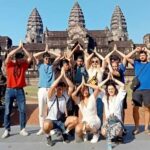
Lunch in the park: expect to pay and keep it simple
After a lot of walking (the schedule mentions about 45–60 minutes before lunch), you take a break at a local restaurant inside the park area. Meals and soft drinks are on you. My practical advice: eat early and don’t overdo it. You’ll want light energy for Angkor Wat and the possible Phnom Bakheng climb.
Angkor Wat: your first full temple walk
After lunch, the tour moves into Angkor Wat itself, with about 1.5 hours allocated. Even if you already know the big postcard angles, this first visit sets up everything you’ll notice during the sunrise visit later.
Phnom Bakheng at sunset: a payoff if you’re still moving
Finally, if you’re not exhausted, you’ll go for sunset at Phnom Bakheng. The day notes you typically start climbing around 4:00 PM. The view is the point, and you’ll feel the “everyone is here for this moment” energy—but hopefully your guide has helped you reach the best viewing rhythm.
Your takeaway from Day 1: you build the Angkor Thom story first, then you get your first deep look at Angkor Wat. That makes the next sunrise feel smarter, not repetitive.
Day 2: Phnom Kulen National Park, Kbal Spean river lingas, and the cool relief of nature
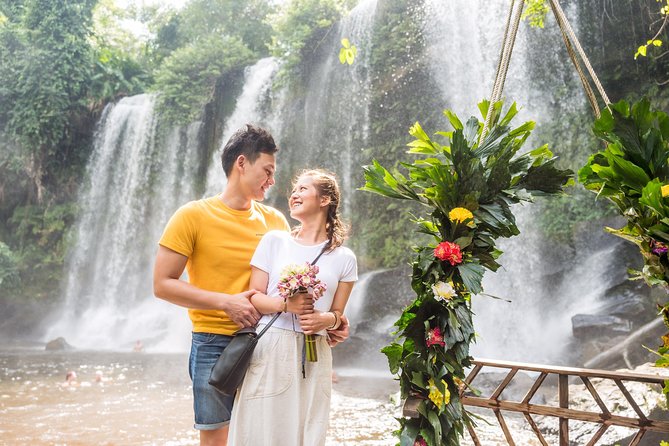
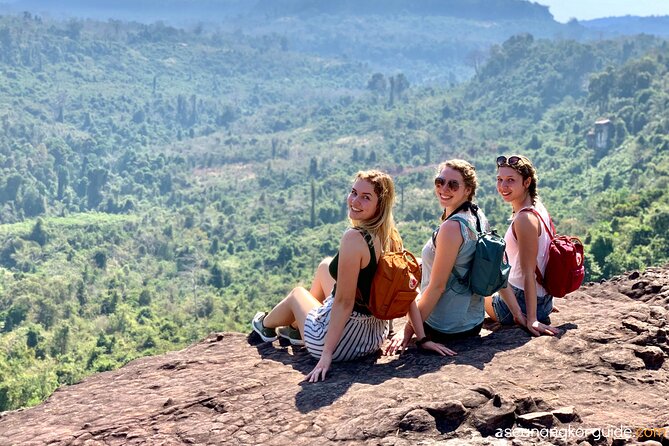
Day 2 is the “change of scenery” day. Pickup is 8:00 AM again, now heading to Phnom Kulen National Park. This is where your tour moves beyond temple-stone into nature + sacred carvings.
Waterfalls at Kulen: yes, you can swim, but plan for dry-season reality
The tour notes you can swim at the waterfalls, but also flags a key seasonal issue: during the dry season (March to July), there isn’t much water at the waterfalls. So if you’re traveling in hotter months, treat the waterfalls as a scenic add-on rather than a swimming guarantee.
The Kbal Spean riverbed lingas: the surprising stop people remember
From the overall tour description, the highlight here includes the riverbed lingas (carvings) at Kbal Spean in Kulen National Park. This kind of site hits differently because you’re not just looking at temples. You’re seeing sacred stonework integrated into a natural setting.
This is also a practical photography moment if the light is right and the area isn’t too crowded.
Banteay Srei: delicate stonework in a different style
Next you visit Banteay Srei (about 45 minutes). This is a 10th-century temple dedicated to Shiva, celebrated for incredible sculptures. It’s considered one of the impressive temples in the region, and it stands out visually from the larger, more massive Angkor structures.
If you like details—faces, ornaments, and the “how did they carve this” feeling—this is a strong choice.
Kampong Phluk floating village and Tonle Sap lake: water, daily life, and a boat ride
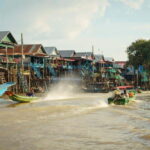
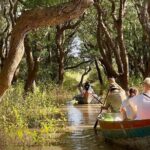
The day ends back near Siem Reap with Kampong Phluk, a flooded area and floating village. You get a private boat ride (listed as part of the Tonle Sap pass) and time to walk around the village area. The day summary specifically calls out the largest freshwater lake in Southeast Asia, Tonle Sap.
Important cost note: the Tonle Sap pass with private boat ride is $15 per person, and it’s not included. This is one of the clear add-ons you should budget for.
Why this day feels valuable: Phnom Kulen and Tonle Sap balance the whole trip. Angkor is intense and stone-heavy. Day 2 gives your brain a reset.
Day 3: second Angkor Wat sunrise, Ta Prohm, and the quieter temples that fill out the map
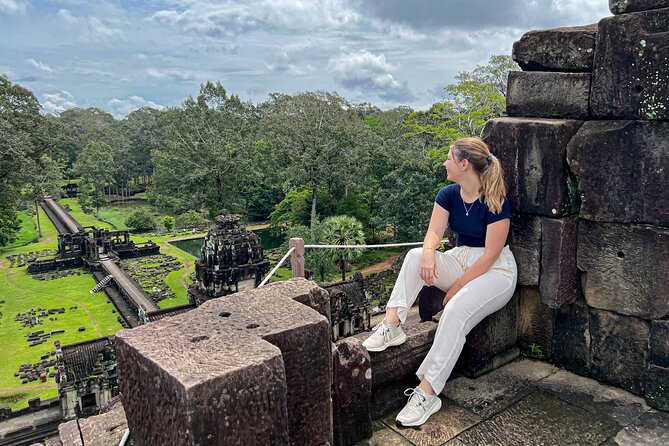
Day 3 starts even earlier, with pickup before sunrise at 4:40 AM. You’ll watch sunrise at Angkor Wat again—so you’re not just repeating a route; you’re seeing the site under different lighting and a different atmosphere.
Breakfast is included on Day 3. (The exact timing isn’t spelled out, so I’d plan to eat whenever your group is fed, then keep moving.)
Angkor Wat again: now you notice more
On the second day, you revisit Angkor Wat with about 1 hour allocated. This time, you’ll likely notice smaller architectural choices and the layout logic more clearly because you’ve already been there once.
Ta Prohm: the famous overgrown look
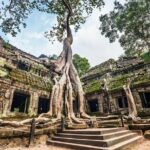
Then it’s Ta Prohm (about 1 hour). The tour notes its appearance in Tomb Raider and says film scenes were fairly faithful. Either way, the point is the atmosphere: massive roots, broken symmetry, and a temple that looks like time is still happening there.
Pre Rup and Ta Som: pyramid view and jungle-adjacent calm
After Ta Prohm, you visit Pre Rup (about 35 minutes), a pyramid temple dedicated to Shiva and tied to the reign of Khmer king Rajendravarman. Next is Ta Som (about 35 minutes), another Jayavarman VII-era temple known for an especially attractive portion of the site.
Neak Pean and Preah Khan: a more peaceful flow than the headline stops
Then comes Neak Pean (about 20 minutes), described as an artificial island with a Buddhist temple on a circular island in Jayatataka Baray. Finally, Preah Khan (about 1 hour) closes the day. It’s a 12th-century temple honoring the father of Jayavarman VII.
These last stops can feel quieter than the headline sites, which is good. After two long Angkor-heavy days, you want some balance.
Day 3 takeaway: sunrise finishes the trip with a strong emotional hit, while Ta Prohm and the later temples fill in the geography so you leave with a better mental map.
Price and value: where the $183.08 shines and where it adds up
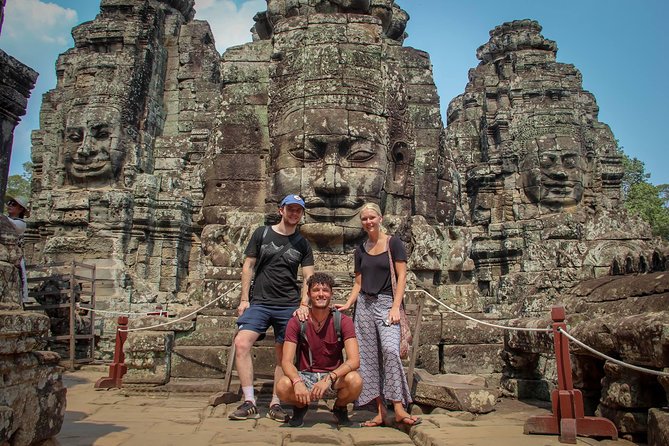
The listed price is $183.08 per person for about 3 days. That’s not just for driving around. You’re paying for:
- a professional English-speaking guide and driver
- hotel pickup and drop-off
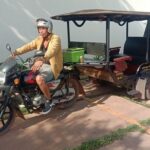
- private A/C transport
- cool water and cool towels
- breakfast on Day 3
What you’re not paying inside that base price: admission fees, the Phnom Kulen National Park fee ($20 pp) and Kulen Mountain pass ($20 pp), plus the Tonle Sap pass with boat ride ($15 pp). The tour also explicitly notes food and soft drinks are on you at meals.
So the true value question is: does the included service reduce your stress and help you see more well-timed moments? From the tour’s customer feedback, that seems to be the case. People consistently praise guides for pacing and history, and drivers for cold water and towels after hot temple walks. That kind of care is hard to buy if you DIY everything.
My practical budgeting advice: plan for major add-ons up front. If you only budget the headline price, you’ll get surprised.
The biggest practical details that make or break the experience
Heat and temple walking are real
You’ll be outside for long stretches. The tour notes it can get very hot, and it recommends carrying water and using sun protection and mosquito spray. That’s good advice. Your guide may provide cool water and towels in the van, but your skin still needs real protection.
Dress code: shoulders and knees
Temple rules matter here. The tour specifically says you should dress respectfully: shoulders and knees covered. Loose, lightweight long clothing is recommended for cooling, and comfortable shoes are a must. There’s also a note that the Apsara Authority can refuse entry to areas if your clothing is considered immodest.
Food: only one included breakfast
Breakfast is included on Day 3 only. Day 1 lunch and Day 2 meals are not included, even though you’ll have a lunch break scheduled. Bring snacks if you’re the type who gets cranky when lunch is late.
Sunrise starts early for a reason
The 4:40 AM pickup is early enough that you’ll feel it the first night. But sunrise is where Angkor changes from a destination into an experience.
Who this tour fits best
This works best if you:
- want two Angkor Wat moments (sunrise and sunset) instead of a single hit
- like guides who explain what you’re seeing, not just point at stones
- prefer private pacing so your day doesn’t feel like a race
- want nature and water in the mix (Phnom Kulen + Tonle Sap), not only temples in town
- plan to manage heat with clothing, water, and sunscreen
If you want a super relaxed trip with no early starts and no temple walking, you might choose a lighter format. But if you’re okay with early wake-ups and long days, this route is well matched to first-time Angkor priorities.
Should you book this Angkor 3-day discovery route?
Yes, I’d book it if you want the best “starter map” of Angkor beyond just the headline spots. The strongest reason is the structure: Angkor Thom and Angkor Wat day 1, Kulen and Tonle Sap day 2, then sunrise plus a broader temple mix day 3. That combo helps you leave with more than just photos—you leave understanding how the sites connect.
I’d think twice if you hate heat, dislike early mornings, or don’t want to budget extra for passes and park fees. The tour’s base price is reasonable, but the add-ons (Kulen fees, Tonle Sap pass, and the Angkor pass) are part of the real math.
If you’re going to do Angkor in three days, this one is built for results without feeling like a cattle call—especially with a guide-driver team like the ones people named (Sam, Seila, Sean, Sunny, and others) and the consistent cool-water-and-towel approach drivers were praised for.
FAQ
Is pickup and drop-off included?
Yes. You get hotel pick-up and return, with private A/C transport provided during the tour.
Is this tour private or shared?
It’s a private tour/activity, so only your group participates.
What’s included in the price?
Included are a professional English-speaking tour guide and driver, private transport with A/C, cool water and cool towels, and breakfast on Day 3.
Are admission fees included for the temples and parks?
No. Admission tickets and park passes are listed as not included, including the Angkor pass, Phnom Kulen National Park entry, and the Kulen Mountain pass.
How much is the Tonle Sap pass with the private boat ride?
The Tonle Sap pass with private boat ride is $15.00 per person and is not included.
What fees should I expect for Phnom Kulen?
The tour lists Phnom Kulen National Park $20.00 per person and the Kulen Mountain pass $20.00 per person, both not included.
Can I swim at the waterfalls in Phnom Kulen?
The tour notes that you can swim at the waterfalls, but during the dry season (March–July) there may be not much water.
What should I wear for temple visits?
The tour recommends modest clothing that covers shoulders and knees, plus comfortable shoes. Loose, lightweight long clothing is suggested for staying cool.