REVIEW · SIEM REAP
Siem Reap: Angkor Wat Tour Explore The Most Iconic Temples
Book on GetYourGuide →Operated by Angkor Wat Combine Tours · Bookable on GetYourGuide
Sunrise at Angkor Wat is unreal. This 8-hour Siem Reap tour strings together the big names and a couple quieter stops, with an easy private ride and cold towels and bottled water waiting for you.
I especially like the sunrise-first approach for Angkor Wat, plus the smart sequencing that moves you from the most iconic rooms to calmer corners before the day fully heats up.
My second favorite part is how the day’s temples each feel different: Bayon’s face towers, Ta Prohm’s jungle look, and Ta Keo’s unfinished pyramid shape.
One consideration: the Angkor Wat temple pass is not included, so you’ll need to budget time and money to buy tickets separately before you enter the archaeological sites.
Key things to know before you go
- Optional Angkor Wat sunrise starts with early hotel pickup and includes time for great light.
- You buy the entrance tickets yourself after pickup, then the tour begins at the temples.
- A tight 8-hour circuit covers Angkor Wat, Banteay Kdei, Ta Prohm, Ta Keo, Bayon, and Tonle Om Gate.
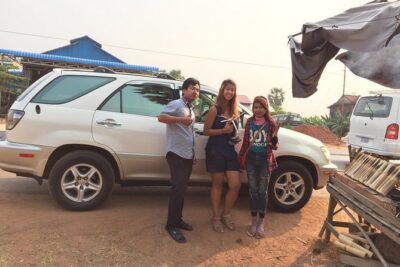
- English-speaking driver and private round-trip transport make the day feel low-stress.
- Dress for Khmer temples: shoulders and knees covered, plus comfy shoes for uneven ground.
- Heat + walking time add up, so sunscreen, sunglasses, and water matter.
In This Review
- 8 hours through Angkor’s most efficient temple circuit
- Sunrise at Angkor Wat: the early timing that changes everything
- Angkor Wat inside: carvings, galleries, and the feeling of a sacred route
- Banteay Kdei: the calmer “Citadel of Chambers” stop
- Ta Prohm’s jungle roots: famous, yes, but still worth your attention
- Ta Keo and Bayon: the unfinished pyramid and the face towers
- Tonle Om Gate (South Gate of Angkor Thom): the photo hit before the ride back
- Price and what you’re really paying for at $24 per group
- Logistics that matter: tickets, dress code, and comfortable temple walking
- Heat, photos, and how your day should feel
- Who this tour fits best (and who might want another option)
- Should you book this Angkor Wat tour with sunrise?
- FAQ
- How long is the tour?
- What is included in the $24 price?
- Do I need an Angkor temple pass?
- Are meals included?
- What time do pickup and sunrise start?
- Is the driver English-speaking?
- What should I wear to visit the temples?
- Is the tour wheelchair accessible?
8 hours through Angkor’s most efficient temple circuit
Siem Reap runs on a simple formula: if you want the famous temples, you need a plan for both time and heat. This tour gives you an organized 8-hour loop with hotel pickup and drop-off, plus private transport so you’re not piecing together rides on your own.
You’ll spend your day inside the Angkor Archaeological Park with a set route that hits the top sights in a logical order. That matters because Angkor is spread out, and your energy is limited once the sun climbs.
Sunrise at Angkor Wat: the early timing that changes everything
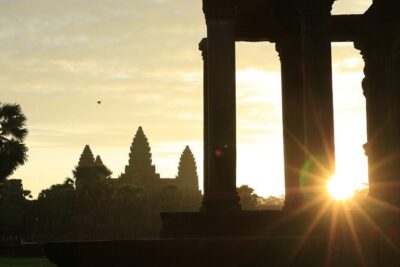
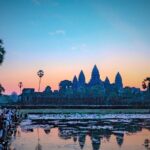
If you choose the sunrise option, the day starts with an early morning hotel pickup (they’ll message you the day before). You’ll head to the Angkor Archaeological Park, purchase your entrance tickets (paid separately), and then go through the little-visited western entrance for the experience of Angkor Wat at dawn.
This is where the tour earns its value. Sunrise light makes Angkor Wat look different than it does later in the day, and the early start gives you a calmer moment to take photos and absorb the scale before the biggest crowds pile in.
Practical tip: sunrise photos take time. Bring sunglasses for the brightness and keep your phone or camera batteries protected from the early chill and later sun shift.
You can also read our reviews of more tours and experiences in Siem Reap.
Angkor Wat inside: carvings, galleries, and the feeling of a sacred route
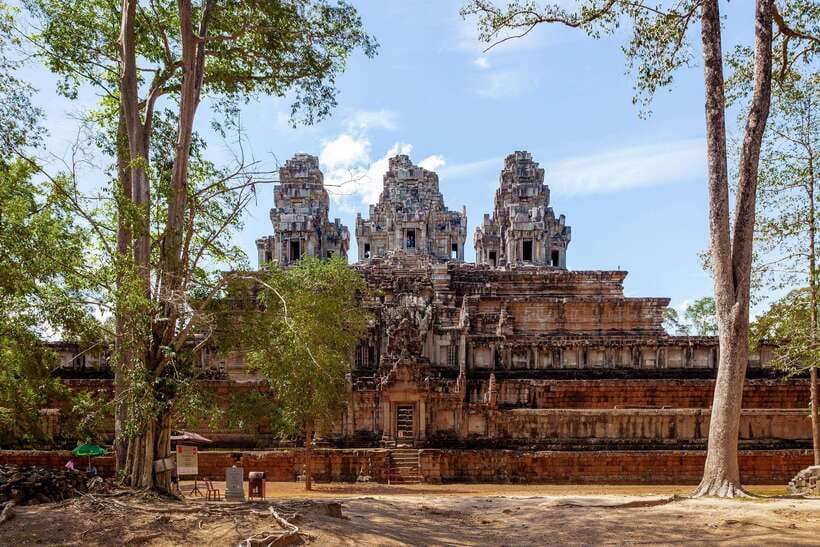
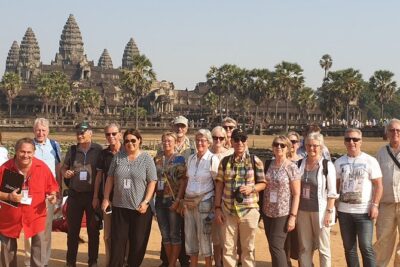
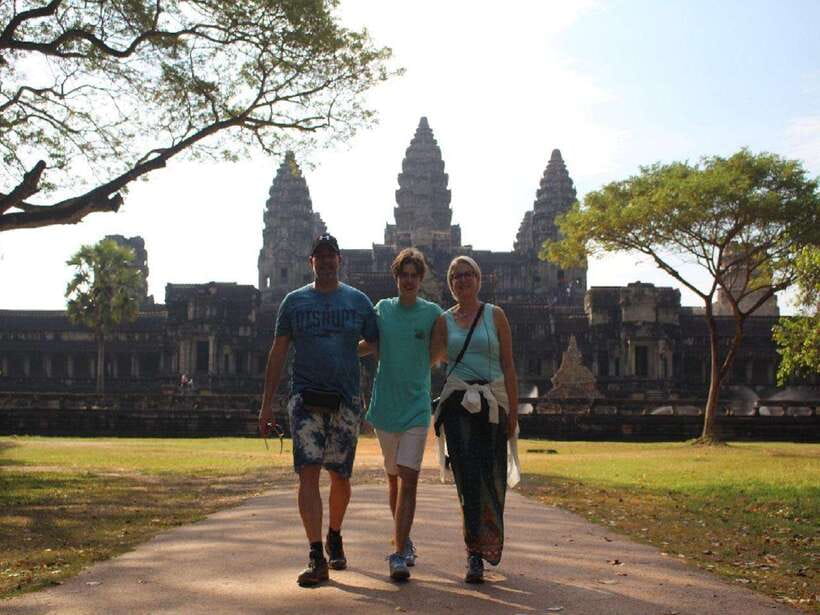
After sunrise, the tour moves into exploring Angkor Wat itself. You’ll see the main areas connected by broad galleries and courtyards, plus the iconic central sanctuary setting that makes the monument feel like a designed spiritual journey.
This temple began as a Hindu site and later became associated with Buddhism, so you’ll notice how the art and atmosphere shift over time. The walls are packed with intricate bas-reliefs and scenes tied to mythology—exactly the kind of detail that becomes more satisfying when you’re not rushed.
One realistic note: Angkor Wat is big, so you’ll want comfortable shoes and patience. Even with a plan, you’re walking a lot on stone that can be hot, uneven, and slippery after morning moisture.
Banteay Kdei: the calmer “Citadel of Chambers” stop
Next up is Banteay Kdei, a Buddhist monastery known for being quieter than some of the louder names on the circuit. The temple name roughly points to “Citadel of Chambers,” and the experience matches that idea: smaller spaces, serene corridors, and carvings that reward slower looking.
This is the kind of stop that balances the day. After Angkor Wat’s grand scale, Banteay Kdei feels like a breather—partly in ruins, with a more peaceful, slightly mysterious atmosphere.
If you like temples for their textures and layout (rather than only the postcard spots), this one is a smart inclusion.
Ta Prohm’s jungle roots: famous, yes, but still worth your attention
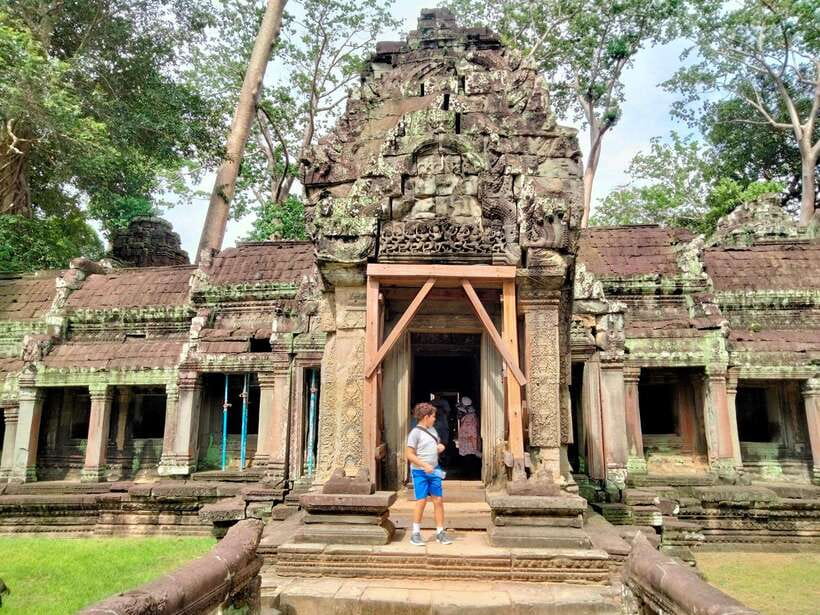
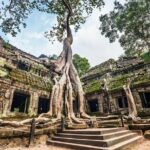
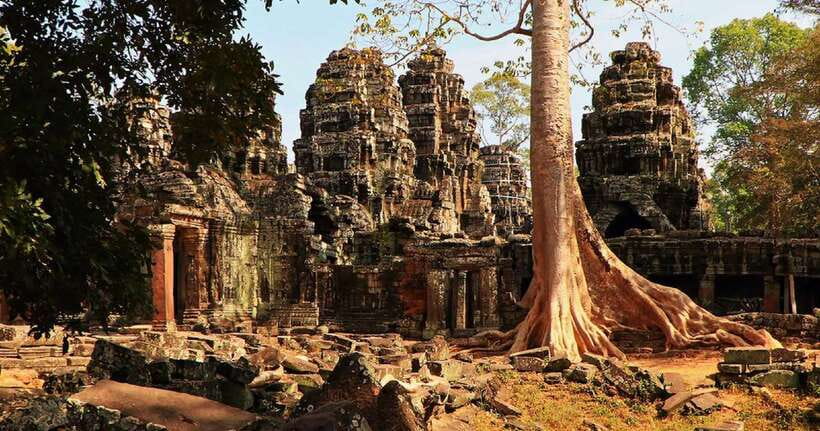
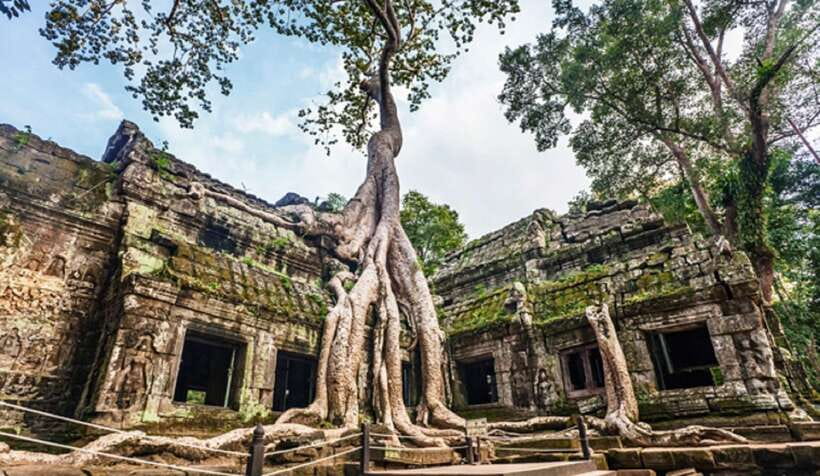
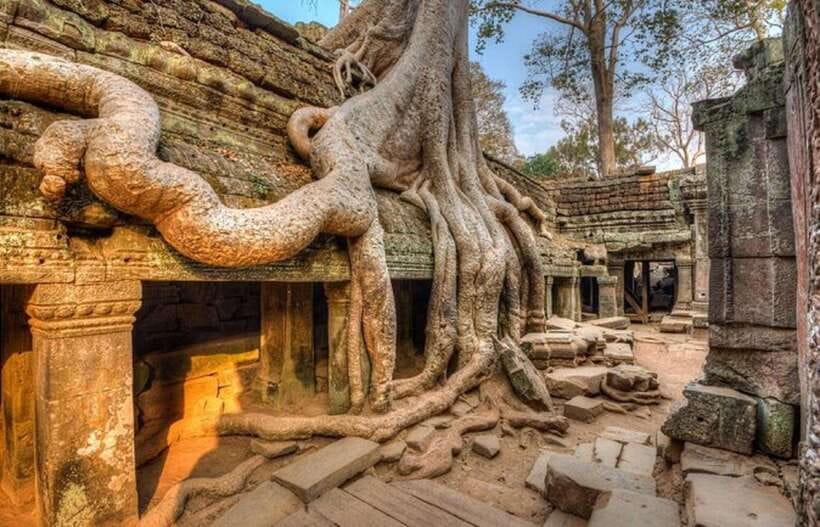
Ta Prohm is the temple most people picture when they hear jungle temple in Cambodia. Here, you’re dealing with dramatic tree roots growing over the ruins—an unforgettable visual that looks almost unreal in person.
This 12th-century temple is famous for its “left largely unrestored” look, which is why it feels like nature and architecture got tangled together and never fully separated. It also became world-famous through the movie Tomb Raider starring Angelina Jolie, but you don’t need the movie connection to enjoy it.
Watch your pace here. Ta Prohm’s beauty pulls you forward, but crowd flow and photo stopping can bottleneck you. I’d treat it like a slow photo walk: stop, look up, then move on.
Ta Keo and Bayon: the unfinished pyramid and the face towers
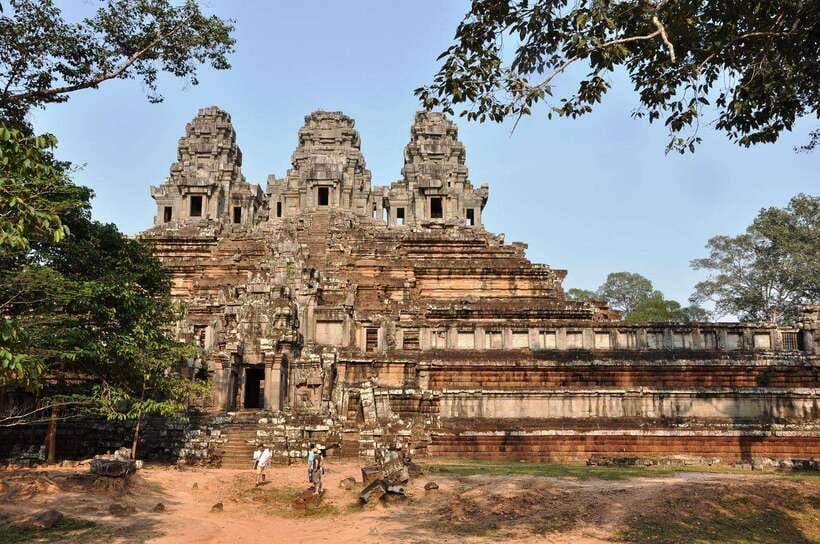
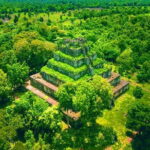
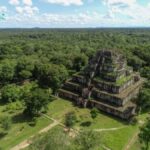
The day’s rhythm continues with Ta Keo, an ancient temple built in the late 10th to early 11th century. What makes Ta Keo stand out on this route is that it was never fully completed, which gives it a distinct feel compared to temples with a more finished, polished “final form” look.
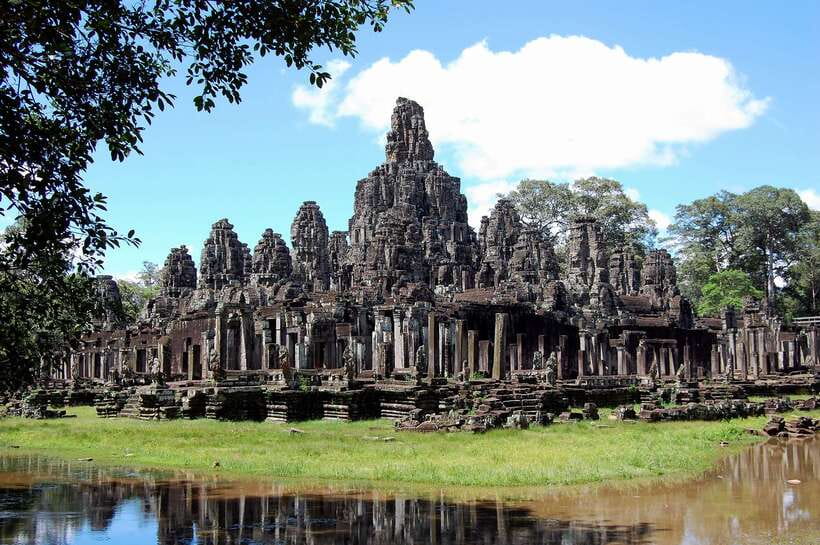
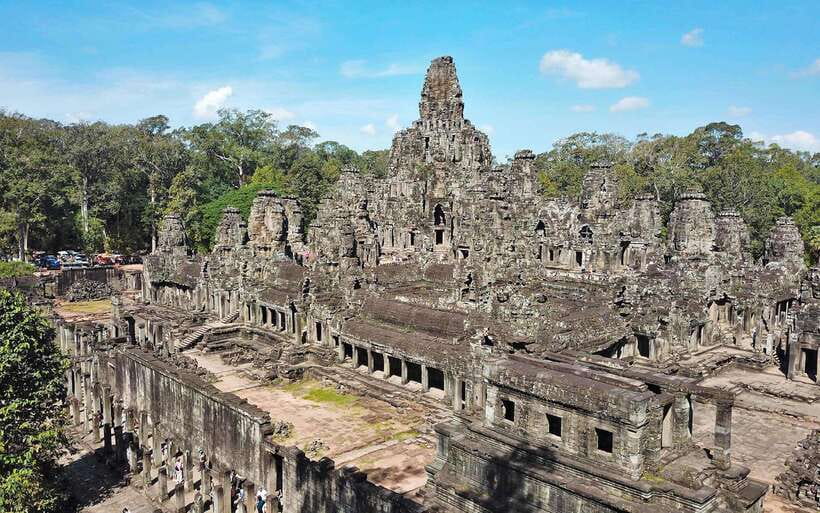
Then comes Bayon Temple, located at the center of Angkor Thom. Bayon is famous for its 54 towers, each with four large stone faces of Avalokiteshvara. The result is a temple that feels like it’s watching you from every direction.
Bayon is also one of the best places on this circuit to notice how carvings tell stories—from daily life scenes to historical battles. If you want meaning behind the stone, this is your payoff stop.
Add Tonle Om Gate afterward if you want one last strong visual moment before you head back.

Tonle Om Gate (South Gate of Angkor Thom): the photo hit before the ride back
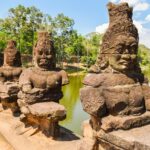
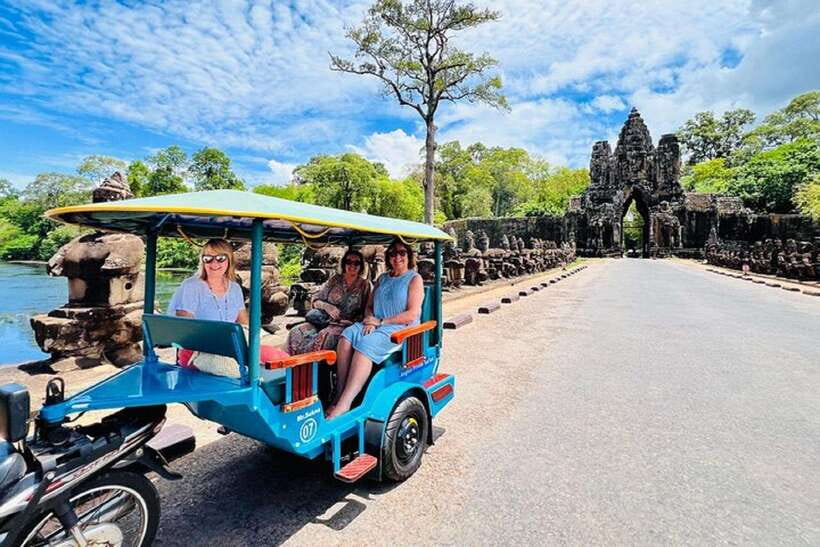
Tonle Om Gate is a major entrance to Angkor Thom, flanked by a causeway lined with statues of gods and demons. The gate is crowned with four giant stone faces, similar in style to Bayon’s towers.
It’s a great “wrap-up” stop because it’s big, graphic, and easy to take in quickly. You’ll get a final shot of Angkor Thom’s scale before the tour winds down.
If you’re sensitive to heat, this is also a good time to pace yourself. The walkways at Angkor can feel long in the afternoon.
Price and what you’re really paying for at $24 per group
The listed price is $24 per group up to 2 for an 8-hour day. That sounds almost too good until you read the fine print: the cost covers private round-trip transport, hotel pickup and drop-off, unlimited bottled water, and cool towels.
The big separate cost is the Angkor temple pass. It’s required and not included, so you’ll need to factor that into your total budget. Meals aren’t included either, so you’ll either plan your own food stop or carry simple snacks you’re allowed to have.
Value-wise, I’d think of this as buying convenience. Private transport plus a driver who stays with you reduces decision fatigue and keeps the day moving. When you only have a single day in Siem Reap, that’s often worth more than squeezing in one extra stop on your own.
Logistics that matter: tickets, dress code, and comfortable temple walking
This tour starts with your driver picking you up from your hotel, then going with you to buy your temple pass. After tickets are handled, the route follows the temple order—one by one—until you finish back at your accommodation.
Before you go, plan for these basics:
- Bring sunglasses, sunscreen, and cash
- Wear clothing that covers shoulders and knees
- Wear comfortable walking shoes
You’re also dealing with uneven terrain, so it’s not wheelchair accessible. If you have mobility limitations, you’ll want to think hard about what you can handle on stone steps and irregular surfaces.
The tour also notes you should not bring pets and not bring alcohol or drugs. Keep it simple and you’ll avoid last-minute problems at entry points.
Heat, photos, and how your day should feel
Angkor’s temples reward slow looking, but the reality is you’re in full sun for parts of the day. That’s why the included unlimited bottled water and cool towels are more than a nice touch—they help you keep your energy for the next stop.
For photos, prioritize:
- Angkor Wat at sunrise (best light and more relaxed timing)
- Bayon faces (big, readable views from multiple angles)
- Tonle Om Gate (easy wide framing)
For walking, pace your feet. Even the “short” stops are still temple pathways, steps, and time spent looking up. If you get tired, take breaks in shaded areas when you can.
Also, keep your eyes open for small surprises. One of the most practical bits of advice you’ll get on this kind of Angkor day is to watch for monkeys around temple areas, since they can appear near ruins and pathways.
Who this tour fits best (and who might want another option)
This is a strong fit if you:
- Want a structured 8-hour route without figuring out transport between temples
- Are prioritizing the most iconic sights (Angkor Wat, Ta Prohm, Bayon) plus key extras
- Like having a driver and pickup/drop-off handled so you can focus on the monuments
It’s also a good choice if you enjoy guides who keep things smooth—people often value the way English-speaking drivers stay available and ready when you need them, and the tour’s reviews frequently highlight that kind of steady support.
You might rethink it if you’re looking for long, museum-style explanations at a slower pace. This route is efficient, and you’ll be walking and moving between temples.
Should you book this Angkor Wat tour with sunrise?
I think it’s a yes if your goal is a high-impact Angkor day. The sunrise option at Angkor Wat is the standout reason to pick this, because it changes the look of the temple and sets the tone for everything that follows.
Book it if you want:
- Private transportation and hotel convenience
- A full circuit of major temples in one day
- The comfort extras like water and cool towels
Hold off if you’d rather travel at your own pace or if you’re not ready to handle temple pass planning and the dress-code basics. Also, if you know you’ll struggle on uneven stone, plan around that before committing.
If you can do the sunrise and you’re okay with a walking-heavy day, this tour is a smart way to see the temples that define Angkor.
FAQ
How long is the tour?
The tour is 8 hours long.
What is included in the $24 price?
The price includes hotel pickup and drop-off, private round-trip transportation, unlimited bottled water, and a cool towel.
Do I need an Angkor temple pass?
Yes. A valid Angkor Temple Pass is required and must be purchased separately (it is not included in the tour price).
Are meals included?
No, meals are not included.
What time do pickup and sunrise start?
If you book the sunrise option, the tour starts with an early morning pickup from your Siem Reap hotel. Pickup time is approximately 5 minutes before departure.
Is the driver English-speaking?
Yes, the driver is English.
What should I wear to visit the temples?
You should wear clothing that covers your shoulders and knees.
Is the tour wheelchair accessible?
No, it is not wheelchair accessible due to uneven temple terrain.