REVIEW · SIEM REAP
Sunset or sunrise bicycle tour around Angkor Wat and nearby temples
Book on Viator →Operated by Angkor Wat Shared Tours · Bookable on Viator
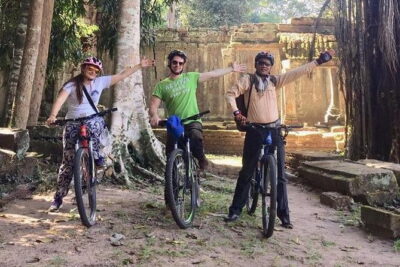
Waking up for Angkor is a different kind of magic. This is a small-group bicycle tour that takes you through Angkor Wat and several key temples with less “transfer hassle” and more time actually moving at human speed.
I especially like the way you get two timing options—either a pre-dawn sunrise at Angkor Wat or a sunset finish from Phnom Bakheng—so you can match the tour to your energy.
The big consideration: you’ll be riding in the dark on sunrise departures and doing real walking/climbing, so bring a safety-first mindset and a moderate fitness level.
In This Review
- Key highlights you’ll feel immediately
- Why biking Angkor Wat feels better than a bus day
- Sunrise at Angkor Wat vs sunset from Phnom Bakheng
- The sunrise version: pre-dawn energy, big payoff
- The sunset version: a hilltop finish with an iconic view
- The small-group rhythm and what it means for your comfort
- Stop-by-stop: what you’ll see and what to expect at each temple
- 1) Angkor Wat (sunrise highlight or major anchor stop)
- 2) Angkor Thom (South Gate and Bayon core)
- 3) Ta Prohm (the jungle-temple feel)
- 4) Banteay Kdei (monk’s cells and tree roots)
- 5) Ta Keo (the temple that was never finished)
- 6) Phnom Bakheng (only on sunset tours)
- Price and value: what $45 really covers
- What to bring (and how to ride smart in Angkor’s light)
- Should you book this Angkor Wat bicycle tour?
- FAQ
- What does the tour price include?
- Is the Angkor Pass included?
- How long is the tour?
- How big is the group?
- Do I get a choice between sunrise and sunset?
- What’s the cancellation policy?
Key highlights you’ll feel immediately
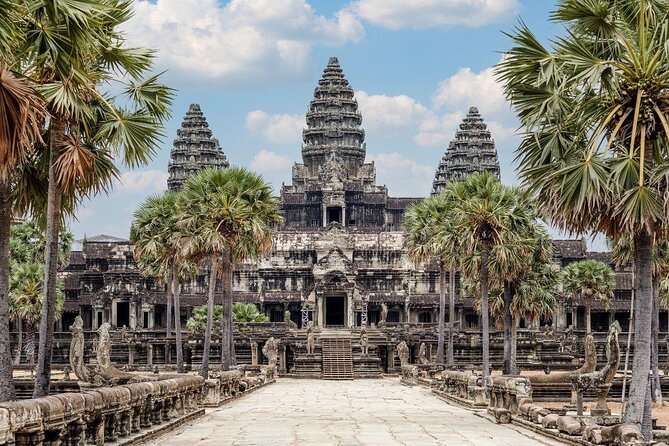
- Sunrise or sunset options: choose Angkor Wat at first light or Phnom Bakheng for sunset views.
- Hotel transfers included: two-way pickup/drop-off from Siem Reap hotels keeps the day smooth.
- Small group size (up to 15): easier pace, more guide attention, less chaos than big buses.
- An efficient temple route: Angkor Wat, Angkor Thom, Ta Prohm, Banteay Kdei, Ta Keo, and (on sunset tours) Phnom Bakheng.
- Guide who can spot good photo angles: multiple guides are praised for history and photography tips.
- Temple pass not included: plan on paying for the Angkor Pass separately.
Why biking Angkor Wat feels better than a bus day
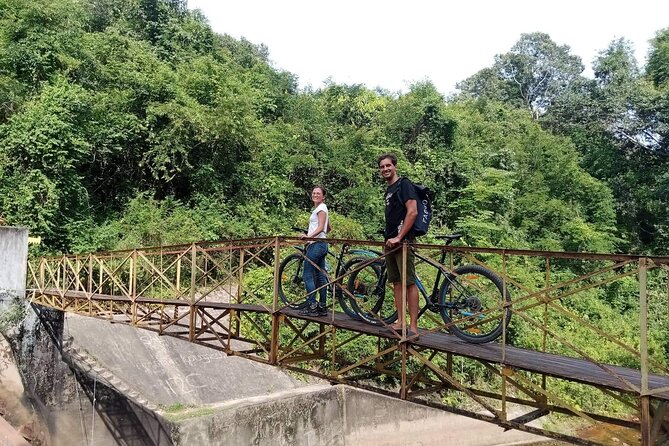
Angkor Wat is famous, sure. But what you experience changes fast depending on how you get there and when you arrive. Riding a bicycle between temples gives you that in-between time: the quick look toward the next monument, the moments of calm away from crowds, and the rhythm of stopping when the light hits right.
This tour leans into that idea. You get a guide, bicycles, and bottled water, plus hotel transfers, so you’re not spending your morning or evening figuring out logistics. At $45 per person, it’s also a solid value because you’re buying a guided route that covers multiple sites—rather than paying for one “photo stop” and then losing time getting around.
Another thing I like for practical travelers: you’re not locked into a single “big bus schedule.” With a small group (maximum 15), the pace can feel more manageable, especially on a day that blends biking with temple walking.
The trade-off is simple: you’re choosing movement over convenience. If you want a slow, cushioned, fully sedentary day, biking might not be your thing. But if you’re happy to work a little and you want Angkor to feel more personal, this approach makes sense.
You can also read our reviews of more evening experiences in Siem Reap
Sunrise at Angkor Wat vs sunset from Phnom Bakheng
One of the best parts of this experience is that you can tailor the day to your mood.
The sunrise version: pre-dawn energy, big payoff
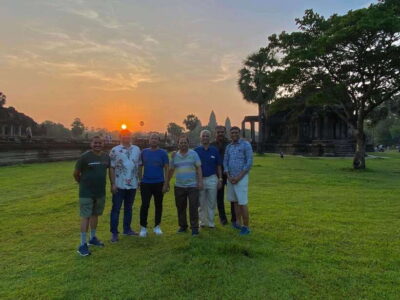
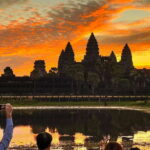
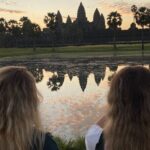
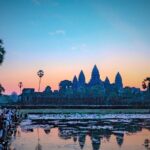
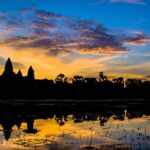
The sunrise tour starts very early, before most people are awake. For many sunrise departures, pickup timing has been reported around 4:30, with riding and navigating in the early dark before you reach the best viewing spot. It’s one of those days where you feel tired in the first hour, then rewarded instantly once the sky starts changing.
Sunrise is also when Angkor Wat can feel most spiritual—not because you have to be “serious,” but because it’s quieter and the temple’s scale hits differently when the light is low. You’ll spend time at Angkor Wat with a local guide, and you’ll be guided through the experience rather than just standing and hoping for good angles.
Practical drawback: darkness means you should think about visibility. One review suggestion was to equip bikes with lights for sunrise rides. Even if you don’t bring your own, do your part: wear something reflective if you have it, and don’t assume every path is equally lit.
The sunset version: a hilltop finish with an iconic view
If you pick the sunset tour, the highlight shifts to Phnom Bakheng, a hilltop temple built hundreds of years before Angkor Wat. This is one of the best-known places to watch sunset because it overlooks Angkor Wat itself—so you get the “main event” framing from a higher viewpoint.
This option usually feels less intense than the sunrise run because you’re not fighting the pre-dawn dark. You still ride and walk, but your day likely ends on a calmer high note: slow views, golden light, and a strong sense of closure after spending the day moving through Angkor’s core temples.
The small-group rhythm and what it means for your comfort
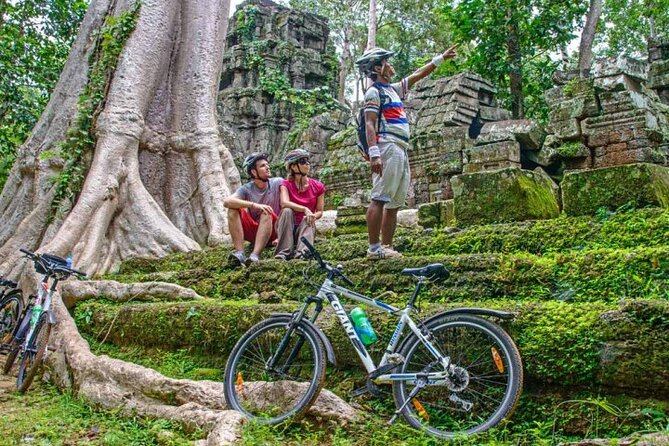
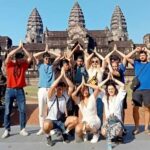
This tour keeps group sizes capped at 15 travelers, and that matters more than it sounds. With smaller groups, you can actually hear your guide and ask questions instead of just following the crowd. The pacing also feels more adjustable when the route mixes biking, temple steps, and short photo stops.
Your day typically runs about 7 to 8 hours. That length is “real day” time, not a quick half-tour. You’ll cover multiple major stops, but you won’t have to take separate transport between each one because the plan is built around the bike route.
You’ll also have bottled water, which helps a lot in Siem Reap’s heat. What you need to be responsible for is your own stamina: you should have at least moderate physical fitness, because temple walking and climbing are part of the experience.
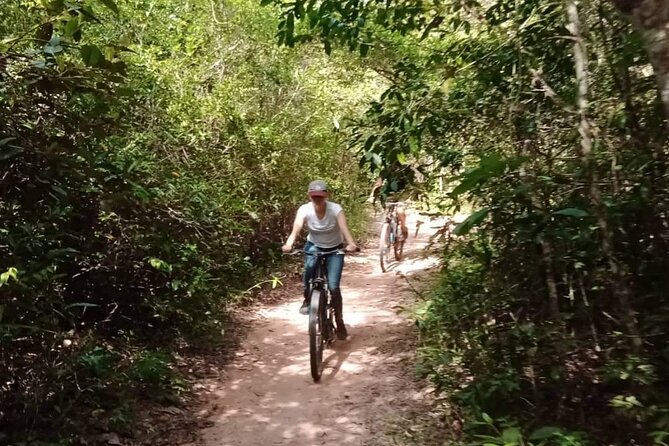
One more comfort note: you’ll be riding on roads and paths. Even when the ride feels fun, it’s still riding, so keep your expectations realistic. This isn’t a casual “cruise.” You’ll get exercise, and you’ll likely feel it afterward.
You can also read our reviews of more tours and experiences in Siem Reap
Stop-by-stop: what you’ll see and what to expect at each temple
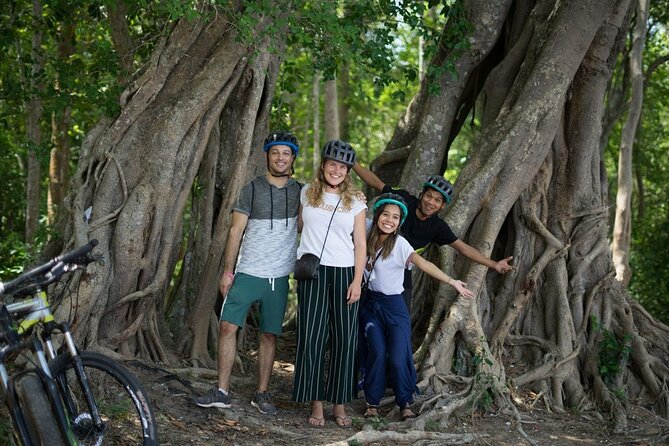
Your route focuses on the Angkor essentials—big monuments plus several standout ruins that most people don’t linger on long enough to really feel.
1) Angkor Wat (sunrise highlight or major anchor stop)
Angkor Wat is the reason people plan entire trips to Cambodia. In the context of this tour, it’s more than a landmark: it’s your starting point for the sunrise version, or your major early anchor either way.
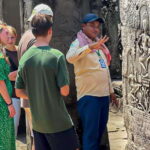
You’ll spend about one hour here with guided help. Sunrise tours aim to position you well for the moment the sky opens up over the temple. The guide’s role matters because Angkor Wat is huge; without guidance, it’s easy to wander and miss the most meaningful sight lines.
Admissions aren’t included here, so plan for the Angkor Pass at your expense. That said, the tour is still good value because the bike + guide + route saves you time and energy compared to doing it solo and moving between sites yourself.
2) Angkor Thom (South Gate and Bayon core)
Angkor Thom was the latter capital of the Angkor Empire, and this stop sets the scene for the era that followed. You’ll move through the South Gate, known for the carved gods and demons locked in an eternal tug-of-war.
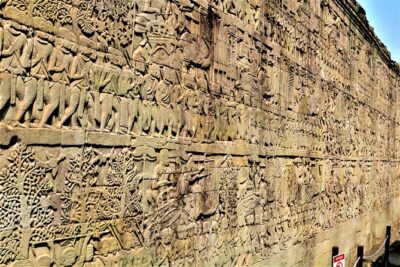
The next anchor is the Bayon temple at the center. This is where faces and symbolism do the heavy lifting. You’ll spend about an hour here, and the guide can help you read what you’re looking at instead of just admiring stonework with no context.
A practical drawback: this stop is still temples-first, so expect steps and walking. If you’re someone who hates stairs, pace yourself and use the short breaks your guide offers.
3) Ta Prohm (the jungle-temple feel)
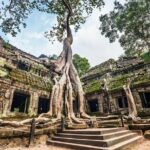
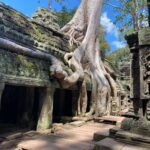
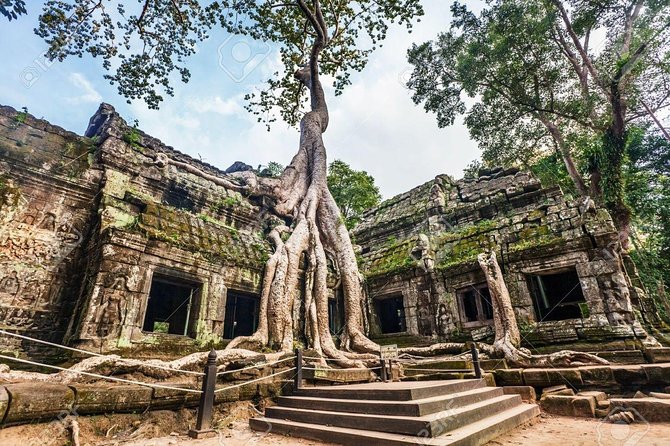
Ta Prohm is the famous ruin that’s partially reclaimed by jungle. It’s often called the Tomb Raider temple because it appeared in the film, and the setting really does look cinematic—tree roots, broken walls, and that “ruins meeting wild growth” vibe.
You’ll get about one hour here. The pacing is long enough to appreciate the details, especially if your guide points out where the framing looks best. The jungle setting makes Ta Prohm feel different from the more formal Angkor Wat/Bayon style.
Admissions aren’t included here either, so again, you’re counting on the Angkor Pass.
4) Banteay Kdei (monk’s cells and tree roots)
Banteay Kdei is known as the citadel of monk’s cells. If you like ruins that look a bit more overgrown and textured, this is one of the more satisfying stops.
A big draw is the way towering silk cotton tree roots weave through stone walls—an image you can’t quite “understand” until you see it in person. You’ll spend about one hour, which is enough time to walk around and notice how the roots interact with the remaining structure.
If you’re planning photos, this is a stop where having a guide can make a difference, since they can suggest photo angles rather than letting you guess.
5) Ta Keo (the temple that was never finished)
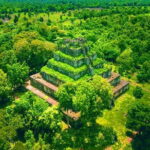
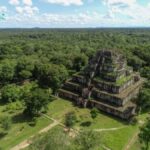
Ta Keo is a square, layered-pyramid temple that was never finished. Because of that, it looks different from many of the other major Angkor structures. It’s also one of the more dramatic “shape” temples on the route.
You’ll spend about one hour here as well. There’s climbing involved (the tour description notes climbing at this stop), and this can be a highlight if you enjoy reaching viewpoints and seeing the architecture from different angles. It can also be the part of the day that feels more physical, so don’t burn yourself out on the earlier stops.
6) Phnom Bakheng (only on sunset tours)
If you choose the sunset option, Phnom Bakheng becomes the closing act. It’s a hilltop temple with a view over Angkor Wat, and it’s specifically singled out as one of Cambodia’s best sunset spots.
You’ll spend about one hour here. This is the moment you’re likely to slow down: golden light on stone, the distant outline of Angkor Wat, and a sense of connection between your day’s route and the final viewpoint.
Price and value: what $45 really covers
At $45 per person, this tour is priced like a budget-to-midrange activity, not a premium “private driver + private guide” day. The good news is that what you pay for is tangible: guide, bicycles, bottled water, and pickup/drop-off.
Where the value gets better is in the time savings. With hotel transfers included, you avoid the hassle of coordinating separate transport between Siem Reap and your starting base, and between key temple areas across the day.
What’s not included is also clear:
- Lunch is not included
- Temple admission is not included (you pay for the Angkor Pass)
So, to budget realistically, add the cost of the Angkor Pass and think about a meal plan. Since the tour doesn’t include lunch, you’ll want to either bring a simple snack or plan to eat before/after the tour ends.
What to bring (and how to ride smart in Angkor’s light)
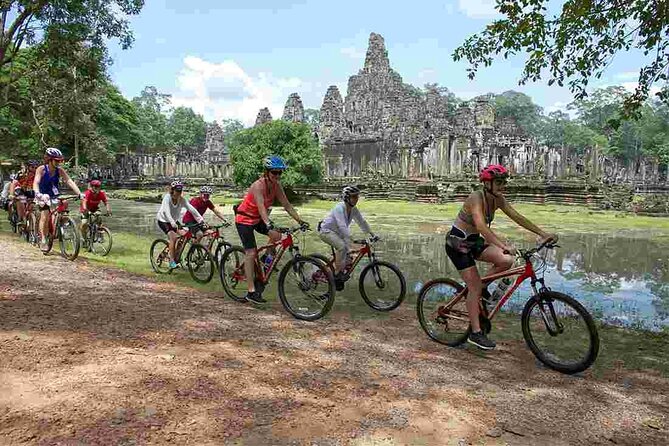
This tour asks you to be comfortable moving and walking. To make it smoother, plan for these practical needs:
- Some way to protect yourself from sun/rain: light clothing, plus a cover for weather changes.
- Comfortable shoes for temple steps and walking sections (bikes are only part of the day).
- Water discipline: you’ll have bottled water, but it still pays to sip regularly.
- Think about visibility on sunrise rides: darkness is part of the sunrise experience, and at least one rider recommendation was to add lights to bikes. If you have a small headlamp/flashlight, consider bringing it as a backup.
You don’t need to pack like a mountaineer. But you do want to be ready for a long day that mixes riding, stairs, and heat.
Also, because there’s a moderate fitness requirement, set expectations early. You’ll likely finish the day tired in a good way. If you’re hoping for a “nap on the ride and cruise the rest,” choose the timing option that matches your stamina.
Should you book this Angkor Wat bicycle tour?
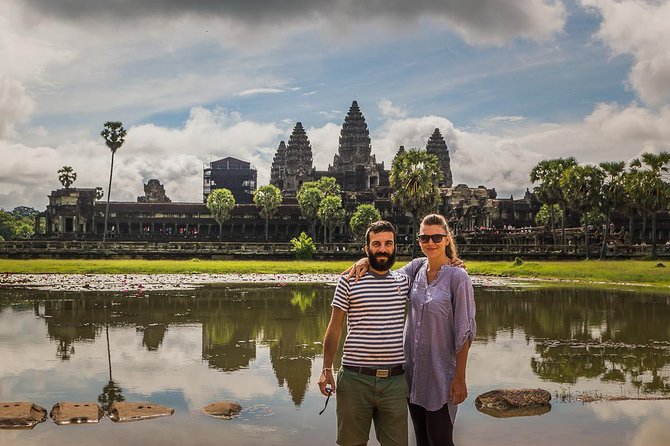
I’d book it if you want Angkor to feel active and personal, not like a checklist. The small-group setup, included bikes + guide + hotel transfers, and the choice between sunrise at Angkor Wat or sunset from Phnom Bakheng make it a smart way to see the major temples without losing your whole day to logistics.
I’d think twice if you’re sensitive to early mornings, you hate climbing stairs, or you’re uncomfortable riding in the dark (especially on sunrise tours). In that case, you might prefer a more relaxed sightseeing format.
If you’re a “get there early and get the best light” person, this tour is built for you—and the guide guidance can turn stone and symbolism into something you actually understand while you’re standing there.
FAQ
What does the tour price include?
The tour includes a guide, bicycles, bottled water, and pickup/drop-off from your Siem Reap hotel. Temple admissions and lunch are not included.
Is the Angkor Pass included?
No. The Angkor Pass (temple pass) is at your expense.
How long is the tour?
The tour runs about 7 to 8 hours (approx.).
How big is the group?
The maximum group size is 15 travelers.
Do I get a choice between sunrise and sunset?
Yes. You can choose a sunrise experience at Angkor Wat or a sunset experience that finishes at Phnom Bakheng.
What’s the cancellation policy?
You can cancel for a full refund if you do it at least 24 hours in advance. The experience may also be rescheduled or refunded if poor weather cancels it, and it can be canceled if the minimum number of travelers isn’t met.