REVIEW · SIEM REAP
Siem Reap: Floating Village Tour
Book on GetYourGuide →Operated by Khmerdetours · Bookable on GetYourGuide
Most tours in Siem Reap feel like sightseeing. This one feels like watching life at work. You ride by floating villages on the Tonle Sap, where the water’s direction flips seasonally and the whole community shifts with it.
I like the easy free hotel pickup and the fact that you’re not just looking at houses—you learn how fishing families live and why their struggle matters. One drawback to expect: the floating-village portion can feel more like an extended boat ride than a close-up walk through daily routines.
In This Review
- Key things I’d circle before you book
- Floating villages and the Tonle Sap twist you won’t forget
- Getting there: free pickup, air-conditioned rides, and a lotus farm stop
- The boat part: flat-bottom cruising for narrow rivers and big views
- Floating communities: schools, markets, and the real fishing pressure
- A stop on Queen Tara: drinks, fruit, and a historic dock
- Family-friendly in real life: what makes 3 hours work
- Price and value: is $65 per person fair?
- Timing and clothing: operating in all weather
- Who should book, and who should skip
- Should you book this Floating Village Tour?
- FAQ
- How long is the Floating Village Tour?
- How much does it cost?
- Is hotel pickup and drop-off included?
- Will I have an English-speaking guide?
- What do we do during the tour?
- Are meals included?
- Is the tour family friendly?
- Are unaccompanied minors allowed?
- Does it operate in bad weather?
- What’s the cancellation policy?
Key things I’d circle before you book
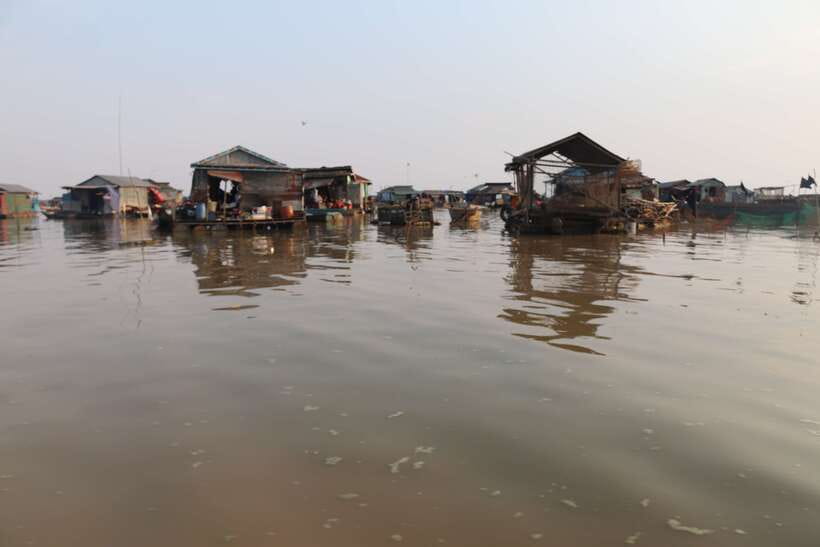
- Tonle Sap season changes everything: the water depth and village footprint expand and contract with the seasons.
- A lotus farm stop with real culture: you’ll learn how every part of the lotus plant is used, plus it’s great for photos.
- Flat-bottomed riverboats for tight waterways: the narrow rivers and turns make you feel like you’ve stepped into another pace of life.
- Queen Tara break on a historic boat: you’ll dock for drinks and local fresh fruit on a 100-year-old ex cargo boat.
- Guides with village roots: English-speaking locals, including guides like Vanna and Mr. Friday (Mr. Poun Poss), add real context rather than a script.
Floating villages and the Tonle Sap twist you won’t forget
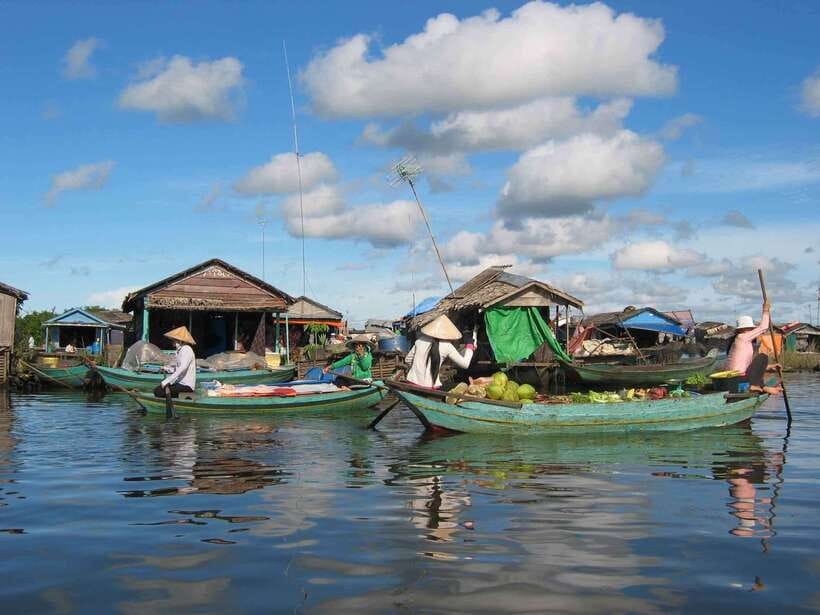
The headline attraction is the floating villages near Siem Reap. The real hook is what makes them possible: the Tonle Sap system doesn’t behave like a normal lake.
Twice a year, the water changes direction. During the wet season, the Mekong’s flow pushes north into Tonle Sap, swelling it fast. In the dry season, the lake empties south again. That swing changes the depth from about 1.5 meters early wet season to over 10 meters at the height, and it changes how much water area is available (from roughly 2,700 sq km to over 12,000 sq km).
So when you cruise out on the water, you’re seeing a place where homes, schools, businesses, and even community spaces adapt to the waterline. That’s a mind-bender in the best way.
You can also read our reviews of more tours and experiences in Siem Reap.

Getting there: free pickup, air-conditioned rides, and a lotus farm stop
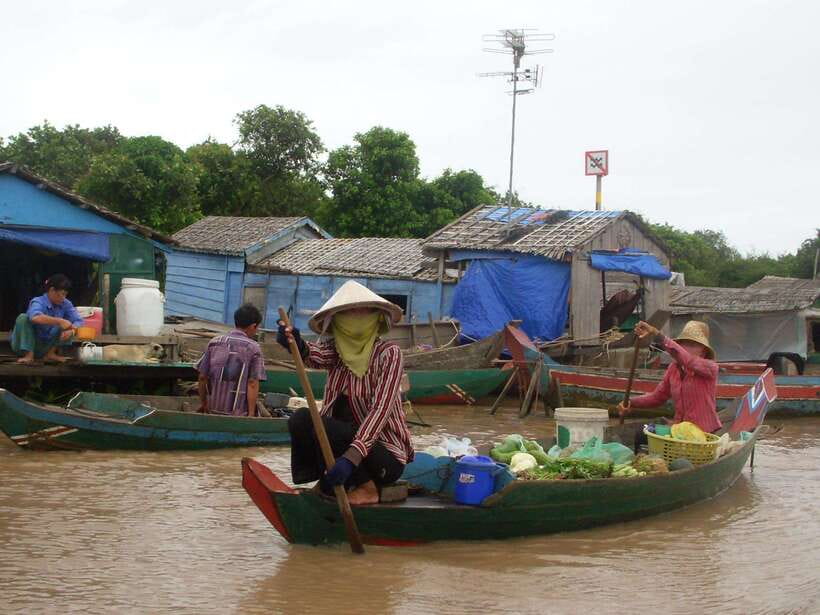
This tour keeps your morning (or afternoon) simple. You get free hotel/guesthouse pickup and drop-off, and you travel by air-conditioned car/minivan or a tuk-tuk, depending on where your pickup is.
About halfway to the lake area, you stop at a lotus flower farm. This isn’t just a quick photo break. Your guide explains why the lotus is tied to Buddhist culture and how it’s used in multiple ways, including uses for parts of the plant beyond just the bloom. And yes, the fields of color are ideal for pictures.
On the drive, you also pass rice paddies and see countryside that feels more Cambodian than Siem Reap’s temple circuit. It’s a nice way to reset your brain before you head onto the water.
The boat part: flat-bottom cruising for narrow rivers and big views
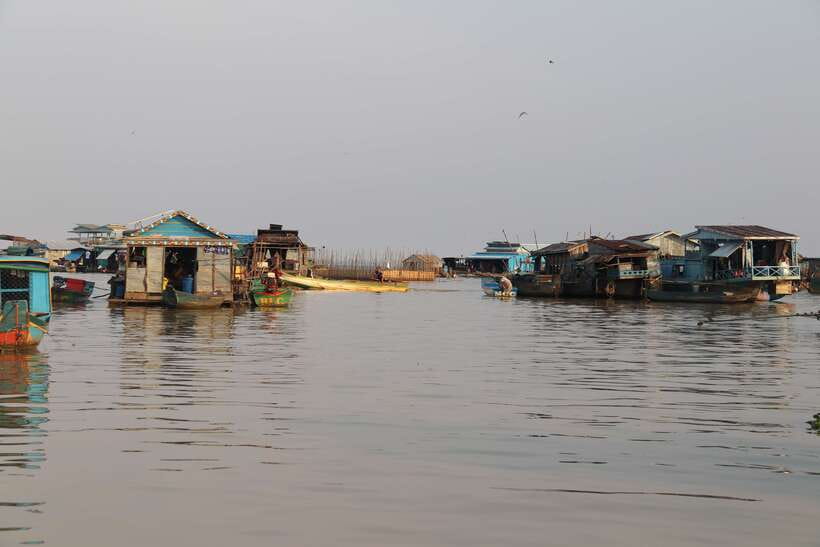
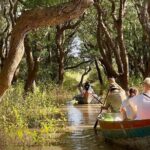
Once you reach the river entry, private boats take over. The tour uses flat-bottomed riverboats designed for the local waterways, which can be narrow and twisty. That matters because the scenery is not a straight line. You’ll turn corners, slide through channels, and watch the horizon change.
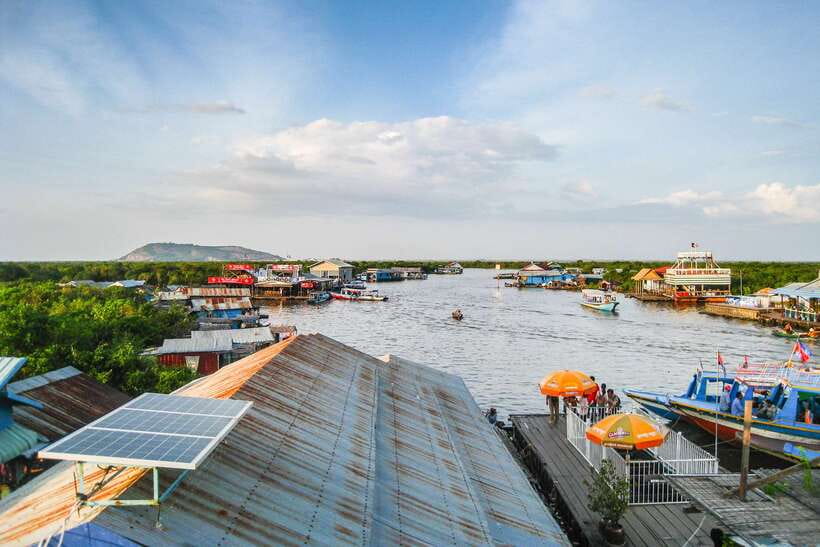
Then comes the “wait, that’s a lake?” moment. As the river opens out, you see a wide expanse of fresh water that feels more like a sea. The lake is described as the largest freshwater lake in Southeast Asia, and it supports a huge range of birds (the tour info cites 120-plus bird species and many large waterbirds). You’re not just sightseeing anymore; you’re reading the place.
The whole timing is tight—around 3 hours total—so the boat time is the main event. Wear something comfortable and expect a few minutes where you’re just standing and taking it in.
Floating communities: schools, markets, and the real fishing pressure
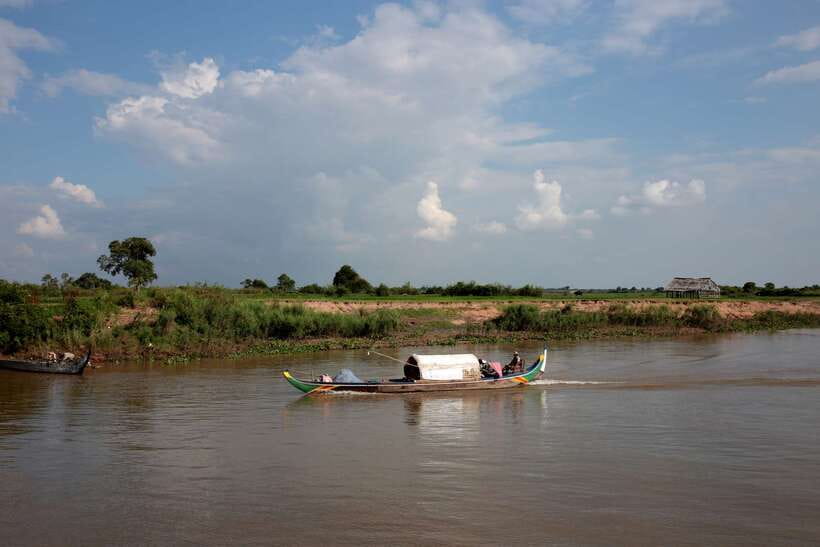
This is where the tour can feel different from the “seen-from-the-boat” versions of floating-village trips.
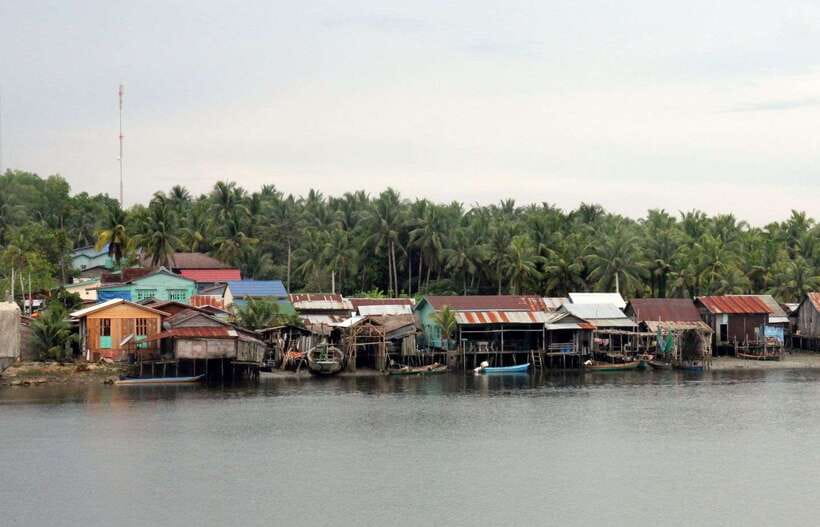
On the water, you’ll pass a whole catalog of floating life: schools, churches, markets, and community buildings. The tour description includes a police station and a jail, plus basketball courts and floating vegetable gardens. It’s the kind of detail that makes you look twice, because you start noticing how everything is organized around access to water.
The guide also frames the bigger issue: fishing stocks are reduced every year. That’s not an abstract environmental topic here—it’s tied directly to the livelihood of fishing families and their support systems. The tour positions itself as a way to support the local community while creating local, sustainable jobs.
That’s also why the guide quality matters. In particular, guides such as Vanna and Mr. Friday (Mr. Poun Poss) are mentioned as being especially informative about both what you’re seeing and the broader rhythm of Cambodian life. If you’re someone who enjoys context, this is one of the best parts of the experience.
A stop on Queen Tara: drinks, fruit, and a historic dock
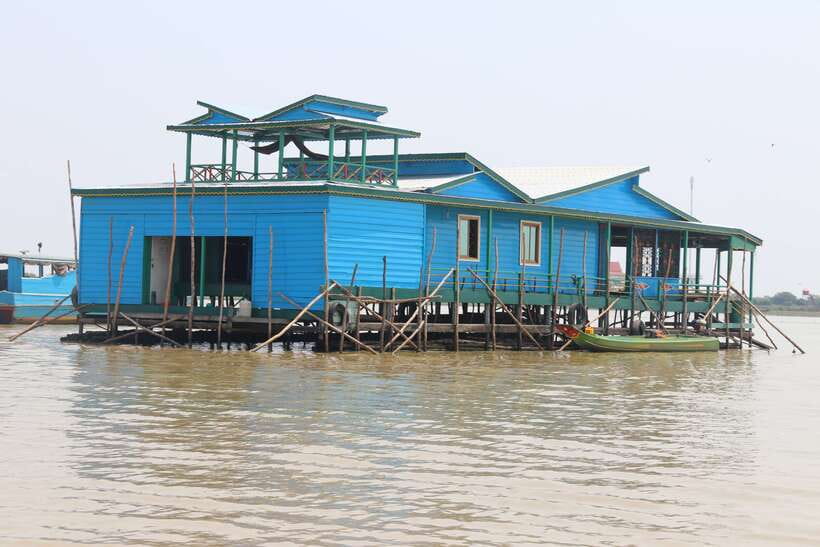
At some point during the cruising, the tour docks with a 100-year-old ex cargo boat called the Queen Tara Riverboat. This is your break point for drinks and local fresh fruit.
It’s a smart rhythm. You’ve already done the “moving scenes” part on the boat, and then you pause in a calmer setting while your guide keeps the story going. That also helps if you’re traveling with kids or just want a moment that doesn’t involve standing on a moving deck.
Even if you don’t care about boat trivia, the docked stop gives your eyes and shoulders a reset. And if you’re trying to take photos, you’ll appreciate having a steadier place to shoot.


Family-friendly in real life: what makes 3 hours work
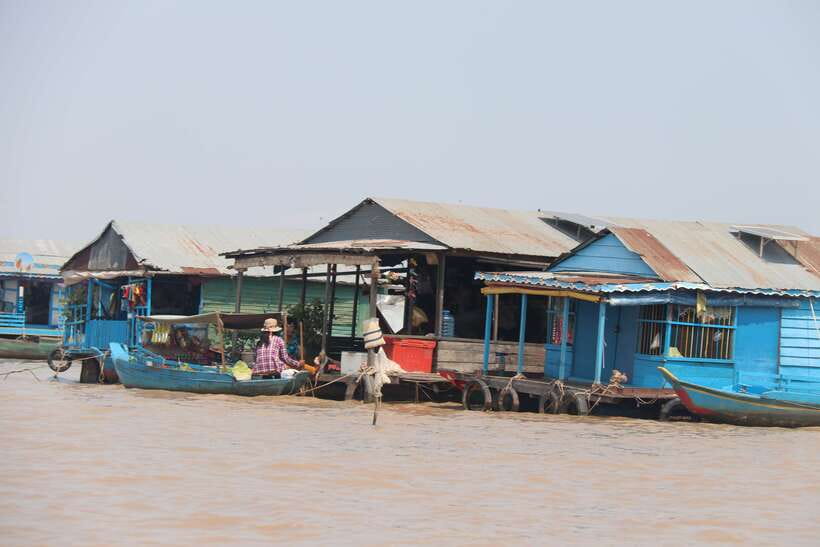
This tour bills itself as family friendly, and the structure helps. You’re not doing a long bus ride plus a long hike. You’re doing a short drive to the lake system, a lotus and countryside stop, and then a boat experience with plenty of visible “wow” moments.
For kids, the floating buildings and the constant change of scenery can hold attention better than temple stops do. For adults, the Tonle Sap seasonal logic keeps it from feeling like a simple sightseeing loop.
One practical note: it’s not a quiet, sit-and-forget cruise. There’s guide talk and active viewing. If you want a laid-back nap tour, this might be more lively than you expect. If you like learning while you look, it’s a good match.
Price and value: is $65 per person fair?
At $65 per person for about 3 hours, the value depends on what you expect your money to cover.
Here’s what’s included: pickup and drop-off, an English-speaking local guide, transport, checkpoint fees, plus boats and the driver. You also get the lotus farm stop and the boat-dock refreshment stop on Queen Tara (drinks and local fresh fruit). Meals and drinks beyond that are not included.
So the real question is whether you’re paying for transport and a guide—or just a boat ride. In the best-case scenario, you get both: boat access to the floating villages plus a guide who explains how daily fishing life works and why the community is dealing with reduced fish stocks.
Where you should keep your expectations grounded: if you’re hoping for hours of close-up walking through homes, this is still a cruise-focused tour. The floating village portion is seen from the water, and that’s part of the appeal. It’s also why the “what you’ll see” feel varies by day, guide, and how the route flows.
Timing and clothing: operating in all weather
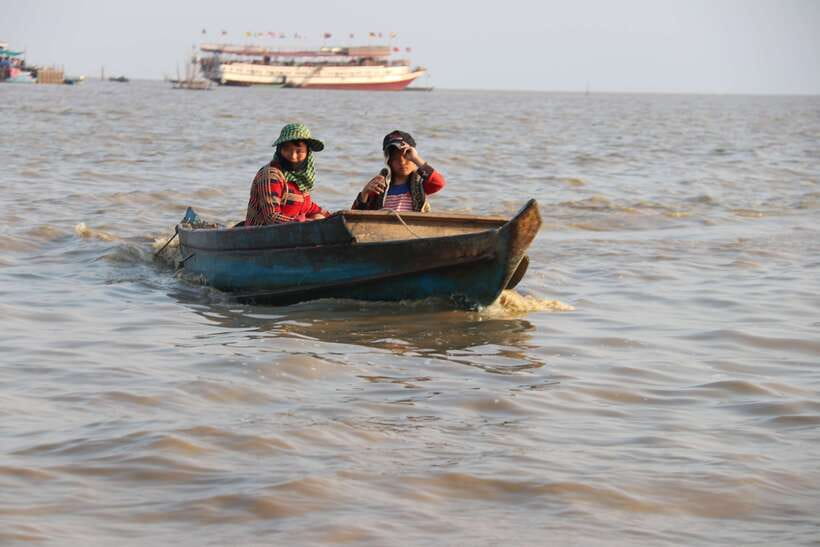
The tour operates in all weather conditions. That means you should dress for humidity, sun, and possible rain depending on the day.
I’d keep it simple: light layers, comfortable shoes, and something that can handle a sudden downpour. If you’re going earlier in the day, carry water with you since meals aren’t included.
Also, since you’ll be out on the water and then dock, you’ll likely want to protect your skin and eyes. Even on cloudy days, the lake reflection can be bright.
Who should book, and who should skip
This tour is a great fit if you want:
- A family-friendly outing with a clear “main event” that’s visual and memorable
- A short way to understand the Tonle Sap ecosystem and seasonal flooding logic
- A guide-led experience that connects floating village life to real livelihood challenges
You might skip it if:
- You only want a deep, walking-style look at homes and daily routines (this tour is cruise-first)
- You’re looking for a temple-only day with zero learning and zero context
If you’re doing Siem Reap basics and want one day that feels less like a checklist, this tour gives you something more human and more alive.
Should you book this Floating Village Tour?
I think it’s worth booking if you’re open to learning and you enjoy seeing how communities adapt to their environment. The Tonle Sap seasonal reversal detail turns the floating villages into more than a photo stop. And with guides like Vanna and Mr. Friday (Mr. Poun Poss) being highlighted for making the information stick, you’re likely to get more than just scenery.
Book it with one clear expectation: you’re doing a boat-based view of floating life, plus a couple of excellent land stops (lotus farm and countryside). If that sounds right, then $65 for 3 hours with hotel pickup, guide, transport, boats, and fees included is a fair value for Cambodia’s most unusual water-world.
FAQ
How long is the Floating Village Tour?
The tour lasts 3 hours.
How much does it cost?
The price is $65 per person.
Is hotel pickup and drop-off included?
Yes. The tour includes pickup and return to your hotel/guesthouse/hostel.
Will I have an English-speaking guide?
Yes. You’ll have an English speaking local guide (also Cambodian language support is listed).
What do we do during the tour?
You’ll travel by boat to see floating villages, with stops along the way including a lotus flower farm and a boat docking on the Queen Tara Riverboat for drinks and local fresh fruit.
Are meals included?
No. Meals and drinks are not included.
Is the tour family friendly?
It’s described as family friendly, and children must be accompanied by an adult.
Are unaccompanied minors allowed?
No. Unaccompanied minors are not allowed.
Does it operate in bad weather?
Yes. It operates in all weather conditions, so dress appropriately.
What’s the cancellation policy?
There is free cancellation up to 24 hours in advance for a full refund.