REVIEW · SIEM REAP
Siem Reap: Angkor Wildlife & Aquarium Entrance Ticket
Book on GetYourGuide →Operated by SARUS CO., LTD · Bookable on GetYourGuide
A visit to Angkor Wildlife & Aquarium is an easy win in Siem Reap. I like the clean, tidy enclosures and the way the main aquarium highlights local fish species, which keeps it more interesting than a generic tank-and-teddy-bear stop; the one thing to think about is that you may wish the conservation story went deeper into what puts animals at risk in the first place.
This is a self-guided outing built for a relaxed 2–3 hours, and the free shuttle saves you from timing tuk-tuks or stressing about getting back on time. Do note: it’s listed as wheelchair accessible, but it also says wheelchair users aren’t suitable—so if that applies to you, confirm before booking.
In This Review
- Key highlights (what matters most)
- Your $20 ticket: what you’re actually buying in Siem Reap
- Getting there without wasting your morning
- Wildlife sanctuary walk: rescued locals and clear viewing
- Aquarium zone: local fish in a setting that makes it worth your time
- Conservation and awareness: learning without the lecture
- Timing it right: how to fit 2–3 hours without rushing
- Self-guided means you’re in charge (and that’s a good thing)
- What to bring (and what will slow you down)
- Who this fits best (and who should think twice)
- Value check: is this worth $20 per person?
- Should you book Angkor Wildlife & Aquarium?
- FAQ
- How much is the Siem Reap Angkor Wildlife & Aquarium entrance ticket?
- How long does the visit take?
- What is included with the ticket?
- Is the visit guided?
- What are the free shuttle pickup locations?
- What are the shuttle times?
- Where do you get dropped off after the visit?
- What should I bring?
- Is it suitable for children?
- Can I cancel and get a refund?
- What about wheelchair use?
- Is there a pay-later option?
Key highlights (what matters most)
- Wildlife sanctuary + aquarium in one ticket (you’re not hopping between locations)
- Rescued and native animals like otters, reptiles, and birds
- A strong aquarium focus on Cambodian fish species and memorable moments around feeding
- Free round-trip shuttle from set pickup points near key Siem Reap areas
- Conservation education that works for kids and adults
- Value at $20 per person for entry to both zones
Your $20 ticket: what you’re actually buying in Siem Reap
For $20 per person, you’re getting entry into Angkor Wildlife & Aquarium’s wildlife sanctuary and its aquarium zone, plus skip-the-ticket-line convenience. The big value here is that it’s not just “see some animals.” You get two related areas in one visit, so you can realistically fill a half-day without overplanning.
The other value is practical: the ticket includes free round-trip hotel shuttle service, but only for certain hotels and pickup points near the Ibis Styles Hotel, The Heritage Walk, or Angkor Enterprise. If you’re staying outside that covered zone, you may need a different plan (and costs can creep up fast in Siem Reap).
You can also read our reviews of more tours and experiences in Siem Reap



Getting there without wasting your morning
Your day starts with a simple system. You pick one shuttle departure, and you’re dropped back at Ibis Styles Hotel at the end.
Morning pickups run:
- 08:15 at Ibis Styles Hotel
- 08:25 at The Heritage Walk
- 08:40 at Angkor Enterprise
Return is 11:45 back to Ibis Styles Hotel.
Afternoon pickups run:
- 12:35 at Ibis Styles Hotel
- 12:45 at The Heritage Walk
- 01:00 at Angkor Enterprise
Return is 03:45 back to Ibis Styles Hotel.
A small tip that saves hassle: be at your pickup point 5 minutes early. No-shows and missed pickups don’t get refunds, so treat the shuttle like a real appointment, not a vague suggestion.
Wildlife sanctuary walk: rescued locals and clear viewing
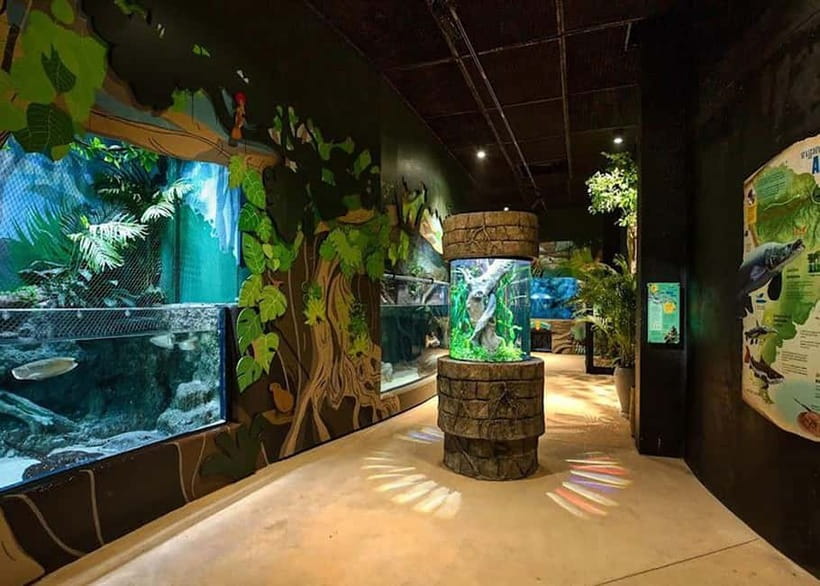
The wildlife sanctuary portion is where the visit turns from “tickets” into “actually spending time with animals.” The setup focuses on rescued and native animals found in Cambodia and Southeast Asia. Expect a mix such as otters, reptiles, birds, and other species, with habitats designed so you can move around and get decent sightlines.
What I like about this section is that it’s not trying to cram everything into 10 minutes. Even on a self-guided visit, the layout gives you space to slow down and watch behavior instead of just taking fast photos and moving on. You’ll also find the whole place is run with a clean, tidy standard—enclosures look maintained, and paths feel easy to navigate.
One consideration: this is still a facility that houses animals in human-managed environments. That can be fine for education and conservation, but if you’re very sensitive to animal welfare details, pay attention to the messaging and how the conservation angle is presented. One review suggested the site could focus more on how animals are pressured by things like land clearing and pollution—so your experience may depend on how closely you want those broader issues addressed.
Aquarium zone: local fish in a setting that makes it worth your time
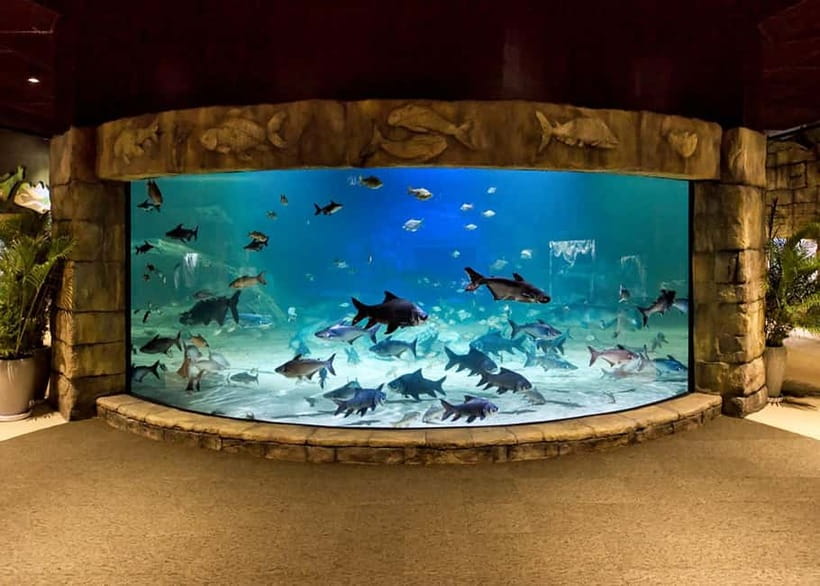
Then you move into the aquarium zone, which is the part that tends to impress most people for a simple reason: it puts local freshwater species at the center, not just generic tropical showpieces. The “main aquarium” is specifically praised for showing off local fish species, and it’s the kind of display where you can linger because there’s real variety—colors, shapes, and behavior all doing their own thing.
You’ll also see freshwater and marine creatures presented through educational exhibits and displays. The format is built to be learnable without feeling like a classroom, which matters in a place where kids and adults often share the same space. The close-up views make it easy to spot small differences you’d miss in a rushed look.
A nice moment to watch for is feeding time, which people highlight as extra special. If you see staff activity around a tank, don’t race past it—pause for a minute. Even if you’re not a big “aquarium person,” feeding often turns a background attraction into a real event.
Conservation and awareness: learning without the lecture
The site’s message leans conservation-focused. You’re not just watching animals; you’re also picking up awareness about why wildlife rescues matter and how ecosystems connect—especially for species native to the region.
I like that the conservation angle is delivered in a way that fits the setting: signage, exhibits, and interactive-style areas (where available) make the facts approachable. This is one of those places where adults can learn and kids can stay interested without needing constant entertainment.
Still, it’s fair to say the conservation story can feel uneven. One review floated that they could do more to explain animal harm linked to human activity. If that topic is a big deal for you, go in with your own curiosity, and read the signs like they’re part of a bigger environmental puzzle—not just standalone facts.
You can also read our reviews of more tours and experiences in Siem Reap


Timing it right: how to fit 2–3 hours without rushing
The ticket is designed for 2–3 hours, and that’s realistic if you use the time well. Here’s how I’d pace it:
- Start with the wildlife sanctuary and give yourself room for walking and watching.
- Move into the aquarium when you still have energy for lingering.
- Don’t try to do everything in one nonstop loop. Leave gaps for those moments when an animal is suddenly active.
Because it’s self-guided, your schedule depends on what you prioritize. If you mainly want photos, you’ll move faster. If you want behavior viewing—otters doing something unexpected, reptiles changing positions, birds reacting to nearby movement—you’ll need time.
Also, the shuttle return times create an invisible deadline. Build in a little buffer so you’re not sprinting toward the exit when your tank-side curiosity hits its peak.
Self-guided means you’re in charge (and that’s a good thing)
This isn’t a guided tour. That’s actually a plus for many people in Siem Reap, where “fixed schedule pressure” can drain the fun out of a trip day.
You’ll have the freedom to:
- linger longer in the aquarium if it grabs you
- speed through exhibits that don’t interest you
- adjust for kid energy or jet lag
One small note from a review: staff support can be excellent, and Tino was specifically mentioned as doing a great job. Even without a formal guided tour, having friendly help available is part of what makes the visit feel smooth.
What to bring (and what will slow you down)
Plan for heat and walking. The venue is outdoors in parts, and Siem Reap sun can be blunt.
Bring:
- comfortable shoes (you’ll walk more than you expect)
- a hat and sunscreen
- a camera (aquarium tanks and wildlife moments are photo-friendly)
- water (don’t count on buying enough on-site)
If you forget water, you’ll feel it fast. If you forget shoes, you’ll start walking differently, and you’ll rush less smoothly.
Who this fits best (and who should think twice)
This attraction is a good match if you want a nature-meets-culture stop that doesn’t require a major time commitment. It also works well for families, because the exhibits are set up to be understandable and enjoyable for kids and adults.
It may not be the best fit if:
- you have animal allergies
- you’re traveling with very young children (it’s listed as not suitable for children under 3)
- you’re pregnant (it’s listed as not suitable for pregnant women)
The mobility listing is a little complicated. While it notes wheelchair accessible, it also lists wheelchair users as not suitable. If that applies to you, treat it as a call-ahead situation so you don’t end up stuck with a plan that doesn’t work on the ground.
Value check: is this worth $20 per person?
I think it’s good value because you’re getting two experiences that normally cost more time (and often more money) to combine: a wildlife sanctuary and an aquarium. The ticket price is also attractive compared to many single-attraction entries in popular tourist areas.
The real “value math” depends on your logistics:
- If your hotel is within the free shuttle pickup zone, the ticket feels like a bargain.
- If you’re outside the covered areas, you might have to add transport costs, which changes the deal.
Either way, the self-guided format helps you squeeze meaning out of the time you spend there. It’s not just a pass-through stop; it’s long enough to make the aquarium and wildlife both feel complete.
Should you book Angkor Wildlife & Aquarium?
Book it if you want an easy, structured half-day in Siem Reap that’s educational, animal-focused, and logistically simple. The wildlife sanctuary and aquarium combination at $20 is a strong fit for families, rainy-day alternatives (if the weather is mild enough for walking), and anyone who prefers wildlife without committing to a full-day tour.
Skip or think twice if you’re extremely concerned about detailed animal welfare messaging and want a deeper explanation than the exhibits provide, or if you fall into the listed non-suitable categories (like animal allergies or children under 3). And if wheelchair use is part of your travel plan, confirm the practical on-site setup first, because the information provided is conflicting.
If you like the idea of seeing regional species in both sanctuary enclosures and aquarium displays, this is one of the more straightforward “yes” tickets in Siem Reap.
FAQ
How much is the Siem Reap Angkor Wildlife & Aquarium entrance ticket?
The ticket is $20 per person.
How long does the visit take?
Plan for about 2 to 3 hours.
What is included with the ticket?
You get entry to Angkor Wildlife & Aquarium, covering both the wildlife sanctuary and the aquarium zone. The ticket also includes a free round-trip hotel shuttle for hotels near the listed pickup points.
Is the visit guided?
No. This is a self-guided visit.
What are the free shuttle pickup locations?
The shuttle picks up at Ibis Styles Hotel, The Heritage Walk, and Angkor Enterprise in Siem Reap.
What are the shuttle times?
Morning: 08:15 pickup at Ibis Styles Hotel, 08:25 at The Heritage Walk, 08:40 at Angkor Enterprise, with return at 11:45 back to Ibis Styles Hotel.
Afternoon: 12:35 pickup at Ibis Styles Hotel, 12:45 at The Heritage Walk, 01:00 at Angkor Enterprise, with return at 03:45 back to Ibis Styles Hotel.
Where do you get dropped off after the visit?
The shuttle returns you to Ibis Styles Hotel in Siem Reap.
What should I bring?
Bring comfortable shoes, a hat, a camera, sunscreen, and water.
Is it suitable for children?
It is not suitable for children under 3 years old.
Can I cancel and get a refund?
Yes. You can cancel up to 24 hours in advance for a full refund.
What about wheelchair use?
The information says the attraction is wheelchair accessible, but it also lists wheelchair users as not suitable. If wheelchair access matters for you, confirm before booking.
Is there a pay-later option?
Yes. The booking option includes reserve now & pay later, so you can book without paying immediately.