REVIEW · SIEM REAP
Siem Reap: Angkor Wat Tour with Italian-Speaking Guide
Book on GetYourGuide →Operated by Vamos Camboja Turismo · Bookable on GetYourGuide
Angkor feels easier when you speak the language. This private Siem Reap tour pairs you with an Italian-speaking guide so the temples’ stories click fast, and you’ll also get real help finding best photo spots. One catch to plan for: the Angkor entrance ticket is not included, so you’ll add that cost on top.
I like that this is built like a practical visit, not a rushed checklist. You start with hotel pickup, move through major sites at workable times, and finish back at your hotel without fighting crowds all day. The schedule is solid, but if the weather turns rainy, your time inside can tighten, like it did for one group.
In This Review
- Key takeaways before you go
- Tickets and morning logistics from your hotel lobby
- Price and value: $140 per group plus the Angkor ticket
- Why the Italian-speaking guide is the real upgrade
- Ta Prohm, Angkor Thom, and the Small Circuit hit list
- South Gate of Angkor Thom
- Bayon Temple
- Terrace of the Elephants and Terrace of the Leper King
- Ta Prohm
- Lunch break (not included)
- Photo stop timing
- Angkor Wat in the afternoon: symbolism, not just the view
- Two-day option: sunrise timing and the Grand Circuit workload
- Morning sunrise option
- Day 1 base circuit
- Day 2 Grand Circuit: Preah Khan to Pre Rup
- Banteay Srei: the pink sandstone finale
- Transport that keeps your energy for temples (not traffic)
- Crowds, timing, and why your guide’s route choices matter
- What to wear: temple rules you can’t ignore
- Who this private tour suits best
- Should you book this Angkor Wat tour with an Italian guide?
- FAQ
- FAQ
- Is the Angkor Archaeological Park entrance ticket included in the tour price?
- What time does the tour start and when does it end?
- Do I need to buy lunch separately?
- What kind of transport will I use?
- What should I wear to enter the temples?
- Is the tour private, and can children join for free?
Key takeaways before you go
- Italian guide, easier explanations: You get history, art, and symbolism explained in Italian, not just gestures.
- Photo assistance: Stops like Victory Gate and Ta Prohm come with guidance on where to stand.
- Smart temple routing: Your guide aims to hit sites when crowds are lighter and may use less obvious entrances.
- Comfort built in: Cold water and cold towels show up during the day when it’s hot and humid.
- 1 or 2-day format: Choose a tight Small Circuit plan or a slower Grand Circuit + Banteay Srei.
- Tickets are extra: The park pass is separate, so budget early.
Tickets and morning logistics from your hotel lobby
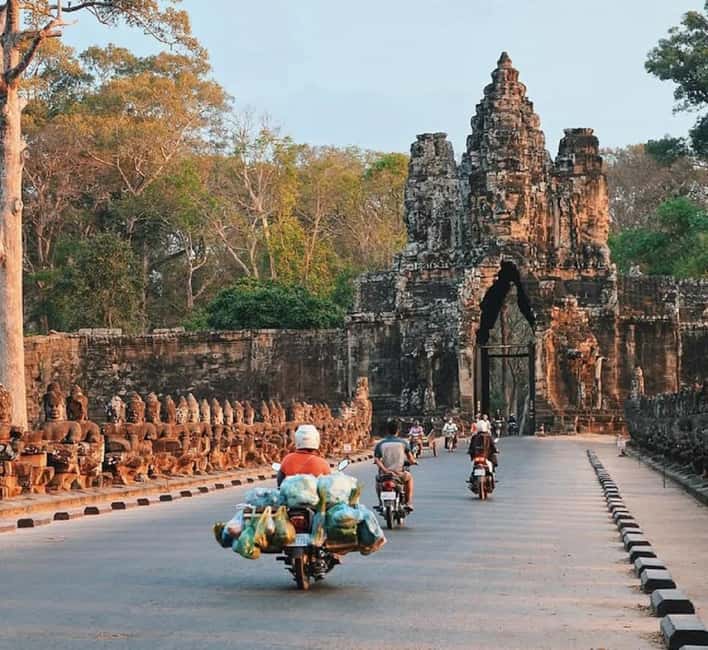
This tour starts with you being picked up directly from your hotel lobby around 8:30 AM. From there, you go together toward the ticket booth area to sort your Angkor Archaeological Park pass. If you prefer, you can also buy the pass online in advance. Either way, having a guide with you means you’re not doing paperwork while the heat is already rising.
Two practical notes that matter for budgeting and timing:
- The entrance ticket is not included. It’s listed as $37 per person for a 1-day pass and $62 per person for 2–3 days.
- A passport must be shown as proof for children under 12 when it comes to entrance-ticket rules.
Also, the tour is structured around private time with a driver and guide. That matters because you can ask questions in real time, and you’re not stuck waiting while a big group shuffles photo-by-photo.
You can also read our reviews of more guided tours in Siem Reap
Price and value: $140 per group plus the Angkor ticket
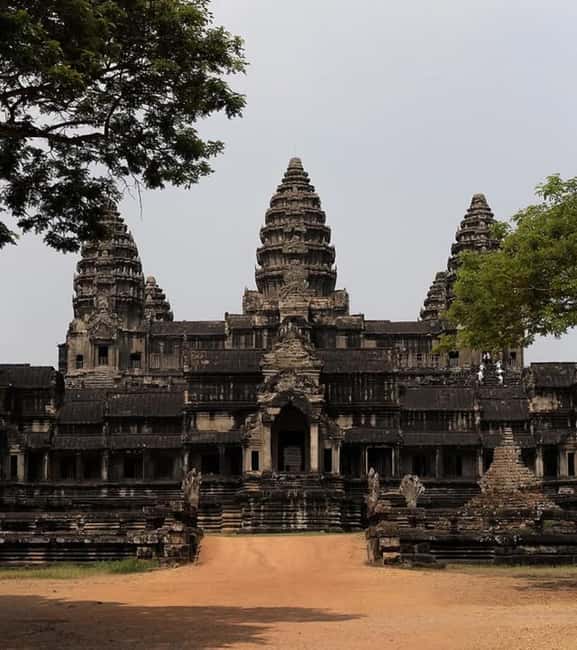
The headline price is $140 per group up to 2, with an 8-hour experience for the 1-day option or a 2-day extended option. The big value question is what you actually get for that rate—and what you don’t.
Here’s the clean way to think about it:
- You’re paying for private transport, hotel pickup and drop-off, an Italian-speaking guide, and the temple routing plus stops.
- You are not paying for the Angkor park pass. That’s extra and priced per person.
Example math (so you can budget without surprises):
- 1-day tour for two adults: $140 for the group + $74 in tickets (2 × $37) = $214 total, or about $107 per person for the tour service itself.
- 2–3 day ticket for two adults: $140 + $124 in tickets (2 × $62) = $264 total, or about $132 per person.
If you’re traveling solo, the private-group price can feel different because you’re the only one splitting the cost. But if you’re a couple, the value is usually strong because you’re paying for time and language help, not just transportation.
Why the Italian-speaking guide is the real upgrade
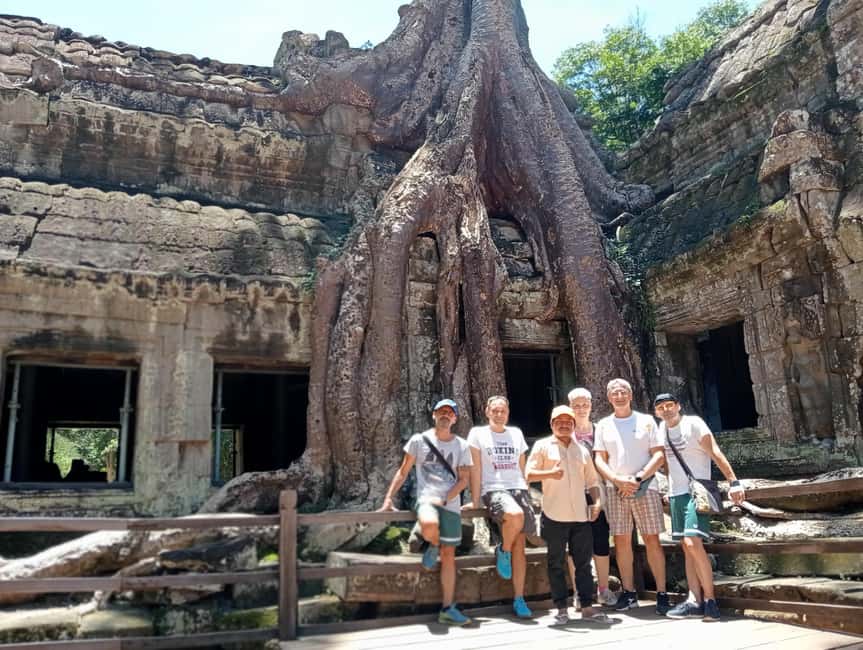
Angkor can feel like a lot of stone, roots, and symmetry—until someone explains what you’re actually looking at.
With this tour, the guide works in Italian, and that makes a noticeable difference in how you understand:
- Temple layout and what the main structures were meant to represent
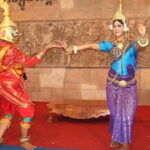
- Khmer culture and the meaning behind key art elements
- Symbolism you might miss when you’re only skimming plaques or relying on phone text
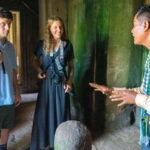
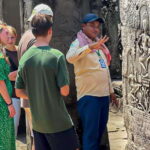
I also like the human side. In past departures, you could be guided by Italians such as Matteo or Caro, and you’ll often get clear pacing and plenty of questions answered. Some guides even adjust the visit style for your situation. One group had a guide who shaped the day around kids using a stroller and a baby carrier, even advising which temples make sense with different setups.
If you care about meaning—not just photos—this is the part you’re really paying for.
Ta Prohm, Angkor Thom, and the Small Circuit hit list
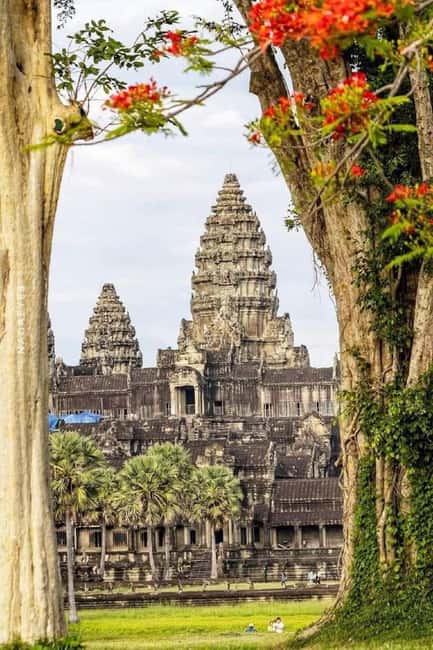
For the 1-day Small Circuit, you’ll cover the core Angkor Thom area first, then swing into Angkor Wat in the afternoon.
South Gate of Angkor Thom
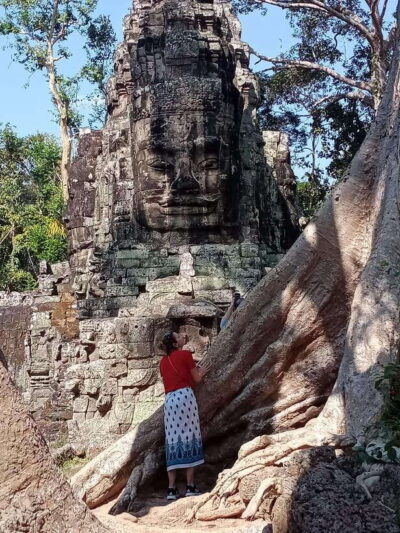
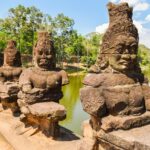
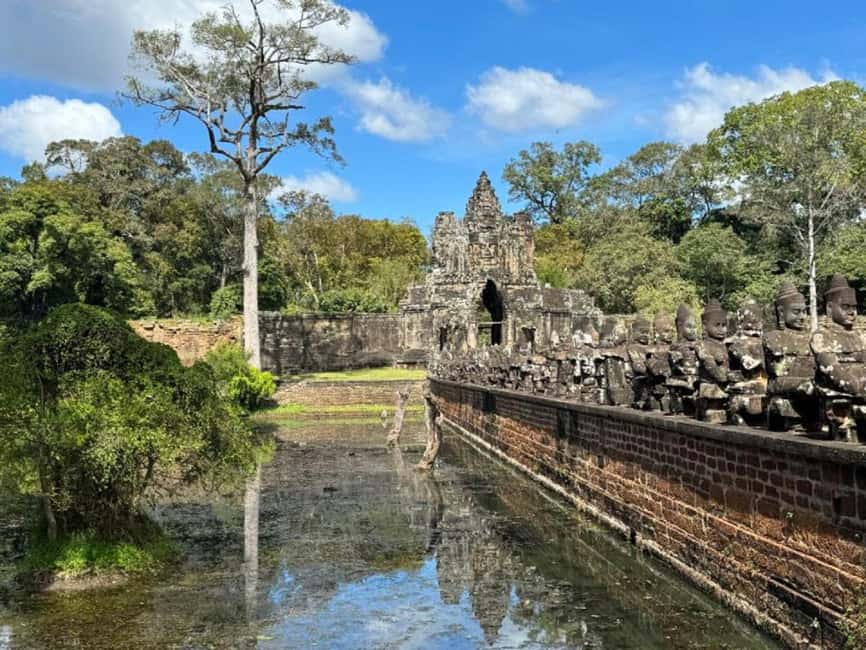
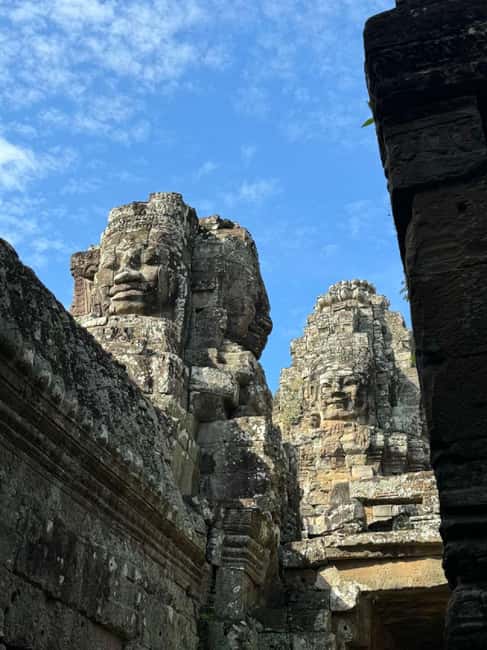
You enter through the South Gate of Angkor Thom, where the famous giant stone faces welcome you into the ancient city. It’s a strong start because it gives you an immediate sense of the scale and intention behind the complex.
Bayon Temple
Next comes Bayon Temple, with its towers decorated by serene, repeated faces. A good guide helps you notice the “why” behind those visuals—how they connect to Khmer beliefs and royal power, not just how they look in a postcard.
Terrace of the Elephants and Terrace of the Leper King
Then you walk the terraces, including the Terrace of the Elephants and the Terrace of the Leper King. These aren’t just decorative platforms. They’re built like storytelling stages, and explanations here tend to make the carvings feel less random.
One practical point: terraces mean walking on uneven surfaces. Wear shoes that can handle stones, dust, and sudden puddles after a rain.
Ta Prohm
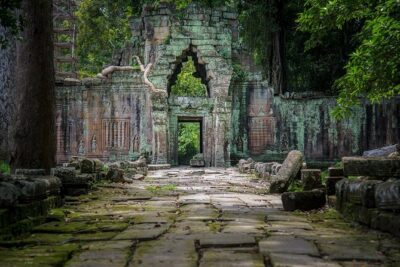
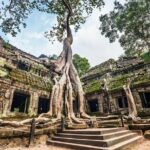
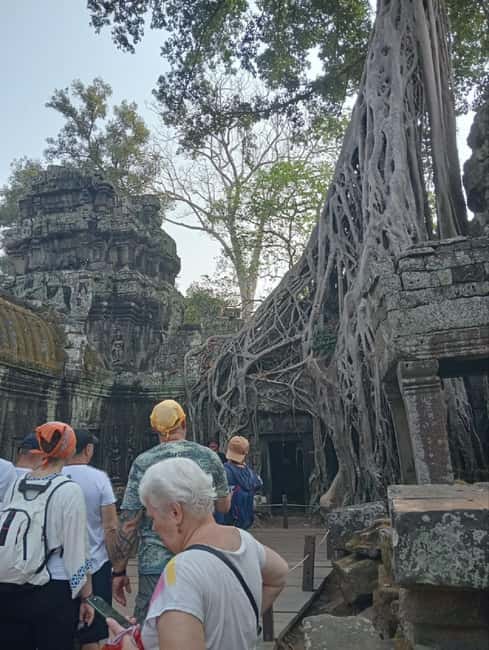
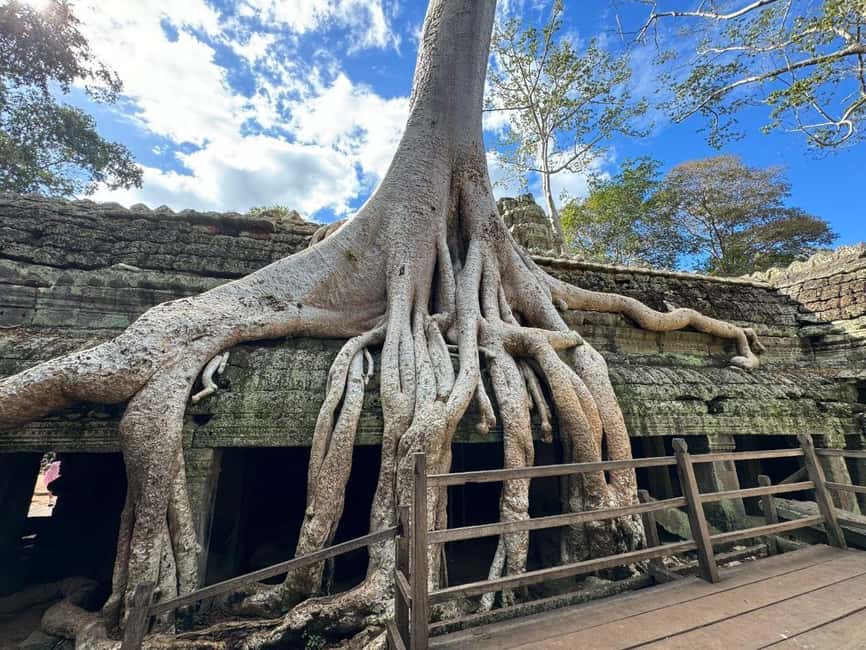
Ta Prohm is where the day turns cinematic. Massive tree roots weave through the temple walls, and you’ll get time here for photos and guided context. Expect the guide to help you pick angles that show the roots without turning it into a chaotic crowd scene.
Lunch break (not included)
Lunch is planned at a nearby restaurant, but it’s not included in the tour price. If you want control over dietary needs or prefer a quieter place, it’s worth asking your guide what they suggest before you commit.
Photo stop timing
This itinerary also includes short photo moments—like at Victory Gate—so you’re not only sprinting temple-to-temple. That structure is helpful if you’re hoping to get good images without spending your whole day in the same spot.
Angkor Wat in the afternoon: symbolism, not just the view
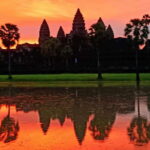
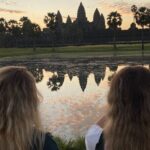
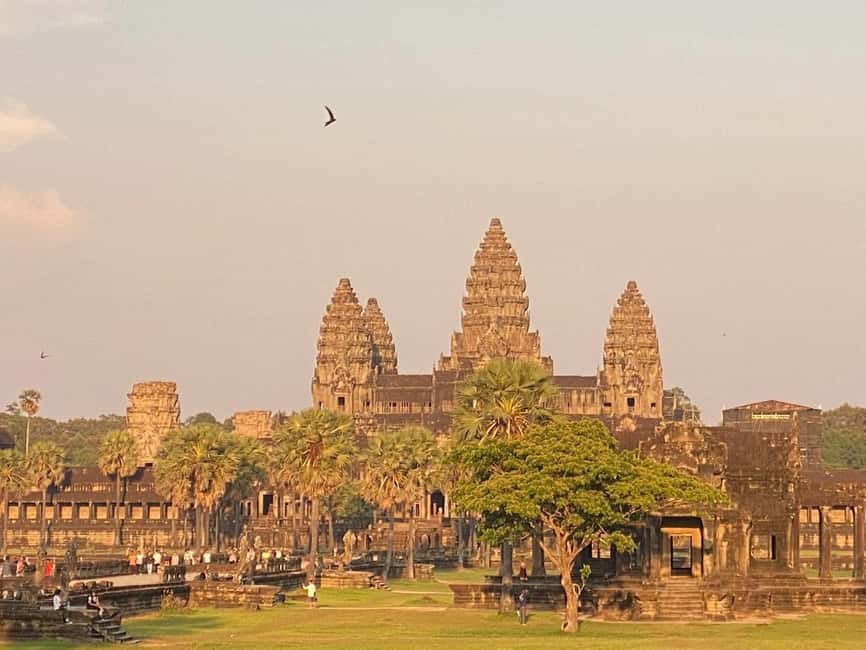
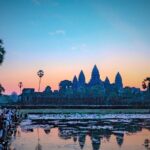
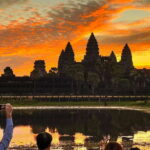
After lunch, the tour shifts to Angkor Wat, the world’s largest religious monument. This is your “big moment” temple, but the best part is how it gets explained.
With a guided visit, you’re more likely to:
- Understand the temple’s structure and what it’s meant to represent
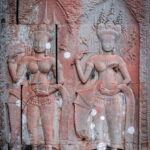
- Notice the artwork details tied to Khmer culture
- Read the building as a designed system, not random stone blocks
The tour typically finishes around 5:00 PM for the 1-day option, then you’re back to your hotel. In practice, that timing helps you avoid the worst heat and lets you still enjoy Siem Reap afterward.
If you’re trying to keep expectations realistic: Angkor Wat can feel extremely busy. A private guide with a plan can’t erase crowds, but smart timing and small routing choices often make your experience feel less like a cattle line.
Two-day option: sunrise timing and the Grand Circuit workload
If you choose the 2-day extended tour, you’re signing up for more temples and, usually, more breathing room. This format is best when you don’t want to rush every stop or when you want additional sites like Banteay Srei.
Morning sunrise option
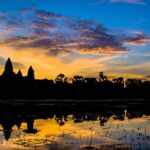
There’s a sunrise-start option noted for 5:00 AM, with the tour finishing around 12:00 PM if selected at checkout. That early departure can be a win for cooler temperatures and lighter crowds.
But it also means an early wake-up. If you’re not a morning person, the “relaxed” part of a 2-day plan might be more about less pressure later, not sleeping in.
Day 1 base circuit
Day 1 still covers the Small Circuit concept, then you reset for Day 2’s larger loop.
Day 2 Grand Circuit: Preah Khan to Pre Rup
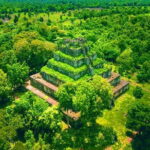
On Day 2, you start with Preah Khan, a large monastic complex with atmospheric corridors and carvings. This is the sort of place where a guide’s storytelling matters because the scale can feel overwhelming without context.
You then continue to:
- Neak Pean, a small temple surrounded by tranquil pools
- Ta Som, known for its iconic tree-covered gate
- East Mebon, once standing on an island in an ancient reservoir
- Pre Rup, a mountain-style temple with sweeping views of the Cambodian countryside
This day is more walking than the 1-day version. It’s not a marathon, but it’s active. Plan on taking breaks where offered and treating water and shade as part of the itinerary.
Banteay Srei: the pink sandstone finale
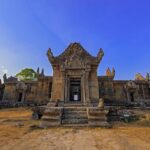
You end at Banteay Srei, often described as the Citadel of Women. It’s admired for its intricate pink sandstone carvings and fine detail. The carvings feel different from the larger, more imposing temples because they reward close attention.
The 2-day tour finishes around 4:00 PM on the last day, then you return to your hotel.
Transport that keeps your energy for temples (not traffic)
This is a private-group setup, so your movement isn’t dependent on a large bus schedule.
Transport details are spelled out by group size:
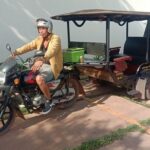
- For 1–2 people, the 1-day private tour uses a tuk-tuk, and the 2-day option uses tuk-tuk on Day 1 and a car on Day 2.
- For 3+ people, it uses an A/C van or bus depending on the option.
I like that this balances cost and comfort. Tuk-tuks are quick and practical for shorter hops. The switch to a car on Day 2 helps if you’re tired from the walking or if the roads feel rough that day.
The comfort touches are also real: cold water and cold towels are included, and in hot weather you may even notice the effort to keep them fresh and refreshing. It sounds small until you’re trying to enjoy carvings while sweating through your shirt.
Crowds, timing, and why your guide’s route choices matter
Angkor’s biggest enemy is not distance. It’s time spent stuck behind other people’s tripods.
I like that this tour is designed to visit temples when they’re less crowded. You may find your guide aiming to enter from the back or using less obvious paths to improve your views and reduce the frustration of constantly moving sideways for a better shot.
Will you still see crowds at the world’s most famous temples? Probably. But route planning changes how you feel about it. It’s the difference between fighting for space and calmly taking in stonework.
What to wear: temple rules you can’t ignore
Dress code is strict enough to matter, especially on the smaller temples.
Here’s what the tour notes as required:
- You may wear a scarf to cover your knees and shoulders for temple entry.
- Except for Angkor Wat, you must wear pants or skirts that cover the knees, and shirts that cover the shoulders.
- Shorts, short skirts, sleeveless shirts, and other revealing clothing are not permitted.
Also bring:
- Comfortable shoes
- Sunglasses and a sun hat
- Sunscreen and insect repellent
- Comfortable clothes
One more practical tip: keep a layer handy. Even in warm Cambodia, you can get hit by shade shifts, wind, or sudden rain.
Who this private tour suits best
This is a great fit if you:
- Want Angkor explained in Italian, not via guesswork
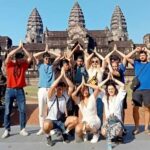
- Like getting photos with help instead of improvising angles
- Prefer a private-group pace instead of moving with a large tour herd
- Want the option of a more relaxed 2-day plan and the extra detail of Banteay Srei
It can also work well for families, because some guides have shown the ability to adjust around children and different ways of moving (stroller vs. baby carrier setups).
It is not suitable for wheelchair users, and the tour notes a limit of people over 95 years.
Should you book this Angkor Wat tour with an Italian guide?
Yes, if your priority is understanding and comfort, not just checking off landmarks.
Book the 1-day Small Circuit + Angkor Wat if:
- You’re short on time
- You want the main highlights with a manageable schedule
- You’re okay adding lunch costs on your own
Book the 2-day extended tour if:
- You want a more relaxed pace across more temples
- You’d like the early option for cooler morning hours
- You don’t want to stop at the famous names only, since Banteay Srei is part of the plan
Quick decision cheat sheet: if paying extra for the Italian language layer sounds worth it to you, this is a smart way to spend your Siem Reap time. Just remember to budget for the Angkor pass, and bring the right clothes so you don’t waste time with last-minute cover-ups.
FAQ
FAQ
Is the Angkor Archaeological Park entrance ticket included in the tour price?
No. The Angkor ticket is not included. The tour lists $37 per person for a 1-day pass and $62 per person for 2–3 days.
What time does the tour start and when does it end?
For the 1-day option, pickup starts around 8:30 AM and the tour finishes around 5:00 PM. For the 2-day option, the sunrise start is 5:00 AM if selected, and the tours typically finish around 12:00 PM on that morning day and around 4:00 PM on Day 2.
Do I need to buy lunch separately?
Yes. Lunch is not included. The schedule includes a lunch time at a nearby restaurant, but you’ll pay for your meal.
What kind of transport will I use?
Transport depends on group size. For 1–2 people, the 1-day tour uses a tuk-tuk, and the 2-day tour uses a tuk-tuk on Day 1 and a car on Day 2. For 3+ people, it uses an A/C van or bus as specified at checkout.
What should I wear to enter the temples?
The tour states that you must avoid shorts, short skirts, sleeveless shirts, and other revealing clothing. You can use a scarf to cover knees and shoulders, but except for Angkor Wat, you need pants or skirts that cover the knees and shirts that cover the shoulders.
Is the tour private, and can children join for free?
It’s a private group. Children under 12 can join free of charge, based on the tour’s entrance-ticket rule (a passport must be shown as proof). Adults aged 12–90 pay the standard entrance-ticket price.