REVIEW · SIEM REAP
Siem Reap: Angkor Temples Tour by a Private Tuk Tuk
Book on GetYourGuide →Operated by Private Siem Reap Tour Guide & Transport · Bookable on GetYourGuide
Angkor in a private tuk tuk beats the usual shuffle. You’ll ride in comfort, hit the big sights like Angkor Wat and Bayon, and still have time to move at your pace between temples. I especially like that the route is organized for real viewing time, not just quick photo stops, and that the driver keeps things practical when the heat hits. One thing to consider: you’re going to walk a fair amount, and temple entrance fees plus lunch are on you.
Two details I really liked: the private setup means you’re not stuck with a crowd’s timing, and the day is run by an English-speaking driver who actually helps you plan the order of stops. In the best moments, you’ll feel like the tuk tuk is there to make Angkor easier—cool water on hand, smart guidance, and room to linger where it counts.
My only caution is simple. If you’re expecting everything to be fully included and low-effort, this isn’t that kind of tour. You’ll pay for entry tickets and lunch, and the sun can be intense, so you’ll want good shoes and a hat ready from the start.
In This Review
- Key takeaways before you go
- Why a private tuk tuk feels better at Angkor
- The morning at Angkor Wat: your first big wow
- Angkor Thom’s South Gate and Bayon: walls, gates, and faces
- Baphuon, Phimeanakas area, and the Terrace of the Elephants
- Lunch break: plan for a local meal you control
- Thommanon and Chau Say Tevoda: temple pair energy
- Ta Prohm and the roots of Spung trees
- Price and logistics: is $25 per group worth it?
- Who this tour suits best (and who should choose something else)
- Small practical tips that make the day easier
- Should you book this private tuk tuk Angkor temples tour?
- FAQ
- What is included in the $25 price?
- Is lunch included?
- Are temple entrance fees included?
- How long is the tour?
- How big is the group?
- What temples will I see?
- Do I get pickup from my hotel?
- Is there a driver who speaks English?
- What should I bring for the day?
- What is the cancellation policy?
Key takeaways before you go
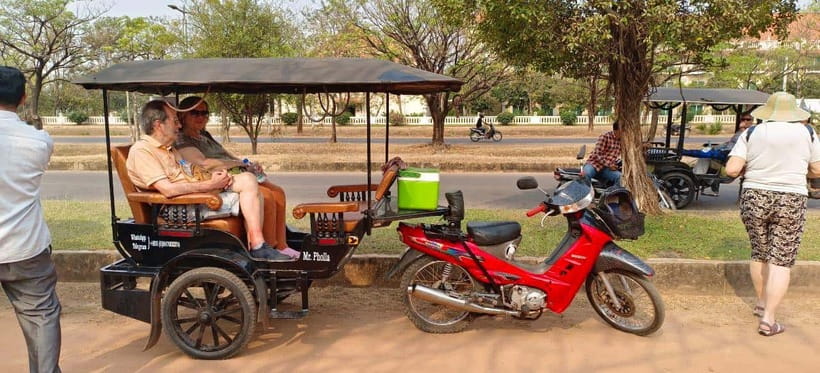
- Private tuk tuk comfort: more personal and flexible than a van, with cold water provided
- Skip-the-line access: a separate entrance helps you get to the temples faster
- A focused Angkor day: Angkor Wat, Angkor Thom (South Gate and Bayon), plus Ta Prohm
- Temple variety: you’ll see royal and Hindu/Buddhist-era sites, not just one style
- Lunch break mid-tour: planned in the day flow, but you’ll cover the meal
- Driver-guided pacing: based on your timing needs, not a rigid group schedule
Why a private tuk tuk feels better at Angkor
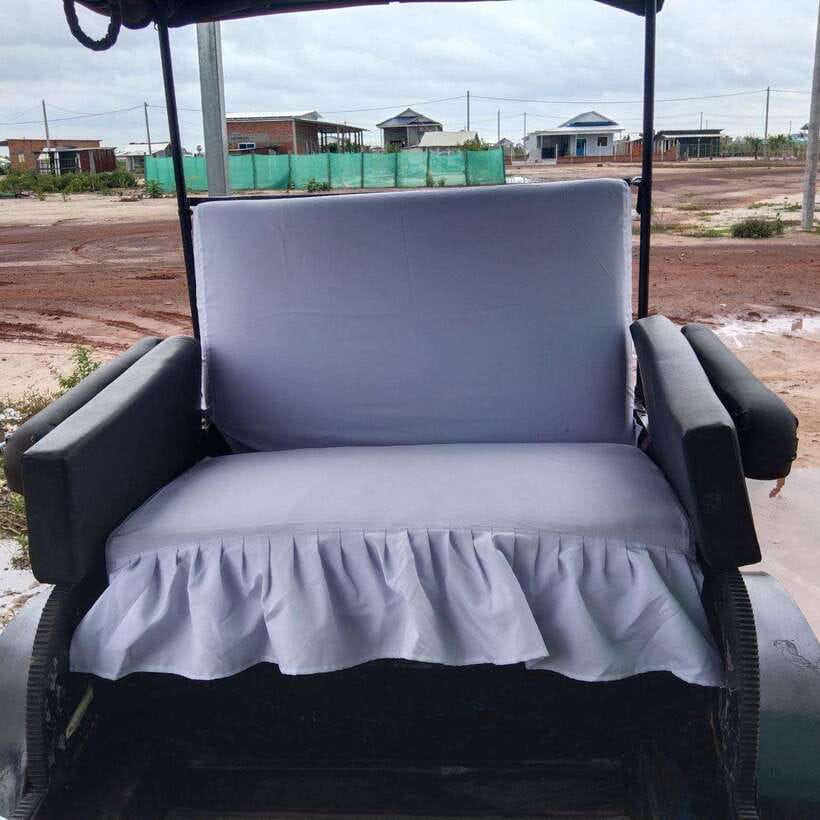
Angkor is not hard because it’s complicated. It’s hard because it’s huge, hot, and full of steps. A private tuk tuk is a smart match for that reality. You get hotel pickup and drop-off, and you can move between temple zones without losing time to crowd bottlenecks.
What makes this setup feel good in real life is the balance between structure and flexibility. The day is organized, so you don’t miss the central anchors—Angkor Wat and Angkor Thom. But it’s still private enough that you can spend more time where you care, and less where you don’t.
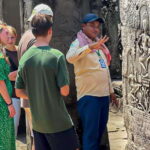
Also, the small comforts matter. One driver (Rachou, per one booking) provided cold waters and fresh towels during the day. That may sound minor until you’re walking in full sun for hours. Another guide, Sokha Cam, was noted as attentive—especially for an older couple—so it’s not just transport. It’s comfort management.
The other practical win: you’ll avoid at least some common line pain thanks to a separate entrance for skip-the-line access. That doesn’t mean there’s zero waiting anywhere, but it can help you start strong.
You can also read our reviews of more private tours in Siem Reap
The morning at Angkor Wat: your first big wow
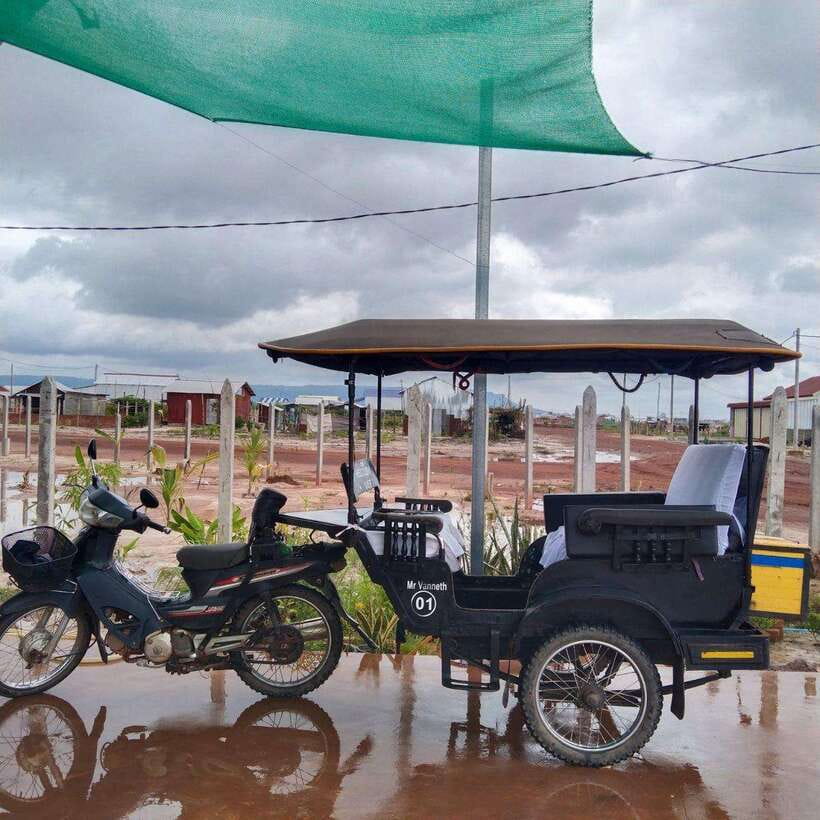
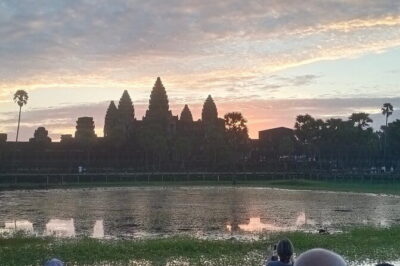
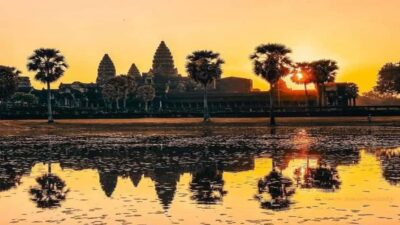
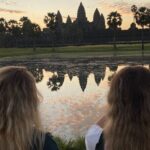
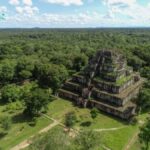
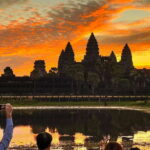
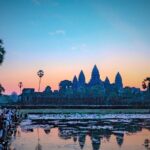
You’ll start with Angkor Wat, the massive Hindu and Buddhist temple complex built in the early 12th century by King Suryavarman II. It’s also tied to Yasodharapura, described as the capital of the Khmer Empire, and it’s the kind of site that makes you slow down whether you mean to or not.
This is the largest religious monument in the world, and it wears that title honestly. Even if you’re only half-interested in architecture, the scale hits you fast: long sightlines, repeated carvings, and the sense that every wall has been there for centuries for a reason. The day’s first stop is typically where energy is highest, so it’s a good place to actually take in the details instead of treating it like a checklist.
Timing matters here. If you arrive earlier, you’ll usually feel the day is more manageable—less heat and fewer crush moments. This tour includes a visit and walk time at Angkor Wat (about 1.5 hours), so you can do a proper look without rushing.
The drawback? This is still Angkor. Even with an organized day, you’ll be walking on uneven surfaces and climbing where pathways require it. If you’re sensitive to stairs, plan for short breaks and don’t force a “power through” mindset.
Angkor Thom’s South Gate and Bayon: walls, gates, and faces
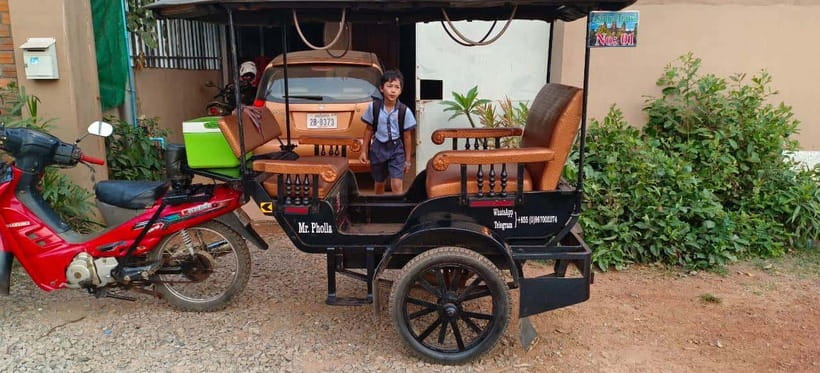
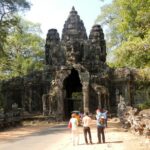
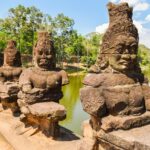
After Angkor Wat, the route moves to Angkor Thom through the Tonle Om Gate (South Gate). This is one of those transitions where your brain shifts from one kind of monument to a city-sized complex. The “gate moment” is quick—around a 15-minute photo stop plus short viewing—but it helps you understand the scale before you go in.
Inside, Angkor Thom is defined by a laterite wall and the moat system described as still flooded today. The numbers are impressive: the wall rises about 8 meters high, and the laterite wall is roughly 3×3 km. Even if you don’t count, you’ll feel it—this isn’t a casual temple area. It’s the spine of the old city.
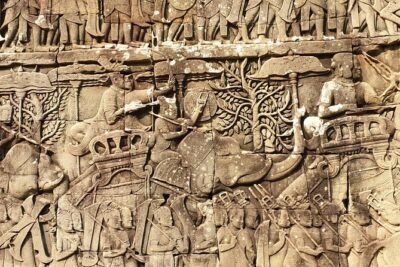
The tour centers on Bayon Temple, located in the middle of Angkor Thom. Bayon is known for its faces, and the experience is less about one perfect photo and more about walking around and noticing how the viewpoints change. The walk time here is about 1 hour, which is long enough to appreciate the layout instead of just snapping and leaving.
One practical note: Bayon gets crowded. If you’re the type who likes quiet corners, go a little slower during the first loop, then circle back when you can.
Baphuon, Phimeanakas area, and the Terrace of the Elephants
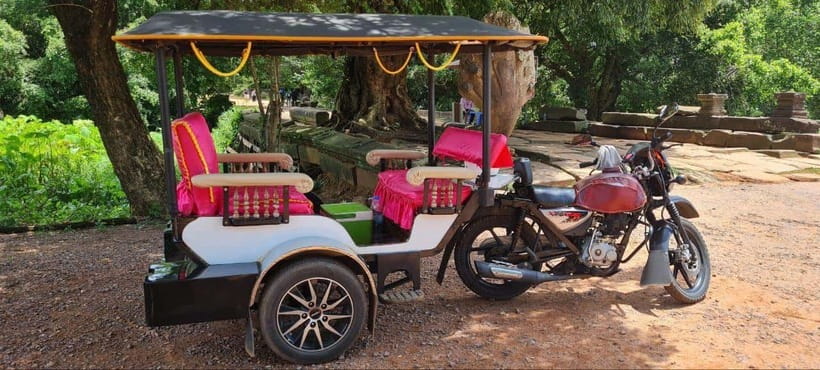
Next comes Baphuon, with a short but meaningful stop (about 15 minutes on the schedule). Baphuon is described with a long causeway and an impressive giant reclining Buddha. Even on a shorter timeframe, it’s the kind of spot that provides contrast after Bayon’s dense visual focus.
From here, you’ll also be in the zone that includes Phimeanakas. The info provided for this part highlights shaded conditions and a view reward: there are steep steps to the top, and you earn an over-the-tree-tops look if you’re willing to climb. If you’re traveling with slower legs, you can still enjoy the area without doing every step, but the tour description basically tells you the best viewpoint comes with effort.
Then you move along the Esplanade of the Royal Palace, more commonly known as the Terrace of the Elephants. This is where Angkor starts to feel less like “temples” and more like governance and ceremony—space designed for gatherings and processions. The schedule keeps this portion fairly tight (again about 15 minutes for the viewing stop), but it’s still enough to grasp why it became famous.
You’ll finish this segment in the shaded Preah Palilay area, where the pace tends to feel more relaxed before lunch.
Lunch break: plan for a local meal you control
Lunch is a real part of the day flow. The tour includes time for a break in the middle, with lunch at a local restaurant. But it’s not included in the price, so you’ll budget for it yourself.
This is actually a good setup. You’ll be tired enough to appreciate the sit-down, but you won’t be too far into the day to feel wiped out. Also, because your tuk tuk driver is private, you can ask to keep it simple—something quick, filling, and not too experimental if you don’t feel like taking chances.
If you’re trying to save money, this is where you can. If you’re trying to eat better, this is also your moment to choose.
Thommanon and Chau Say Tevoda: temple pair energy
In the afternoon, you’ll switch to lesser-frequented but meaningful sites, which is one reason this tour feels like more than a greatest-hits package.
First is Thommanon, one of a pair of Hindu temples built during the reign of Suryavarman II. The name is explained as derived from Pali words tied to Buddhist teaching and supreme wisdom. That’s a reminder that Angkor didn’t just stay one-faith-only. Over time, layers shift.
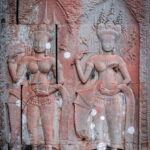
Then you head to Chau Say Tevoda, just east of Angkor Thom, directly south of Thommanon across the Victory Way. This mid-12th-century temple is described as dedicated to Shiva and Vishnu and includes unique devatas (female figures) in its sculptural program. For me, these two stops work well because they’re a step away from the most crowded anchors while still staying inside the core Angkor story.
Schedule note: the exact time at each is described as walk/photo style within the day flow, with multiple short viewing moments listed. Practically, that usually means you’ll get a focused look rather than long wander time.
Ta Prohm and the roots of Spung trees
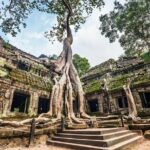
Finally, you’ll reach Ta Prohm, the temple that became famous in the 21st century through Tomb Raider featuring Angelina Jolie as Lara Croft. The key point isn’t pop culture—it’s what the movie helped people notice: how the jungle and the temple interact.
Ta Prohm is described as a photographer’s dream because of the relationship between the old stones and Spung tree roots (Tetrameles nudiflora), plus moss covering parts of the structures. It’s an easy temple to read visually. The roots feel like living architecture, and the moss softens sharp edges into something more surreal.
The schedule gives you about 1 hour for Ta Prohm with visit and walk time. That’s the right length if you want to take your time, reposition for better light, and still have energy to enjoy the drive back without rushing every frame.
If you’re sensitive to heat and humidity, Ta Prohm can be easier in one way and harder in another. It can be cooler where shade is plentiful, but it can also feel humid if you’re moving slowly under dense vegetation. Your hat and sunscreen still matter.
Price and logistics: is $25 per group worth it?
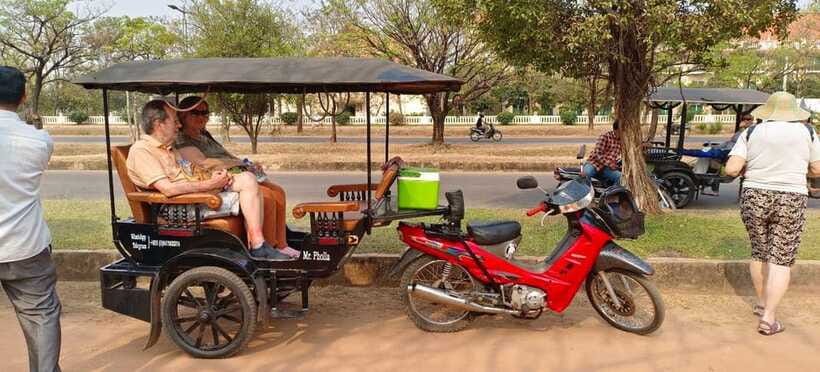
This tour is priced at $25 per group up to 4 people for a 1-day circuit. Entrance fees and lunch aren’t included, but the package covers a lot of what usually adds friction to Angkor days.
Here’s what you’re paying for besides the transport:
- Private licensed driver with English
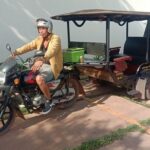
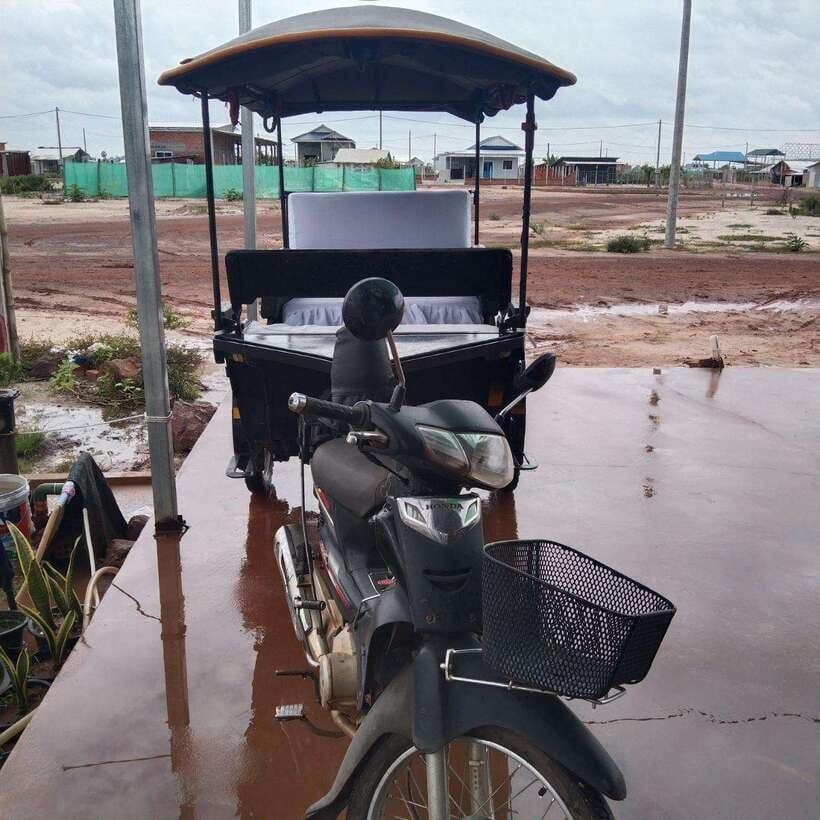
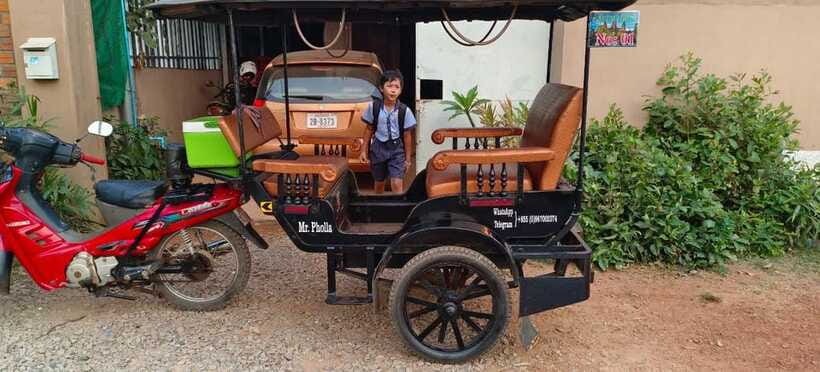
- Private tuk tuk with hotel pickup and drop-off
- Cold waters included
- Toll roads, parking, and gasoline handled
- Skip the line through a separate entrance
So the value question isn’t really $25 versus a ticket cost. It’s whether you want a fixed group tour or a day that matches your own pace. In the real world, the private tuk tuk often feels like buying time: time saved from logistics, and time gained because your driver can help you adjust your stop lengths.
One review detail also suggests tipping culture matters here. A booking notes they tipped generously on top of the $25 fee, and that helps keep the market fair. Even without getting into the amounts, the idea is practical: if your driver makes your day smoother, plan to thank them.
Who this tour suits best (and who should choose something else)
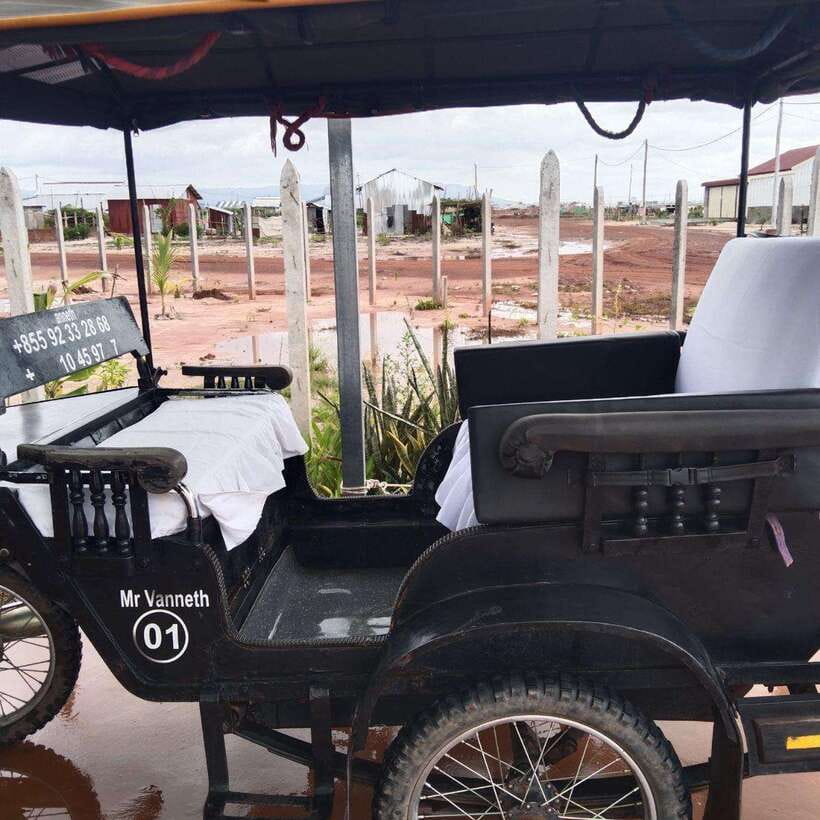
This tour is a strong fit if you:
- Want Angkor Wat + Angkor Thom + Ta Prohm in one day without the stress of figuring transport
- Prefer a private plan and don’t want to be pushed through sites on someone else’s timetable
- Like getting guidance from an English-speaking driver who can help you pace the day
It may be less ideal if you:
- Want a fully inclusive package where tickets and lunch are already priced in
- Don’t enjoy walking and climbing, since the schedule includes multiple temple walks and stair access at least in the general route
- Expect every stop to be long and unstructured; this day stays focused with shorter viewing windows between major anchors
Small practical tips that make the day easier
Bring what the tour asks for: comfortable shoes, a hat, camera, sunscreen, and sunglasses. Add two more habits that make a difference at Angkor:
- Use short breaks often. If you wait until you feel awful, you’ll rush later. If you take small water-and-shade breaks, you keep your momentum for the best photo moments.
- Think about your photography rhythm. At Bayon and Ta Prohm, timing and angle matter, so it helps to take a first pass for structure, then return once you know where the best viewpoints are.
And don’t forget modest dress. Temple sites are religious spaces, and the expectation is to dress appropriately and behave respectfully.
Should you book this private tuk tuk Angkor temples tour?
I’d book it if you want an efficient, comfortable day that hits the big ones and still includes meaningful extra temples. The private tuk tuk approach is especially worth it if you don’t want your day controlled by a larger group’s pace, or if you want your driver to guide the order so you spend time where it matters.
Skip it if you’re set on a fully bundled price with tickets and lunch already included, or if you’re hoping for a low-walking sightseeing day. Angkor rewards effort, and this plan expects you’ll do a bit of it.
If you do book, choose your pace over perfection: linger at Bayon, take your time under the Ta Prohm roots, and don’t try to “win” the day by racing from one viewpoint to the next. You’ll enjoy it more when you can actually look.
FAQ
What is included in the $25 price?
The tour price includes private tuk tuk transport, a licensed English-speaking private driver, hotel pickup and drop-off, toll roads, parking, gasoline, cold waters, and skip-the-line access via a separate entrance.
Is lunch included?
No. Lunch is not included in the tour price, even though there is a lunch break built into the day.
Are temple entrance fees included?
No. Entrance fees are not included.
How long is the tour?
It’s a 1-day Angkor Temples tour, with a schedule that includes time at major sites and travel between them.
How big is the group?
It’s a private group. The price is per group up to 4 people.
What temples will I see?
You’ll visit Angkor Wat, Angkor Thom (including the South Gate and Bayon Temple), Baphuon, the Terrace of the Elephants area, Thommanon, Chau Say Tevoda, and Ta Prohm.
Do I get pickup from my hotel?
Yes. Pickup is included from your hotel in Krong Siem Reap, with return drop-off at the end of the day.
Is there a driver who speaks English?
Yes. The driver is listed as English-speaking.
What should I bring for the day?
Bring comfortable shoes, a hat, camera, sunscreen, sunglasses, and water (the tour also provides cold waters).
What is the cancellation policy?
Free cancellation is offered up to 24 hours in advance for a full refund. The listing also offers a reserve now and pay later option.