REVIEW · SIEM REAP
Cycle Angkor Backroad Bike Tour / E-Bike or Tuk Tuk
Book on GetYourGuide →Operated by Siem Reaper Travel · Bookable on GetYourGuide
Pedal past Angkor without the pushy crowds. This 8-hour backroad cycling tour in Siem Reap Province is built for temple time on quieter paths, with a guide who explains what you’re seeing (and a lunch break that isn’t an afterthought). You’ll visit major Angkor sights in a smart order, including late afternoon Angkor Wat when the light is better and the crowds can be less intense.
I love the way this tour blends big-ticket temples with calmer scenery. The route threads through forest trails and jungle-wrapped ruins, so the day feels more like travel than a stamp-collecting exercise. I also really like the human touch: an English-speaking guide (I’ve heard names like Muniz, Voleak, Sotin, Steven, and Mony) who keeps safety tight and makes stops for photos, plus lunch with snacks, bottled water, and local fruit.
One thing to consider: it’s still a long day with cycling in the heat. If you’re not comfortable riding for hours, or if you need a gentler pace, you may find the schedule tight—especially since entrance to the Angkor Archaeological Park isn’t included and you’ll still want some time to linger.
In This Review
- Key things to know before you pedal Angkor
- Why cycling through Angkor feels different than a tuk-tuk
- Pickup, bikes, and the small-group reality in Siem Reap
- Riding into Angkor Thom: the ancient gate and four faces
- Bayon Temple: the enigmatic faces and Khmer symbolism
- Terrace of the Elephants and Baphuon: stonework you’ll actually notice
- From forest trails to Ta Prohm’s jungle embrace
- Lunch by the pond: where the day slows down on purpose
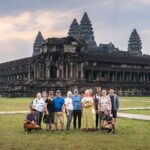
- Angkor Wat late afternoon: bigger, calmer, and better timed
- Price and value: what $55 buys you (and what it doesn’t)
- How hard is the cycling, really?
- Who should book this backroad Angkor ride?
- Should you book Cycle Angkor Backroad Bike Tour?
- FAQ
- How long is the Cycle Angkor Backroad Bike Tour?
- Where does the tour pickup and drop-off happen?
- What’s included in the price?
- Is Angkor Archaeological Park entrance included?
- How big is the group?
- Does the tour run in bad weather?
- What should I bring?
- Is the tour suitable for everyone?
Key things to know before you pedal Angkor
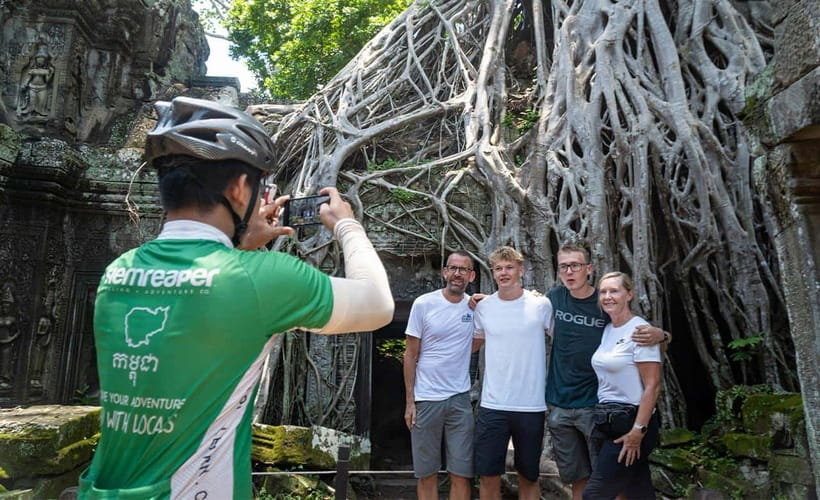
- Backroad temple connections: you don’t just roll up to the main entrances.
- Guide-led temple history and symbolism: from the Bayon faces to elephant terraces.
- Late-day Angkor Wat timing: more beauty, often fewer people.
- Lunch by the pond plus snacks and water: built-in recovery time.
- Small group size (max 12): easier pacing and more personal attention.
Why cycling through Angkor feels different than a tuk-tuk
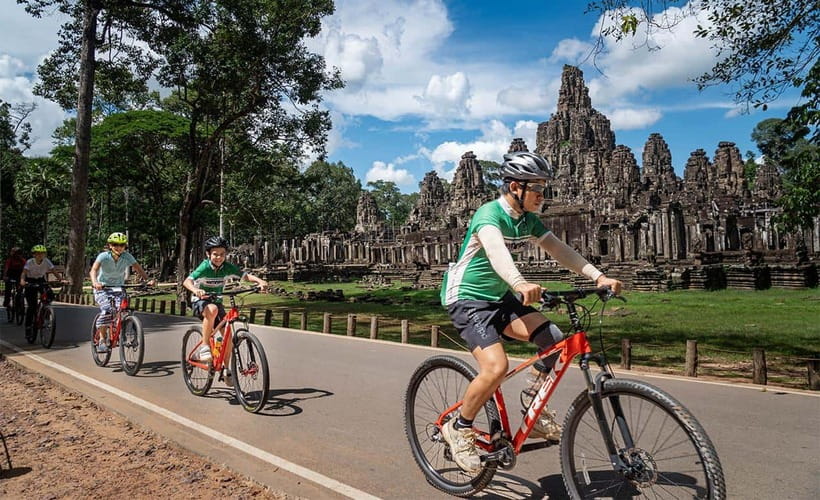
Angkor can be overwhelming fast. Big crowds, hot stone, and the constant feeling that you’re being rushed from one photo spot to the next. Cycling changes the vibe. You move at a human pace, you get breaks in the shade, and you feel the distance between monuments in a way a vehicle doesn’t quite replicate.
On this tour, the backroads matter. You’re not only aiming for famous views—you’re also riding along paths that feel tucked away. That means the temples land with more impact. A gate carved with elephants doesn’t just look cool; you understand it as part of an old city experience. And when you reach Ta Prohm—overgrown and cinematic—you’re arriving after a ride through forest trails, which makes the “lost in time” mood hit harder.
You can also read our reviews of more cycling tours in Siem Reap
Pickup, bikes, and the small-group reality in Siem Reap
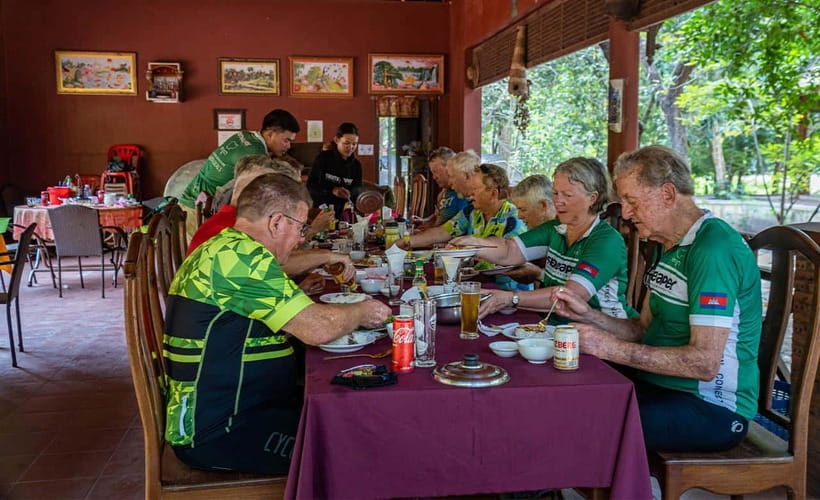
The day starts with hotel pickup in Krong Siem Reap and ends with drop-off back to town, around 4:00 pm. The tour is limited to 12 participants, so it’s not the big production that can make temple visits feel like a queue.
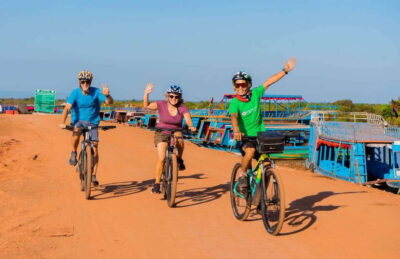
You get a bike and helmet, and the guides put safety first with a briefing before you set off. In reviews, the equipment quality comes up a lot—people have noted well-maintained bikes and helmets, and guides who stay watchful about the ride. Even if you’re not an athlete, the pacing is designed so most people can keep up with support and frequent stops.
Also: you’ll ride rain or shine. Cambodia can do that thing where the sky looks fine, then changes its mind. Bring cycling clothing that can handle a sudden shower.
Riding into Angkor Thom: the ancient gate and four faces
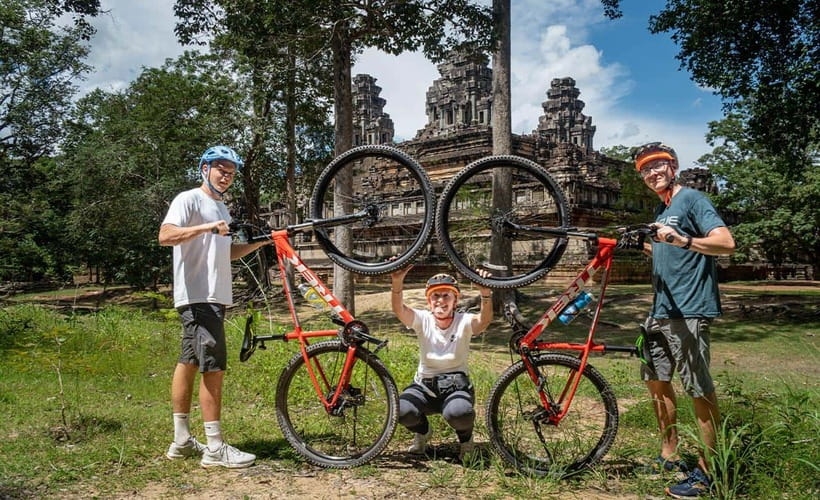
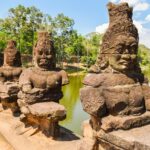
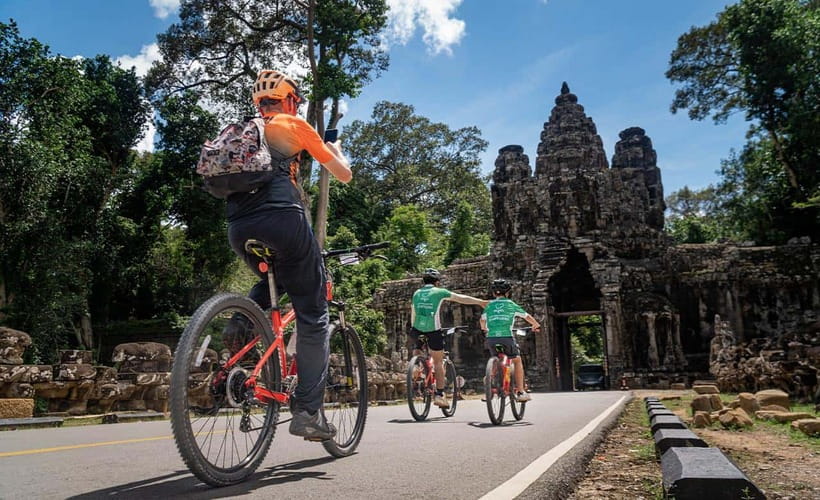
Angkor Thom is the grand walled city, and you enter through an ancient gate carved with elephants and four giant faces. This is one of those moments where you’re tempted to just stare. Don’t. Look closer. The gate’s carvings and proportions tell you this was built to impress people moving through a ceremonial space, not just to survive centuries.
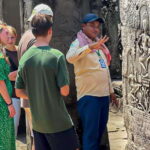
From there you head toward the city center, with guided stops and photo breaks. The key here is that you’re not treated like a passenger in a van. You’re part of the flow—slowing down, taking in details, then moving on when it feels right. Guides on this route also tend to steer you to quieter spots to learn the context, so you can actually understand what you’re looking at instead of just collecting pictures.
Bayon Temple: the enigmatic faces and Khmer symbolism
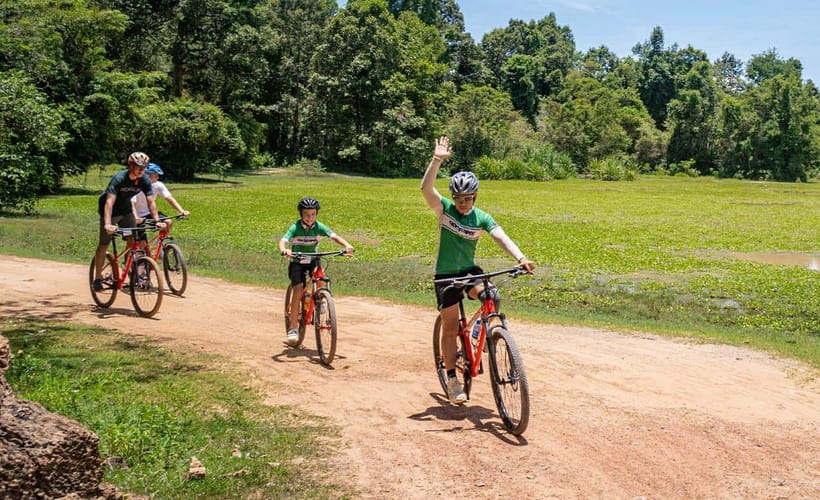
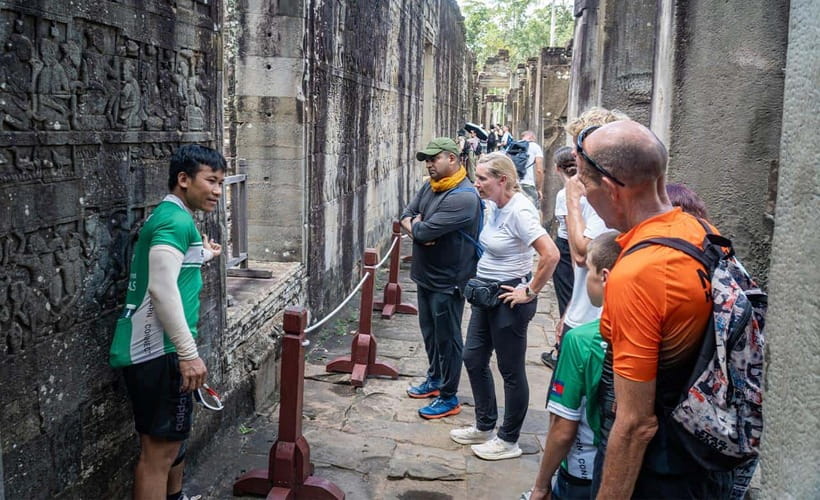
Bayon is where Angkor really grabs you by the lapels. The temple sits in the center of Angkor Thom, and the iconic faces look out from multiple towers. The guide-led element matters because the faces are more than decorative. You’ll learn how they’re linked to the 54 provinces of the Great Khmer Empire, which turns the sight from spooky-cool to meaning-rich.
Plan on a guided visit with time to photograph. Expect a few stops for composition and viewing angles, because Bayon photographs best when you slow down and let the structure come to you. If you usually skim big sites, Bayon is the one that rewards patience. The stone feels alive when you notice how the faces repeat across the skyline.
Terrace of the Elephants and Baphuon: stonework you’ll actually notice
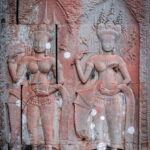
After Bayon, you move to the Terrace of the Elephants and the Baphuon Temple. This is classic Angkor craft: sculptures and architecture that show how Khmer artisans carved stories into stone. The terrace can feel like a background on other tours, but on a cycling route with steady stops, you get time to pause and look for the patterns.
Why this stop is worth it: the terrace and Baphuon help you connect Bayon’s symbolism to the broader civic and ritual world of Angkor. It’s not just faces. It’s ceremonies, processions, and power made permanent.
You can also read our reviews of more tours and experiences in Siem Reap
From forest trails to Ta Prohm’s jungle embrace
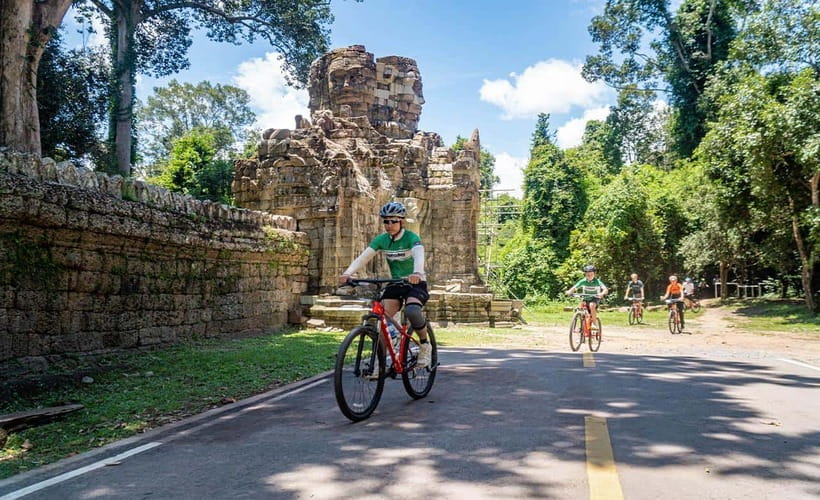
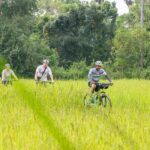
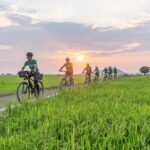
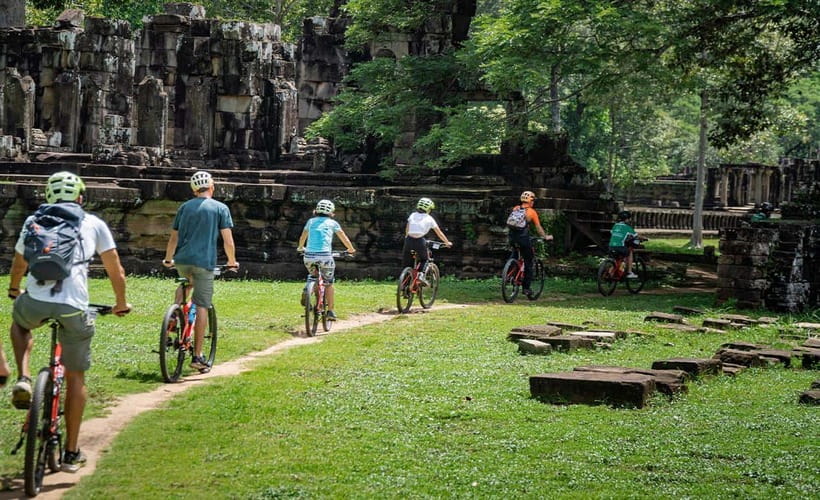
Between major temples, the best part of the tour is the ride through forest trails. This is where the day stops feeling like a checklist and starts feeling like an actual experience. The shade and changing scenery break up the heat, and you arrive at each ruin with a little breathing room.
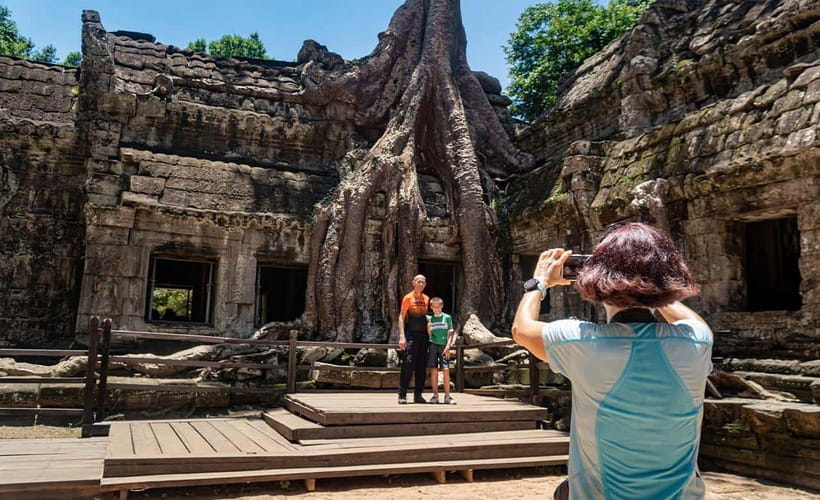
Then there’s Ta Prohm. It’s famous for being wrapped in jungle trees—ruins that look like nature fought back and won. You’ll explore the temple with photo stops and guided explanations. Ta Prohm also has pop-culture recognition (it was featured in Tomb Raider), but the tour angle keeps it grounded: you’re there for the architecture, the growth, and the sense of time layering itself over the stones.
If you’re a photographer, this is a strong stop. The light between roots and stone is dramatic. Go for wide shots first, then come back for close textures once your eyes adjust.
Lunch by the pond: where the day slows down on purpose
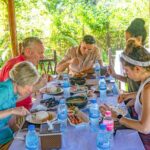
At some point you’ll take a lunch break at a local restaurant in a tropical garden setting with a view over a pond. That sounds simple, but it’s a big deal on a hot cycling day. You’re not just eating. You’re resetting—hydrating, cooling down, and letting the rest of your route feel doable.
Lunch lasts about an hour. Bottled water and snacks keep showing up through the day, and fruit gets mentioned often in past experiences. In plain terms: you won’t feel like you’re running on fumes while you’re trying to enjoy stone monuments.
If you want one practical tip: eat at a comfortable pace and leave a little room to snack after. Temples need your attention. You’ll enjoy the ride more when you’re not stuffed or suddenly hungry later.
Angkor Wat late afternoon: bigger, calmer, and better timed
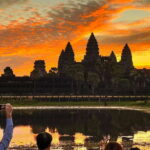
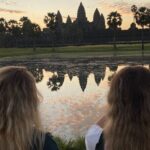
Angkor Wat is the headline. The tour uses a late afternoon visit, and that timing matters. You still get to see the largest religious monument in the world and one of the finest examples of Khmer architecture, but you’re aiming for a less crowded window. Even when it’s busy, late light on carved stone is more forgiving than midday glare.
You’ll have a guided portion that covers symbolism and history, then time for photos and viewing. This is where the cycling route pays off emotionally. You’ve spent hours moving through Angkor’s city centers, terraces, and jungle ruins. By the time you reach Angkor Wat, you can appreciate it as a complete system of design and belief, not just a single monument you rushed through.
Also, you’ll likely feel less like you’re being rushed. The ride back toward Siem Reap is planned so the day ends around 4:00 pm, which helps you avoid the tired, cranky feeling that can come from starting too early and leaving too late.
Price and value: what $55 buys you (and what it doesn’t)
At $55 per person for an 8-hour experience, you’re paying for more than bike time. The included package covers hotel pickup and drop-off, an English-speaking guide, the bike and helmet, lunch, and bottled water plus snacks. For many visitors, that’s the difference between a manageable day and a stressful one where you’re piecing things together yourself.
The one major item not included is the entrance to the Angkor Archaeological Park. Budget for that separately. If you don’t, you’ll hit that awkward moment where the day you planned suddenly costs more at the gate.
Still, value is strong if you want a guided plan rather than guessing your own route. This tour gives you structure, breaks, and interpretation—especially helpful for Angkor, where stone details can be hard to place without context.
How hard is the cycling, really?
The tour is designed for a range of skill levels, and guides often assess your comfort quickly and adjust the day. That adaptability comes up in past experiences: guides have matched pacing to how people ride and kept the ride safe.
What to expect physically: it’s an all-day ride. Reviews describe the route as flat and often shaded, with totals around the 45 km mark for some groups. But you still need to be comfortable cycling in warm weather for hours, with stops that break up the effort.
Bring cycling clothing and sunglasses. A camera is a must. The helmet is included, and that’s not just for show. Ride safety feels taken seriously on this tour.
Who should book this backroad Angkor ride?
This works best if you want:
- A less crowded feel and a calmer approach than big bus tours
- A guided explanation of major temples and symbolism
- A day plan that includes lunch and built-in hydration
- A small group atmosphere (max 12)
It may not be the best fit if you:
- Need a very short walking/low-effort day
- Are pregnant (the tour explicitly isn’t suitable)
- Want maximum free time at each temple without a set guided schedule
If you love photography or enjoy nature-between-monuments, you’ll probably feel happiest on this ride.
Should you book Cycle Angkor Backroad Bike Tour?
Yes—if your goal is to see the Angkor highlights in a more human, backroad way. The late afternoon Angkor Wat timing, the forest-trail pacing, and the fact that you’re not just driving up to temples all make this feel like an experience, not a conveyor belt.
Book it especially if you appreciate context. The guide-led history and symbolism turns Bayon’s faces and Angkor Thom’s gate carvings into something you can actually interpret. Just plan for the Angkor Archaeological Park entrance cost, and be honest with yourself about a long, warm ride.
FAQ
How long is the Cycle Angkor Backroad Bike Tour?
The tour duration is 8 hours.
Where does the tour pickup and drop-off happen?
Hotel pickup and drop-off are included, with pickup in Krong Siem Reap. You’ll also return to Krong Siem Reap around 4:00 pm.
What’s included in the price?
Included are hotel pickup and drop-off, an English-speaking guide, a bicycle and helmet, lunch, and bottled water and snacks.
Is Angkor Archaeological Park entrance included?
No. Entrance to the Angkor Archaeological Park is not included.
How big is the group?
The tour is limited to a small group of up to 12 participants.
Does the tour run in bad weather?
Yes, the tour runs rain or shine.
What should I bring?
Bring sunglasses, a camera, and cycling clothing.
Is the tour suitable for everyone?
It’s not suitable for pregnant women.
If you want, tell me your travel month and your cycling comfort level (beginner, okay for hours, or experienced). I can help you decide if this timing and route will feel fun or tiring for your specific style.