REVIEW · SIEM REAP
Private 2 Days Angkor Wat Sunrise and Discover all Major Temples
Book on Viator →Operated by About Cambodia Travel & Tours · Bookable on Viator
Angkor at first light changes everything. This private 2-day plan is built around the sunrise and sunset viewpoints, with an English-speaking licensed guide who puts Khmer Empire details into plain words. The trade-off: you’ll wake up very early and you’ll need to budget for the Angkor Pass plus tipping, since entrance fees and tips aren’t included.
I also like how the route covers the famous stars—Angkor Wat, Angkor Thom, Bayon—without skipping the lesser-visited add-ons like Banteay Kdei and Neak Pean. You get a comfortable private vehicle with AC, bottled water, and cool towels, so long temple days feel more manageable.
This tour is a great fit if you want a clear, two-day hit list with minimal hassle. If you prefer a totally relaxed pace with lots of downtime, you might find the schedule a bit full.
In This Review
- Key Highlights You’ll Care About
- How Private Means Less Stress at Angkor
- Timing First: 4:30 AM Sunrise at Angkor Wat
- Day 1: Angkor Thom South Gate to Ta Nei and Banteay Kdei
- Day 2: Banteay Srei Beauty and the East Baray Area
- Pre Rup Finishing Touch: The Day’s Big-Name Viewpoints
- Price and Logistics: What $149.46 Buys (and What It Doesn’t)
- Service You’ll Notice: Guides and Drivers by Name
- Who This 2-Day Private Angkor Tour Suits Best
- Should You Book It?
- FAQ
- What’s included in this private 2-day Angkor tour?
- Is pickup from my hotel included?
- Do I need to buy the Angkor Pass?
- Are meals included?
- What temples are covered?
- How long is the tour?
- Is the sunrise included?
- Is sunset included?
- Is it a private tour or shared?
- What’s the cancellation policy?
Key Highlights You’ll Care About
- 4:30 AM sunrise start at Angkor Wat, timed for the best light on the Khmer national emblem
- Licensed guide with excellent English, with names like Sara and Leap showing up in praise
- Private AC transfers plus bottled water and cool towels between sites
- Major temples covered in 2 days, from Angkor Thom’s South Gate to Bayon’s stone faces
- Adds in more remote stops such as Banteay Kdei, plus Neak Pean’s unusual design
- Comfort-first pacing with hotel pickup and drop-off built in
How Private Means Less Stress at Angkor
Angkor is huge, and the biggest quality-of-life win here is the private setup. You get pickup and drop-off from your hotel, then travel between temples in an AC vehicle with bottled water and cool towels waiting for you along the way. That means fewer logistics headaches, especially on days that start early and run full.
Another practical win is the guide support with the Angkor Pass. Entrance fees for the temples aren’t included in the tour price, but your guide will help you buy the Angkor Pass at the park entrance before you start. That keeps your morning moving instead of hunting tickets on your own.
Finally, this isn’t just a checklist. The tour includes the big-name monuments and also works in other stops in the wider archaeological complex, so you’re not stuck doing only the most obvious photo stops.
You can also read our reviews of more private tours in Siem Reap
Timing First: 4:30 AM Sunrise at Angkor Wat
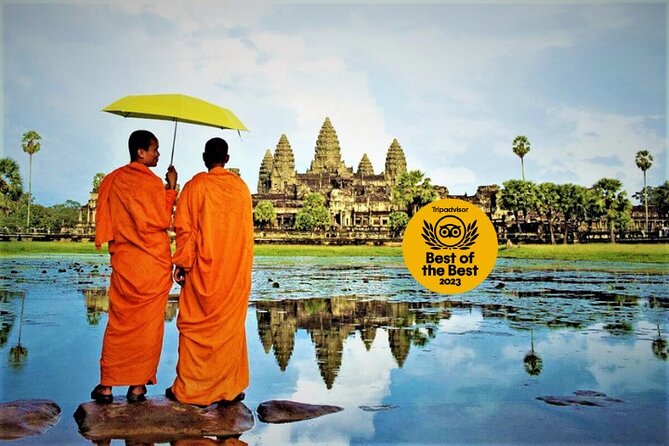
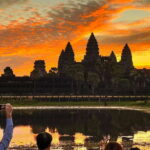
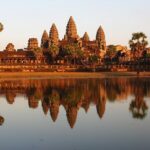
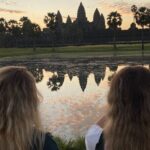
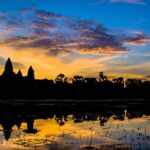
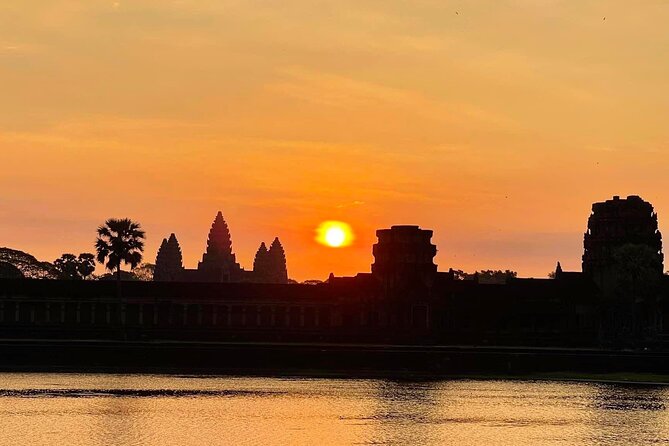
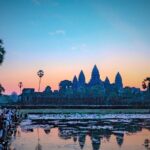
This tour’s Day 1 starts with an early call—4:30 AM—so you can see sunrise at Angkor Wat, the national emblem of Cambodia and a source of pride for the Khmer people. Angkor Wat is famous for its silhouette of five towers, and from certain angles you’ll also notice only three towers from a frontal view. That kind of perspective shift is one reason sunrise feels different here than at ordinary daytime viewpoints.
The sunrise part is also why this tour works well in two days. If you’re doing Angkor anyway, capturing the first light makes the rest of the day feel more intentional. And since the itinerary also includes a sunset experience from top viewpoints, you’re effectively getting both ends of the day’s mood.
The drawback is simple: early starts can be rough. If you’re sensitive to waking up before you’re ready, plan to go to bed early the night before.
Day 1: Angkor Thom South Gate to Ta Nei and Banteay Kdei
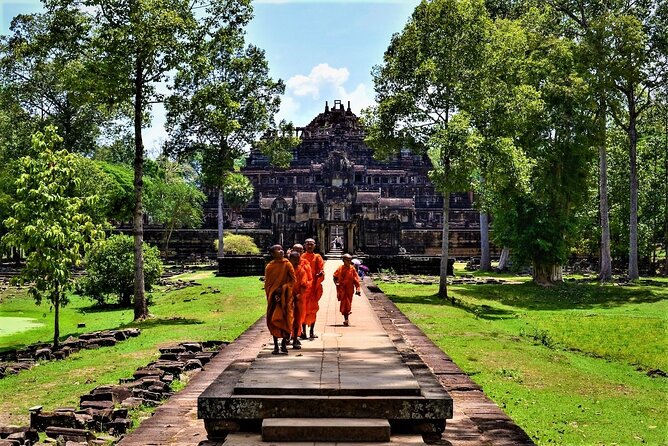
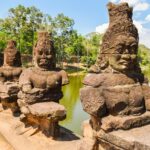
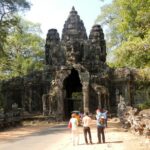
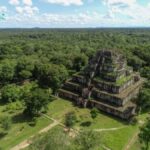
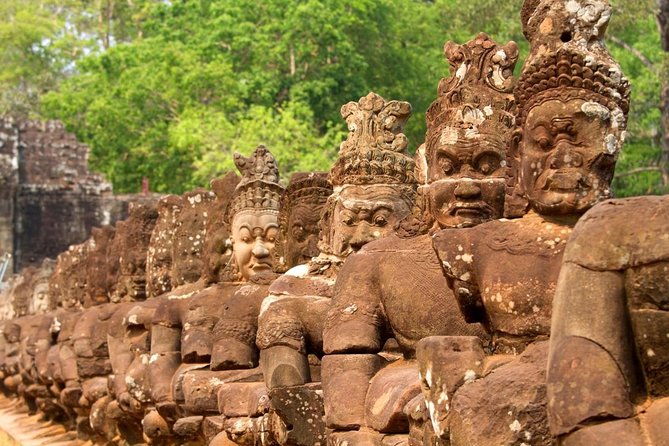
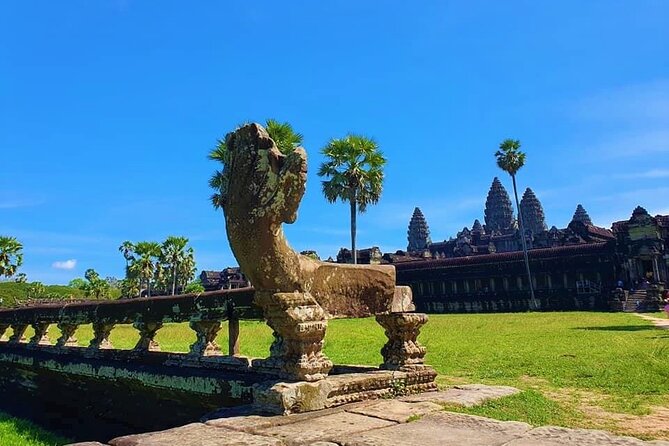
After Angkor Wat, the tour flows into Angkor Thom, the large royal city area built around the heart of the Khmer capital. You begin with the Angkor Thom South Gate, where a restored stone causeway crosses the moat. The standout detail here is the railings lined with the famous rows of giant sculptures—an instantly recognizable feature once you’re standing in front of it.
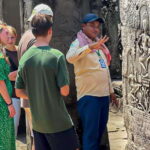
From there, you move deeper into Angkor Thom to Bayon Temple. Bayon is considered second only to Angkor Wat, and it’s the temple most associated with the enigmatic stone faces. This is the kind of stop where a guide matters, because it’s not just about looking—it’s about understanding why Bayon fits into the city’s layout and what you’re seeing.
Next comes Baphuon Temple, close to Bayon. The key idea is age and scale: Baphuon was by far the hugest Khmer temple before Angkor Wat took that role. Even without turning every stone into a lecture, that contrast gives you a better sense of the empire’s building ambition.
You then pass by Phimeanakas (also spelled Pimeanakas or Vimeanakas), sometimes described as the Aerial Palace or Celestial temple. The name points back to Sanskrit roots—Vimana and Akasha—and your guide’s explanation is useful because temple names can otherwise feel like random labels.
After that, the Royal Square area gives you a more detailed view of ceremonial edges:
- Terrace of the Elephants, a major wall and platform forming the western edge of the Royal Square
- Terrace of the Leper King, north of the Elephants Terrace, worth studying for its best-preserved details
These terraces can be easy to rush if you’re tired, but in a two-day plan, they’re worth your attention because they add variety. You’re not only seeing towering structures; you’re seeing carved storytelling along platforms and edges.
Then the route heads to Ta Nei Temple, a late 12th-century stone temple dedicated to the Buddha. It’s near the northwest corner of the East Baray reservoir area, and that location helps you understand the temple-and-water relationship Angkor is built around.
Finally, you reach Banteay Kdei, a stop positioned close to the junction where the Small Circuit and Grand Circuit meet. On the opposite side of the road you can spot the huge Srah Srang reservoir. This is one of the reasons the tour feels well-balanced: it pairs major monuments with stretches of Angkor’s broader water-and-temple planning.
Day 2: Banteay Srei Beauty and the East Baray Area
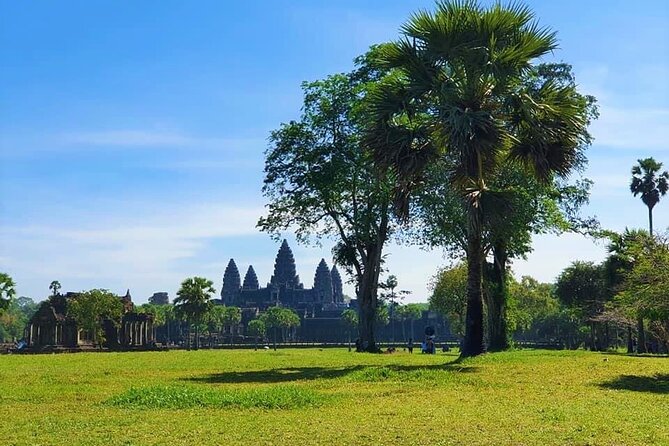
Day 2 begins with Banteay Srei, often described as the most beautiful temple by many visitors. The idea to focus on is craftsmanship and detail, and the fact that the tour starts with it means you get your best energy for the morning’s most memorable stop.
From there, you move to Banteay Samre, located east of the East Baray and built in the early 12th century. This is a Hindu temple in the Angkor region, and your guide’s role is important because temple functions shift over centuries, and those shifts can otherwise blur together.
Midway through the day there’s also a stop at Preah Dak Village, a popular souvenir and arts area. This is your practical break from stone-and-moss sightseeing, and it’s where you can handle small purchases without turning the tour into a shopping detour.
Then you head to a cluster of temples tied to King Jayavarman VII’s era and beyond:
- Preah Khan, dedicated to Jayavarman VII’s father (Jayavarmeshvara). This dedication theme is one of the most compelling threads your guide can connect as you move through the ruins.
- Neak Pean, which is exceptional because its layout differs from other Khmer architecture. It’s described as a temple on an artificial island inside a large Baray, and it feels like a different kind of design challenge compared with the straight-on temple compositions.
After Neak Pean comes Ta Som, built in the late 12th century by Jayavarman VII. The purpose isn’t crystal clear, but it may have been dedicated to the king’s father or one of his teachers—again, a great example of how guides help you see the ruins as historical clues, not just architecture.
Pre Rup Finishing Touch: The Day’s Big-Name Viewpoints
To close the day’s temple run, you visit:
- Eastern Mebon, a mountain temple built in the middle of the 10th century and dedicated to Shiva
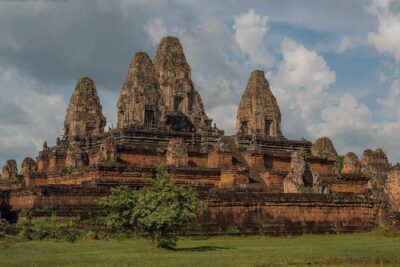
- Pre Rup, founded in 961 and described as a major legacy of Rajendravarman II, one of the big names after empire-founder Jayavarman II and Roluos-founder Indravarman I
Pre Rup has a strong sense of purpose built into the name of the king it honors. That’s exactly what you want at the end of a long day: a stop that ties the tour’s broader story together into something concrete.
Also, the overall tour concept includes both sunrise and sunset from the best viewpoints. Even if you’re tired by the end, that kind of two-moment framing helps Angkor feel less like a marathon and more like a complete experience.
You can also read our reviews of more tours and experiences in Siem Reap

Price and Logistics: What $149.46 Buys (and What It Doesn’t)

At $149.46 per person for about two days, the value here is mainly in the logistics. You’re paying for hotel pickup and drop-off, private AC transport, a professional licensed guide with excellent English, plus bottled water and cool towels. For many people, those are the hidden costs that add up when you’re piecing together Angkor days on your own.
But it’s important to understand what’s not included:
- Angkor Pass entrance fee is not included, even though it covers the temples on the itinerary. Your guide assists you in purchasing it before starting.
- Meals are on you. Lunches are available at local restaurants with both vegetarian and non-vegetarian options, with menu prices ranging from $3–$10 per dish.
- Tipping for the guide and driver is not included.
If you’re price-shopping, don’t compare the tour price alone—compare it to the full day cost once you add the Angkor Pass and meals. Still, for a two-day private experience that hits the major sites without forcing you into complicated transport planning, this pricing feels reasonable.
Service You’ll Notice: Guides and Drivers by Name
What shows up repeatedly in feedback is the quality of the human touch. Guides such as Sara and Leap are praised for excellent English and for making Khmer Empire context feel clear. Drivers named Ry, La (including Mister La), Pheap, and Paul are also mentioned for being kind and careful.
That matters because Angkor is not just about seeing temples. It’s about how the story gets explained while you’re walking from stop to stop and trying to connect dates, rulers, and meanings. A good guide can turn a chaotic set of sights into something you can actually remember.
Who This 2-Day Private Angkor Tour Suits Best

I’d point you toward this tour if you:
- want both major temples and additional stops like Banteay Kdei and Neak Pean
- prefer the comfort and flexibility of private AC transfers instead of shared shuttles
- care about understanding what you’re seeing, not only photographing it
- like the idea of structured timing, including 4:30 AM sunrise
It’s also a good option if you’re traveling as a couple or family group and want your own pace inside a tight two-day framework.
If you only want one or two signature temples, or you’re determined to build your own route from scratch, you might find this too structured.
Should You Book It?
Yes, if your goal is a high-quality, no-hassle Angkor experience that covers the heavy hitters in just two days—plus a few stops that go beyond the obvious. The combination of hotel pickup, AC private transport, bottled water and cool towels, and a licensed English-speaking guide makes it feel practical, not just impressive on paper.
One thing to plan for: entrance fees (Angkor Pass) and tipping still sit outside the tour price. If you budget for those from the start, you’ll feel the value right away.
FAQ
What’s included in this private 2-day Angkor tour?
Pickup and drop-off from your hotel, a professional official license tour guide with excellent English, private transfers in an air-conditioned vehicle, bottled water and cool towels, and service charges plus current government VAT.
Is pickup from my hotel included?
Yes. You provide your hotel name for pickup.
Do I need to buy the Angkor Pass?
Yes. Entrance fee for the Angkor Pass is not included, but your guide assists you in purchasing it at the entrance of Angkor Park before starting.
Are meals included?
Meals aren’t included. Lunches are available at local restaurants, and prices range from $3–$10 per dish.
What temples are covered?
The tour includes Angkor Wat, Angkor Thom (South Gate, Bayon, Baphuon, and other key areas), Ta Nei, Banteay Kdei, Banteay Srei, Banteay Samre, Preah Khan, Neak Pean, Ta Som, Eastern Mebon, and Pre Rup, plus a stop at Preah Dak Village for souvenirs.
How long is the tour?
It’s approximately 2 days.
Is the sunrise included?
Yes. Day 1 includes an Angkor Wat sunrise visit starting at 4:30 AM.
Is sunset included?
The overview says you’ll watch sunset as well from the best viewpoints in Angkor.
Is it a private tour or shared?
It’s private. Only your group participates.
What’s the cancellation policy?
Free cancellation is available if you cancel up to 24 hours in advance for a full refund.