REVIEW · SIEM REAP
City Tour & Cooking Class
Book on Viator →Operated by Easy Angkor Trip · Bookable on Viator
This combo turns Siem Reap into more than temple photos. You get city history stops, then a hands-on Khmer cooking class that starts with ingredient shopping and ends with a meal you helped make.
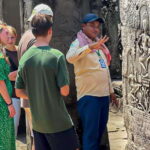
I especially like the way the tour ties together everyday culture and the harder parts of Cambodia’s past, with guide Kosorl sharing context at each stop. I also love the cooking side: the class is practical, small-group friendly, and you get to cook (including dishes like fish amok) rather than watch from the sidelines with English help from Mr. K.
The main thing to consider is the schedule: it’s a fast 3 to 5 hour run, and a couple stops have entrance fees you’ll pay on the spot (like the National Museum and Wat Thmei).
In This Review
- Key highlights worth planning around
- A tight mix of temples, markets, and Khmer cooking
- Wat Thmey (Killing Fields): important, not light
- Psar Chaa (Old Market): where daily life happens
- Angkor National Museum: history that makes temple time make sense
- Wat Preah Prom Rath: small details, big meaning
- The cooking class: market shopping, then hands-on Khmer food
- The ingredient market run
- The class itself
- What you eat
- Price and logistics: is $40 good value?
- Who this tour fits best (and who should adjust expectations)
- Tips to get the most out of the day
- Should you book this City Tour & Cooking Class?
- FAQ
- How long is the City Tour & Cooking Class in Siem Reap?
- Is pickup and drop-off included?
- What’s included in the tour price?
- Are entrance fees included for the stops?
- Does the tour include a market visit for ingredients?
- Is this tour private or group style?
- Can I cancel for free?
Key highlights worth planning around
- Market-to-meal shopping: you pick ingredients first, then cook using what you chose
- Small-group feel: you get more hands-on support than big group classes
- English-speaking guide: explanations are clear enough to connect history, culture, and food
- A real mix of moods: temples and markets plus the serious tone of Wat Thmey
- Cook, then eat: you’re not leaving hungry or just photographing dishes
A tight mix of temples, markets, and Khmer cooking
Siem Reap can feel like two different trips. One is all about temples. The other is about local life and food. This tour tries to blend both, using a simple format: walk a few key sights in the city, then switch into cooking mode with a market run and a home-style meal.
At $40 per person, it’s priced like a solid half-day activity, especially because pickup and drop-off are included and you get a guided cooking class + meal. The itinerary also moves in a logical arc through central Siem Reap, so you’re not bouncing across town for no reason.
One smart thing to notice: the tour includes a couple museums/sights that are important, but not free. So the true budget is the $40 plus entrance fees where you see them listed (more on that later).
You can also read our reviews of more city tours in Siem Reap
Wat Thmey (Killing Fields): important, not light
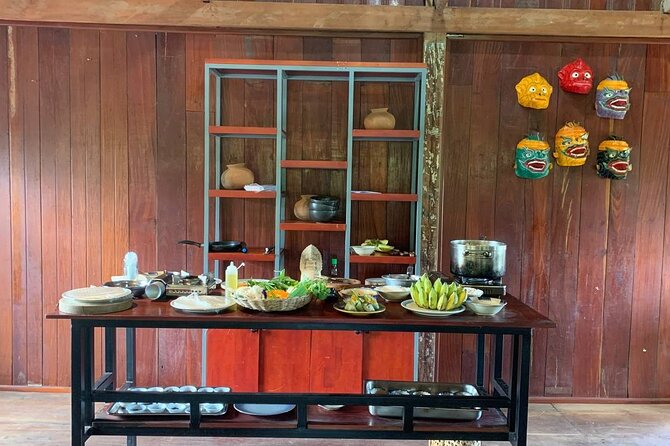
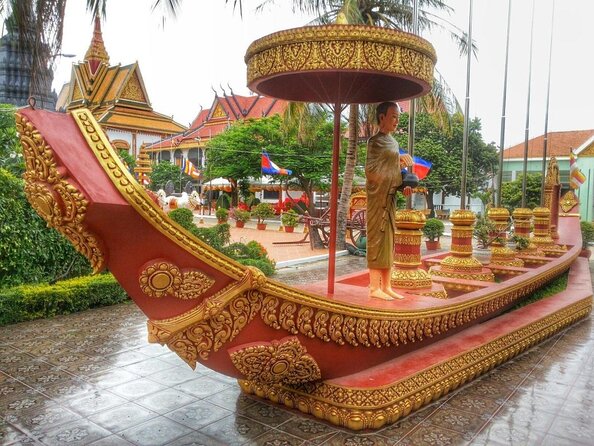
Wat Thmey, often called one of the Killing Fields tied to Cambodia’s Khmer Rouge period, is the kind of stop that changes the way you look at a country’s present. The focus here is remembrance and context—there’s no softening the theme.
What you’ll experience
You’ll visit Wat Thmey, learn the basics of what happened during 1975–1979, and walk through a site that’s solemn by design. Expect a calm pace and clear talking points from your guide, not a rushed photo-op.
Why it’s worth including
Siem Reap is famous for the Angkor story, but Cambodia’s modern identity is shaped by the tragedy that followed. If you skip Wat Thmey, you lose one of the clearest chances to understand the country behind the postcards.
Possible drawback
This stop is emotionally heavy. If you’re short on time, impatient with reflective spaces, or easily affected by historical trauma, plan how you’ll handle it. A good approach is to bring water, wear comfortable shoes, and accept that the tour has a serious chapter early.
Entrance fee note: Wat Thmei is not included and costs $4 per person.
Psar Chaa (Old Market): where daily life happens
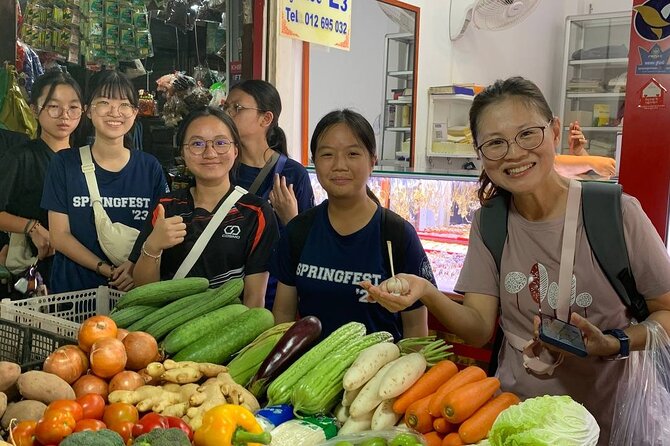
After the heavy stop, you shift into something more normal: Psar Chaa, Siem Reap’s Old Market. This is where the city shops like it always has—produce, flowers, snacks, and that constant hum of people doing errands.
What you’ll experience
You’ll walk through a busy local market with lots to see, including fruit, vegetables, flowers, and Khmer sweets. It’s less about curated shopping and more about getting your bearings in how local commerce looks and smells.
Why it helps the whole day
This market isn’t just a break. It’s part of how the rest of the tour makes sense. Seeing ingredients, everyday cooking items, and how people choose produce makes the later cooking class feel grounded, not staged.
Timing note
Expect about an hour here. It’s enough to understand the vibe and pick up ideas, but not long enough for deep bargain-hunting or shopping sprees.
Entrance fee note: Psar Chaa is free on this tour.
Angkor National Museum: history that makes temple time make sense
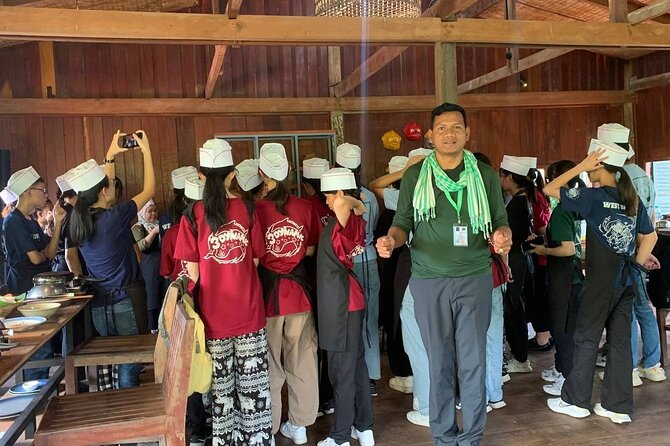
Next up is the Angkor National Museum, a stop that can feel optional if you’re mostly temple-focused. But if you want the bigger story, it helps you place what you’re seeing later.
What you’ll experience
The museum runs through periods before, during, and after the Khmer Empire, using artefacts and guided explanations. If your guide is doing a good job (and the guides on this tour are praised for it), you’ll start noticing how themes repeat across time—style, religion, and power.
Why it’s valuable
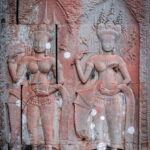
Temples can be visually stunning but confusing. A museum visit is like putting captions under the photos. Even a short stop can help you understand why certain carvings, motifs, and temple layouts matter.
Possible drawback
You don’t get hours here. It’s about getting oriented, not doing a slow, museum-day experience. If you prefer detailed self-guided reading, you might want extra time at another visit later.
Entrance fee note: Angkor National Museum is not included and costs $12 per person.
Wat Preah Prom Rath: small details, big meaning
Wat Preah Prom Rath sits near central areas north of Old Market, and it’s a classic example of how Khmer religious art shows up in everyday walking distance.
What you’ll experience
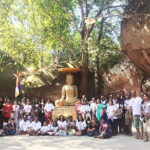
You’ll spend about an hour at the temple, including time in areas where Buddha imagery is painted on the walls. Your guide explains the story behind the Buddha Hall details, which helps you notice more than just the architecture.
Why it’s a good pacing stop
This temple works like a palate cleanser between indoor history and hands-on cooking. It’s still meaningful, but the tone is more contemplative and lighter than the Killing Fields.
Entrance fee note
This stop is free on this route.
You can also read our reviews of more cooking classes in Siem Reap
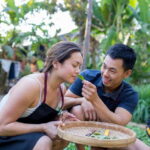
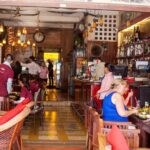
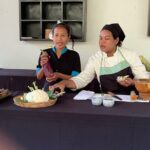
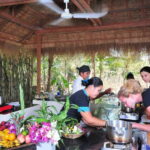
The cooking class: market shopping, then hands-on Khmer food
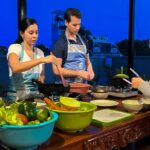
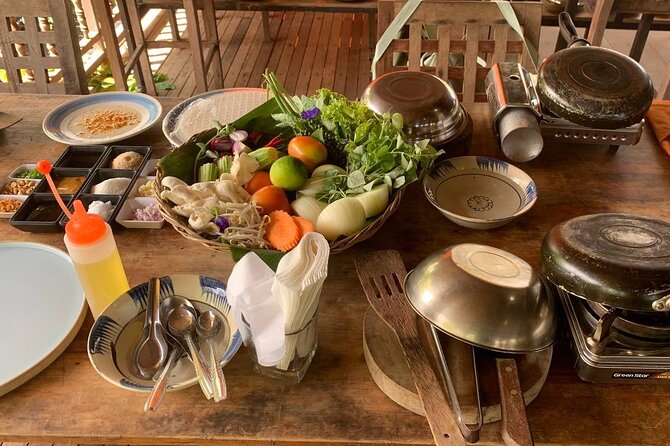
Now the day turns delicious. The cooking class portion is where this tour earns its keep. It’s not just a meal; it’s a mini lesson in how Khmer cooking thinks—spices, herbs, and aromatics used with intent, plus simple methods that add up fast.
The ingredient market run
Before cooking, you go with the chef to a local market to select ingredients. This matters because Khmer food relies on balance: freshness, aromatic herbs, and the right spice base.
The class itself
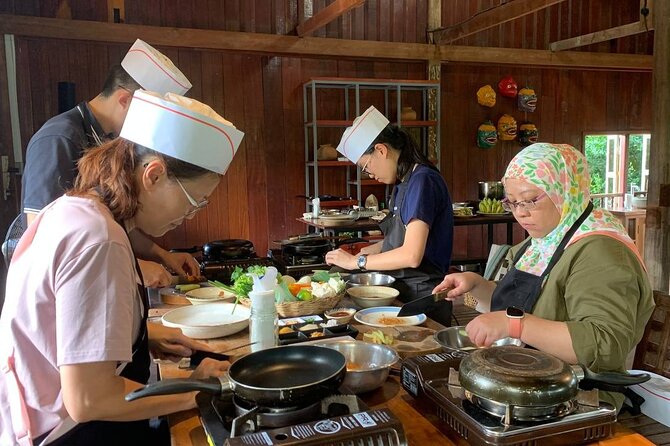
Cooking is taught with hands-on guidance, often in a small group. That small size is a practical advantage: you can ask questions and get correction early, which helps you avoid ending up with a generic plate.
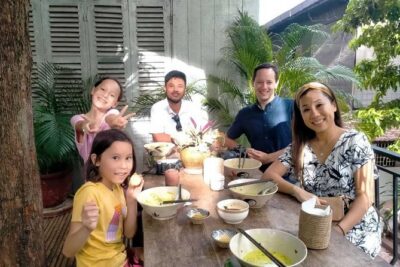
The dishes are Khmer home-style, and based on the experience people talk about, expect comfort-level foods that include items like fish amok. If you’re the type who likes learning by doing—chopping, mixing, tasting—you’ll get a lot more out of this class than if you only like watching.
What you eat
You eat what you cook. That sounds simple, but it changes the whole experience. You’ll remember flavors better because you made the key moves yourself.
Possible consideration
Because this can be hosted in a local home-style setting, facilities may be more basic than a hotel. One important detail to keep in mind: there may be no ensuite with hot and cold running water or a flushing toilet, though bathroom facilities are available. If you’re picky about comfort standards, this is the kind of detail worth mentally planning for ahead of time.
Price and logistics: is $40 good value?
Let’s do the real math first.
- Tour price: $40 per person
- Not included entrance fees:
- Angkor National Museum: $12
- Wat Thmei: $4
- Likely total with admissions: $56 per person
That still lands in “reasonable half-day” territory for Siem Reap, mostly because:
- Pickup & drop-off are included (this saves time and the hassle of arranging transport).
- You get an English-speaking guide for the full run.
- You get the cooking class and meal, plus cold drinking water.
Where the price can feel less tidy is if you already plan to do only a temple day and skip museums or remembrance sites. In that case, you might feel you’re paying for stops you didn’t intend to include. But if you want a day with meaning plus food, the structure makes sense.
One more practical note: it’s described as private for your group. That can mean more control over pace and questions, especially useful when you want the guide to connect the dots between the sites and the cooking.
Who this tour fits best (and who should adjust expectations)
This works well if you:
- want more than Angkor photos and want local culture through food
- like learning with an English-speaking guide who can connect history, daily life, and cuisine
- enjoy a hands-on cooking format and want to cook rather than just snack
You might rethink it if you:
- want a slow, deep museum visit or a long market wander (this schedule is tighter than that)
- prefer to avoid heavy historical topics early in the day
- need high-comfort facilities for a home-style cooking setting
Tips to get the most out of the day
A few small choices can make a big difference:
- Wear shoes you can handle for temples and market walking.
- Bring a light layer. Cambodia days can change fast, and a temple stop often means moving in shade and sun.
- If you’re sensitive to emotional history, mentally place Wat Thmey as the serious anchor of the itinerary and allow yourself a calm moment afterward.
- Come hungry for the cooking class. The best part is eating what you made, not just tasting tiny samples.
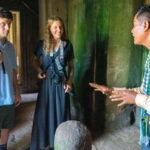
Also, if you get guide Kosorl or Mr. K, lean into conversation. People specifically praise their ability to explain history in a way that feels personal, linking politics, family life, and everyday choices to what you see and taste.
Should you book this City Tour & Cooking Class?
Book it if you want a single half-day that covers real Cambodia: markets, local religious sites, museum context, and Khmer cooking you can actually reproduce at home.
Skip it or adjust expectations if your ideal day is purely temples, purely food, or purely history. This is a blended route with a clear purpose: history and culture in the morning-leaning half, then food in the cooking half.
For most visitors looking for value, it’s a strong pick because the cooking class is the heart, and the city stops serve it rather than compete with it.
FAQ
How long is the City Tour & Cooking Class in Siem Reap?
The experience runs about 3 to 5 hours.
Is pickup and drop-off included?
Yes. Pick up & drop off are included in the price.
What’s included in the tour price?
You get an English speaking tour guide, pickup and drop-off, the cooking class and meal, and cold drinking water.
Are entrance fees included for the stops?
No. National Museum costs $12 per person, and Wat Thmei Killing Field costs $4 per person. Other listed stops on this route are free.
Does the tour include a market visit for ingredients?
Yes. Before the cooking class, there is a local market visit to select ingredients with the chef.
Is this tour private or group style?
It’s described as private/activity only your group will participate.
Can I cancel for free?
Yes. You can cancel up to 24 hours in advance for a full refund.