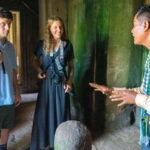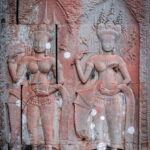
Waking up in the dark pays off. This Angkor Wat sunrise small-group tour is built around an early start, then a full day of major Khmer temples in the Angkor Archaeological Park—with commentary that helps you connect the dots while you’re walking. I like that it’s structured enough to keep things efficient, but still small enough for real questions.
Two things I really appreciate are the English-speaking guide (the kind who’ll point out good photo spots) and the pacing: sunrise first, then a practical breakfast break around 8:00 AM before you fan out to multiple temples. One possible drawback to plan for: the sunrise portion depends on the weather, so if it’s cloudy you may feel less wow and more rushed.
In This Review
- Key takeaways before you go (Angkor Wat sunrise tour essentials)
- Sunrise Timing: Why 4:45 AM makes sense here
- Price and Tickets: The real cost of this $39 tour
- Pickup, Transport, and the pace of a full day
- Angkor Wat at first light: the guide’s role in your photos
- Breakfast break around 8:00 AM (and how to handle it)
- Angkor Thom complex: South Gate and the Khmer temple stops
- Lunch timing and meal strategy during temple-hopping
- Ta Prohm (Tomb Raider Temple) around 1:00 PM
- Banteay Kdei and the end of the day in Siem Reap
- Small-group benefit: when the guide turns stones into meaning
- What to wear, bring, and expect at the temples
- Should you book this Angkor Wat sunrise small-group tour?
- FAQ
- What time does the Angkor Wat sunrise tour start?
- Do I get hotel pickup and drop-off?
- Is the temple entrance fee included in the $39 price?
- How long is the tour?
- What meals are included?
- What transport do I use during the tour?
- Are water and towels included?
- What temples will I visit besides Angkor Wat?
- What is the group size?
- What should I wear for temple visits?
Key takeaways before you go (Angkor Wat sunrise tour essentials)
- Start time is early (4:45 AM) so you’ll want to be ready on time and have sleep planned
- Sunrise at Angkor Wat happens first, including a chance to see the sunrise from behind the temple
- Breakfast break is built in around 8:00 AM, with time to buy or bring your own
- Small group size keeps the experience tighter, with a stated maximum around 10 travelers
- You still pay the Angkor pass separately: $37 per person for a single day
- Dress code matters for temple entry, especially shoulder coverage and knee-length bottoms
Sunrise Timing: Why 4:45 AM makes sense here
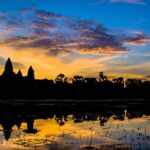
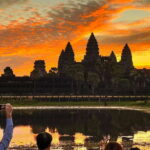
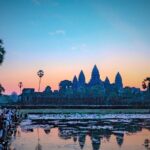
This tour starts in Siem Reap at 4:45 AM, with you expected to be in the hotel lobby by 4:50 AM. That’s not just a random early wake-up call—here it’s the difference between arriving while the day is still quiet and catching Angkor Wat when the light hits right.
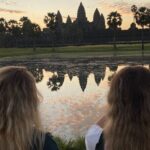
The plan is simple: you go to Angkor Wat, then wait for the sunrise view from behind the temple. If you’re hoping for that famous sky-and-stone moment, arriving early like this is what gives you the best shot. If the skies are cloudy, the effect won’t be the same, so mentally prepare for a “still impressive, just different” sunrise.
You can also read our reviews of more tours and experiences in Siem Reap
Price and Tickets: The real cost of this $39 tour
The tour price is $39, but the temple pass is not included. You’ll need an Angkor pass for a single day at $37 per person. On paper, it looks like a cheap add-on—until you do the math. Budget closer to $76 per person all-in (tour fee plus pass).
That said, the $39 isn’t just “a ride to temples.” You’re paying for several practical things: a guide with English commentary, early scheduling, hotel pickup and drop-off, and day-of transport. For many people in Siem Reap, the value is that you don’t have to coordinate timing, find your way between temple clusters, or figure out what to prioritize.
Pickup, Transport, and the pace of a full day
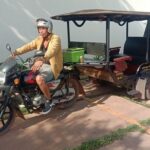
You get hotel pickup and drop-off, which matters a lot when your start time is basically before breakfast. The day is moved forward using air-conditioned transportation and tuk tuk for the temple-area moving around. That combination helps you conserve energy across an 8 to 9 hour day, especially when humidity is heavy.
The ride-to-walk balance is what makes this tour feel doable. You’ll be walking at each site, but the schedule isn’t so chaotic that you’re sprinting between distant stops. Expect a full-day rhythm: early temple, breakfast break, more temples through the afternoon, then back to Siem Reap.
Angkor Wat at first light: the guide’s role in your photos
Angkor Wat is the main event, and this tour places it first. After the required pass stop, you reach the temple and wait for the sunrise view from behind it. This is exactly when having a guide helps most—not because you need someone to tell you it’s beautiful, but because you want to know where to stand as crowds and light change.
In the experience of guides leading this tour, there’s a strong emphasis on photo positioning. One guide named Mr Boy is described as spot-on with both knowledge and knowing where to take the best pictures. If photography is part of your plan, that kind of guidance is the difference between “I took photos” and “I got the angles people dream about.”
What you’ll like most: the sunrise moment is built into the schedule, not treated like an optional bonus. What you should watch: if you’re hoping for sunrise to feel peaceful, understand that this is still a popular site. You’re going early for the best light, not for total solitude.
Breakfast break around 8:00 AM (and how to handle it)
Around 8:00 AM, there’s a break for breakfast. You have options: bring your own breakfast or grab something freshly prepared from local places near the area. The tour is also designed with scheduled meal time in mind, since the itinerary includes breaks to purchase breakfast and lunch.
This is one of the best parts of the plan. When tours skip meals or treat them as “figure it out,” your day gets cranky fast. Here, you’re given an actual window to eat before you keep walking.
Practical move: keep your breakfast light. You’ll be in humid air, doing temple walks, and you don’t want a heavy stomach slowing you down.
Angkor Thom complex: South Gate and the Khmer temple stops
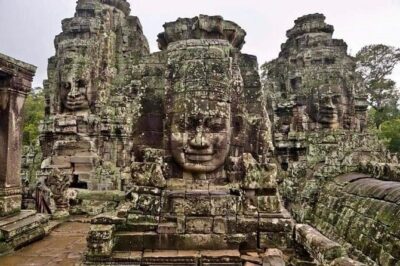
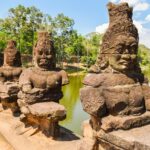
After breakfast, the tour continues through key temples associated with Angkor Thom, including the South Gate of Angkor Thom, then Bayon, Baphuon, Phimeanakas, and the Elephant and Leper King Terraces.
What makes this stretch worth doing as a guided loop is the commentary. With Khmer temples, it’s easy to feel like you’re just seeing stone walls and carvings. A good guide helps you connect what you’re looking at to what the place is for and how the sites relate to each other.
Here’s how to set expectations for each stop:
- South Gate of Angkor Thom: you get a major entrance landmark first, which helps orient you for what comes next
- Bayon: a centerpiece temple stop that fits naturally after the gate
- Baphuon and Phimeanakas: additional temple viewing that keeps the architecture moving forward rather than repeating the same scene
- Elephant and Leper King Terraces: a distinct stop that changes the vibe from pure temple worship-space into terrace viewing
The drawback is the same with all full-day temple circuits: you’ll want to manage your energy. After hours of early light and walking, it’s not the time to be stubborn about skipping breaks. Take water when it’s offered, keep your pace steady, and let the guide do the sorting so you don’t have to.
Lunch timing and meal strategy during temple-hopping
The tour is described as including scheduled breaks to purchase breakfast and lunch. Even if lunch isn’t tightly pinpointed in the schedule details you receive, the key is that you’re not left hanging with no food plan.
I recommend you treat meals like part of your sightseeing, not an interruption. Eat before you feel hungry, not after you’re already tired and annoyed. If you’re the type who forgets sunscreen until it hurts, also remember lunch is a good time to re-check hydration and gear.
Ta Prohm (Tomb Raider Temple) around 1:00 PM
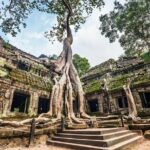
Around 1:00 PM, you head to Prasat Ta Prohm, commonly known as the Tomb Raider Temple, plus Prasat Banteay Kdei afterward. Ta Prohm is famous for the way the temple looks when you find it—less like a museum floor, more like a living-in stone space with dramatic atmosphere.
Why the timing works: arriving in the early afternoon means you’ve already seen the “big plan” temples, so Ta Prohm feels like a shift rather than a repeat. Also, by then you’ve had breakfast and you’re warmed up (in a walking sense), which makes it easier to enjoy the stop instead of feeling like you’re just surviving the day.
What to watch for: the midday timing can feel hot and humid. Wear breathable clothing, and keep a small plan for shade breaks. Your guide should help you keep moving without losing sight of what matters.
Banteay Kdei and the end of the day in Siem Reap
The day wraps up in the afternoon, ending back in Siem Reap city. Prasat Banteay Kdei is the final temple stop listed, meaning your last stretch is another Khmer temple viewing moment after Ta Prohm.
This order makes sense. You move from major icon temples early, into the Angkor Thom cluster after breakfast, then finish with Ta Prohm and Banteay Kdei as your afternoon anchors. By the time you’re done, you’re ready for a shower and a long sit-down meal without feeling like you still need to “catch the rest.”
Small-group benefit: when the guide turns stones into meaning
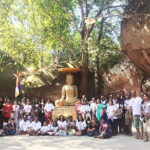
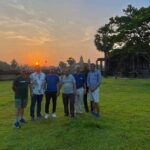
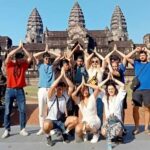
This is small group sightseeing, with a maximum of 10 travelers listed (and a tour design that can accommodate up to 12). That size is usually the sweet spot: you get fewer crowds than mass departures, but you still have enough people for the trip to feel energetic.
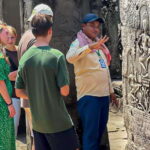
The best “small-group” advantage here is question time. When the group is tight, the guide can answer curveballs and adjust the flow. One guide named Youk Makara is specifically described as passionate about Cambodia and knowledgeable about archeology, with formal studies—exactly the kind of background that helps you ask why something was built and how to read what you’re seeing.
For you, that means less wandering with no context and more “oh, that’s what I’m looking at” moments. You’ll still do a lot of walking, but the day will feel organized, not random.
What to wear, bring, and expect at the temples
Temple rules are not optional. The tour asks for proper dressing. If you wear shorts and T-shirts, shorts should be long enough to be knee-length, and shoulders must be covered. No scarf or shawl and no tank top are allowed. The recommendation is light cotton clothes because it’s hot and humid, except for November, December, and January, when the weather is nicer.
Other practical items that matter for this specific day:
- Start early, so bring something to steady you before sunrise (water helps, and the tour provides it)
- Wear footwear that handles uneven stone (this is temple-walking, not city strolling)
- Expect humidity and plan for sweat management with light clothes
Good news: you’ll have cold pure drinking water and a cold towel during the temple trip. Those small comforts can be the difference between “this is hot but fine” and “I’m done with the day.”
Should you book this Angkor Wat sunrise small-group tour?
Book it if you want sunrise at Angkor Wat with a schedule that protects your time, plus a guided day that hits the major temple stops without you handling logistics. This is also a smart pick if you like learning as you walk—English commentary and named guides with photo and archeology strengths make it feel more than just transportation.
Skip it or consider an alternative if you’re very sensitive to early mornings or if you’re traveling during a period where cloud cover is common. The sunrise view can be affected by the sky, and the tour starts early enough that you’ll feel it if you end up disappointed by the weather.
FAQ
What time does the Angkor Wat sunrise tour start?
The tour starts at 4:45 AM in Siem Reap.
Do I get hotel pickup and drop-off?
Yes. Hotel pickup and drop-off are included.
Is the temple entrance fee included in the $39 price?
No. The Angkor pass is $37 per person for a single day and is required.
How long is the tour?
It runs about 8 to 9 hours.
What meals are included?
The tour includes scheduled breaks to buy breakfast and lunch. Breakfast is mentioned around 8:00 AM, and you can bring your own or purchase near the area.
What transport do I use during the tour?
Transportation is provided by tuk tuk, and the tour is described as using air-conditioned transportation.
Are water and towels included?
Yes. You’ll receive cold pure drinking water and a cold towel during the temple trip.
What temples will I visit besides Angkor Wat?
You’ll also visit South Gate of Angkor Thom, Bayon, Baphuon, Phimeanakas, Elephant and Leper King Terraces, Ta Prohm (Tomb Raider Temple), and Banteay Kdei.
What is the group size?
It’s a small group, with a stated maximum of 10 travelers. Another description notes it can accommodate up to 12.
What should I wear for temple visits?
You’ll need proper temple attire: shoulders covered, and shorts long enough to be knee-length. Tank tops aren’t allowed, and no scarf or shawl is allowed. Light cotton is recommended due to hot humidity.