REVIEW · SIEM REAP
Angkor Wat Sunrise Private Full Day Tour
Book on GetYourGuide →Operated by Angkor Buddy · Bookable on GetYourGuide
Angkor Wat at first light is a time machine. This private full-day tour is built around sunrise access and a smooth, guided circuit through the big hitters, from Ta Prohm’s roots to Bayon’s stone faces. I especially like the English guide-led pacing (it keeps the temples from turning into a blur) and the local breakfast stop that feels grounded instead of tourist-y. The one drawback to plan for: the pickup is early—around 4:30 a.m.—and you’ll start sightseeing fast, before you’re fully awake.
You’re in a private group with air-conditioned transport, bottled water, and cold towels. The comfort helps, because the day is long on foot, and the temples don’t care if you’re still blinking. Just budget for the Angkor Pass entrance fee (not included), and be ready for temple dress rules.
In This Review
- Key Things You’ll Notice on This Tour
- Sunrise at Angkor Wat: why early matters
- Your English team: Mr Tann and Pan make the day click
- Breakfast near the temples: simple fuel, local feel
- Srah Srang: more than a quick stop
- Ta Prohm: the “tree roots everywhere” stop, done right
- Terrace of the Elephants: photo stop plus context
- Preah Ponlea Sdach Komlong (Terrace of the Leper King): short, meaningful
- Baphuon: the in-between anchor
- Bayon Temple: stone faces, and why your pacing matters
- Logistics that make the day feel manageable
- Price and value: $77 makes sense if you handle the add-ons
- What to bring (and what can ruin your photos)
- Who this private sunrise tour is best for
- Should you book this Angkor Wat Sunrise Private Full Day Tour?
- FAQ
- What time is pickup for the Angkor Wat sunrise tour?
- How long is the tour, end-to-end?
- Is breakfast included in the price?
- Do I need to pay an entrance fee for the temples?
- What’s included in the tour package?
- What language is the guide?
- Is this tour private or shared?
- What should I bring for the temples?
- What should I wear (or avoid) at the temples?
- Is cancellation free, and can I pay later?
Key Things You’ll Notice on This Tour
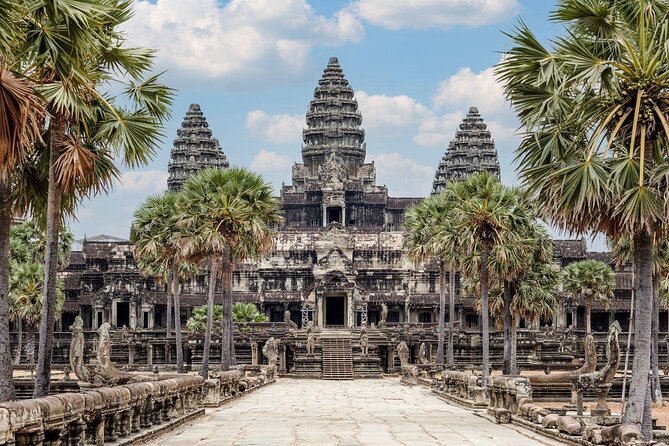
- Sunrise timing: pickup just before dawn so you can see Angkor Wat waking up
- Guide clarity: English explanations that connect monuments and symbols, not random facts
- A real breakfast stop: breakfast is purchased at nearby local restaurants, not a generic setup
- Classic Angkor circuit: Ta Prohm, Angkor Thom, Elephant Terrace, and Bayon in one day
- Smart photo support: your guide and driver help with angles and timing so you get more keepers
- Heat and insect reality: you’ll want repellent and proper temple clothing
Sunrise at Angkor Wat: why early matters
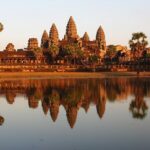
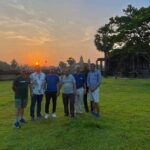
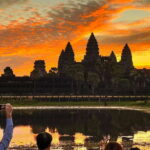
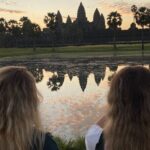
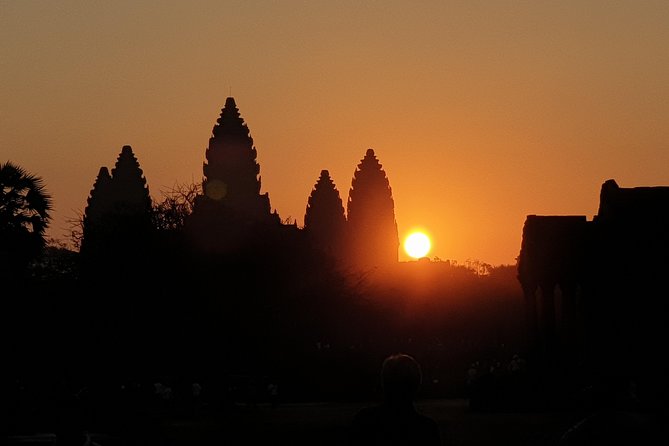
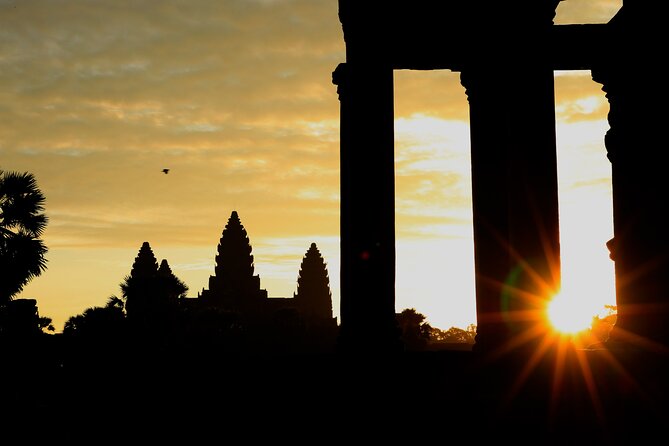
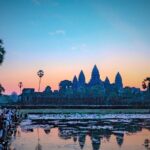
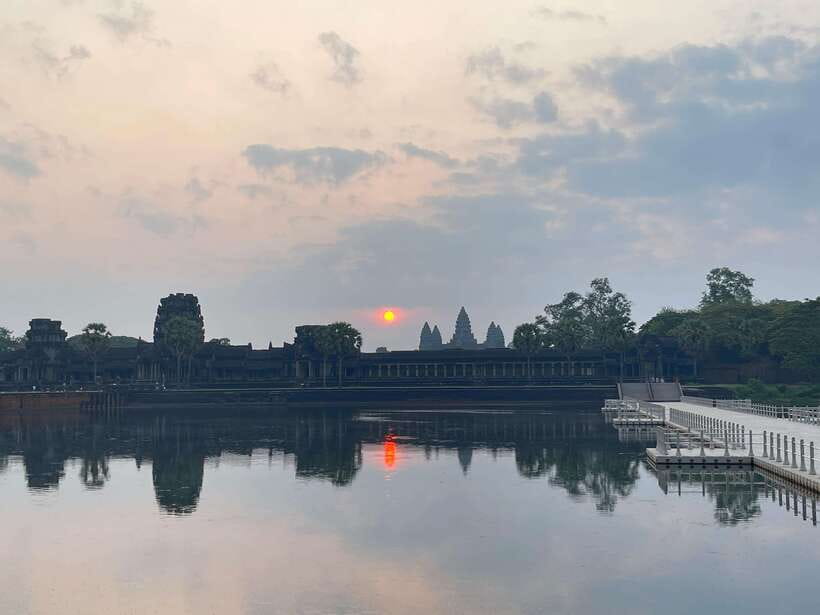
Angkor Wat looks different at every hour, and sunrise is the sweet spot. You get that first band of light sliding across the stone instead of the harsh afternoon brightness. It also means you’re not starting your day halfway through the crowd wave.
This tour begins with hotel pickup in Krong Siem Reap at about 4:20 to 4:50 a.m. After a short ride, you’ll be at Angkor Wat for sunrise, with about three hours to enjoy the experience and move through the area at a reasonable pace. Even if you’ve seen photos, sunrise gives you scale—how the causeways, towers, and outer courtyards line up when the world is still quiet.
Practical note: bring sunglasses and a hat. Temple stone can look magical in low light, but it can also glare once the sun climbs.
You can also read our reviews of more private tours in Siem Reap
Your English team: Mr Tann and Pan make the day click
A big reason this kind of Angkor day works is what you do with your eyes once you’re there. The guide experience matters, and the standout here is the quality of the explanations and the way the pacing stays smooth.
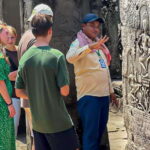
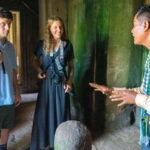
In a verified experience, Mr Tann led the tour with strong English and a friendly, question-friendly style. The driver support from Pan was also mentioned—both polite, upbeat, and ready to help with photos. That matters more than it sounds. When you’re juggling stairs, viewpoints, and temple rules, having someone who can position you for the shot and keep you moving without rushing the story is a real advantage.
Also, the car setup helps. You’re provided bottled water and cold towels, which is exactly what you want once you hit the hotter parts of the circuit later in the morning.
Breakfast near the temples: simple fuel, local feel
After sunrise, you’ll head to Srah Srang for a short stop, and then breakfast is timed for you to eat around there. The tour description says breakfast is purchased at local restaurants near the temples, not included as a packaged meal.
That’s a plus for most people. You get a chance to eat something practical without detouring far from the site. The tradeoff is cost control: you’ll pay for your own meal and drinks, so bring a little cash and don’t assume it’s included. (The tour encourages you to have cash on hand.)
Tip: after an early start, a filling breakfast helps. You’ll be walking between several temple stops, with only short breaks for photos and transitions.
Srah Srang: more than a quick stop
Srah Srang is where the tour places breakfast timing and a brief cultural context stop. Even when the visit feels short, it’s useful because it breaks up the day. You come out of sunrise energy, eat, and then shift from dramatic lighting into the steady rhythm of temple exploration.
Why it’s worth including: Angkor isn’t just one monument. It’s an environment—water, terraces, and approach lines that shape how the city functioned. A quick pause here helps you understand the setting before you move deeper into the main ruins.
Ta Prohm: the “tree roots everywhere” stop, done right
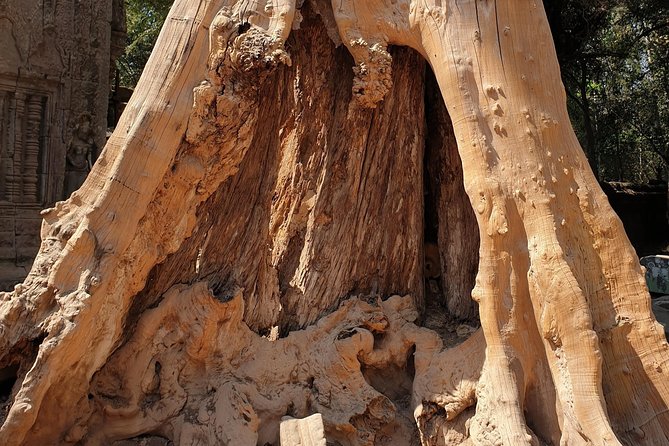
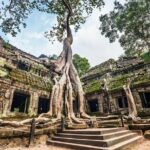
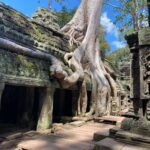
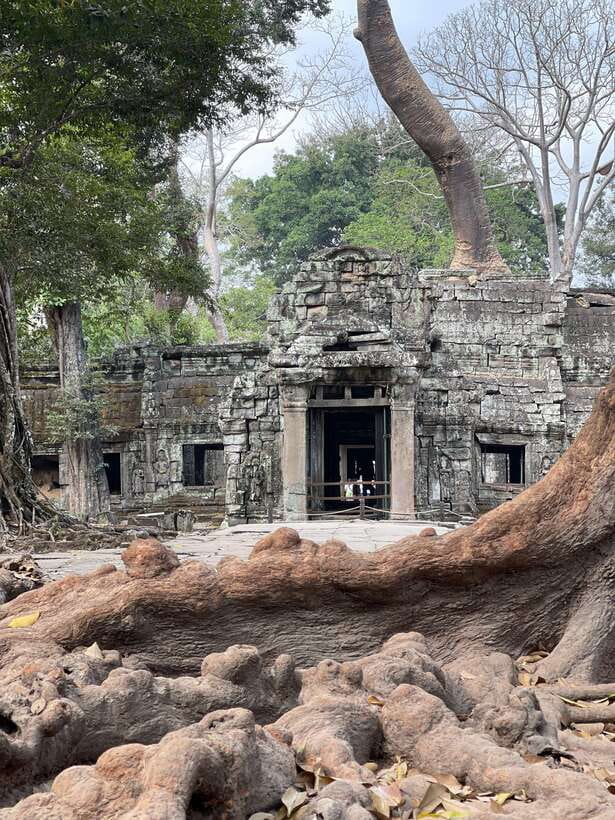
Ta Prohm is famous for a reason. The intertwining roots and crumbling structures create a visual drama that instantly makes you slow down. This stop is set for about one hour of walking and visiting, which is a good amount of time for photos plus a real look at the way the stones meet the vegetation.
A private format helps here. If you’re with a guide who can steer you toward the best viewpoints and keep you from wandering in circles, you get more out of the same hour. It’s also easier to manage your footing, because uneven ground plus crowds can turn into a constant sidestep.
What to watch: this is a photo-heavy temple. If you want the cleanest shots, be mindful of the “stand and block” instinct. Keep moving so your photos don’t become everybody else’s problem.
You can also read our reviews of more tours and experiences in Siem Reap

Terrace of the Elephants: photo stop plus context
Next comes the Terrace of the Elephants, with a short visit and a 20-minute photo stop/walk. This stop is more about details and perspective than long exploration.
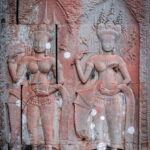
Here’s the value: terraces are where you can really feel the planning of Angkor. It’s not random ruin spread across jungle. The platform layout, carving areas, and ceremonial scale hint at how performances and ceremonies may have worked in the city’s heyday.
Since your time is limited, use this moment for what you can’t get later: wide angles and close-ups of the carved work. You’ll also get a good chance to rest your legs for a few minutes before the next big viewpoint.
Preah Ponlea Sdach Komlong (Terrace of the Leper King): short, meaningful
This stop is brief—about 10 minutes. That can sound too short, but the timing fits the day. It’s a palate cleanser between heavier stops, letting you regroup while still seeing a major named structure.
Even in a short visit, you’ll likely notice why it’s remembered: the terrace is tied to a specific story, so it’s less about size and more about symbolism. If you care about the “why” behind the carvings and spaces, a good guide can make this quick stop feel satisfying instead of rushed.
Baphuon: the in-between anchor
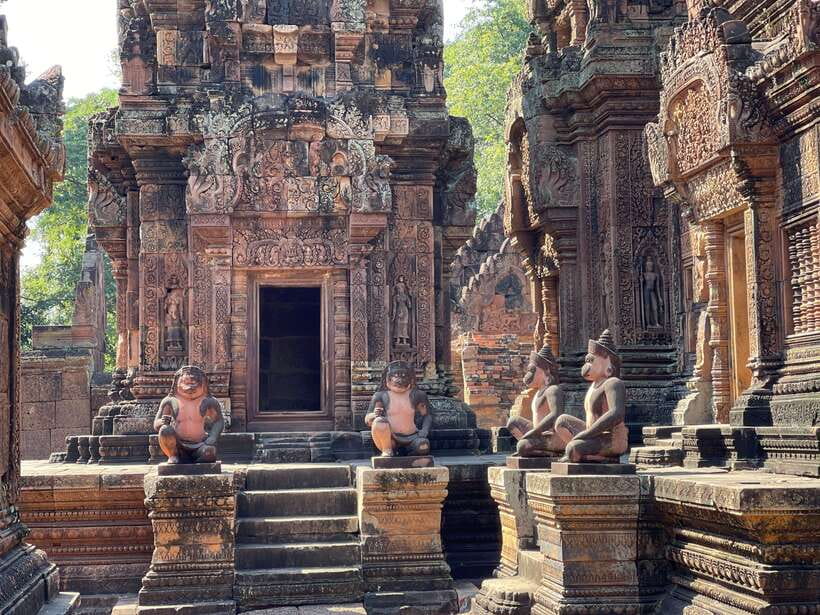
Baphuon is scheduled for about 40 minutes. It’s not the single most iconic face like Bayon, but it’s an important piece of the Angkor Thom complex. Think of it as the anchor that helps you connect the dots between terraces, gateways, and the inner city spaces.
This is a good segment to slow down a bit. By the time you reach Baphuon, you’ve already had sunrise, Ta Prohm, and a major temple circuit. If you use the guide’s explanations here, the site starts to make more sense as a whole.
Bayon Temple: stone faces, and why your pacing matters
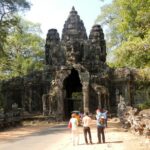
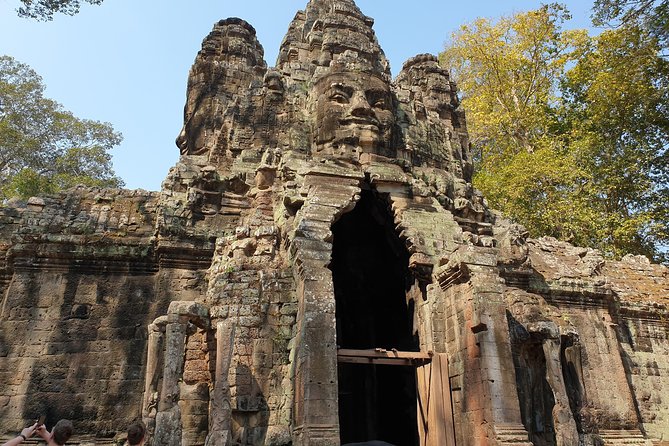
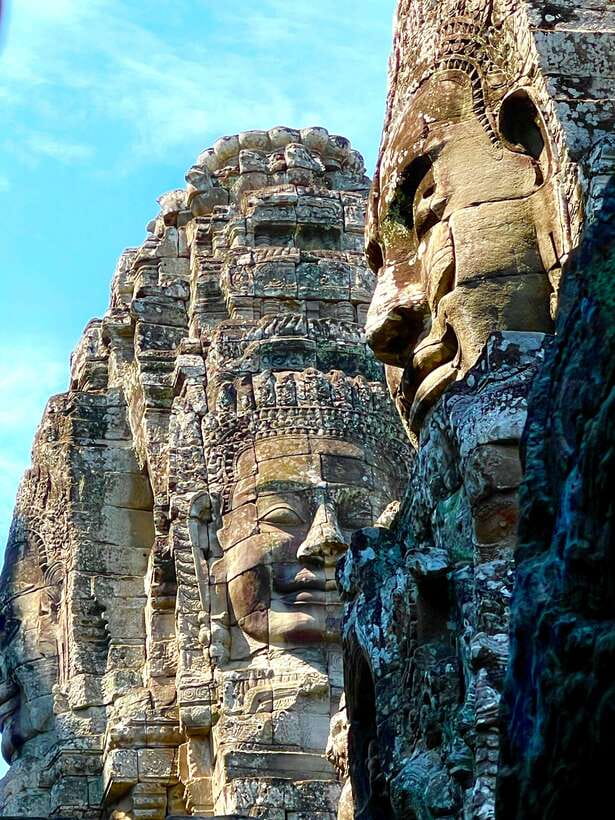
Bayon is the closer look at the heart of Angkor Thom, and it’s one of the most recognizable experiences on the itinerary. You’ll have about one hour including a photo stop, visit, and walking.
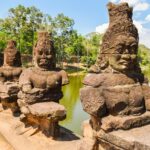
The stone faces are impressive on their own. The bigger win is how your timing affects your view. In a private tour, you’re not just stuck in a slow crowd funnel. You can pause where you want, move when you want, and get different angles more easily.
Also, Bayon is where dress code and temple etiquette matter most. You’ll see signs of wear and rules in action. If you’re unsure, cover up early. The tour notes that temples require covering knees and shoulders, and short skirts are not allowed.
Logistics that make the day feel manageable
This tour is designed to be practical from start to finish.
- Duration: about 8 hours
- Pickup/drop-off: pickup from your city hotel lobby, then return to your hotel
- Return window: you should arrive back around 12:30 to 1:30 p.m.
- Transport: air-conditioned vehicle, which you’ll appreciate after morning walking and the heat of later temple visits
That end time is key. Many sunrise temple days run long and leave you wiped. Here, you’re back early enough to rest, shower, and still have part of your afternoon for markets or dinner.
Price and value: $77 makes sense if you handle the add-ons
At $77 per person, the headline cost covers the guide, air-conditioned transport, and the scheduled sightseeing. It also includes bottled water and cold towels—small items that add up when you’re doing multiple stops before noon.
Your main extra expense is the temples entrance fee: 37 US$ for the Angkor Pass, which is not included. You pay that separately, and the tour says your guide can assist you with buying it on the day.
So how do you judge value? For me, the value comes down to two things:
1) a good guide who keeps the day understandable and paced, and
2) not wasting time on transport confusion or unnecessary wandering between stops.
If you’re traveling solo, as one example showed (with Mr Tann and Pan working as a pair), a private tour can feel like the best way to get attention and photos without the scramble of a group setting.
What to bring (and what can ruin your photos)
Bring comfort and sun protection. The tour specifically suggests:
- comfortable shoes
- sunglasses and a hat
- insect repellent
- comfortable clothes
- cash
The clothing rule is not optional. Temples require covering knees and shoulders, and short skirts are not allowed. See-through clothing is also not allowed. You’ll feel calmer if you plan your outfit in advance instead of bargaining with the heat and a scarf later.
One more practical note from the experience details: insect repellent is a real must. Morning and shaded ruins can still mean bites, and you’ll want the protection before you’re deep into walking.
Who this private sunrise tour is best for
This tour fits best if you want:
- a sunrise Angkor Wat start without DIY stress
- a guided day where names and symbols are explained in plain English
- a structured circuit through Ta Prohm, Angkor Thom, and Bayon
- more control over photos than you get on bigger group tours
It’s also a strong choice if you care about photo results. In a verified experience, Mr Tann took loads of amazing photos, and the driver helped with the right moments and angles. If that matters to you, private is the way to go.
If you’re the type who hates early wake-ups and prefers slow afternoons, this will feel like a sprint. But if you can handle the early start, the payoff is big.
Should you book this Angkor Wat Sunrise Private Full Day Tour?
I’d book it if you want sunrise without confusion, and if you value a guide who can turn temple walls into something you actually understand. The private format, early pickup, and the structured stops from Ta Prohm to Bayon make it efficient without feeling like a checkbox day.
I would reconsider if:
- you’re not okay with the 4:20–4:50 a.m. pickup,
- you want all-in pricing with no surprise add-ons (the Angkor Pass fee is extra),
- or you’re not willing to follow the temple dress rules.
If you can do early mornings and you pack insect repellent plus proper clothing, this is one of the most sensible ways to experience Angkor in a single day.
FAQ
What time is pickup for the Angkor Wat sunrise tour?
Pickup is between 4:20 and 4:50 a.m. Your driver and guide will pick you up at your hotel lobby, and you should be ready on time.
How long is the tour, end-to-end?
The total duration is about 8 hours, with return to your hotel between 12:30 p.m. and 1:30 p.m.
Is breakfast included in the price?
Breakfast is not included. You can purchase breakfast at local restaurants near the temples.
Do I need to pay an entrance fee for the temples?
Yes. The temples entrance fee is not included and is listed as 37 US$. The Angkor Pass can be purchased on the day of the tour with assistance from your guide or bought online by yourself.
What’s included in the tour package?
Included are a professional English-speaking guide, air-conditioned transportation, sightseeing as specified, free hotel pickup and drop-off in city areas, bottled water, and cold towels.
What language is the guide?
The tour guide is available in English.
Is this tour private or shared?
It is a private group experience.
What should I bring for the temples?
Bring comfortable shoes, sunglasses, a hat, comfortable clothes, insect repellent, and cash.
What should I wear (or avoid) at the temples?
You must cover your knees and shoulders. Short skirts and see-through clothing are not allowed.
Is cancellation free, and can I pay later?
Free cancellation is available up to 24 hours in advance for a full refund. The listing also offers reserve now & pay later, where you pay nothing today.