REVIEW · SIEM REAP
Angkor Wat Private Day Tour
Book on Viator →Operated by Angkor Wat Travel Tour · Bookable on Viator
Angkor Wat in a day sounds almost unreal, but it works. This private tour in Siem Reap strings together the big hits of Angkor’s UNESCO complex with a guide who helps you understand what you’re seeing, then finishes with the sun dropping below the temples. I especially liked the combo of a private guide plus vehicle, because it keeps your day moving without the constant stop-and-go hassle.
My other favorite part was the temple sequence: you’re not just ticking off names. You get real time at Bayon, Ta Prohm, and Banteay Kdei before you settle into Angkor Wat for that classic end-of-day sunset moment. One thing to plan for: the tour price does not include entrance tickets or meals, so you’ll want to budget extra before you go.
In This Review
- Key things to know before you go
- What $45 really buys you in Siem Reap
- The 9:30 start: how the day stays manageable
- Bayon Temple inside Angkor Thom’s south gate
- Ta Prohm: the tree-root temple that rewards patience
- Banteay Kdei: the calmer, monastic stop
- Angkor Wat at sunset: why the last stop matters most
- How a private English guide changes the experience
- Practical tips to make the day feel smooth
- Who should book this tour
- Should you book the Angkor Wat Private Day Tour?
- FAQ
- What time does the tour start?
- How long is the Angkor Wat private day tour?
- Is pickup included?
- Are entrance tickets included in the price?
- What’s included on the tour besides the guide?
- Is this a private tour?
Key things to know before you go
- Private guide and air-conditioned vehicle for an 8-hour temple circuit, door-to-door with pickup offered
- Sunset viewing at Angkor Wat is built into the day so you’re not scrambling at the last minute
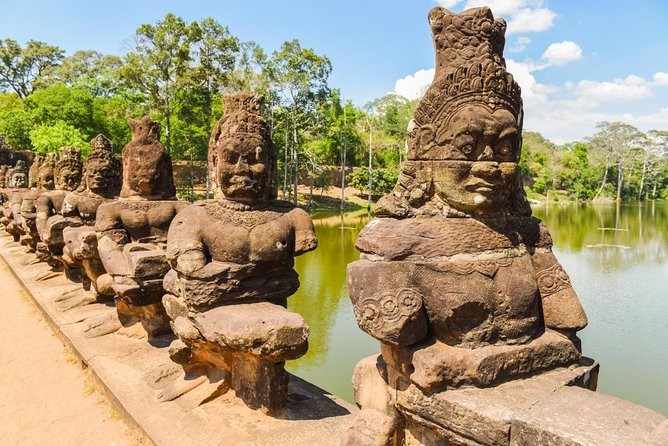
- Bayon’s 216 faces across 54 towers makes the Angkor Thom complex feel unusually personal
- Ta Prohm’s tree-root “jungle temple” look takes time, and the schedule gives you it
- Banteay Kdei’s largely non-restored monastic vibe slows the pace in a good way
- Cold towel and cold water help you stay functional in the heat
What $45 really buys you in Siem Reap
At $45 per person, this tour is priced like a straightforward, no-fuss day trip. You’re paying for an English tour guide, an air-conditioned vehicle, and that practical temple route planning—plus small comfort touches like cold water and a cold towel. For Angkor, that matters, because a temple day goes better when you’re not negotiating transport and timing on your own.
Here’s the honest balance: the price does not include entrance fees, and it also does not include meals. So your all-in cost depends on what you spend at the temples and where you eat. If you like the idea of traveling light and keeping the structure simple, this works well. If you hate budgeting mid-trip, you’ll want to set aside extra cash in advance.
You’ll also notice this is commonly booked about 8 days ahead on average. That’s a good sign for you: it suggests demand is steady, and booking ahead can help you lock in a convenient pickup time.
You can also read our reviews of more private tours in Siem Reap
The 9:30 start: how the day stays manageable
The tour begins at 9:30 am and runs for about 8 hours. Starting in the daytime gives you enough hours to cover multiple temple zones without feeling like you’re constantly sprinting. And because it’s private, your guide can adjust pacing to your group—slower if you want photos, faster if you’re trying to keep things efficient.
Pickup is offered, which is a big deal in Siem Reap. Angkor temple days are easier when the logistics aren’t on you. Instead, you can focus on the temples and the guide’s explanations, which are a core part of why this tour feels worth it.
Also, you’ll get a mobile ticket. That’s one less paper hassle in a country where things can be fast-moving. Keep your phone charged and ready, and you’ll avoid last-minute friction.
Bayon Temple inside Angkor Thom’s south gate
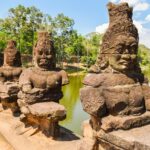
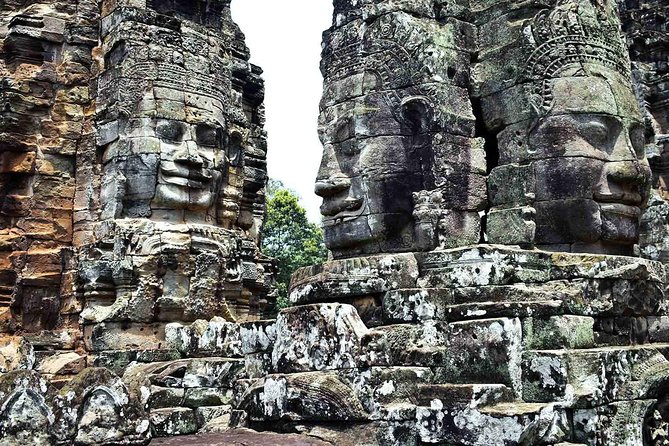
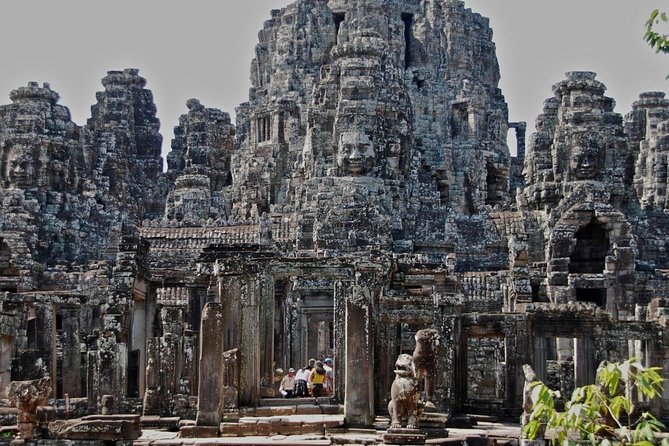
Your day kicks off with a visit to the south gate of Angkor Thom, then into Bayon Temple. Bayon is the famous one with face towers—54 towers, and 216 faces of Avalokesvara. Even if you’ve seen photos before, those proportions can hit differently when you’re actually standing in the complex.
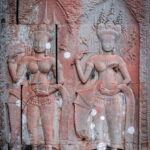
What I like about starting here: Bayon helps you “read” the rest of Angkor. The carvings and layout make more sense once you’ve seen how Angkor Thom’s design and Bayon’s face towers fit together. A private guide is useful because they can explain what you’re looking at without you guessing.
One practical consideration: Bayon can be visually intense. There’s a lot happening on stone, and it’s easy to rush. Use the time to slow down. Look at the faces, then step back and notice how the towers repeat across the space.
Admission tickets are not included, so you’ll want to have that sorted before you arrive. Your guide can help you plan the flow, but you still need to cover the entry fees on your own.
Ta Prohm: the tree-root temple that rewards patience
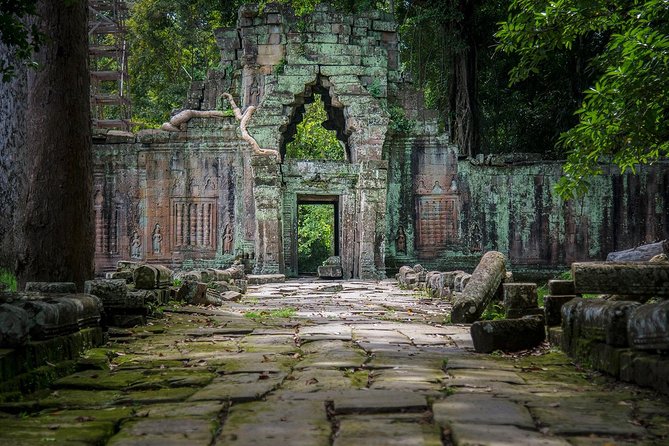
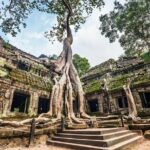
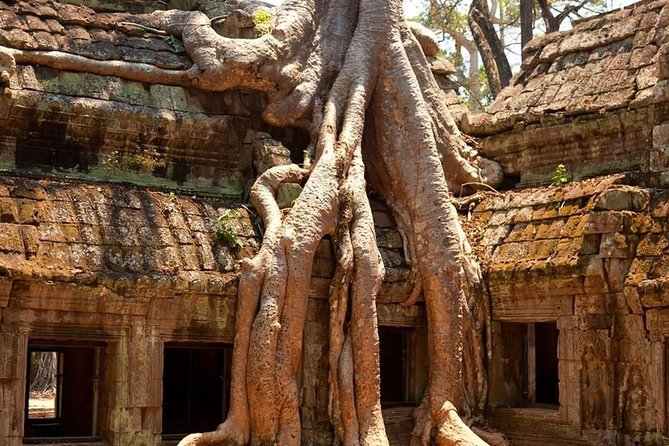
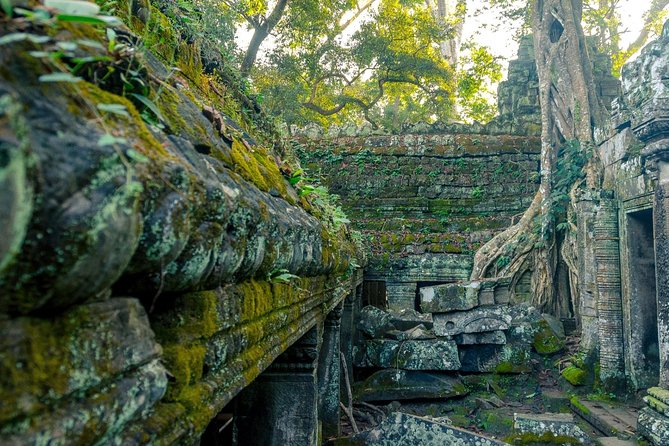
Next comes Ta Prohm, often called the jungle temple or tree temple because of the lush trees around the ruins. The standout feature here is how massive roots wrap around stone, making the ruins feel both ancient and alive.
This stop is scheduled for about 2 hours, which is exactly how long you need if you want more than a quick photo. Ta Prohm isn’t just a structure—it’s a scene. I’d spend time at multiple angles, because the view changes as you move. Up close, roots and carved details look different than they do from a distance.
The other reason this stop feels good in a private format: the guide can manage your timing so you spend less time wandering and more time seeing. The guide can also explain what the style and setting are communicating, which helps when you’re watching nature and architecture interact.
As with the other stops, admission fees aren’t included. Also, plan for the practical side of temple walking—uneven surfaces, lots of steps, and sun that doesn’t care about your sightseeing plan. The cold towel and water help, but you’ll still want a hat and comfortable shoes.
Banteay Kdei: the calmer, monastic stop
After Ta Prohm, you’ll head to Banteay Kdei. This one was built by King Jayavarman VII in the late 12th century, and it’s described as largely non-restored. That “unfinished” or less polished look is part of the charm. It feels more lived-in, less like an all-painted museum set.
You get about 1 hour here, and that’s a smart length. Banteay Kdei is a monastic complex, and it has a similar general vibe to Ta Prohm. But it doesn’t steal the entire day. It acts like a breather, shifting you from Ta Prohm’s dramatic tree roots to a temple complex that feels quieter and more contemplative.
If you like being surprised by variation within the same overall site, you’ll appreciate this stop. Angkor is not one single look; it’s a whole range of temple styles and states of restoration. Banteay Kdei helps you notice that spectrum instead of treating it like a single checklist item.
Again, entrance tickets aren’t included. But the hour-long slot is convenient because you don’t lose momentum. You still have time later for the main finale.
Angkor Wat at sunset: why the last stop matters most
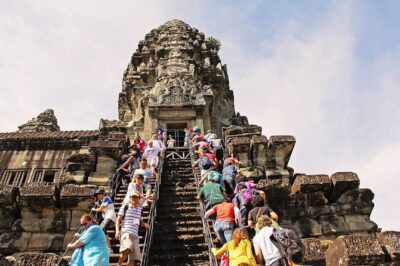
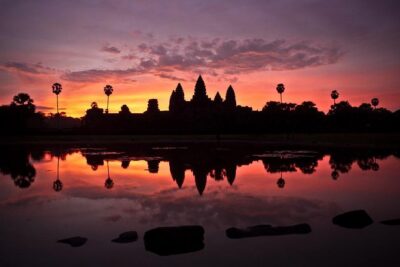
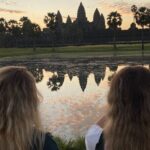
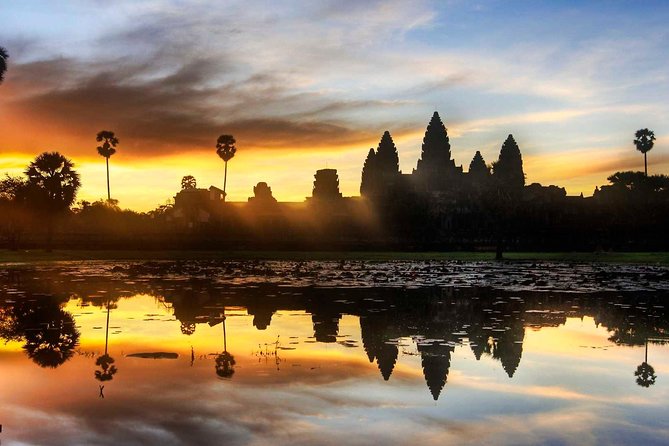
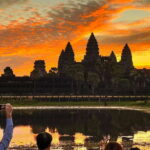
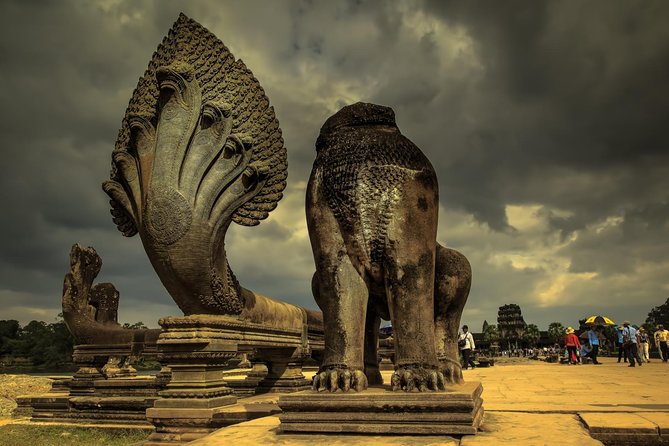
Finally, you visit Angkor Wat, and this is where the day’s pacing pays off. Angkor Wat is the world heritage site everyone comes for, and it’s one of the most important archaeological sites in Southeast Asia. You’ll spend about 3 hours here, with sunset watching as part of the plan.
I like how this tour builds in a long Angkor Wat block rather than a quick arrival-and-run. Sunset viewing takes time because you’re waiting for light to change, and then you’re staying to watch the temples glow as the sky shifts. With a private guide, you can also get help figuring out where to position yourself to enjoy the view without fighting the feeling of being herded.
You’re coming to Angkor Wat after seeing other Angkor temples first. That sequence helps: Bayon prepares you for the sculptural storytelling; Ta Prohm prepares you for the nature-meets-stone vibe; Banteay Kdei prepares you for mood and scale. Then Angkor Wat hits like a grand finale.
One more consideration: this is a long day. Even though you get cold water and a cold towel, you’ll be outdoors during heat and then again during the sunset period. Bring sun protection and keep water in mind. Your guide will help with timing, but you’ll still want to be comfortable.
How a private English guide changes the experience
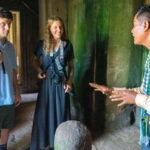
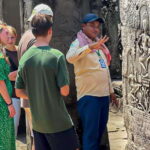
The big value of this tour is the guidance. The tour includes an English tour guide, and that makes a huge difference at Angkor, where it’s easy to get overwhelmed. When you have someone who can explain the temple history and what you’re looking at, you stop treating the ruins like a set of postcards.
Names I saw associated with excellent guiding included Se, K.K., and Noy. The common thread is that these guides are described as informative, welcoming, and flexible—so if your group wants to linger, they can often make it work. That flexibility is practical when you’re dealing with photography, stairs, shade, and the natural urge to stare at stone faces for longer than planned.
A private guide also helps you make sense of what’s different between the temples without you needing to memorize a script beforehand. You’ll understand why the stone carvings look the way they do, what parts of the complex matter most, and how to interpret the vibe of each stop.
And because you’re not sharing the day with a larger group, you can move at a pace that fits you. Some people want slow and thoughtful. Others want efficient and scenic. This format lets you do your kind of sightseeing.
Practical tips to make the day feel smooth
Here’s how you’ll get the most out of this Angkor Wat private day tour without stressing yourself out.
First, plan for extra spend on top of the $45. Entrance tickets are not included, and meals are not included. If you’re the type who likes to know your budget before you leave, set aside time in the morning for a quick check of how much you want to spend on food.
Second, use the comfort items wisely. The tour includes cold towel and cold water, so don’t treat it as a souvenir. Use them early and often, especially as the day warms up. That small reset helps you keep walking instead of slowing down from heat.
Third, bring the basics for temple walking: comfortable shoes, hat, and sun protection. Even though there’s an air-conditioned vehicle for transport between stops, your time is still spent on stone paths and steps. If you go in underprepared, your body—not the temples—will become the limiting factor.
Fourth, keep your phone charged. You get a mobile ticket feature, and you’ll want your phone ready for anything your guide needs you to show. Low battery at a ticket moment is an avoidable problem.
Lastly, if you’re visiting as part of a longer layover or tight itinerary, this tour format is a good match. You’re getting a full Angkor highlight set in one day, with a logical order and a scheduled finish for sunset at Angkor Wat.
Who should book this tour
This tour fits best if you want structure without losing personalization. It’s ideal for couples, small families with an adult accompanying children, and anyone who prefers a guided plan over figuring out temples and transport alone.
It’s also a good choice if you’re only in Siem Reap for a short window. The schedule hits major temple highlights and ends with the sunset moment that most people travel for.
If you’re a solo traveler who hates group logistics, the private format is a plus. If you’re a history buff who wants explanations (not just photos), the English guide makes the ruins much easier to understand.
On the other hand, if you’re the type who likes free-roaming at your own pace with zero extra planning, a private tour may feel a little structured. In that case, you might prefer flexible on-your-own temple time. But if you want a smooth day with a clear flow, this tour is built for that.
Should you book the Angkor Wat Private Day Tour?
I’d book it if your top priorities are sunset at Angkor Wat, meaningful time at Bayon and Ta Prohm, and a guide who helps you understand what you’re seeing. At $45 per person, you’re not just buying a car ride—you’re buying a guided temple route plus comfort extras like cold water and a cold towel.
Do the math first. Entrance tickets and meals are not included, so your total cost will be higher than $45. If you’re okay planning for that, you’ll likely feel you got your money’s worth.
And if your schedule is uncertain, this one offers free cancellation up to 24 hours in advance for a full refund. That gives you breathing room if your travel timing wobbles.
FAQ
What time does the tour start?
The tour start time is 9:30 am.
How long is the Angkor Wat private day tour?
It runs for about 8 hours.
Is pickup included?
Pickup is offered.
Are entrance tickets included in the price?
No. Entrance tickets fees are not included.
What’s included on the tour besides the guide?
You get an air-conditioned vehicle, an English tour guide, cold towel, and cold water.
Is this a private tour?
Yes. It’s a private tour, and only your group will participate.