Angkor ruins, but planned with common sense. This 2-day private route lines up Angkor Wat, Ta Prohm, and Bayon on Day 1, then swings to Koh Ker and Beng Mealea on Day 2—so you don’t have to figure out motorcycles or taxis. Two things I really like: the transport is handled the whole way, and you get cold drinking water plus a guide who can answer your questions on the spot. One heads-up: you’ll need extra cash for the Temple Pass, since it’s not included.
You also get that sweet spot of structure and freedom: a guide keeps the day moving, but you can still go at your own pace at each complex. The meeting point in Siem Reap is designed to be easy to find, and the tour is private, meaning it’s only your group. The only real drawback I see is that the pass fees add up fast if you don’t budget them before you arrive.
Private tour with an organized route (no motorcycle hunting).
A guide with in-depth explanations at each major stop.
Cold drinking water included, which matters in the heat.
Day 2 focuses on quieter ruins: Koh Ker and Beng Mealea.
Temple Pass is separate—bring extra cash.
Dress code is required: shoulders and knees covered.
In This Review
- How the Tour Logistics Keep Your Day From Falling Apart
- Price and What You Really Pay: Tour Cost vs Temple Pass
- Day 1 at Angkor Wat: The Main Event, Without the Guesswork
- Ta Prohm and Bayon: Watch Symbolism and Structure in One Day
- Day 1 Pacing: Going at Your Own Tempo (With a Guide Keeping It Moving)
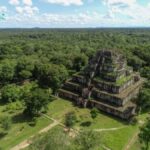
- Day 2 at Koh Ker: A 7-Tier Pyramid in Dense Jungle
- Beng Mealea: Ruins That Mirror Angkor Wat’s Design
- Guide Quality Matters: Explanations, Water, and the Private Setup
- What to Wear and Bring for Temple Days in Siem Reap
- Who This Tour Fits Best (and Who Might Want a Different Plan)
- Should You Book This 2-Day Angkor Wat, Koh Ker & Beng Mealea Tour?
- FAQ
- What’s included in the 2-day tour price?
- Are Temple Passes included?
- What sites are visited on Day 1?
- What sites are visited on Day 2?
- What’s the dress code?
- Is this tour private?
How the Tour Logistics Keep Your Day From Falling Apart
This tour is built for people who want Angkor without the constant planning. You’ll have suitable transport for your group size and a guide who sticks with you both days, which cuts out a lot of stress right away.
That matters because Angkor days can turn into a hop-scotch mess if transport falls through. Here, transport is organized the entire way, so your time goes to temples instead of negotiations.
You also get a private setup. It’s listed as a private tour/activity, so it’s only your group, not a crowded bus full of strangers.
Price and What You Really Pay: Tour Cost vs Temple Pass
The tour price is $147.44 per person for about two days (as listed). That includes a guide, cold water, and transport sized for your group—so you’re mostly paying for the time, routing, and expertise that would be annoying to coordinate on your own.
What’s not included is the part people forget to budget: the Temple Pass. Based on the listed fees, plan on:
- Angkor Wat day pass: $37 per person
- Koh Ker: $10 per person
- Beng Mealea: $5 per person
If you’re visiting all the listed sites on this tour, that’s about $52 more per person in entry fees. On top of that, you’ll still want to cover your food and drinks.
One practical tip: the tour specifically flags bringing extra cash for the Temple Pass. That’s worth listening to. If you show up without what you need, you’ll lose time while you sort it out.
You can also read our reviews of more tours and experiences in Siem Reap


Day 1 at Angkor Wat: The Main Event, Without the Guesswork
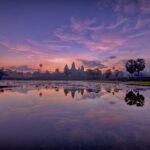
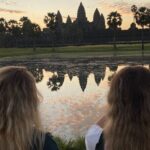
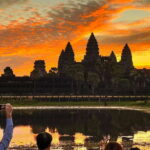
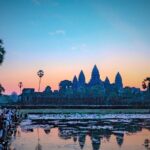
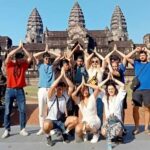
Day 1 is where most people start dreaming. You’ll begin with Angkor Wat, the reason many visitors come to Siem Reap in the first place. It attracts over 2 million visitors per year and is described as the largest temple built during the Khmer empire—so even if you’re not an architecture nerd, you’re still walking into scale.
The biggest value of having this as Day 1 is pacing and flow. You’re not choosing between sites or wondering what makes sense first—you’re going straight through the classics in an order that keeps the day coherent.
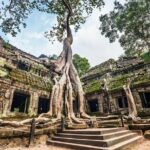
After Angkor Wat, you move to Ta Prohm, also known as the Tomb Raider temple. This one’s famous because it was used as a set for the Tomb Raider movie starring Angelina Jolie, and the temple has been left to the elements with jungle growing through the structure. In plain terms: it’s cinematic, and it’s also a reminder that ruin sites don’t just sit still—they interact with the world around them.
Ta Prohm and Bayon: Watch Symbolism and Structure in One Day
Ta Prohm is about the visual story: roots, stone, and the sense that nature has moved back in. It’s a temple you’ll likely photograph a lot, so I like that this tour builds it in the middle of the day rather than dumping it at the end when you’re tired.
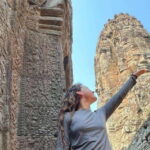
Then you go to Bayon, which sits right in the middle of Angkor Thom, the ancient walled city that was the heart of the Khmer empire for many centuries. Bayon is known for the famous faces adorning the towers—said to represent the king or the gods looking down on the people.
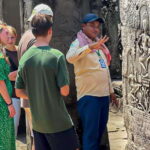
This is where the guided part can add real value. With a guide who can answer questions, you can spend less time guessing and more time noticing details—like how the face motifs are used across the site.
Day 1 Pacing: Going at Your Own Tempo (With a Guide Keeping It Moving)
The tour promises you can go at your own pace, and that’s not a throwaway line. When you’re walking through major temple complexes, people need different speeds: some want photos, some want quieter corners, and some just want time to catch their breath.
Having a guide helps you adjust without losing the thread. You can pause, slow down, and still be confident you’ll reach the next stop.
A small but important inclusion: the guide provides cold drinking water. That sounds simple, but on a hot temple day it can be the difference between power-walking and actually enjoying what you’re seeing.
Day 2 at Koh Ker: A 7-Tier Pyramid in Dense Jungle
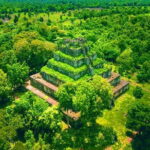
Day 2 shifts gears on purpose. You’ll head to Koh Ker, described as an amazing 7-tiered pyramid-styled temple. Unlike other Khmer temples in the usual Angkor orbit, it’s noted as looking different enough that some experts speculate about outside-the-box explanations—so even if you’re not chasing theory, you’re looking at a shape that feels unusual in context.
The real reason to care about Koh Ker isn’t just the pyramid. It’s the setting. The tour notes it’s located in dense jungle, and because of that you typically won’t find thousands of tourists here. That usually means a more relaxed pace and more room to actually see the temple’s geometry without constant photo-bumping.
You’ll spend a few hours exploring the pyramid and the surrounding area. I like that timeframe because it gives you enough time to walk the key zones without rushing.
Beng Mealea: Ruins That Mirror Angkor Wat’s Design
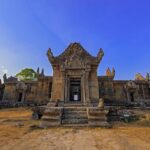
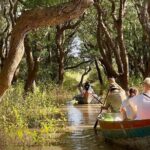
After Koh Ker, you’ll visit Beng Mealea, a large temple with dramatic ruins. The tour explains it was once connected to the main temples of Angkor via an ancient highway linking to Preah Khan—which gives this stop a useful sense of “where it fit” rather than feeling like a random detour.
Beng Mealea is also described as being designed to look exactly the same as Angkor Wat. In practice, that means you can compare scale, layout, and vibe between the famous site and this more broken, wandering version.
One more thing that helps: Beng Mealea is typically dwarfed by Angkor Wat in worldwide fame, but it still delivers a lot visually. If you’ve already seen the headline temples, this gives your second day a different kind of payoff—less postcard, more atmosphere.
Guide Quality Matters: Explanations, Water, and the Private Setup
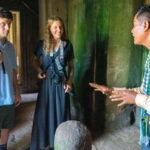
A tour like this lives or dies by its guide. Here, the tour includes a guide on both days, and one review highlights that the guide gave in-depth explanations at each site with a real intellectual curiosity about the unknowns of the past. That’s exactly what you want if you’re the type who likes to understand what you’re seeing instead of just collecting pictures.
There was also mention of a late start due to a missed communication involving Sam. That kind of hiccup happens sometimes in travel, and what matters is how it’s handled afterward. In that case, the two days still turned out amazing, and the guide’s enthusiasm clearly did a lot to keep momentum.
Even the smaller inclusion—cold water—signals a tour operator that thinks about comfort, not just checklists.
What to Wear and Bring for Temple Days in Siem Reap
This tour has a clear dress rule: cover your shoulders and knees to enter the temples. You don’t want to be stuck improvising at the gate.
For “bring” items, the big one is practical: you’ll need extra cash for your Temple Pass. The tour also offers a mobile ticket, but that doesn’t replace entry fees on-site.
If you’re sensitive to sun and heat, plan around the fact that you’ll be outside for multiple temple stops. Light layers that still meet the dress code can help you stay comfortable without breaking rules.
Who This Tour Fits Best (and Who Might Want a Different Plan)
This tour fits best if you want:
- Two full days of major temples without doing the logistics yourself
- A guide to help you make sense of what you’re seeing, especially with Bayon’s faces and Koh Ker’s unusual structure
- A Day 2 that focuses on quieter sites like Koh Ker, where you won’t get the same dense crowd energy as the headline complex
It may not be ideal if you’re trying to travel super-budget style and want to skip entry fees and guide costs. Temple Pass fees are significant here, and food/drinks aren’t included.
It can also be less perfect if you don’t care about explanations and just want to wander solo. Since it’s private and guided, you’re paying for that structure—so make sure you’ll actually use it.
Should You Book This 2-Day Angkor Wat, Koh Ker & Beng Mealea Tour?
I’d book it if your top priority is hassle-free transport plus a guide, and you want the full classic Angkor day (Angkor Wat, Ta Prohm, Bayon) followed by two standout stops that lean more quiet and rugged (Koh Ker and Beng Mealea).
Book it with one condition: budget for the Temple Pass and bring the extra cash the tour calls for. If you handle that part ahead of time, this is a clean, sensible way to see a lot of Cambodia’s most important temple areas in a short window—without the headache of figuring out how to connect everything yourself.
FAQ
What’s included in the 2-day tour price?
The tour includes a tour guide, cold drinking water, and suitable transport for group size. It does not include food and drinks, accommodation, or Temple Pass fees.
Are Temple Passes included?
No. The Temple Pass is not included. The listed costs are: 1-day $37 per person, Koh Ker $10 per person, and Beng Mealea $5 per person.
What sites are visited on Day 1?
Day 1 includes Angkor Wat, Ta Prohm, and Bayon (in Angkor Thom).
What sites are visited on Day 2?
Day 2 includes Koh Ker and Beng Mealea.
What’s the dress code?
You must cover your shoulders and knees to enter the temples.
Is this tour private?
Yes. It’s described as a private tour/activity, meaning only your group participates.