REVIEW · SIEM REAP
Small-Group Full Day Angkor wat Guide tour with Sun set
Book on GetYourGuide →Operated by Angkor Wat Share Tours · Bookable on GetYourGuide
Angkor hits different when someone helps you read the stone. This full-day small-group route is paced for real looking, with stops across Angkor Wat, Ta Prohm, Angkor Thom, and a sunset finish. I especially like the hands-on guidance from folks such as Vone, Kosal, and Mr John, plus the practical comfort touches like cold water and a wet towel in the heat.
You’ll get two things that make the day worth it: a dedicated guide who can explain Khmer religion and architecture while keeping you on schedule, and a sunset plan at Phnom Bakheng that gives the temples a second mood. One consideration: the price is low, but the temple pass is extra (and meals aren’t included), so plan your budget before you go.
In This Review
- Key things that make this tour a strong pick
- A full day that starts with Angkor Wat and ends with sunset
- Pickup, A/C comfort, and what keeps the day manageable
- Quick packing checklist (based on what’s explicitly recommended)
- Angkor Wat: the carvings make more sense when you can decode them
- What to watch for while you’re there
- A practical caution
- Ta Prohm’s root-lined path: the temple that feels half-forgotten
- How this stop can go two ways
- Angkor Thom and the southern gate crowd control trick
- Bayon: why the guide’s timing matters
- Ta Keo: the unfinished pyramid that still demands attention
- What to do if you’re short on patience
- Banteay Kdei: where lunch breaks the day without killing it
- Phnom Bakheng sunset: the last light that makes stone feel alive
- A practical reality
- Guide quality is the difference between seeing and understanding
- Heat + pacing: why this matters
- Price and tickets: where the real math is
- How I’d budget before booking
- Who should book this Angkor full day with sunset
- Dress code and rules that affect your comfort
- Should you book this tour?
- FAQ
- How long is the tour?
- Where does pickup happen?
- What is included in the price?
- Do I need to buy tickets for Angkor?
- Are meals included?
- What should I bring?
- What is the dress code?
- Is this a small-group experience?
- Can I cancel for a refund?
- Is it suitable for young children?
Key things that make this tour a strong pick
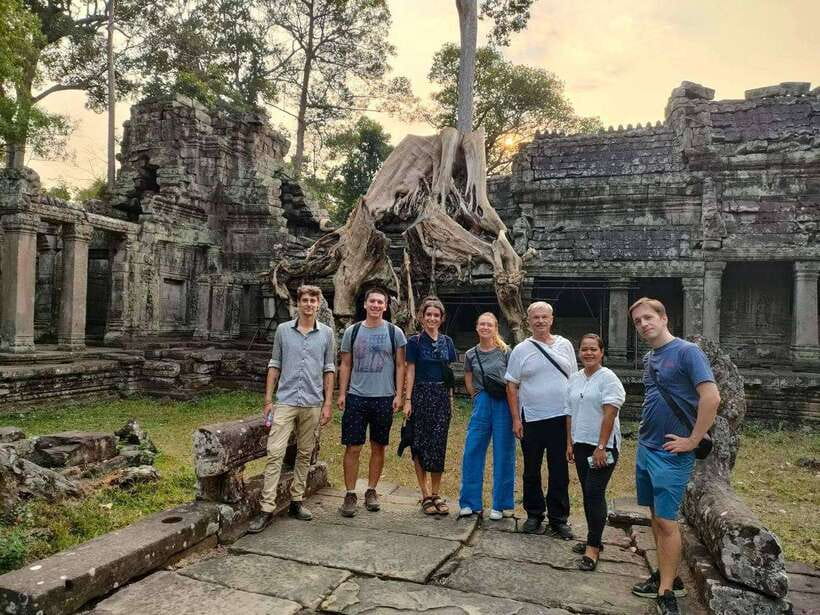
- English-speaking guide stories (people like Vone, Kosal, and Coco are repeatedly praised for humor and clear answers)
- All the “must-see” core sites packed into one day: Angkor Wat, Angkor Thom, Bayon, Ta Prohm, Ta Keo, plus Phnom Bakheng
- Ta Prohm’s jungle ruin feel, including that famous walk under roots and branches
- Sunset at Phnom Bakheng, a great way to avoid burning all day in peak mid-morning sun
- Heat-smart comfort, including cold water and a wet towel during temple hopping
A full day that starts with Angkor Wat and ends with sunset
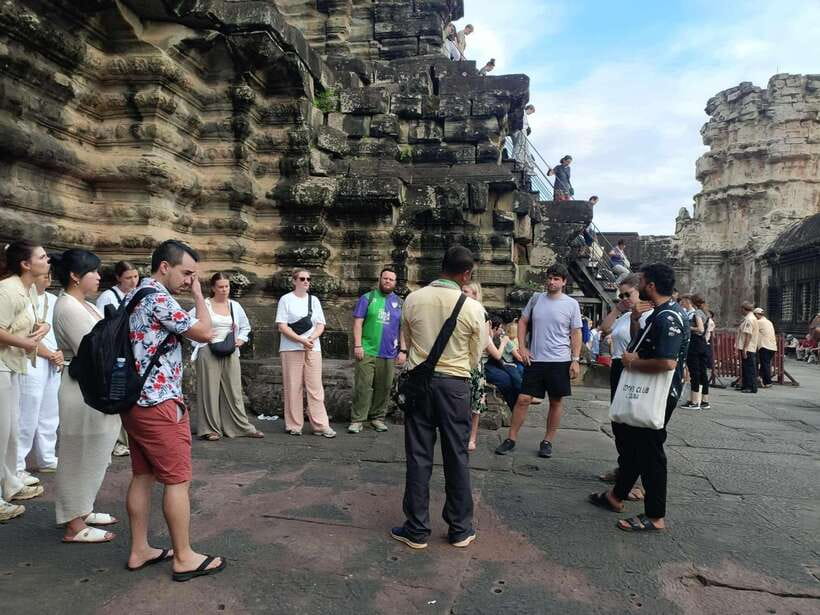
This is the kind of Angkor day you should do if you want the highlights without spending your whole trip juggling transport and ticket logistics. You’re looking at a long stretch—about 8 to 10 hours—but the route is built to keep momentum while still giving you time to actually notice details.
The flow matters. A lot of people rush Angkor and remember only silhouettes. With a guide and a structured day, you get the context fast, then you can slow down at the right moments (especially at Angkor Wat carvings and Bayon’s faces).
You can also read our reviews of more guided tours in Siem Reap
Pickup, A/C comfort, and what keeps the day manageable
You’ll be picked up from Krong Siem Reap, and you should be ready about 30 minutes before the scheduled start. Expect a ride in an air-conditioned mini van or coach with cool water and a wet towel, which is not a small deal in Siem Reap heat.
Between temple stops, the driving time is relatively short—think 25 to 45 minutes between main areas—so you’re not trapped on the bus for hours. That said, you’ll still do plenty of walking, mostly on uneven stone and temple paths, so comfortable shoes are a must.
Quick packing checklist (based on what’s explicitly recommended)
- sunglasses, sunscreen, and a sun hat
- insect repellent
- a camera (you will want it)
- light layers that match the dress code (covered shoulders and knees)
Angkor Wat: the carvings make more sense when you can decode them
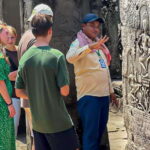
Angkor Wat is the big show, and your guide’s job is to help you read it. You’ll start inside the complex and get a guided look that includes crossing the moat area and passing through the outer wall before moving through the galleries.
Here’s what I like about doing Angkor Wat with a guide: it’s easy to get lost in the scale. With explanations, you can understand what you’re seeing—especially the bas-reliefs. The stories on the stone aren’t random decoration. They connect to the Khmer world of gods, kings, and epic myth.
What to watch for while you’re there
- The way the carvings are laid out in narrative panels (so you don’t just admire them—you follow the “plot”)
- The mix of Hindu and Buddhist heritage across the site, which changes how you should interpret symbols
- The big views from the galleries, where you can step back and reset your eyes
You can also read our reviews of more tours and experiences in Siem Reap

A practical caution
Angkor Wat is massive. Even with a guide keeping time, you may want a few extra minutes at your favorite bas-reliefs. If you’re the type who always wants the perfect photo angle, tell your guide early so they can help you manage photo time without falling behind the schedule.
Ta Prohm’s root-lined path: the temple that feels half-forgotten
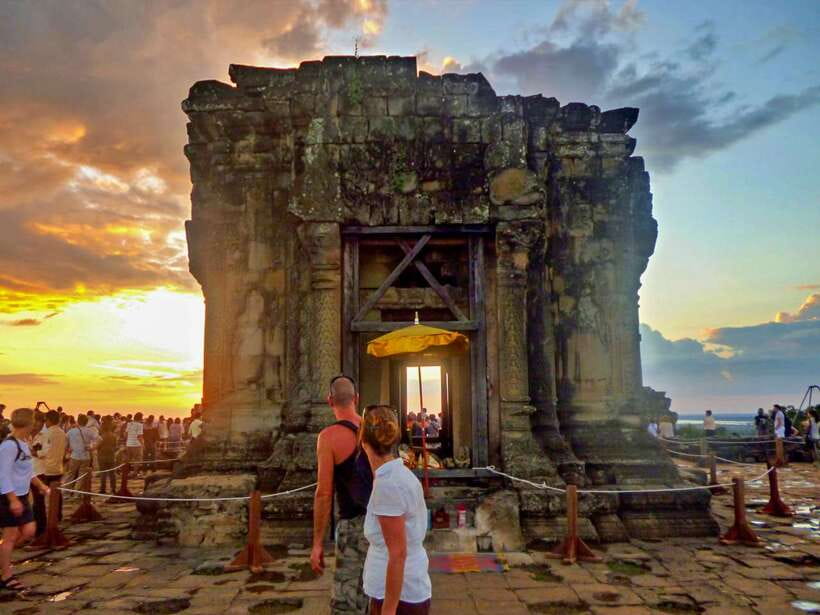
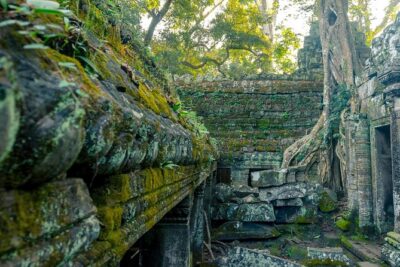
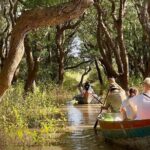
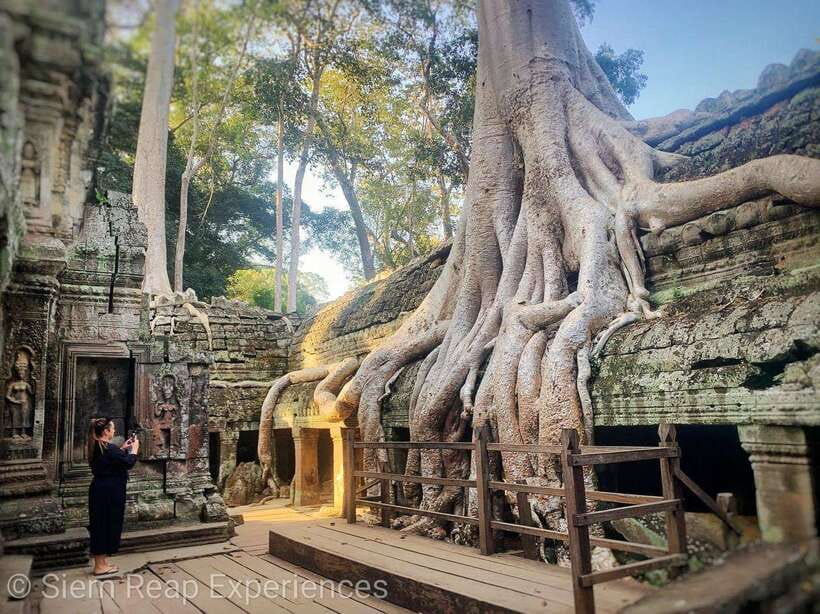
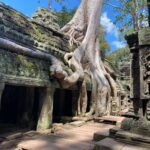
Next comes Ta Prohm, and this is where Angkor turns wild. You’ll get a guided visit with time to see the jungle-lined walk that leads you into a ruin shaped by nature—especially the famous intertwined roots and branches.
Ta Prohm is special because it reads like a conversation between human ambition and the long patience of the forest. With a guide, you’ll get more than the postcard view; you’ll also learn what made the Khmer architects build the way they did, and why this site became so iconic.
How this stop can go two ways
- If you love atmosphere, you’ll probably want to linger at the big root structures and the temple corners where light hits stone.
- If you’re more into clean symmetry, Ta Prohm might feel chaotic compared to the crisp geometry of Angkor Wat.
Either way, the guide helps you decide where to stand and where to move so you can catch the best angles without spending your whole time stuck in the wrong spot.
Angkor Thom and the southern gate crowd control trick
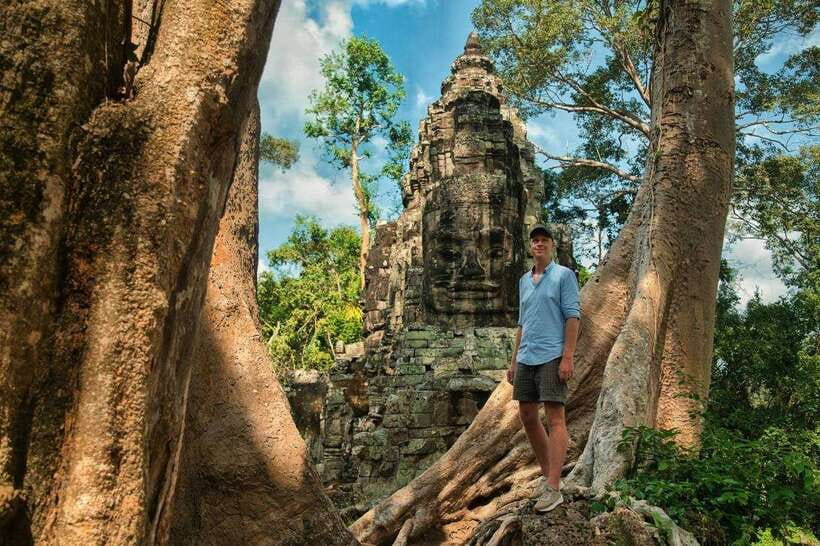
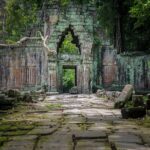
Angkor Thom is the grand capital of the Khmer Empire, and your route approaches it through the southern gates. This entry isn’t subtle: stone figures—gods and demons—line the causeway, and they make a strong first impression.
Then you move toward Bayon Temple, famous for those serene stone faces looking out from the central towers. The practical magic here is that you’re guided to the right viewpoints in a sensible order, instead of wandering until you find the faces you wanted.
Bayon: why the guide’s timing matters
At Bayon, crowds and angles can mess with your experience. When your guide sequences the visit well, you get face views and upper-terrace perspectives without feeling like you’re constantly ducking people.
A lot of guides in this region are also good at helping you understand what the face imagery is doing in the temple’s symbolism. You’ll also get more confidence identifying features as you move, because you’re not guessing what matters.
Ta Keo: the unfinished pyramid that still demands attention
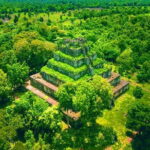
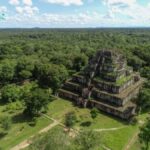
Ta Keo is a different kind of temple. It’s a towering pyramid structure, and the big story is that it was left unfinished—but it still commands the skyline.
You’ll get a guided walk and some time exploring on-site. The fun part is that there are connection points and hidden-feeling routes people associate with other nearby temples, so the visit can feel a bit like solving a puzzle while you follow Khmer stonework and layout choices.
What to do if you’re short on patience
If climbing and long walks aren’t your thing, don’t force it. Focus on the main massing and the approaches from lower levels, then let the guide direct you to the most rewarding views. It’s still a strong stop even if you keep your pace steady.
Banteay Kdei: where lunch breaks the day without killing it
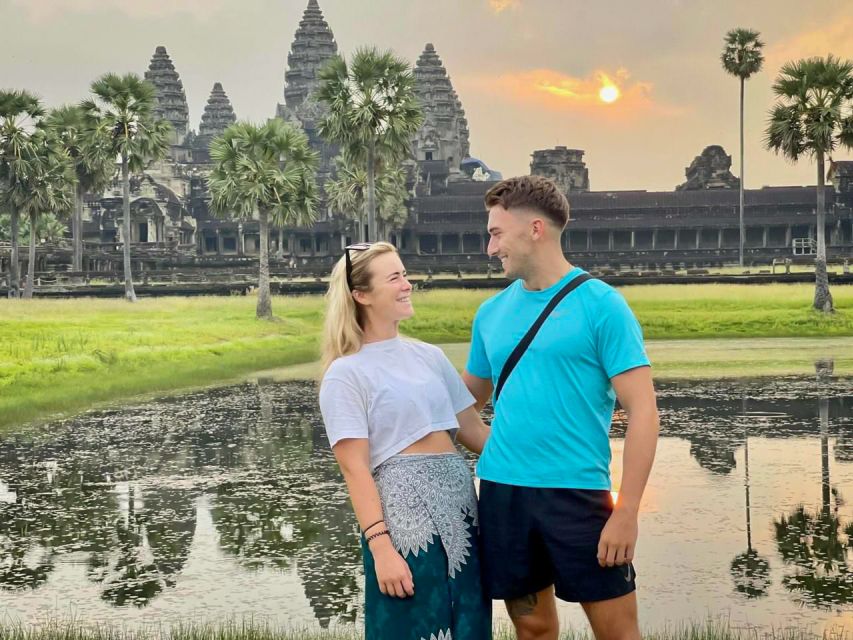
Between the main temple blocks, you’ll have a break with lunch time around Banteay Kdei. This gives you a pause before the afternoon push toward Bayon and the sunset finish.
The nice part is that the lunch break isn’t just a random stop. You’re still in the Angkor zone, so you stay in “temple mode” instead of fully resetting your day back to transportation-only boredom.
Phnom Bakheng sunset: the last light that makes stone feel alive
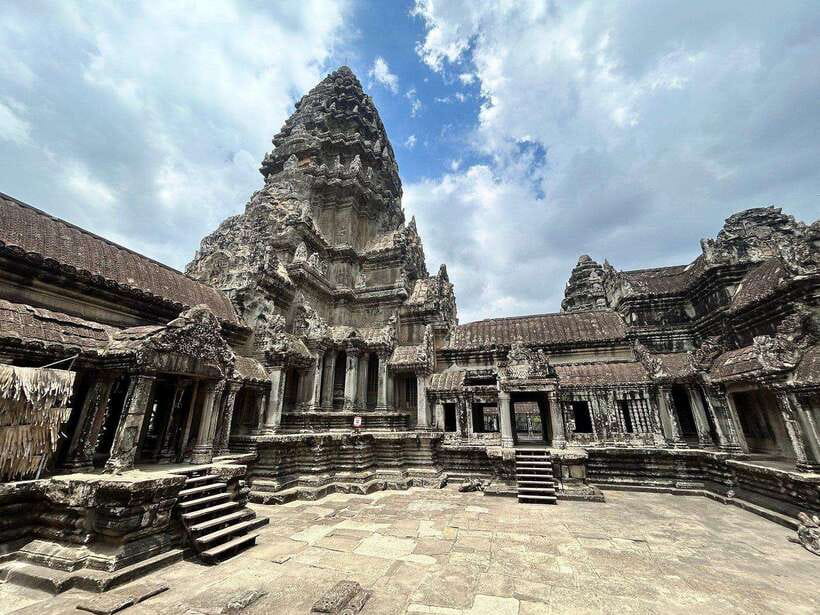
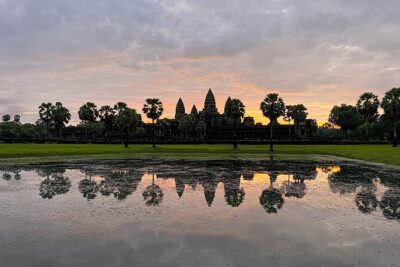
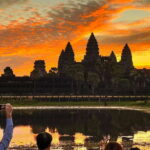
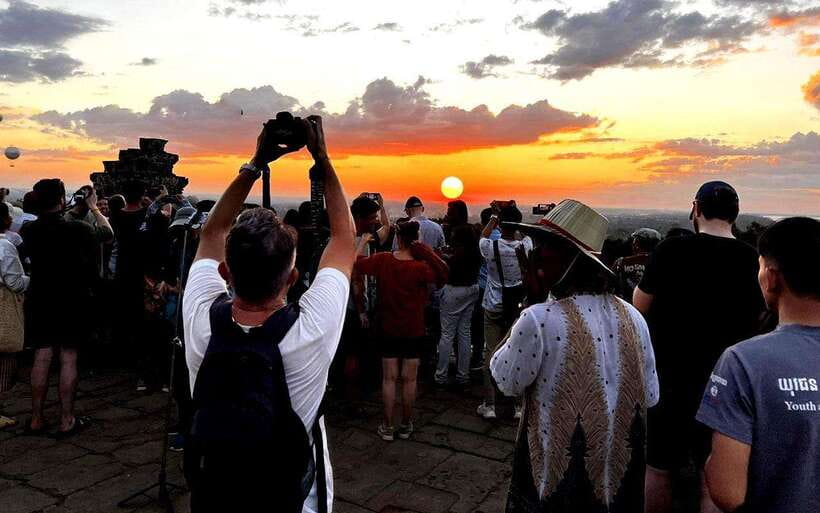
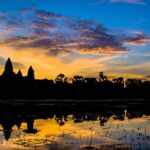
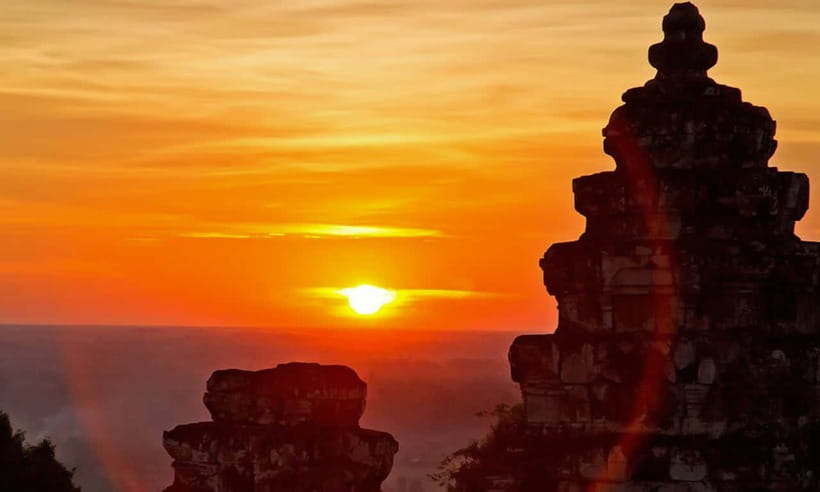
The day ends at Phnom Bakheng hill for sunset viewing. This is a smart way to time the experience: you save the dramatic sky moment for the end, after your eyes have learned the temple forms.
Your guide will bring you in for a guided look and sightseeing before you watch the sunset over the Angkor area. After that, you’ll finish with drop-off back in Krong Siem Reap or to your required city stop.
A practical reality
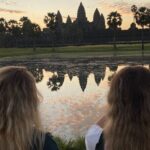
Sunset at Angkor is popular. Even if your route helps you avoid the worst rush, start thinking about your comfort early—water, shade breaks when offered, and a plan for where you’ll stand when the light hits.
If you’re serious about photos, bring your camera settings ready and be flexible about position. Guides who are good at photo tips—people like Sam Vone and Coco are repeatedly praised for this kind of help—can save you time during those last crucial minutes.
Guide quality is the difference between seeing and understanding
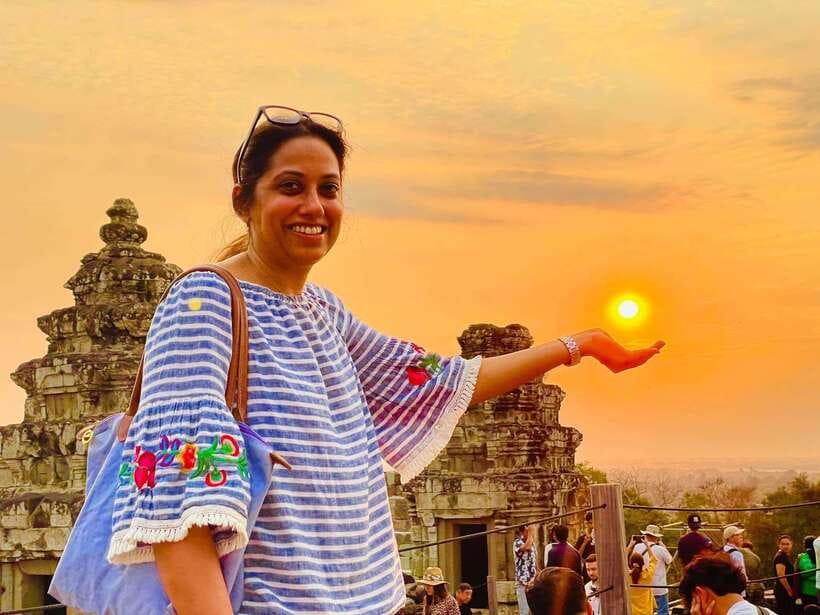
This tour’s standout strength is the human one. Names that come up again and again in strong feedback include Vone, Kosal, Coco, Nick, Mr John, Rith, Sayong, and Heang. Across that range, the themes are consistent: clear explanations of religious meaning and architecture, patience for questions, and a sense of humor that keeps a long day from turning into a slog.
One of the best parts for first-time Angkor visitors is how the guide helps you ask better questions in real time. You’re not just looking at walls. You’re learning how to interpret towers, galleries, myth scenes, and the logic behind the layout.
Heat + pacing: why this matters
Angkor can be physically brutal, even in “dry” seasons. In multiple experiences of this style, guides are praised for keeping water flowing and adjusting pace so you don’t burn out before sunset.
That pacing can also protect your photos. One recurring complaint from people who toured without ideal timing is feeling too rushed to capture what they want. A well-managed guide helps reduce that trade-off between getting it done and getting it right.
Price and tickets: where the real math is
The headline price is $14 per person, which is excellent for what you’re getting: hotel pickup and drop-off, an English-speaking guide, air-conditioned transport, cool water/wet towel, and core coverage of major Angkor sites.
The catch is simple and important: temple tickets are not included. You’ll need an Angkor Pass, listed as $37 for a 1-day pass, and you pay it on the day of your activity. Meals aren’t included either, so lunch is on you.
How I’d budget before booking
- Tour price: $14
- Angkor Pass: $37 (per person)
- Lunch and any snacks/drinks: varies
Even with that add-on, this can still be good value because you’re buying time-savings plus guided context. If you tried to stitch together multiple temples alone, you’d likely spend more on transport, pay full attention to ticket rules, and still risk getting lost in what matters.
Who should book this Angkor full day with sunset
You should strongly consider it if:
- you want the major Angkor highlights in one day
- it’s your first time in Angkor and you want stories tied to what you see
- you value English guidance and don’t want to rely on guidebooks alone
- you like the idea of ending with sunset at Phnom Bakheng rather than a midday finish
You might want a different option if:
- you hate long walking on uneven surfaces
- you’re traveling with very small kids; this experience isn’t suitable for babies under 1 year
- your group needs lots of flexibility to linger long at each stop (this day is structured, even if your guide tries to accommodate)
Dress code and rules that affect your comfort
Cambodia temple etiquette is straightforward here: your shoulders and knees must be covered. Comfortable walking shoes matter more than fashion because temple floors can be slippery or rough.
Also note the basic rules: non-folding wheelchairs aren’t allowed, and alcohol and drugs are not permitted. You’re also explicitly told to use insect spray, plus sunscreen and sun protection.
Should you book this tour?
Yes, if you want a first-rate “Angkor greatest hits” day with enough guidance to understand what you’re looking at. The $14 price is a big plus, and the extra $37 pass is the trade-off you should plan for up front.
If you can handle a full day of heat, walking, and photos, this is the kind of tour that helps Angkor click. I’d book it now if you’re the type who wants your time to feel efficient, not frantic, and you enjoy learning why the stone was built the way it was.
FAQ
How long is the tour?
The duration is listed as 8 to 10 hours.
Where does pickup happen?
Pickup and drop-off are included from Krong Siem Reap.
What is included in the price?
Included are hotel pick-up and drop-off, an English-speaking guide, air-conditioned mini van/coach, cool water and a wet towel, and guided visits covering the main temple stops.
Do I need to buy tickets for Angkor?
Yes. Temple pass is not included. The Angkor Pass cost listed is $37 for a 1-day pass, paid on the day of your activity.
Are meals included?
No. Meals are not included, and lunch is a break where you’ll pay from your own expense.
What should I bring?
Bring sunglasses, a camera, insect repellent, sunscreen, and a sun hat. Comfortable walking shoes are strongly recommended too.
What is the dress code?
Your outfit must cover your shoulders and knees.
Is this a small-group experience?
It’s described as a small-group tour, with private group available as an option.
Can I cancel for a refund?
Yes. Free cancellation is offered if you cancel up to 24 hours in advance for a full refund.
Is it suitable for young children?
It’s not suitable for babies under 1 year.