REVIEW · SIEM REAP
Siem Reap: Prek Toal Tonle Sap Biosphere Reserve Tour
Book on GetYourGuide →Operated by Khmerdetours · Bookable on GetYourGuide
Rare birds start before sunrise. This is a Prek Toal day trip where you cruise out on the Tonlé Sap and spend the morning and early afternoon in one of Southeast Asia’s key breeding grounds for endangered waterbirds. I love the licensed English-speaking bird guides who help you sort what you’re seeing, and I love the chance to spot headline species like the Grey-Headed Fish Eagle. One drawback to plan for: your exact bird sightings can shift with season and water levels, so nobody can promise every species on the list.
You also get more than birds. The route runs through floating villages, stilted homes, and everyday life on the lake, so you’re not just sitting and scanning trees for hours.
Still, it’s a long day (about nine hours) with a lot of time on boats and outdoors. Dress for sun and rain, and accept that you’ll be moving at a slow, lake pace.
In This Review
- Key things I’d zero in on before you go
- Why Prek Toal is a birdwatching magnet on Tonlé Sap
- Getting there: 6:00am pickup, port transfer, and the Mini Tara start
- The calm cultural stops: lotus flowers and stilted houses by changing water
- The floating village cruise: everyday life across the Great Lake
- Fish farms and crocodile views: how the “wildlife” part expands
- Inside the Tonlé Sap Bird Sanctuary at Prek Toal
- Lunch on the water: floating restaurant, drinks, and the afternoon reset
- Price and what $219 buys you in real terms
- Who this tour fits best (and who should think twice)
- Should you book the Siem Reap Prek Toal tour?
- FAQ
- What time is pickup in Siem Reap?
- How long is the tour from pickup to drop-off?
- How do you travel to the Prek Toal area?
- Are life jackets provided on the boats?
- Is the tour guided in English?
- What bird sanctuary access is included?
- Is lunch included, and are drinks included?
- Will you stop for photos during the morning drive?
- Do children need to be accompanied?
- What if I have dietary needs?
Key things I’d zero in on before you go
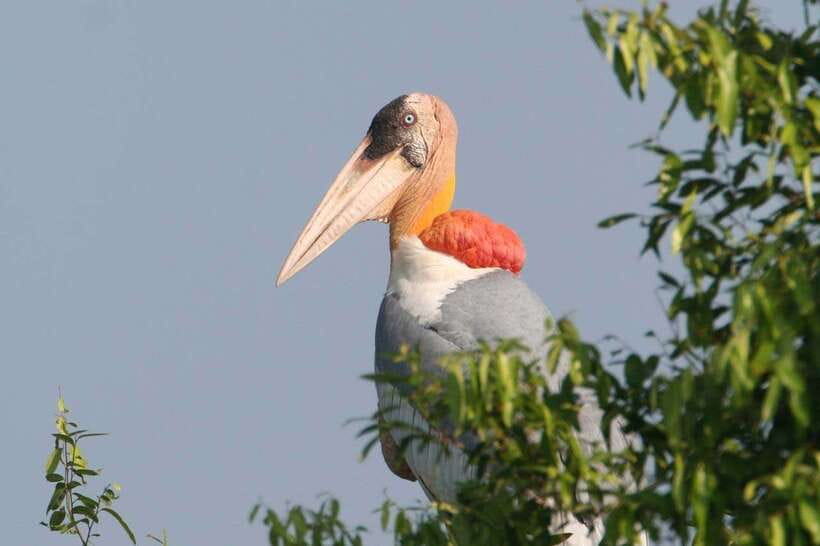
- Prek Toal is built for birdwatching: the area is known for endangered waterbirds and around 120 bird species.
- Dry season timing matters (Oct to May): migratory birds gather, and bird activity tends to increase as water recedes.
- Mini Tara boat ride is the core experience: smaller boats, life jackets, and local drivers.
- You get real time inside the Biosphere bird sanctuary: guided viewing at the Prek Toal reserve area with included entrance and boat hire.
- You’ll also see lake life up close: fishermen, boat-makers, markets, schools, spirit houses, and children waving along the floating route.
- Lunch plan can vary in practice: one passenger reported a mismatch between an advertised Tara Riverboat lunch and the actual meal setup, so it’s smart to confirm day-of details.
Why Prek Toal is a birdwatching magnet on Tonlé Sap
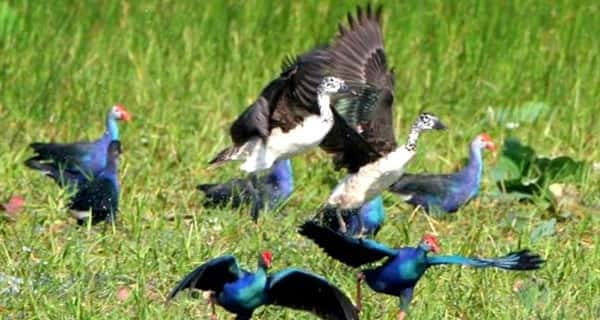
Prek Toal sits inside the Tonlé Sap Biosphere Reserve, and it’s famous for one reason: birds breed here. This isn’t just a scenic stop. It’s a site that matters for endangered waterbirds across Southeast Asia, which is why birdwatchers travel from far away to be in the right place at the right time.
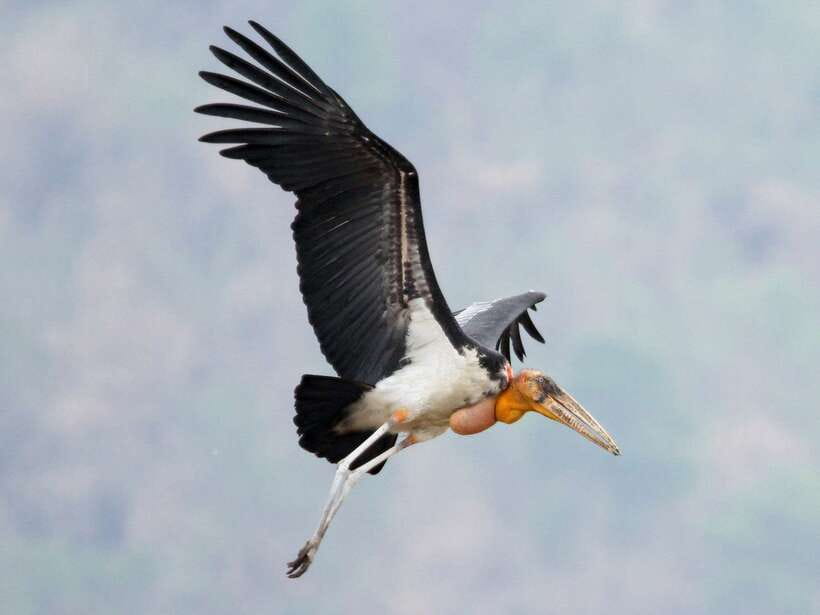
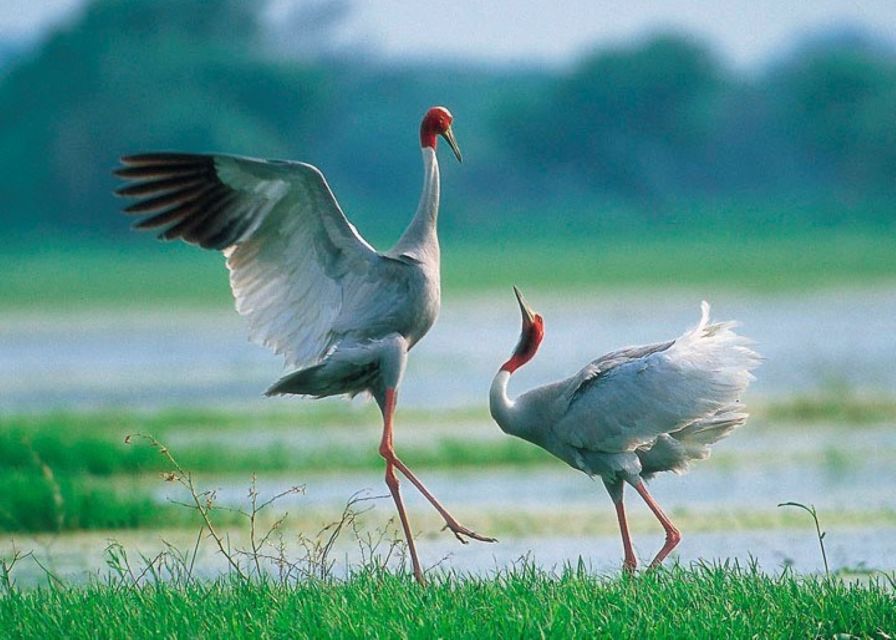
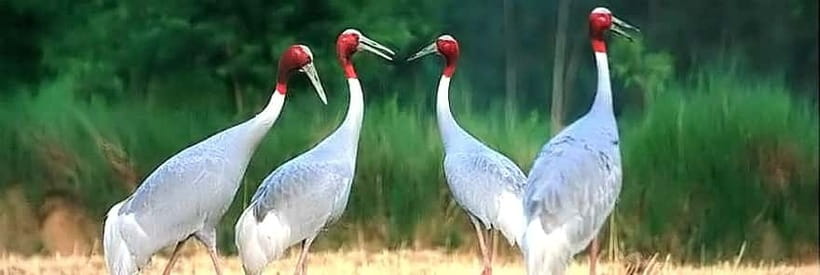
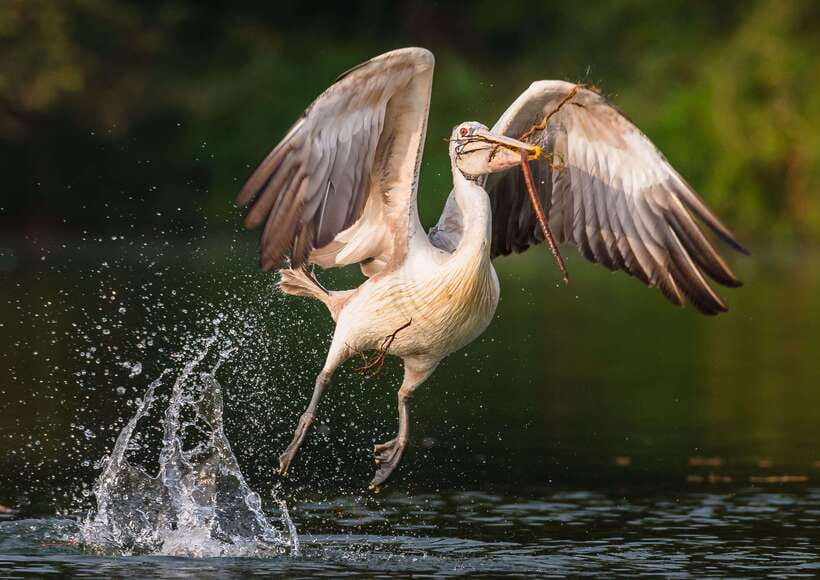
The tour’s bird focus is clear in the species list you’ll hear about. Expect names like Black-headed Ibis, Painted Stork, Spot-billed Pelican, Milky Stork, and Grey-Headed Fish Eagle, plus other rare waterbirds such as White Storks and Marabou Storks that people often spot in the wider lake habitats. The target is not just “pretty birds.” It’s learning why these birds rely on wetlands and flooded forests during key seasons.
Timing is the other half of the equation. The tour is best in the dry season from October to May. As water levels drop, migratory birds tend to congregate, and the number of birds can rise. But there’s a trade-off: some viewing areas become harder to access when the lake recedes. That’s why guides’ local knowledge matters so much here.
You can also read our reviews of more tours and experiences in Siem Reap.
Getting there: 6:00am pickup, port transfer, and the Mini Tara start
Your day starts early. Pick-up happens at 6:00am from your accommodation in Krong Siem Reap, using either an A/C vehicle or a tuk tuk. From there, it’s about 20 minutes to the port, which helps you reach the water while visibility is usually better and the day is still fresh.
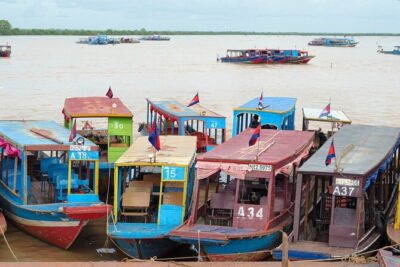
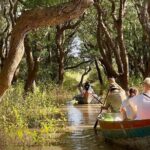
At the port, you switch to the Mini Tara boats. You’ll get life jackets, and the boats are driven by experienced local drivers. This matters because you’re not just sightseeing from a stationary spot—you’re traveling through floating areas and wetland edges where the route can be tight and slow. The smaller boat also means you’re closer to the sights and sounds of the floating communities.
You’ll have English-speaking, licensed bird guides on board and in the reserve areas. That’s a big deal for value. You’re paying for more than transportation; you’re paying for interpretation—help with bird ID, behavior, and why certain birds show up in certain conditions.
The calm cultural stops: lotus flowers and stilted houses by changing water

Before the main lake viewing, the route includes a couple of stops that make the whole day feel grounded in real Cambodian life, not just a wildlife checklist.
First, you pass rice paddies and lotus fields, with a photo stop focused on lotus flowers. Lotus is a major symbol in Buddhism, so it’s one of those simple “look closer” moments that adds meaning to what you’re seeing from the boat.
Then you reach the zone of stilted houses just before the lake, where you can see how water levels shape daily living. Nearby, there’s a floating school visible as part of the same living system. The practical takeaway: the lake isn’t background scenery here. It’s an active force that determines where people build, how they move, and how they run schools and markets around the wetland rhythm.
These stops also help you break the boat day into smaller chunks. You’re not stuck in a single long ride until birds show up. You get moments where the day has context.
The floating village cruise: everyday life across the Great Lake
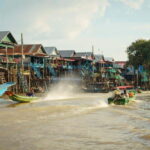
Once you’re out on the water route, the cruise becomes the human side of the story. On board, you’ll pass the floating village with sights that keep you from getting numb to the scenery.
You may notice:
- Fishermen working near the water edges
- Boat-makers doing maintenance and repairs
- Markets and small stalls tied to daily schedules
- Schools and people moving through routines
- Spirit houses and small religious spaces
- Children waving, which is exactly as friendly as it sounds
It’s also the kind of ride where the group often gets quiet, not because it’s boring, but because people start paying attention. When you’re going slowly and the life around you is so close, silence tends to happen naturally.
This part of the day is a useful contrast to the bird sanctuary later. Birds are the goal, but the floating village is the reminder that this ecosystem supports people, too. In practical terms, it also helps you see why conservation matters beyond nature posters.
Fish farms and crocodile views: how the “wildlife” part expands
Along the way, you’ll include a look connected to lake ecology and local fish-related industries. The tour includes a stop that covers crocodile and fish farms.
Here’s the value angle: when you’re learning about a wetland reserve, you want to understand what local livelihoods look like. Crocodiles and fish farming are part of that same wet-and-dry economic picture. Even if you’re primarily there for birds, this piece gives you better context for how the reserve fits into daily life and local resource use.
A practical caution: one passenger reported that the crocodile-farm portion didn’t happen as expected on their date. That doesn’t mean it never happens, but it’s worth taking seriously. If crocodile and fish farms are important to you, ask your provider when you arrive what the day’s stop order will be and where lunch will be served.
Inside the Tonlé Sap Bird Sanctuary at Prek Toal
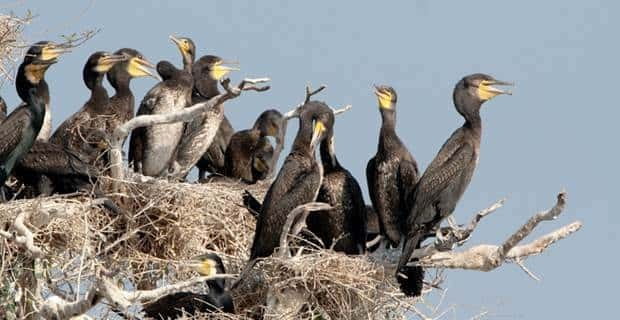
This is the main event. After the early cruise and village viewing, you head across the Great Lake toward the Biosphere Reserve area at Prek Toal.
The reserve access includes the components that birdwatchers care about:
- Entry into the bird sanctuary at Prek Toal
- Entrance fee included
- Boat hire included in the biosphere area
- Ranger and crew boats plus a smaller transfer by paddle boat
Once you’re in, you’ll get a guided tour of the bird sanctuary, with additional wildlife viewing time. Your schedule is long enough that you’re not forced into a rushed walk-and-guess routine. You can let the guides call out birds, watch patterns, and re-check the same areas when something changes.
What to expect from the birding itself:
- Many birds are water-dependent, so you’ll focus on wetland edges and sheltered areas.
- Guides will point out likely species and help you confirm what you’re seeing.
- You might hear a call from the guide and then watch for movement rather than scanning randomly.
Because the tour emphasizes endangered breeding grounds, you’re also being introduced to a conservation-style experience: not just “spot a bird,” but “understand why these birds are here.”
Still, manage expectations. One of the realities of birding is that sightings vary. Even in a top site, you might see fewer of the most famous names than you hoped, while other species show up unexpectedly. That’s not a tour failure—it’s wetland bird behavior plus seasonal timing.
Lunch on the water: floating restaurant, drinks, and the afternoon reset
After the reserve viewing, the tour pivots back toward the floating village for food and downtime.
You’ll head back early afternoon to a floating restaurant in the heart of the floating village, where lunch and drinks are served. The tour includes a free meal and two drinks (soft drink, beer, cocktails, or wine), which is a nice perk for a nine-hour day. It keeps the cost predictable and stops you from hunting for food after a long morning.
Then you return by boat toward the port. Around 2:15pm, you leave the riverboat and head back, with transport waiting to take you directly to your accommodation.
This timing is practical. You’re not stuck late into the night. It still feels like a full day because the lake experience takes time, but you get your Siem Reap time back in the afternoon.
Price and what $219 buys you in real terms
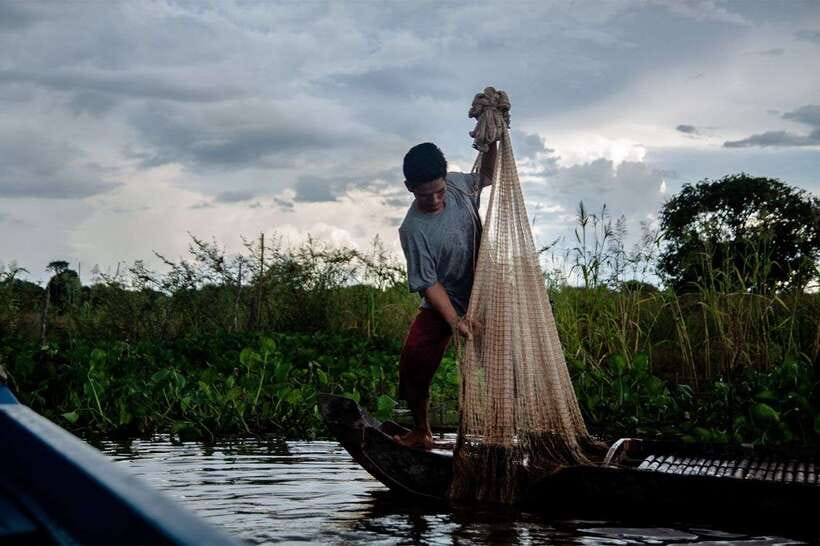
At $219 per person for a 9-hour outing, you’re paying for a bundle that’s hard to replicate on your own without coordination.
What’s included (and why that matters):
- Pick-up and return by A/C vehicle or tuk tuk
- English-speaking guides (with licensed bird guiding emphasis)
- Free meal plus 2 drinks
- Tours connected to the floating villages, the Great Lake route, and viewpoints during the day
- Entrance fees and boat hire tied to the Biosphere Reserve and bird sanctuary
- Checkpoint fees
Those reserve and boat components are the big value driver. If you tried to piece together a private plan, the costs usually creep up fast, especially once you add access, guides, and multiple boat segments.
Now, the balanced note: one passenger described problems with extra charges and a lunch/boat mismatch, plus not getting the crocodile-farm stop. That sounds like a day-specific issue, but the lesson for you is simple—confirm the total price and the lunch plan before paying and again at the start of your day. In a market with multiple operators and changing logistics, clarity prevents frustration.
Who this tour fits best (and who should think twice)
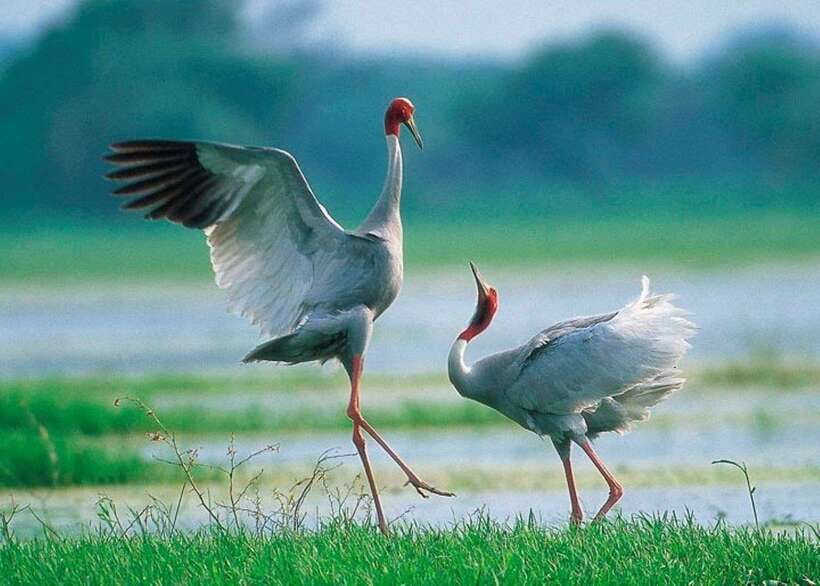
This is best for people who want a serious bird-focused wetland day, without losing the human side of the floating communities.
You’ll likely love it if:
- You’re an avid birdwatcher or you enjoy learning bird ID from a guide.
- You like morning starts and can handle a long seated day on boats.
- You want a day that mixes wildlife with real community life on the lake.
You might think twice if:
- You’re very sensitive to schedule changes or you’re counting on exact sightings of a specific headline species.
- You strongly prefer one specific dining setup on the water and will feel let down if it’s different than expected.
For families: it’s not designed for unaccompanied minors. Children must be accompanied by an adult. The tour also states that children 10 and under are half price and 5 and under are free, which can make it more budget-friendly for families who want a nature day.
Should you book the Siem Reap Prek Toal tour?
If your priority is endangered-waterbird viewing at Prek Toal, I’d book it with eyes open. The combination of licensed bird guides, included reserve access, and the long, unhurried time on the water gives you a real chance to see what makes this site famous.
Just do two simple things before you go:
- Confirm what boat setup your day uses for lunch (floating restaurant vs a Tara Riverboat-style arrangement), since meal details can vary by operator logistics.
- Double-check the total amount you’ll be charged and what’s included, so you’re not surprised at the start.
If you want a one-day “Siem Reap and nature” experience that goes beyond temples, this is the kind of trip that leaves you with both bird memories and lake-life memories.
FAQ
What time is pickup in Siem Reap?
Pickup starts at 6:00am from your hotel or guesthouse area in Krong Siem Reap.
How long is the tour from pickup to drop-off?
The duration is 9 hours, from pick-up time to drop-off time.
How do you travel to the Prek Toal area?
You use an A/C vehicle or tuk tuk for the drive to the port, then take Mini Tara smaller boats on the lake.
Are life jackets provided on the boats?
Yes. The Mini Tara boats come with life jackets.
Is the tour guided in English?
Yes. You’ll have English-speaking guides, including licensed bird guides.
What bird sanctuary access is included?
Entrance fees and boat hire for the Biosphere Reserve bird sanctuary at Prek Toal are included, along with ranger and boat crews and transfers.
Is lunch included, and are drinks included?
Yes. Lunch and drinks are included. The tour includes a free meal and two drinks (soft drink, beer, cocktails, or wine).
Will you stop for photos during the morning drive?
Yes. You’ll pass rice paddy and lotus fields, with an opportunity to stop and take photos of the lotus flowers.
Do children need to be accompanied?
Unaccompanied minors are not allowed. Children must be accompanied by an adult.
What if I have dietary needs?
Vegetarian options are available if you request them at booking, and you can advise any specific dietary requirements ahead of time.