REVIEW · SIEM REAP
Bakong Temples & Floating Village Tour
Book on Viator →Operated by Easy Angkor Trip · Bookable on Viator
A temple-mountain and a floating village in one day. That combo is what makes this tour a smart way to see both the Khmer world and how people live with water on Tonle Sap. I like the chance to compare the early Khmer temple design at Bakong with the later template it helped inspire, and I’m always a fan of guides who can make stone and symbolism feel clear.
You also get something many temple days skip: the floating village is treated like a real community, not a photo stop. I especially like that you may visit a school where grade school kids are learning English, which turns Kampong Phluk into a more human experience.
One thing to plan for: parts of the day involve temples plus time near the water, so weather can affect comfort and photos. If rain or strong heat hits, you’ll feel it more than on a pure temple circuit.
In This Review
- Key things to know before you go
- Bakong, Lolei, and Preah Ko: why this temple day feels different
- What makes Bakong worth your time
- The itinerary, stop by stop: what to expect and what to watch for
- Lolei (about 1 hour)
- Preah Ko (about 1 hour, free admission)
- Prasat Bakong (about 2 hours, free admission)
- Kampong Phluk Floating Village (about 3 hours)
- A note on comfort and expectations
- Price and value: is $45 a smart deal?
- The guide matters: how to get the most from Mr Oun Kosorl and Mr K style tours
- Floating village reality check: how Kampong Phluk helps you see Cambodia differently
- Practical tips for a smoother day (so you can enjoy it)
- Who this tour is best for
- Should you book Bakong Temples & Kampong Phluk?
- FAQ
- What’s the duration of the Bakong Temples & Floating Village tour?
- Is pickup and drop-off included?
- Does the tour include an English-speaking guide?
- How much does it cost, and is it private?
- Which temple stops are free and which require admissions?
- What’s included besides the guide and transport?
- Does the tour include any ticket format?
- What’s the cancellation policy?
Key things to know before you go
- Bakong’s design logic: five tiers and moats that symbolize Mount Meru, plus that famous Naga causeway idea in early Khmer architecture
- A true water-adapted community: Kampong Phluk shifts with the seasons, with floating homes and stilt houses that rise in the dry season
- Temple contrast, not repetition: Lolei and Preah Ko in the Roluos group, then Bakong as the prototype temple-mountain
- A guide who ties it together: people have praised guides like Mr Oun Kosorl and Mr K for charm and clear explanations
- Admission fees aren’t uniform: Bakong and Preah Ko are free, while Lolei and Kampong Phluk are typically not included
Bakong, Lolei, and Preah Ko: why this temple day feels different
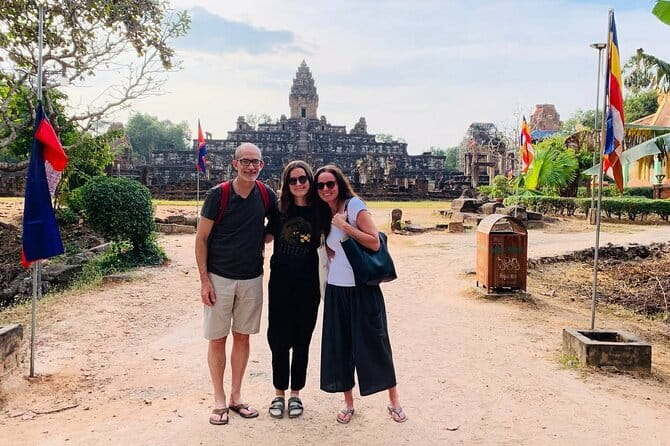
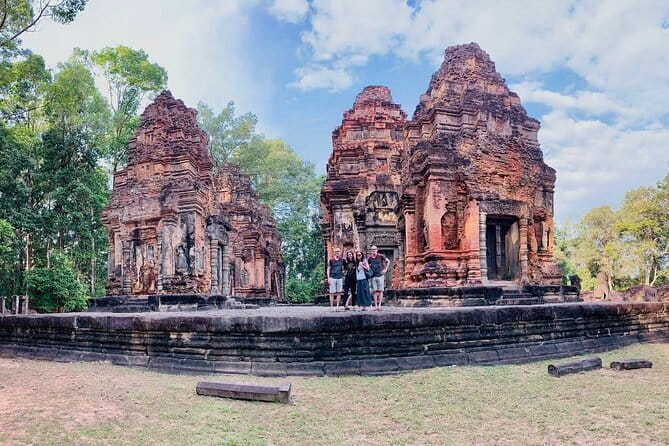
If you’ve only seen Angkor’s big-name highlights, this route gives you something calmer and more “built-for-purpose.” Lolei, Preah Ko, and Bakong are part of the Roluos group, and they’re from the late 9th century period when Khmer rulers were still defining what these sacred spaces should be.
Start with Lolei in the northern part of the Roluos group. It’s the northernmost temple in this trio, and it helps you see how the complex’s style evolved before the grander scale of later sites. You’ll get about an hour here, enough time to walk the key areas without feeling rushed.
Next is Preah Ko, and I like this stop for one reason: it’s historically anchored. Preah Ko was the first temple built in the now-defunct city of Hariharalaya, about 15 kilometers southeast of the main Angkor temple group. Even if you don’t have the whole timeline memorized, your guide can point out why that matters—these places weren’t isolated; they were part of a planned urban and religious world.
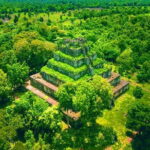
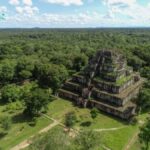
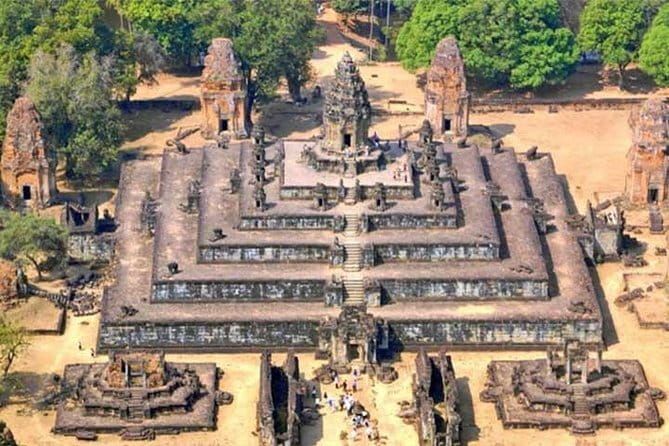
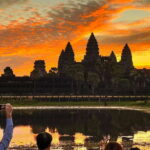
Then comes Bakong, and this is the anchor of the day. Bakong is described as the first Khmer temple-mountain constructed at Angkor by rulers of the Khmer Empire, built in 881 AD by King Indravarman I. It’s often treated like the prototype—something later masterpieces echo.
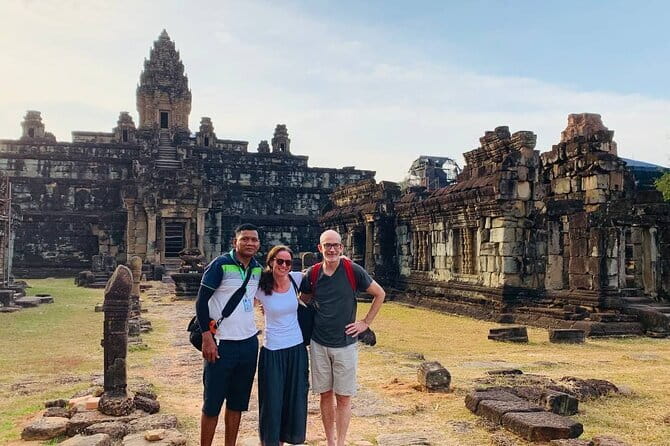
At Bakong, you’ll see the five-tiered sandstone pyramid form. The layout isn’t just decorative; it represents Mount Meru, with moats and enclosing walls tied to that sacred geography. There’s also mention of an early Naga causeway in Khmer architecture, which adds a very “storytelling in stone” feel to the approach and layout. If you like architecture that has a message, Bakong is the best place on the itinerary to slow down and look.
You can also read our reviews of more tours and experiences in Siem Reap.
What makes Bakong worth your time
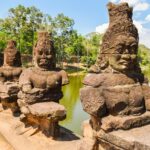
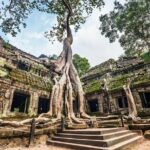
Bakong’s lower levels include large, preserved stone guardian statues—elephants and lions. That matters because it changes the experience from distant scenic viewing to something more physical and watchable. You can spot details, notice the scale, and understand why these guardian figures were used like protectors for the sacred space.
You’ll also feel the difference in tone across the three temple stops. Lolei and Preah Ko give you context. Bakong gives you the “prototype” moment where the design ideas become obvious.
The itinerary, stop by stop: what to expect and what to watch for
This day runs about 6 to 8 hours total. It’s built for a smooth flow: hotel pickup, an English-speaking guide, and an air-conditioned vehicle to keep the day from turning into a sweaty marathon.
Lolei (about 1 hour)
Lolei is part of the Roluos trio, and it’s often the quiet one on the route. You’re there for the late 9th century Hindu temple context, and for the way the architecture hints at what would come later.
One practical point: admission for Lolei is not included, so you should plan to pay the entrance fee separately.
Preah Ko (about 1 hour, free admission)
Preah Ko is the first temple built in Hariharalaya, a site that no longer exists in its original city form. That historical detail gives you a clearer lens for what you’re seeing: it’s not only a temple; it’s evidence of an older political and religious layout.
Admission is free on this stop. That’s a nice break if you’re keeping track of the day’s total costs.
Prasat Bakong (about 2 hours, free admission)
Bakong is the time-heavy star, with about two hours allotted. You’ll be focused on the temple-mountain idea, the symbolic moats and enclosing walls, and the five-tier design representing Mount Meru.
Another reason to like this stop: it’s where the itinerary shifts from “temples you’ve heard of” to a “why this mattered” kind of experience. If you get a guide like Mr Oun Kosorl—praised for contagious passion for Angkor temples—that kind of explanation helps the stone feel less mysterious and more intentional.
Admission is free on this stop as well.
Kampong Phluk Floating Village (about 3 hours)
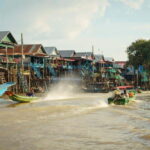
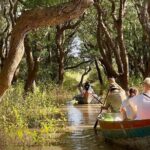
Now you move from stone to water life. Kampong Phluk is one of the most popular floating-village experiences around Siem Reap, and Tonle Sap Lake is the stage: it’s the largest lake in South East Asia and spreads across five Cambodian provinces.
Here’s the key idea you should keep in your head: the floating village is community infrastructure built on water. It adapts to the changing seasons, meaning the village’s structure shifts as water levels change.
Kampong Phluk includes two main structure types:
- homes that float directly on the water
- homes built on stilts that rise high during the dry season
A lot of the experience comes from how those designs affect daily life. In one of the experiences people described, reaching the village involved a boat ride along the river, which sets the tone quickly—this is a water-world first, then a sightseeing stop.
Admission is not included at Kampong Phluk, so you’ll need to budget for that.
A note on comfort and expectations
In real life, floating-village visits can feel like a trade-off. You get gorgeous views and a unique way of life, but you might also notice how hard daily routines can be. One review response even points out the mix of difficult life and the fact that people still seem happy. I think that’s the best way to frame your mindset: go with respect, stay curious, and let the place be what it is.
Price and value: is $45 a smart deal?
The tour price is $45 per person, and it’s typically booked about 12 days in advance. That timing usually signals steady demand, and it can be a good sign for planning your itinerary.
What’s included is practical: an English-speaking tour guide, hotel pickup and drop-off, cold drinking water, and an air-conditioned vehicle. For a day that touches both temple zones and a water village, that transport support is the difference between enjoying the day and dealing with logistics fatigue.
The big cost variable is admissions. The tour doesn’t include admission fees, and the note says admission under of Angkor Pass is $37 per person. The wording is a bit unclear, but the takeaway is clear: don’t assume temples and the floating village are fully covered in the base price.
So is $45 worth it? For most people, yes, if:
- you don’t want to piece together transport and a temple-day plan yourself
- you want an English guide to explain design choices and context
- you want both temples and Kampong Phluk in one long day
If you already plan to visit these sites with your own guide, you might compare costs. But when you’re trying to hit the highlights without wasting time, paying for a guided flow often wins.
The guide matters: how to get the most from Mr Oun Kosorl and Mr K style tours
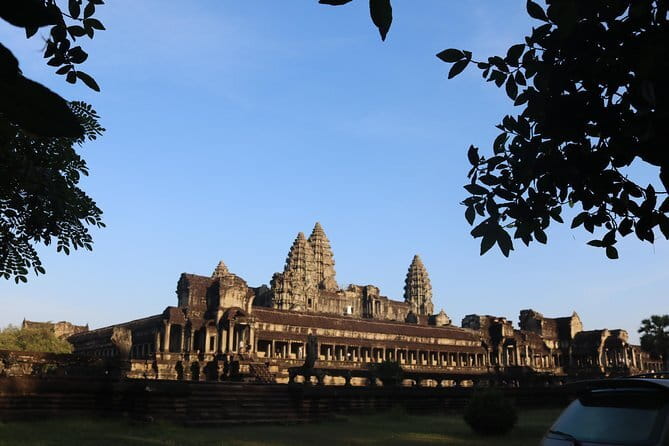
The biggest praise here isn’t just about temples or boats—it’s about explanations. Several comments highlight guides by name, including Mr Oun Kosorl and Mr K, described as charming, insightful, and passionate about Siem Reap’s temples.
That kind of guiding is especially valuable for Bakong. A temple-mountain can sound like trivia until someone connects:
- the five-tier shape to Mount Meru symbolism
- moats and enclosing walls to the sacred layout
- early Khmer features like the Naga causeway idea to what later sites echo
It’s also useful at Kampong Phluk. Floating villages are easy to “look at,” but harder to “understand.” A strong guide helps you see why people build floaters and stilts, and how seasonal water levels shape that choice.
My tip: if you notice your guide moving quickly, ask one simple question like how the village changes in the wet and dry seasons. You’ll get a more thoughtful experience without turning the day into a classroom.
Floating village reality check: how Kampong Phluk helps you see Cambodia differently
Temple days are often about what rulers built. Kampong Phluk is about what communities build to keep living.
The village’s setup—floating and stilt structures—turns the water itself into infrastructure. That’s a different lens on “architecture.” It’s also a reminder that the Tonle Sap ecosystem isn’t just scenic; it shapes routines, homes, and even school life.
One of the experiences described included visiting a school where grade school children were learning English. That detail changes the feel of the visit because it gives you a window into education and daily hopes, not only the visual spectacle of floating houses.
You might also notice the contrasts people talk about: it can be hard to see challenging life conditions, but residents often seem content. I think that’s why this stop earns its place in a Siem Reap itinerary. It pushes you past postcard Cambodia into the Cambodia that actually makes the place work.
Practical tips for a smoother day (so you can enjoy it)
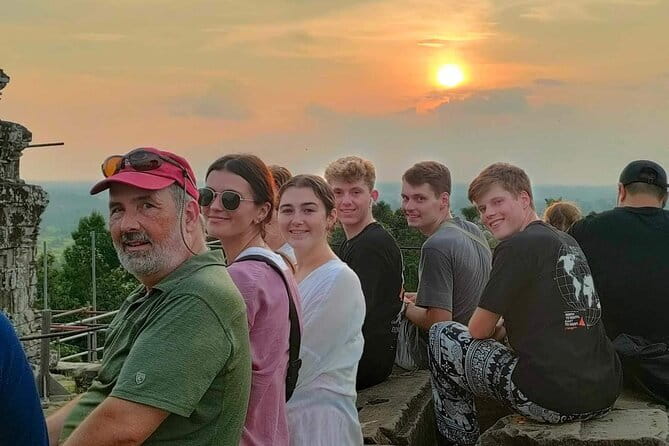
You’ll be on the move for 6 to 8 hours. That means your comfort choices matter.
- Bring sun protection. Temples and water-side areas both feel direct in strong light.
- Wear shoes you don’t mind getting damp if the ground is wet near the village area.
- Carry a light rain layer if the forecast looks questionable. One review note mentioned weather disappointment, and a simple jacket can save the day.
- Budget for admissions for stops that aren’t included. Lolei and Kampong Phluk are listed as not included, while Preah Ko and Bakong are free.
- If you visit the school area, keep your attitude respectful and your questions calm. It’s a learning environment, not an attraction.
If you like photography, remember: temples give you strong geometry, while Kampong Phluk gives you movement and changing textures. Plan to shoot early light for the temples and expect shifting conditions near the water.
Who this tour is best for
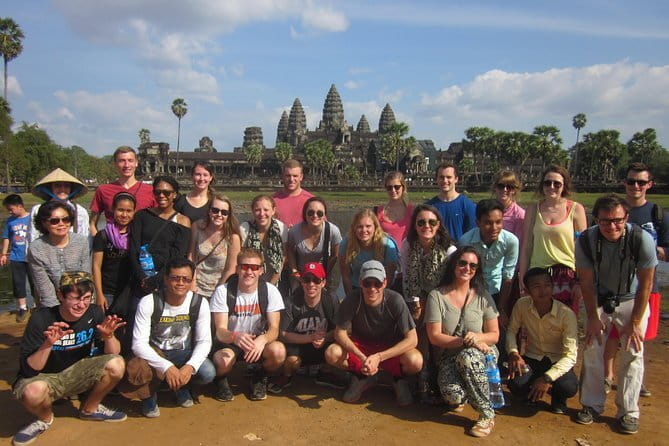
This is a great fit if you want:
- Temple context without only doing the most famous Angkor sites
- the early Khmer “prototype” angle at Bakong
- a meaningful floating-village experience that includes community life
- an English guide to connect dots fast
You’ll especially enjoy it if you like history that stays visual—symbolism, layout, and architectural details. If you’re only chasing crowds and big-name wow moments, you might feel the temples are more subtle. But if you care about how Khmer design evolved, this route is a strong pick.
Should you book Bakong Temples & Kampong Phluk?
I’d book it if you want one day that covers two very different sides of Siem Reap: sacred architecture and water-life community adaptation. The value is strongest when you factor in pickup, air-conditioned transport, and a guide who can explain what you’re seeing—especially at Bakong, where symbolism and design details make a big difference.
I’d think twice if you’re expecting a fully “admission included” day, because Lolei and Kampong Phluk aren’t included in the base price. Also, if you’re sensitive to rain or you hate any weather disruption, aim to go on a day when skies look stable.
If you can handle those two points, this tour is a smart, practical way to experience Cambodia with both eyes open.
FAQ
What’s the duration of the Bakong Temples & Floating Village tour?
It runs about 6 to 8 hours.
Is pickup and drop-off included?
Yes, pickup and drop-off are included.
Does the tour include an English-speaking guide?
Yes, an English speaking tour guide is included.
How much does it cost, and is it private?
The price is $45.00 per person, and the tour is private for your group.
Which temple stops are free and which require admissions?
Preah Ko and Prasat Bakong are listed as free. Lolei and Kampong Phluk have admissions not included.
What’s included besides the guide and transport?
Cold drinking water and an air-conditioned vehicle are included, along with the guide service.
Does the tour include any ticket format?
It includes a mobile ticket.
What’s the cancellation policy?
You can cancel for a full refund up to 24 hours in advance of the experience start time. If you cancel within 24 hours, the amount paid is not refunded.