REVIEW · SIEM REAP
Siem Reap Angkor Private Tour Guide in English and Spanish
Book on Viator →Operated by Angkor wat guía en español · Bookable on Viator
A morning in Angkor turns everything up. This private tour is built around an experienced guide who has worked on the Greater Angkor Project, so you get more than postcard facts. I especially like the English/Spanish guidance (Son’s Spanish is praised as excellent) and the calm, efficient pacing from private transportation.
The main thing to factor in is budget: the temple entrance fees and a few optional extras (like a boat ticket) are not included, so your final total depends on what you want to add.
In This Review
- Key Highlights You’ll Actually Use
- Why a Private English-and-Spanish Angkor Tour Feels Better Fast
- Morning Logistics in Siem Reap: Pickup, Start Time, and Comfort
- Price and Value: What $65 Covers and What You May Add
- Stop 1: Angkor Wat First, Moat Views, and the 700-Meter Bridge
- Stop 2: Bayon Temple’s 54 Towers and Three Levels of Smiles
- Stop 3: The Ancient City Story and Why Angkor Fell Into Jungle
- Stop 4: Ta Prohm and the 19th-Century Discovery Look
- Son’s Research Background: Why It Changes How You See Every Temple
- Who This Tour Fits Best (and Who Should Reconsider)
- Should You Book This Siem Reap Angkor Private Guide?
- FAQ
- How long is the Siem Reap Angkor private tour?
- What time does the tour start?
- Where is the meeting point?
- Is pickup included?
- Are temple entrance fees included in the $65 price?
- What else might cost extra besides temple tickets?
- Can I cancel for a full refund?
- Is the guide available in English and Spanish?
Key Highlights You’ll Actually Use
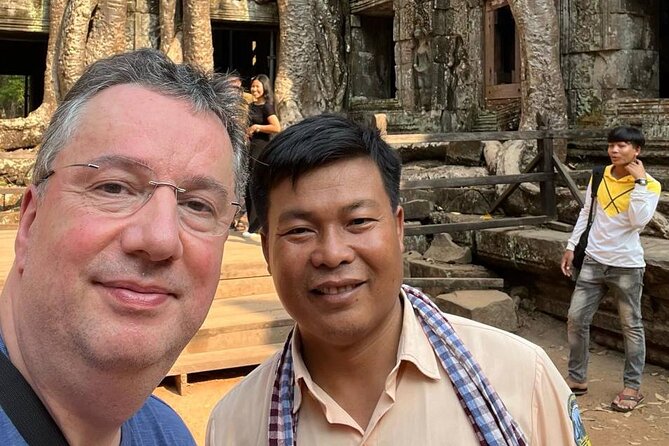
- Son’s Spanish and Q&A: The guide answers questions about both temples and Cambodian culture, with Spanish called out as a major strength.
- Research-backed storytelling: The guide’s background includes archaeological work tied to the Greater Angkor Project by the University of Sydney.
- A tight first stop at Angkor Wat: You get time at the big site without rushing, including the classic moat-and-bridge views.
- Bayon’s three levels and 54 towers: You spend a dedicated hour on the smiling faces, not just a quick photo stop.
- Ta Prohm with tree roots intact: This is timed for the kind of slow looking you need for the roots and vegetation.
- Private comfort, early start: Pickup and cold water help you enjoy a long morning rather than survive it.
Why a Private English-and-Spanish Angkor Tour Feels Better Fast
Angkor is big, spread out, and easy to misunderstand if you only skim signs. What I like about this tour format is that your guide is right there to translate the place into real meaning, in English or Spanish, based on what you booked.
The standout in the reviews is Son. People describe him as friendly and strong at explaining the temples, and they specifically mention his Spanish as excellent. That matters because the best Angkor experience is the one where you can ask: What am I looking at? Why does it look this way? How did people live here?
The other smart part is that the guide doesn’t just recite dates. He’s connected to hands-on archaeological research linked to the Greater Angkor Project (University of Sydney), including work related to the decline of Angkor civilization and the study of dams, canals, and lost temples in the jungle. That kind of background helps your visit feel connected, not random.
You can also read our reviews of more guided tours in Siem Reap
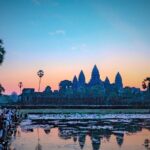
Morning Logistics in Siem Reap: Pickup, Start Time, and Comfort
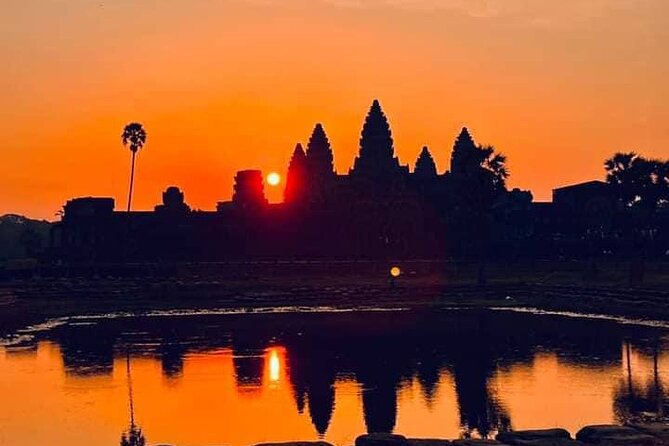
This tour starts at 5:00 am, and the meeting point is the Hard Rock Cafe Angkor at King’s Road Angkor, Street 7 Makara, Old Market Bridge, Krong Siem Reap. It ends back at the same meeting point.
Why that early start is worth caring about: Angkor is a place where the light, the heat, and the crowd flow change throughout the morning. Even if you’re not chasing sunrise, starting early usually makes the day feel calmer.
You’ll travel with private transportation and you get cold water. That’s not just a nice touch. It’s practical value on a temple day, when walking, stairs, and waiting for views can add up faster than you expect.
Price and Value: What $65 Covers and What You May Add
The tour price is $65.00 per person, with private guide service, private transport, and cold water included. Admission to temples is not included.
Here’s what you should budget for based on the information provided:
- Temple entrance fee (listed as $37 for 1 day or $50 for 3 days)
- Optional boat ticket entrance (listed as $20 per person)
- Optional Angkor National Museum entrance ($15 per person)
This is where value comes down to your priorities. If you’re already planning to enter multiple temples, the $65 private guide portion can be a good deal because it’s not just a driver. You’re paying for someone to help you read the sites while you’re standing in front of them.
If you only want one fast temple stop, a private guide may feel like extra cost. But for an itinerary that includes multiple major sites, the structure makes sense.
Stop 1: Angkor Wat First, Moat Views, and the 700-Meter Bridge
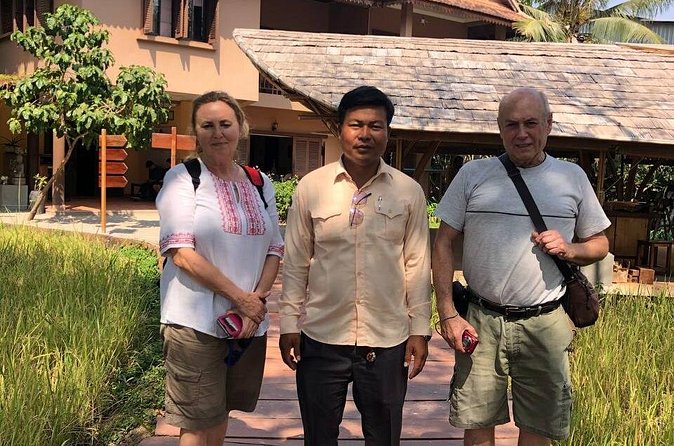
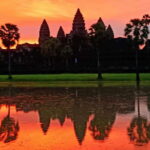
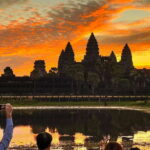
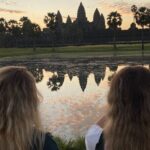
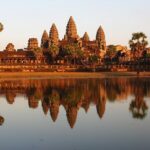
Angkor Wat is the headline for a reason: it’s vast, iconic, and surrounded by a wide moat. You’ll spend about 3 hours here, and entrance isn’t included in the tour price.
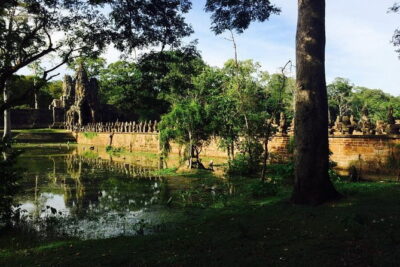
One detail you’ll want to plan around is the moat-and-bridge viewpoint. The information for this tour calls out the walk across the bridge—700 meters—as the best way to get your bearings and set your eyes on the layout before you start exploring.
What you should expect in those three hours:
- Time to take in the structure and how the temple sits within its water boundaries
- Space to look closely at details instead of rushing through everything
- A guided explanation that helps you understand why Angkor Wat is more than a single building
The possible drawback here is simple: Angkor Wat can take over your brain. If you’re the type who needs “one stop, one vibe,” this tour goes wider after Angkor Wat. But that also means you’ll be starting with your biggest anchor first, so the rest of the day feels easier to compare.
Stop 2: Bayon Temple’s 54 Towers and Three Levels of Smiles
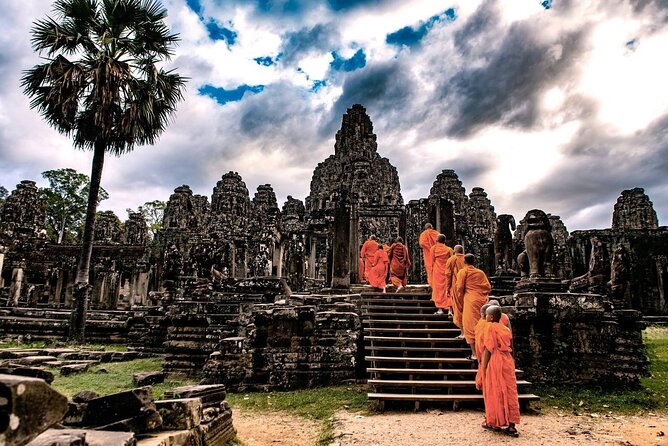
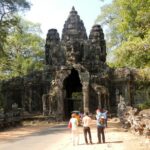
Next is Bayon Temple, sometimes called the smiling faces temple. You’ll have about 1 hour at this stop, again with entrance not included.
Bayon is built in three levels and includes 54 towers, rising upward in a way that makes your viewpoint feel like it keeps changing. That matters because Bayon isn’t something you fully “see” from one angle. You want to move, look up, and then look again from slightly different positions.
In an hour, the guide pacing helps. A good guide won’t waste time sprinting. Instead, you should use the hour to:
- Identify the tower shapes and levels
- Notice how face orientations shift as you change your path
- Let the explanation connect the sculpture work to the larger Angkor story
If you’re short on energy, Bayon can still work because it’s concentrated. Compared with bigger walking days, it’s easier to keep your attention focused.
You can also read our reviews of more private tours in Siem Reap
Stop 3: The Ancient City Story and Why Angkor Fell Into Jungle
This part of the itinerary spends about 2 hours on the wider Angkor footprint connected with the ancient city. You’ll hear the context: the city was populated for many generations, with the timeline given as roughly the 9th to 14th centuries, and it’s described as supporting around 1 million people over time.
Then comes the change. Because of Angkor’s decline, the city becomes what you see now: areas swallowed by jungle and temple ruins that survived in fragments.
This stop is valuable in a different way than the famous temple stops. It’s where the guide can explain how water and infrastructure mattered—especially since his background includes archaeological research related to dams and canals. When you understand the water system and the civilization’s engineering, the jungle doesn’t feel random. It feels like a consequence.
A consideration: the “ancient city” portion can feel less dramatic if you were hoping for another single, perfect photo monument. But if you want meaning—why things are positioned the way they are, and what changed—this is where the tour becomes more than a checklist.
Stop 4: Ta Prohm and the 19th-Century Discovery Look
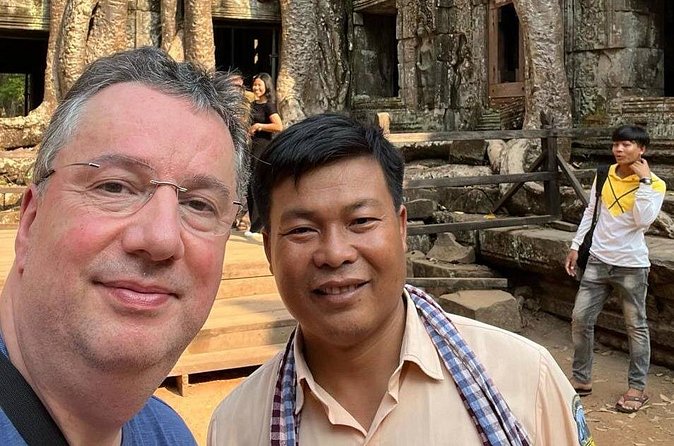
Ta Prohm is the tour’s most visually theatrical stop, not because it’s fake, but because nature looks like it has paused right in the middle of history. You’ll have about 1 hour here.
The description for Ta Prohm highlights two key ideas:
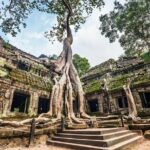
- It’s a model of how the temple was found when the city was discovered in the 19th century
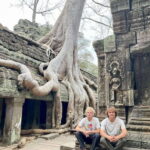
- Big vegetation remains, with massive tree roots still growing on the structures
This is the stop that rewards slow looking. You’ll want a guide here because roots and carvings can look like random texture if you don’t know what to notice. The guide’s explanations help you connect the plant growth to the way the site was preserved and revealed.
The downside is also clear: Ta Prohm’s thick vegetation can mean more uneven footing and lots of visual stimulation. If you have mobility limitations or hate slippery patches, just go at your pace and ask your guide to slow down when you need to.
Son’s Research Background: Why It Changes How You See Every Temple
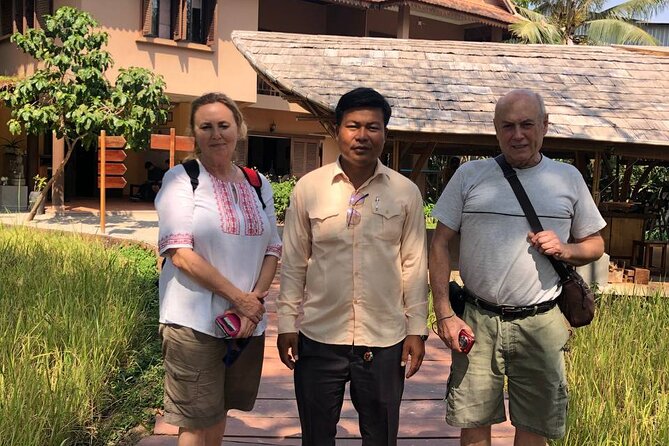
What really upgrades this tour is the guide’s work history. The information provided says the guide participated in the Greater Angkor Project, run by the University of Sydney, which researched the decline of the Angkor civilization and included archaeological investigation connected to dams, canals, and locating lost temples in the jungle.
You don’t need an archaeology degree to benefit. You just need the guide to answer the questions that pop up naturally when you’re there:
- How did they build and manage water?
- Why did the civilization decline?
- What do the ruins suggest about daily life?
- How do we find lost temple structures in jungle environments?
In the reviews, Son is praised for answering lots of questions about both temples and Cambodian culture. That combination is rare. Many guides can point at carvings. Fewer can connect carvings to a bigger cause-and-effect story.
And for anyone booking in Spanish: multiple reviews specifically highlight Son’s Spanish as excellent, which is a big deal if you’re not traveling with a bilingual friend.
Who This Tour Fits Best (and Who Should Reconsider)
This is a smart fit if you:
- Want a private experience instead of waiting with strangers
- Prefer explanations in English or Spanish
- Like historical context you can hold in your head while you walk
- Plan to visit multiple major temples in one morning span (about 5 to 7 hours total)
It may not be the best fit if you:
- Only want the simplest, lowest-cost temple visit
- Don’t want to deal with entrance fees and optional add-ons
- Prefer to wander on your own without a structured route
If you’re the kind of traveler who gets more satisfaction from understanding than from ticking boxes, this tour is built for you.
Should You Book This Siem Reap Angkor Private Guide?
I’d book it if you’re aiming for a guided visit that actually helps you see. The private setup, early start, and the practical comfort details like cold water make the day smoother. More importantly, Son’s described strength in Spanish and his ability to answer questions about temples and Cambodian culture are exactly what turn Angkor into a meaningful experience, not just a series of monuments.
One final check before you commit: look at your expected temple entry plan. Since temple entrance fees and extras like a boat ticket and the museum are listed separately, you’ll get the best value when your day matches the route and you’re ready to budget for admissions.
FAQ
How long is the Siem Reap Angkor private tour?
The tour lasts about 5 to 7 hours (approx.).
What time does the tour start?
It starts at 5:00 am.
Where is the meeting point?
You meet at Hard Rock Cafe Angkor, King’s Road Angkor, Street 7 Makara, Old Market Bridge, Krong Siem Reap 17252, Cambodia.
Is pickup included?
Pickup is offered, and the tour includes private transportation.
Are temple entrance fees included in the $65 price?
No. Temple entrance fees are not included (listed as $37 for 1 day or $50 for 3 days).
What else might cost extra besides temple tickets?
A boat ticket entrance is listed at $20 per person, and Angkor National Museum entrance is listed as $15 per person (both not included).
Can I cancel for a full refund?
Yes. You can cancel up to 24 hours in advance for a full refund.
Is the guide available in English and Spanish?
Yes. This experience is listed as Siem Reap Angkor Private Tour Guide in English and Spanish.