Angkor looks best with a plan and a ride. This full-day Siem Reap tour strings together the big-name temples and the jungle ruins, then finishes with sunset at Pre Rup. You leave your hotel at 8:00am and spend about 7 hours moving temple to temple by tuk-tuk.
I especially like the licensed English-speaking guide setup, because the day feels organized and easy to follow. Also, the comfort touches matter: mineral water is included, and in past outings the driver has shown up with chilled water and ice-cold flannels on very hot days.
One thing to plan for: temple entrance fees and lunch aren’t included, so you’ll need extra budget and a little extra patience for breaks.
In This Review
- Key things to know before you go
- A 7-hour Angkor day with an 8:00am start
- Tuk-tuk transport that actually helps in the heat
- Angkor Wat first: size, symmetry, and a real first impression
- Bayon Temple at Angkor Thom: faces, scale, and inside-city walking
- Ta Prohm: jungle setting, fig trees, and the maze effect
- Banteay Kdei: the monks’ cells and cotton-tree roots
- Pre Rup at sunset: ending the day with a view
- Price and value: $39 worth it if you plan for what’s extra
- Who this tour suits best (and who should skip it)
- What to bring so the day stays comfortable
- Should you book this tuk-tuk Angkor Wat day with sunset?
- FAQ
- What time does the tour start?
- How long is the experience?
- Is hotel pickup and drop-off included?
- What temple sites are included in the day?
- Are temple entrance fees included in the price?
- Is lunch included?
- Does the tour provide a ticket on your phone?
- What happens if the weather is poor?
Key things to know before you go
- 8:00am start from your hotel means you beat some crowds and light gets kinder for photos.
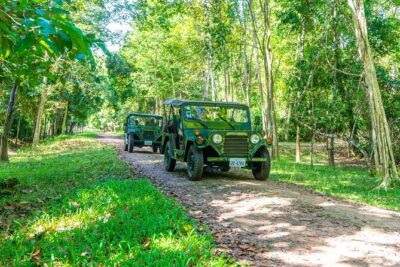
- Tuk-tuk (motorised trolley) transport keeps you moving without the hassle of changing rides.
- Mineral water included, plus the driver can bring extra cooling help in hot weather.
- A sunset finish at Pre Rup gives the day a strong ending, not just a stop-by-stop checklist.
- Two-hour blocks at the major sites help you actually see what you’re paying for.
- Your tour runs for your group, with pickup and drop-off handled end to end.
A 7-hour Angkor day with an 8:00am start
This tour is built for a full temple day without you needing to figure out timing on your own. You depart your hotel at 8:00am, and the whole experience runs about 7 hours. That start time matters at Angkor—light and heat both change fast, and starting early makes everything easier on your feet and your camera.
You’ll get the core sequence most people want: Angkor Wat, Bayon, Ta Prohm, Banteay Kdei, and then the sunset stop at Pre Rup. It’s a smart way to balance famous structures with the more atmospheric, broken-stone areas where nature takes back space.
Because it’s a guided day with set time blocks at each site, you don’t spend the day guessing what to prioritize. For value, I like that the schedule is long enough to wander a bit and take photos, but not so long that you feel fried by mid-afternoon.
You can also read our reviews of more evening experiences in Siem Reap
Tuk-tuk transport that actually helps in the heat
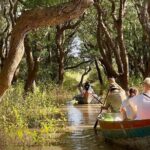
The biggest practical win here is the tuk-tuk (motorised trolley) ride between temples. Angkor’s roads and paths can add up, and self-arranging transport can turn into an all-day logistics game. With pickup and drop-off included, you can focus on seeing temples instead of coordinating rides.
In hot weather, comfort becomes part of the experience. One of the most-mentioned perks is how the driver keeps things cool—chilled water, and even ice-cold flannels. That’s not a small detail. When you’re walking among stone terraces in Cambodia heat, those little cooling moments can be the difference between enjoying the sites and just surviving them.
The tour also includes mineral water, so you’re not starting the day with empty hands. Still, I’d keep your own backup plan: bring a small personal stash of snacks and extra water if you tend to run low energy.
Angkor Wat first: size, symmetry, and a real first impression
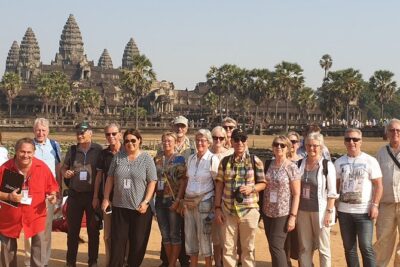
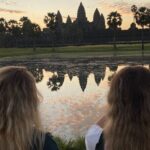
Angkor Wat gets top billing for a reason. You’ll start there with about 2 hours at the site, and the emphasis is on seeing both the iconic views and the more tucked-away corners. Even if you’ve seen photos before, being on the ground changes how you read the temple. The scale hits you before the details do.
What I like about placing Angkor Wat at the start is that your brain is fresh. Later in the day, it’s easier to blur everything together. Early on, you can slow down and notice how the layout guides your movement—cause-and-effect paths, courtyards, and the way the main structures frame the horizon.
A practical note: temple entrance fees are not included, so plan for that cost separately. Also, the tour doesn’t include food, so you’ll want to handle water and energy between stops. If you’re aiming for photos, early arrival helps, but you’ll still want patience—Angkor is popular for a reason.
Bayon Temple at Angkor Thom: faces, scale, and inside-city walking
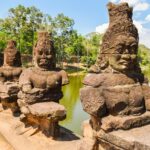
Next you head toward Angkor Thom, with Bayon Temple as the focus for about 2 hours. Bayon is the kind of place where you can’t just look once. The famous stone faces repeat across the site, and they change depending on where you stand and how the light hits the carvings.
This stop feels different from Angkor Wat. Angkor Wat is all about symmetry and grandeur. Bayon adds personality and density—the sense you’re inside the Khmer Empire’s heart rather than viewing it from the outside. The tour includes time to walk in and take it in, not just do a quick loop.
Possible consideration: Bayon can be a bit more “walk-and-look” than “big-view-and-rest.” You’ll want comfortable shoes, and you’ll likely do more small-step walking than you expect. If you’re the kind of person who gets tired quickly, pace yourself. Take breaks when you find shade, and don’t try to sprint from photo spot to photo spot.
Ta Prohm: jungle setting, fig trees, and the maze effect
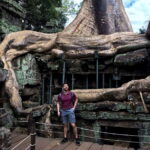
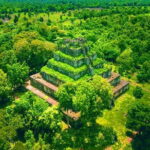
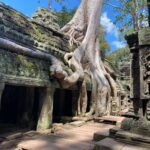
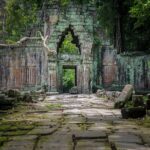
Then comes the stop that many people remember forever: Ta Prohm, with about 2 hours. This is the jungle-temple experience, where ruins and roots share the same space. The fig trees here can feel almost aggressive—growing over structures and squeezing their way into the stonework.
What makes Ta Prohm so satisfying is the way it rewards slower wandering. The ruins aren’t laid out like a tidy museum. They’re more like a puzzle—paths through collapsed corridors, angles where a tree frames a doorway, and moments where you look up and realize how much the jungle has claimed.
This is also the stop where you’ll probably think about lunch. The tour includes time for you to eat on your own, but lunch and food aren’t included. For me, the best approach is to eat something simple and quick so you don’t lose the mood of the ruin-wandering part of the day.
You can also read our reviews of more tours and experiences in Siem Reap
Banteay Kdei: the monks’ cells and cotton-tree roots
After Ta Prohm, you move to Banteay Kdei for about 1 hour. It’s known as the citadel of monks’ cells, and that description tells you the vibe right away. This is a quieter-feeling site, partially overgrown, with stone structures softened by time and vegetation.
The most distinctive feature noted for this stop is the cotton tree roots weaving through the ruins. Those roots create the sense that the temple and the forest are locked in the same story. Even in an hour, you’ll likely catch multiple “how did that happen?” moments just by standing at the right angles and looking around.
The only real drawback to this stop is timing. One hour passes fast if you’re a slow photographer or a careful reader of stone details. If you want more time here, you can still do it—just focus your attention on the most root-heavy sections and don’t try to see everything at once.
Pre Rup at sunset: ending the day with a view
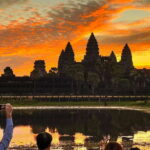
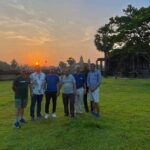
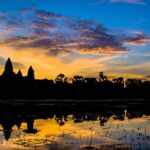
The day closes with sunset at Pre Rup temple. The sunset finish is one of the main reasons this tour is worth considering, because it turns a standard temple day into something with a payoff.
Pre Rup works well near evening because the light changes the feel of the stone. Even without fancy planning, the light gives everything a warmer tone and makes the stone textures look more dramatic than they do midday.
Practical tip: keep your expectations for photos realistic. Sunset spots in Angkor can feel like a slow-moving rhythm—people arriving, waiting, then shifting positions. If you want a calm moment, aim to arrive with enough time to set up, then take short bursts of photos rather than one long session where you’ll miss the best light shift.
Price and value: $39 worth it if you plan for what’s extra
The price is $39 per person for this full-day tour, and it includes hotel pickup and drop-off, a licensed English-speaking guide, tuk-tuk transport, and mineral water. For Angkor, that bundle is where the value lives: you’re paying for guidance and transport, not just for access to a few stones.
What’s not included matters for budgeting. Temple entrance fees are separate, and food and drinks (including lunch) are not provided. So the total cost of the day will be more than $39 once you add admissions and your meal.
Here’s how I’d decide if it’s good value for you: if you want a guided day with transport so you can spend your mental energy on the temples, this price is reasonable. If you already plan to self-drive, self-guide, and manage your own routes, the included guide and tuk-tuk are what you’d be giving up.
If you’re traveling with people who can share logistics, the tour’s group discounts can also make it even better. And because the tour is set up for your group only, it’s not the kind of situation where you’re squeezed into a shared schedule with strangers unless your own group size expands it.
Who this tour suits best (and who should skip it)
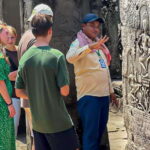
This tour fits best if you want a structured Angkor day without the stress of coordinating transport and timing. It’s also a strong match for people who like having an English-speaking guide to explain what you’re seeing, especially at sites like Bayon and Ta Prohm where details reward a guide’s context.
It’s not the best pick if you’re chasing full freedom with a very slow pace. The day is planned with set time blocks, and there’s a tight flow from site to site. If you prefer lingering for hours at one temple, you might feel pushed by the schedule.
That said, the overall pace is flexible enough for most people because the schedule breaks the day into logical chunks: Angkor Wat first, then Bayon, then Ta Prohm, then Banteay Kdei, and finally Pre Rup at sunset.
What to bring so the day stays comfortable
Even with tuk-tuk rides and mineral water, you’re still doing a lot of walking and standing among stone and open air. I’d plan like it’s a warm-weather day and bring the basics:
- Comfortable walking shoes
- A hat and sunscreen
- Water beyond what’s provided, if you like to sip often
- Something small for quick energy since lunch isn’t included
Also, you’ll be using the tour day ticket system on your mobile device. Since you receive a mobile ticket, have your phone charged and ready.
Should you book this tuk-tuk Angkor Wat day with sunset?
Book it if you want an easy, guided Angkor day that covers the major highlights and ends with sunset at Pre Rup. For me, the standout value is the combination of hotel pickup/drop-off, tuk-tuk transport, a licensed English-speaking guide, and cooling comfort like mineral water and ice-cold flannels on hot days.
Skip it or consider another option if you have a very tight food budget or you hate adding surprise costs on arrival—entrance fees and meals are extra. Also, if you’re the kind of visitor who wants to camp out in one place for hours, the set time blocks may feel limiting.
If you’re going to do one temple day that feels organized and rewarding, this one makes sense. You’ll get the big sights, the jungle atmosphere, and a sunset finish without having to wrestle with routes.
FAQ
What time does the tour start?
You depart your hotel at 8:00am.
How long is the experience?
The tour runs for about 7 hours.
Is hotel pickup and drop-off included?
Yes. Hotel pickup and drop-off are included.
What temple sites are included in the day?
You’ll visit Angkor Wat, Bayon Temple, Ta Prohm, Banteay Kdei, and you’ll end with sunset at Pre Rup temple.
Are temple entrance fees included in the price?
No. Temple entrance fees are not included.
Is lunch included?
No. Food and drinks, including lunch, are not included.
Does the tour provide a ticket on your phone?
Yes. You receive a mobile ticket.
What happens if the weather is poor?
The experience requires good weather. If it’s canceled due to poor weather, you’ll be offered a different date or a full refund.