REVIEW · SIEM REAP
Private Tour Angkor Wat
Book on Viator →Operated by Private Angkor Wat Tour · Bookable on Viator
Angkor Wat is huge, so a good guide matters. This private day plan links the big-name temples with smart pacing, photo time, and air-conditioned comfort—so you spend less time stuck in heat and more time understanding what you’re seeing.
What I like most is the mix of structure and flexibility: you get set highlights like Bayon’s smiling faces, plus the option to shape the route around what you care about. I also appreciate the practical comfort touches—cold towels and bottled water during the day—plus the way guides such as Rain, Jaek, and Chek are repeatedly praised for clear explanations and smooth, confident guiding.
One thing to plan for: temple pass, lunch, and tips aren’t included. Also, if you want Angkor Wat at sunrise, expect a very early wake-up depending on your departure—some guests describe a 4am call, and you should be ready for that.
In This Review
- Key Things That Make This Tour Work
- Door-to-Door Comfort for an Angkor-Wide Day
- How Early the Angkor Wat Sunrise Part Really Feels
- Angkor Thom South Gate: Stone Power Before the Faces
- Bayon Temple: The Smiling Faces Photo Stop That Becomes a Lesson
- Baphuon and Lunch: History, Then a Breather
- Ta Prohm: When Giant Roots Take Over the Ruins
- Pre Rup: A Pyramid Temple for Big Views
- Price and Value: What You’re Paying For at $49
- Who This Tour Suits Best (And Who Might Want a Different Plan)
- Should You Book Private Angkor Wat?
- FAQ
- Is the temple pass included?
- What about lunch?
- Does the tour include an English-speaking guide?
- How long is the tour?
- What time does the tour start?
- Is this a private tour?
- Do you provide transportation?
- Are water and towels included?
- What should I wear?
- Do I need to worry about weather?
Key Things That Make This Tour Work
- Private, English-speaking guide that helps you read the temples instead of just walking past them
- Air-conditioned vehicle with door-to-door pickup and drop-off in Siem Reap
- Photo-focused stops like Bayon’s all-seeing faces and Ta Prohm’s tree roots
- Heat management with water and cold towels after temple steps
- Your day can flex based on your interests, not just a fixed bus-route
- Good for one-day visitors who want the main hits without feeling rushed every minute
Door-to-Door Comfort for an Angkor-Wide Day
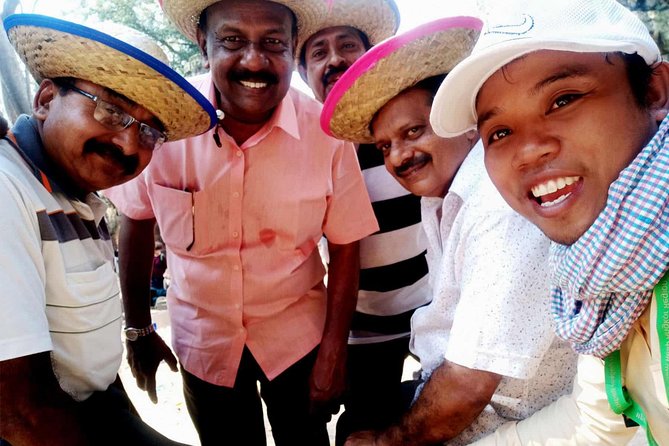
Siem Reap to Angkor can feel like a long day if you’re bouncing between temples by yourself. This tour solves that by bringing you to the sites in an air-conditioned vehicle with transfers from your Siem Reap address and back again at the end. It’s a simple upgrade that makes a real difference when the sun is high and the roads are dusty.
Because it’s private, you’re not sharing the experience with strangers or getting dragged to someone else’s pace. Your guide can also steer you through the complex so you spend less time wandering and more time actually seeing the important parts.
You’ll also get basics taken care of: an English-speaking guide, water and cold towels, and a plan that spans multiple temple zones rather than repeating one site. That adds up to better value than a bare-bones transfer where you still have to figure everything out on your own.
One practical note: wear comfortable shoes you can walk in for extended temple paths. Angkor days are uneven and sometimes slippery, and good footwear keeps the day from becoming a foot problem.
You can also read our reviews of more private tours in Siem Reap
How Early the Angkor Wat Sunrise Part Really Feels
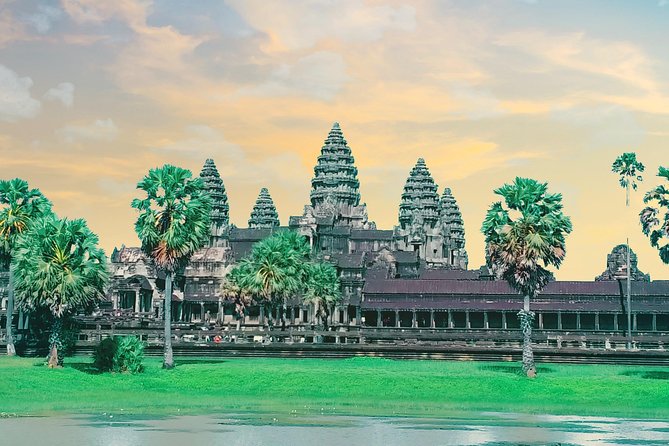
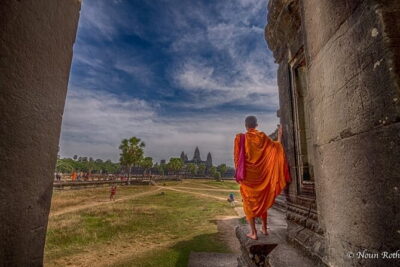
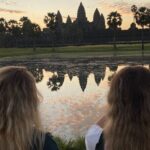
Angkor Wat sunrise is the classic reason to wake up before the sun. The experience here is built around that magic moment, when the temple silhouette and nearby lotus ponds create a reflection effect that people dream about for photos.
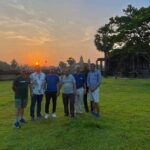
The key detail is timing. Your tour starts at 8:00am, but the Angkor Wat sunrise element can still mean a very early call depending on the specific departure you book. In guest feedback, you’ll see references to a 4am wake-up, and that lines up with how sunrise runs at Angkor.
If you hate early starts, you’ll probably feel it. If you love getting crowds under control and catching the best light, it’s usually worth it. Either way, plan for an early day and bring sunscreen—temple-light can still turn into full sun fast.
Angkor Thom South Gate: Stone Power Before the Faces
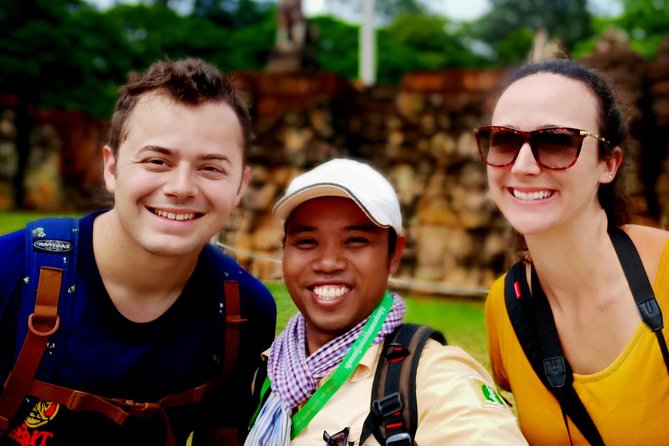
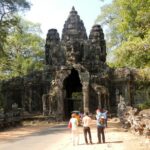
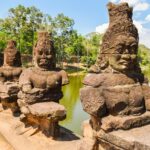
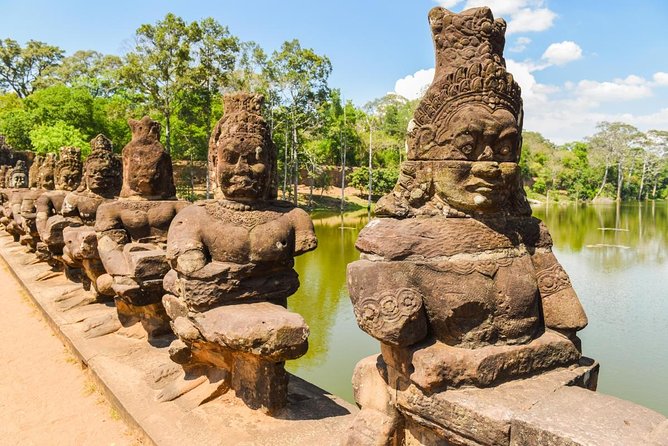
Angkor Thom is the walled city that anchors much of the action. You begin with the South Gate, which is a dramatic stone entrance with gods and demons holding a Naga. It’s the kind of opening scene that instantly makes Angkor feel larger than a checklist of ruins.
This stop is short—about 30 minutes—but it’s a good warm-up. You see the style and symbolism right away, and your guide can help connect the gate imagery to the rest of the complex so it doesn’t feel random.
The main benefit of starting here is flow. You’re already in the mood for big visuals, and you don’t burn the day on a slow introductory segment. If you’re the type who likes to understand what you’re looking at, this gate stop is a strong setup for Bayon.
Bayon Temple: The Smiling Faces Photo Stop That Becomes a Lesson
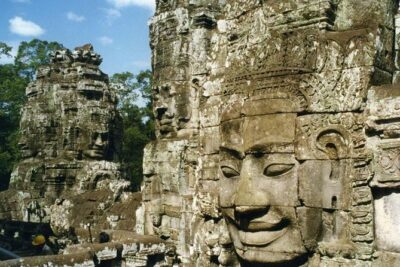
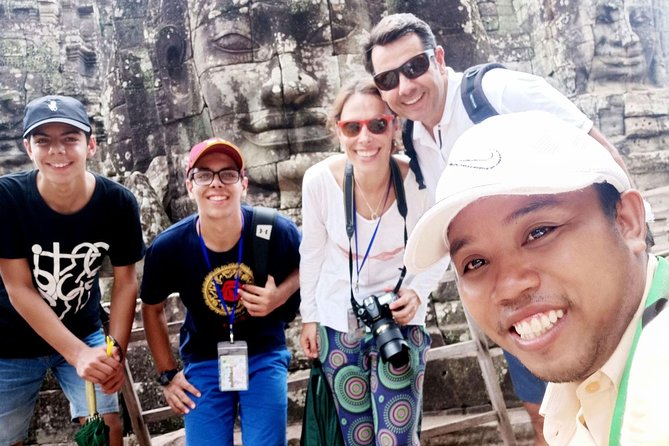
Bayon is famous for its many stone towers carved with mysterious smiling faces—and for once, the hype matches reality. You get about one hour here, which is long enough to walk the main areas, stop for photos, and still catch details.
What makes Bayon special isn’t just that it looks cool. It’s the feeling that every angle is watching you back. With a private guide, you can slow down at the spots that matter, rather than rushing through because a group schedule pushes you onward.
Guides are also praised for choosing good routes to reduce crowd pressure. That matters at Bayon, because it’s one of the most photographed zones in Angkor Thom. When you hit the right paths, you get cleaner shots and a calmer pace.
If you care about photos, bring a plan for your time:
- Spend a few minutes observing tower faces from different approaches before you commit to your best frame.
- Keep moving as the light shifts—Bayon reads differently depending on angle and brightness.
Baphuon and Lunch: History, Then a Breather
Next comes Baphuon, often described as the original temple that was later converted into a Buddhist place. You’ll see the big Buddhist influence, including a large Buddha carving behind, which adds a different layer of meaning compared with the more Hindu-coded visuals you’ll see around other parts of Angkor.
This stop includes time for understanding as much as walking. You’ll learn from a local home ground guide, which is the kind of explanation that turns stonework into a timeline instead of a pile of carvings. When a guide connects the temple to the people and centuries around it, you feel like you’re reading a story rather than just decoding symbols.
There’s also a lunch break at a local restaurant nearby. Lunch is not included in the tour price, but the way it’s slotted into the day is smart: you get a real break before you head into the more intense walking and heat-heavy areas later. Guest feedback specifically praises the lunch as quiet and enjoyable, which is exactly what you want mid-day.
One consideration: since lunch isn’t included, you’ll need to budget for it and eat early enough that you’re not racing through the next stop. If you’re picky about meals, check the plan when you book so you can align with your preferences.
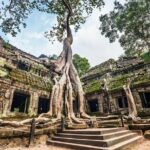


Ta Prohm: When Giant Roots Take Over the Ruins
Ta Prohm is the temple most people recognize from movies, and not for a bad reason. The standout here is the look of giant tree roots entwined with the ruins, creating a dramatic jungle atmosphere that feels alive and a little surreal.
You’ll have about one hour at Ta Prohm. That’s enough to walk slowly, take photos without feeling rushed, and notice the way the vegetation and stone interact at different angles. The private format helps here: you can stop when you want and move on when you’re ready, instead of being pulled along by a schedule.
The drawback is also obvious: it’s not a breezy, open-air stroll. You’ll still be out in the sun and humidity, and that’s where the tour’s water and cold towels become genuinely useful.
If you want the best Ta Prohm experience, dress for “ruins + nature.” You’ll likely get a little dusty and you’ll be on uneven surfaces. Long pants and good traction shoes can help you feel steadier in the more worn areas.
Pre Rup: A Pyramid Temple for Big Views
Pre Rup is a “climb-and-look” kind of stop. It’s known as a pyramid temple with real viewpoints, and the day’s structure means you reach it after several temple-heavy hours, when a view break feels like a reward.
You’ll spend about one hour here. That time is enough for photos, walking around, and taking in the panorama without cutting your visit too short.
This is also a good spot to slow down mentally. Earlier temples can feel like visual overload, especially Bayon. Pre Rup’s emphasis on viewpoints gives your eyes a chance to rest while still rewarding you with something new: distance, angles, and the temple’s relationship to the surrounding area.
Bring water. Even with a cooler early start, afternoon heat can creep up. And if you’re sensitive to sun, plan shade breaks whenever your guide offers them.
Price and Value: What You’re Paying For at $49
This tour is priced at $49 for a day around 6 to 8 hours. That’s notably low for a private day trip that includes an English-speaking guide, air-conditioned transfers, plus water and cold towels.
Here’s the value equation:
- The guide is doing the heavy lifting—explaining symbolism, history, and what you should notice.
- The vehicle removes the stress of coordinating transport across multiple temple stops.
- The small comforts (water, cold towels) reduce the physical toll of temple-hopping.
Then you add the missing pieces you’ll still need to budget:
- Temple pass (not included)
- Lunch (not included)
- Tips for guide and driver (not included)
So the true cost isn’t just $49. It’s $49 plus temple access and meals. Still, for many visitors, the included interpretation and the logistics support are what make this a better deal than paying separately for transport and trying to manage temple entrances and routes yourself.
You’ll also see mentions of mobile ticket and group discounts, which can matter if you’re traveling with friends or want things streamlined. The tour is private, so the discount element likely applies to certain booking conditions, but it’s good to know there may be a way to lower the final bill.
Who This Tour Suits Best (And Who Might Want a Different Plan)
This private format is a strong match if you want control, not just sightseeing. It’s especially good for:
- One-day Siem Reap visitors who want the main Angkor highlights in a single organized flow
- People who care about photo timing (Bayon faces, Ta Prohm roots, sunrise light)
- Families and groups that move at a careful pace—feedback highlights that guides and drivers can accommodate kids and keep things orderly
- Travelers who don’t just want facts, but explanations you can use while standing in front of the carvings
It may be less ideal if:
- You strongly dislike early mornings and struggle with very early wake-up times for sunrise
- You don’t want to think about budgeting for the temple pass and lunch
- You prefer totally free time with no scheduled stops (this is structured, even if it can be customized)
The tour’s best feature is the balance of major stops plus guide-driven context. You’re not just ticking temples off. You’re getting a map of what to look for and why it matters.
Should You Book Private Angkor Wat?
If you want an Angkor day that feels organized, comfortable, and thoughtfully guided, I’d say yes—especially at this price point. The included air-conditioned transport, cold towels and water, and strong guide emphasis make the day easier on your body and your brain.
Book if:
- You’re going for the big hits: Angkor Wat, Bayon, Ta Prohm, and a viewpoint stop like Pre Rup
- You want the day shaped around your interests, not a crowded group itinerary
- You’d rather pay for a guide than spend hours figuring out routes and what to notice
Hold off or choose another option if:
- Sunrise doesn’t matter to you and you hate early mornings
- You’d rather plan the whole day yourself and you don’t want to pay for guide interpretation
- You’re not ready to add temple pass and lunch costs on top of the base price
One last practical tip: when you book, ask your guide what route they use to reduce crowd pressure at Bayon and the most important photo moments for your priorities. With a private setup, that question can genuinely improve your day.
FAQ
Is the temple pass included?
No. The temple pass is at your expense.
What about lunch?
Lunch is not included. The day includes a lunch break at a local restaurant nearby.
Does the tour include an English-speaking guide?
Yes. You’ll have an English-speaking tour guide.
How long is the tour?
It runs about 6 to 8 hours.
What time does the tour start?
The start time listed is 8:00am.
Is this a private tour?
Yes. It’s private, so only your group participates.
Do you provide transportation?
Yes. You get an air-conditioned vehicle with transfers from your Siem Reap address and back.
Are water and towels included?
Yes. The tour includes water and cold towels.
What should I wear?
Comfortable shoes are highly recommended.
Do I need to worry about weather?
This experience requires good weather, and if it’s canceled due to poor weather, you’ll be offered a different date or a full refund.