REVIEW · SIEM REAP
Private Angkor Sunrise Bayon Ta Prohm Bonteay Srie Vip Tour
Book on Viator →Operated by Naga Angkor Tour · Bookable on Viator
Your day starts before most people blink. I love the 4:40 a.m. sunrise route at Angkor Wat, especially the way the towers and carvings shift in early light, and I also love how you get quiet time in the jungle at Ta Nie instead of rushing between famous ruins all day. The main drawback to plan for is the early start and the fact that the Angkor Pass isn’t included, so your real total cost is higher than the tour price.
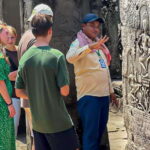
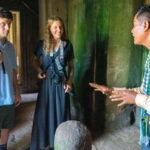
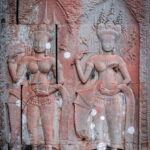
You’ll be with a private group and a real local guide—Naga is the name that comes up again and again—and that changes how the temples feel. Instead of staring at stone and hoping it makes sense, you get explanations tied to the carvings and reliefs, with the guide pointing out what to look for as you move through each site.
One more practical note: Angkor has a dress code, and this tour takes you right into the morning cool before the crowds. If you’re not ready for the rules (shoulders covered, knees covered), or you’re hoping to sleep in, this isn’t your kind of day.
In This Review
- Key things that make this tour work
- The 4:40 a.m. start that actually pays off
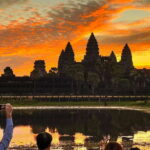
- Angkor Wat at sunrise: five towers, Vishnu, and changing light
- South Gate to Bayon at Angkor Thom: face towers with a story
- Ta Nie: the jungle calm and the lunch reset you’ll thank yourself for
- Ta Prohm in full “Tomb Raider” mode: trees, roots, and big shapes
- The last stop: small brick towers and a calmer finish
- Transport, guide style, and what’s actually included
- Price and value: what you’re really paying for
- Who this tour suits best (and who should reconsider)
- Handy planning tips from the trip rules
- Should you book this private Angkor sunrise Bayon Ta Prohm tour?
- FAQ
- What time does the tour start?
- Is the Angkor Pass included in the tour price?
- How long is the tour?
- What’s included, and what’s not?
- What dress code do I need for the temples?
- Is this tour private?
Key things that make this tour work
- Early arrival at Angkor Wat for sunrise and the best light on the main structures
- Naga’s interpretation of Hindu carvings and reliefs, so the stone has context
- Angkor Thom route with Bayon face towers and long-galleries storytelling
- Ta Nie for a real lunch break in a quieter jungle setting
- Ta Prohm and tree roots for the famous Tomb Raider-style look
The 4:40 a.m. start that actually pays off
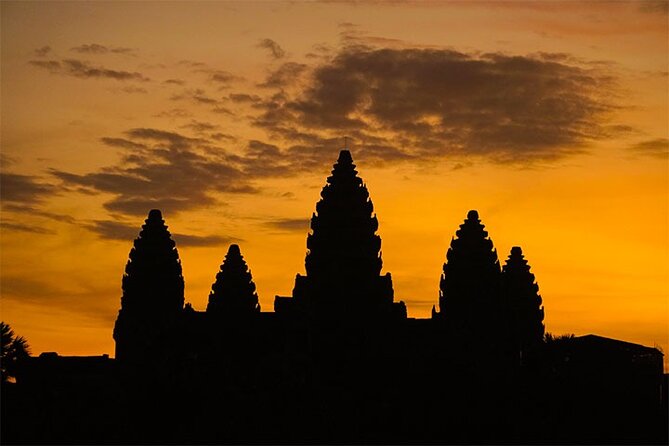
Starting at 4:40 a.m. is not a cute detail. It’s the whole point. Angkor Wat sunrise works because you’re in position early, buying your ticket first and getting time to see the big visual moment before the site fills in.
This tour also builds in a sensible flow for your brain. You’re not just collecting photos. You see Angkor Wat first, then you move into Angkor Thom, and only later do you hit Ta Nie and Ta Prohm. That order matters because the sites get more crowded as the day runs on, and the guide is set up to help you avoid the worst peaks.
The tour time is listed as about 7 hours, with the day described as around 8 hours. Either way, it’s a long block, but it’s long in the right way: you get a full circuit of key temple experiences without wasting hours negotiating transport.
You can also read our reviews of more private tours in Siem Reap
Angkor Wat at sunrise: five towers, Vishnu, and changing light
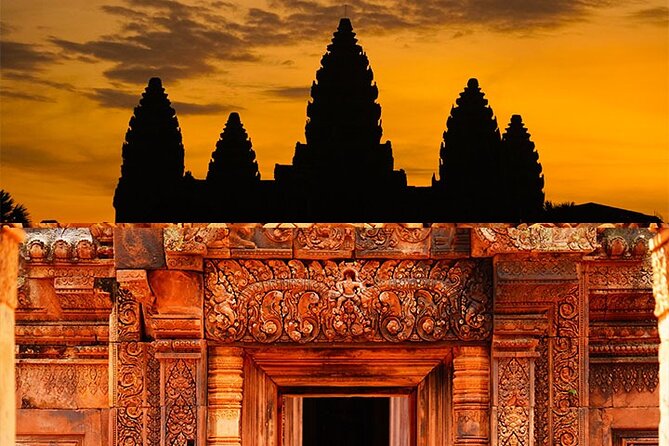
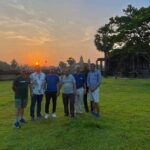
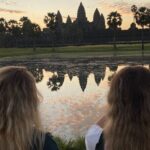
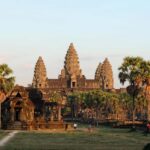
You’ll begin inside Angkor Wat with the sunrise experience. The plan is to purchase your ticket first, then settle into the main viewing area with enough time to catch the changing light. If you like photography, this stop is built around it: you’re early, and you get guidance on where to look.
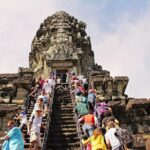
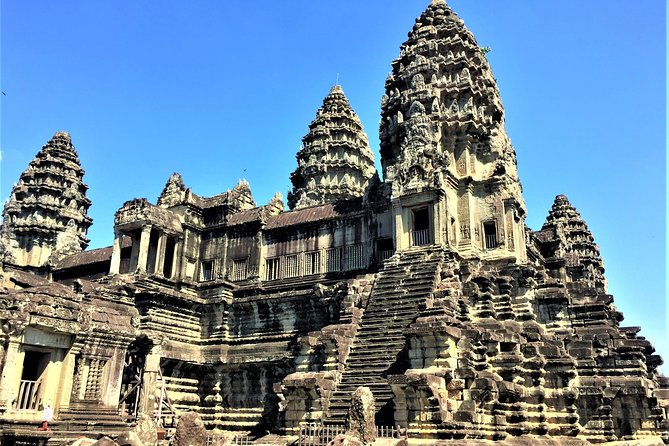
What you focus on here is specific. You’ll see the big Vishnu image and the five peak towers, explained as representing the god’s residence, plus other Hindu reliefs. That sounds straightforward, but it’s exactly what makes sunrise feel more than just a pretty sky. When you know what the carvings are doing, the whole temple stops being a backdrop and starts being a message.
There’s also a small but important practical step at the ticket office. You may need to stand in front of the camera for your ticket process. It’s quick, but plan for it so you don’t scramble while everyone else is moving.
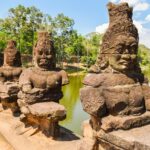
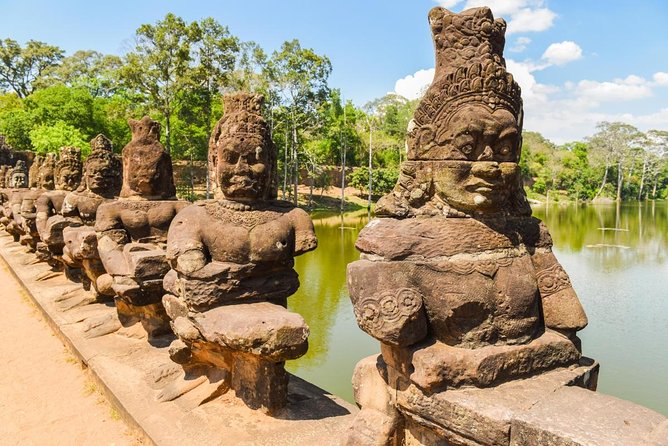
After sunrise, you head toward the South Gate of Angkor Thom for brief photos and descriptions. Think of this as a transition moment: you’re not fully switching locations yet, but you’re setting yourself up for the face-tower theme that comes next.
South Gate to Bayon at Angkor Thom: face towers with a story
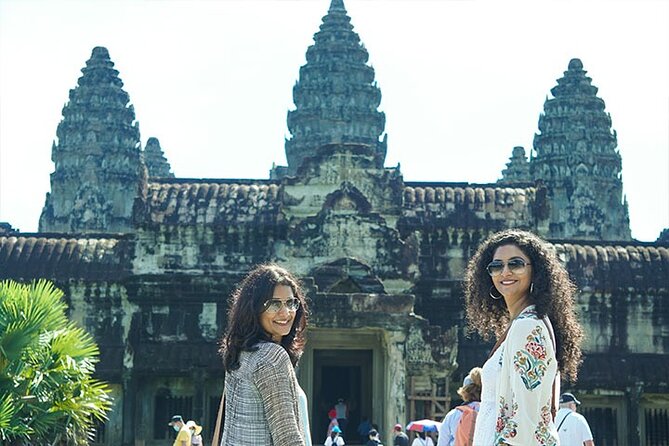
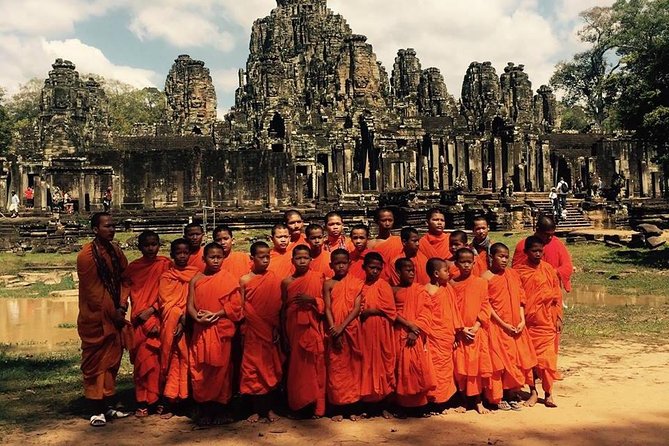
Angkor Thom is where Angkor shifts from grand symmetry to human-scale drama. The tour has you commuting around the face towers, which is where the site earns its nickname for being instantly recognizable.
But the value isn’t just seeing the faces. You also move through the long galleries with scenes of war and daily life. One of the standout details built into the explanation is how people were fishing under the sky-roof sections. If you’ve ever wondered what daily life looked like in this region long ago, this is the part where the stone starts acting like a timeline.
Also, the tour emphasizes understanding the temple through what’s carved—how reliefs relate to events in the past. Naga’s style (and he’s the name that keeps showing up) is to keep things organized and linked to what you’re looking at right then. That means you spend less time guessing.
The site can still feel busy later in the morning, which is why the private, guided setup matters. Getting there earlier and having a guide who plans photo points is one of the most praised elements of this experience.
Ta Nie: the jungle calm and the lunch reset you’ll thank yourself for
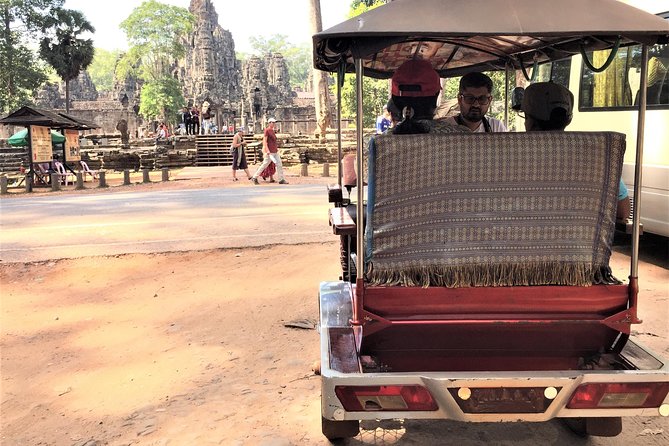
After Angkor Thom, the tour heads to Ta Nie. This is one of the best “breathing moments” in the day, and it’s deliberately placed after the bigger stops.
Ta Nie is described as a small, quieter complex with ruins tucked in jungle. You’re given about one hour to relax for lunch here. That timing is smart. If you try to cram Ta Nie right after sunrise, you’d lose the effect. Placing it after the face towers and galleries lets you reset before the heavier visual hit of Ta Prohm.
Even if you don’t get emotionally attached to ruins (and I can’t blame you), the pause helps. You get a break from constant moving and scanning. Plus, the jungle setting is exactly the kind of contrast your eyes need after hours of stone walls and intricate carvings.
One more thing: even though meals aren’t included, this lunch break is still built in as a practical slot so you’re not searching for food while everyone else is trying to beat the heat.
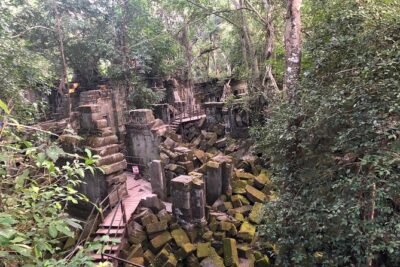
Ta Prohm in full “Tomb Raider” mode: trees, roots, and big shapes
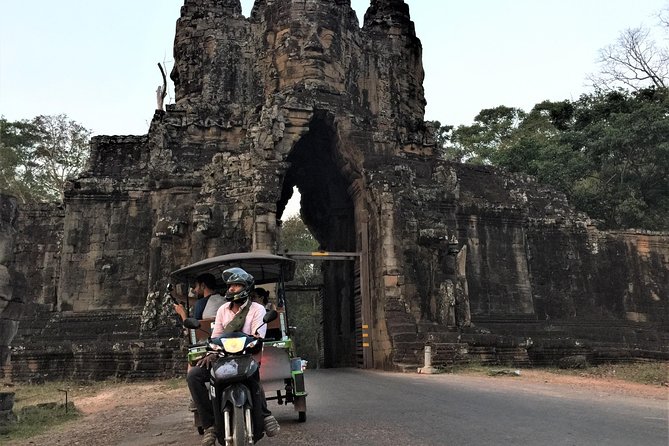
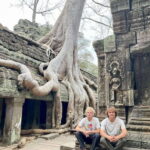
Then you go to Ta Prohm, the temple that people instantly recognize for the way trees and roots take over. The tour frames it as Tomb Raider spots, and the emphasis is on the giant roof shape and the way it scrolls up and down into view.
This stop works best if you go in with two goals:
1) look up for the roof line and big geometry
2) look around for how the trees are integrated into the stone world
The guide helps here by putting structure around what you’re seeing—explaining temple features in a way that makes the shapes feel intentional, not random. You’ll also spend time moving through the main highlights rather than rushing through everything at once.
This is also where your earlier sunrise effort starts to pay dividends. Your eyes have adjusted to the ruins. You’re no longer just hunting for the next photo; you’re noticing the layers: stone, time, and plant growth all interacting.
You can also read our reviews of more tours and experiences in Siem Reap
The last stop: small brick towers and a calmer finish
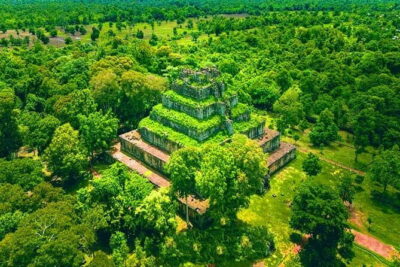
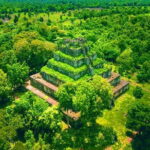
The day ends with a final temple stop described as small brick towers made by bricks. This is the kind of ending that helps the whole tour feel balanced.
Big grand temples can sometimes make the mind tired. Small brick structures are different. They tend to feel more intimate, and with less pressure, you can slow down for photos and a final look without feeling like you’re constantly sprinting.
The tour overview also hints at enjoying the unique building with a sunset-like relax vibe. The important part is that your final leg isn’t just another frantic checkpoint. It’s positioned so your day has an easing-off feeling as you wrap up and head back to the hotel.
Transport, guide style, and what’s actually included
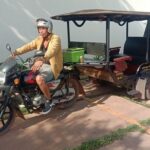
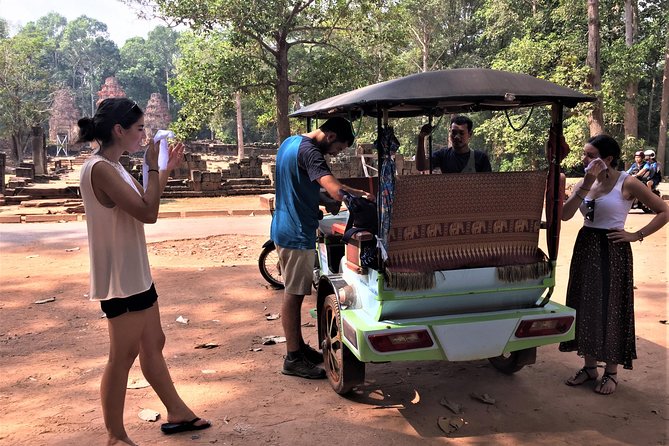
You’ll ride in a tuk tuk with a licensed driver, and you’ll have a professional English-speaking guide. Pickup and drop-off are included, which is huge in Siem Reap—early morning starts are easier when you don’t have to coordinate your own rides in the dark.
You also get cool pure drinking water and cold towels, which matters on a day that begins before sunrise but still becomes hot later. One of the reasons Naga gets recommended so often is his attention to keeping the experience smooth and the pace manageable.
Gratuity is recommended. That’s not a gimmick; it’s just the standard reality of private guiding. If you feel the guide is doing real work—explaining carvings, managing time, and helping you avoid the worst crowd moments—then budgeting a tip is fair.
Price and value: what you’re really paying for
The tour price is listed at $56.42 per person and the Angkor Pass is not included. That means your total is tour price plus your ticket.
You should know the pass cost given here:
- 1 day is $37
- 3 days is $62
So if you’re doing only this day, you might land around $93.42 per person before any extra food costs, based on the data provided. If you already plan to use a multi-day pass, the math shifts in your favor, and the guide’s time becomes a better deal because you’re using the pass on multiple days.
The reason I think this tour offers good value is simple: you’re not paying extra to merely visit temples. You’re paying for structured timing (that sunrise advantage), private guidance, and the specific temple-to-temple storytelling flow—from Angkor Wat to Bayon to Ta Nie to Ta Prohm.
Who this tour suits best (and who should reconsider)
This private sunrise tour makes the most sense if you:
- want sunrise at Angkor Wat without doing the logistics yourself
- like temples explained with a clear focus on carvings, reliefs, and mythology themes
- prefer a quieter break at Ta Nie instead of only famous, always-crowded stops
- want an English guide who’s flexible and good at answering questions (Naga’s name comes up for that kind of engagement)
You might reconsider if:
- you hate early starts and don’t want a day that begins at 4:40 a.m.
- you’re not planning to buy an Angkor Pass anyway
- you’re relying on this tour to provide meals (it doesn’t; lunch time is included, meals aren’t)
Handy planning tips from the trip rules
Angkor dress code is not optional here. You’ll want clothes that cover your shoulders and your knees. If you’re short on suitable layers, plan to fix that before you head out at sunrise.
Bring what the tour data specifically calls for:
- sunscreen
- anti-mosquitos spray
If you’re traveling with kids under 12: the data says children do not need a pass in that age group, but you must carry a passport copy.
These small preparation items help your day stay smooth—especially when the morning is early and the schedule is tight.
Should you book this private Angkor sunrise Bayon Ta Prohm tour?
I’d book it if you want the Angkor Wat sunrise experience done in a practical way, with a guide who connects what you’re seeing to what it means. The combination of Naga’s temple explanations, the Bayon face-tower route, the structured stops, and the calmer Ta Nie lunch break makes the day feel less like a rush.
Before you hit confirm, do two quick checks:
1) Are you ready for a 4:40 a.m. start?
2) Have you already decided how many days you want on the Angkor Pass?
If you can say yes to both, this tour is a strong use of your time in Siem Reap.
FAQ
What time does the tour start?
The start time is 4:40 a.m., designed for Angkor Wat sunrise.
Is the Angkor Pass included in the tour price?
No. The Angkor Pass is not included. A 1-day pass costs $37, and a 3-day pass costs $62.
How long is the tour?
The duration is about 7 hours (with the day described as roughly 8 hours in the tour flow).
What’s included, and what’s not?
Included are a professional English-speaking guide, tuk tuk with a licensed driver, cool drinking water and towels, pickup and drop-off, and a mobile ticket. Not included are the Angkor Pass, meals, and soft drinks.
What dress code do I need for the temples?
You must wear clothes that cover your shoulders and cover your knees. Proper clothes are required due to Angkor Conducts.
Is this tour private?
Yes. This is a private tour/activity, and only your group participates.