REVIEW · SIEM REAP
Kulen Elephant Forest & Kampong Phluk by Private Tour
Book on Viator →Operated by Angkor Focus Travel · Bookable on Viator
Elephants in the jungle beat any zoo day. I love the chance to feed and walk with rescued elephants in Phnom Kulen and the guidance that helps you read what’s happening in their world. I also love pairing it with Kompong Phluk on Tonle Sap Lake, including a canoe ride through flooded forests and stilted homes.
The main thing to weigh is value: at $215 per person, it can feel pricey if you’re comparing it only to elephant-forest entry. A few people have also complained about extra shopping time at the end, so go in with clear expectations about your time and your budget.
In This Review
- Key highlights you’ll care about
- The real draw: elephant time that feels hands-on
- Phnom Kulen and the 2-kilometer guided trek
- Feeding and enrichment: what actually happens in elephant care
- Lunch in the forest: good energy for a full day
- Kompong Phluk on Tonle Sap Lake: stilt houses and flooded-forest canoe time
- Guides, pacing, and why private matters in a long day
- Price and value: where $215 makes sense and where it doesn’t
- What to pack and how to prepare for a smooth day
- Should you book the Kulen Elephant Forest & Kompong Phluk private tour?
- FAQ
- How long is the Kulen Elephant Forest & Kampong Phluk private tour?
- Do I get hotel pickup and drop-off in Siem Reap?
- Is the elephant forest and Kompong Phluk entrance fee included?
- What meals are included?
- What do you do at Kompong Phluk?
- Is this a private tour?
- What happens if weather is bad or I need to cancel?
Key highlights you’ll care about
- Private hotel pickup and air-con comfort: the drive back and forth is part of the value.
- Up-close elephant care: feeding snacks and enrichment toys, plus guided walking in the forest.
- Phnom Kulen National Park time: a guided trek (about 2 kilometers) with waterfall sights.
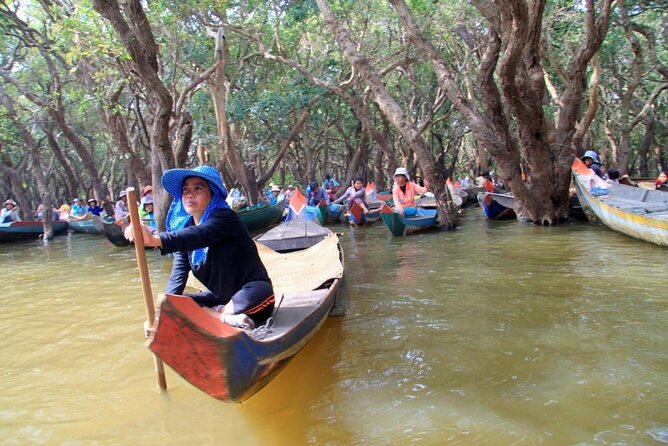
- Kompong Phluk by boat and canoe: stilt houses, floating market scenes, and flooded-forest paddling.
- Food and small comforts included: lunch (or brunch depending on departure) plus bottled water and cold towels.
- Guides make the day: names like Salah, Borey, Chenla, and Sothoun show up in guides people liked for their storytelling and humor.
The real draw: elephant time that feels hands-on
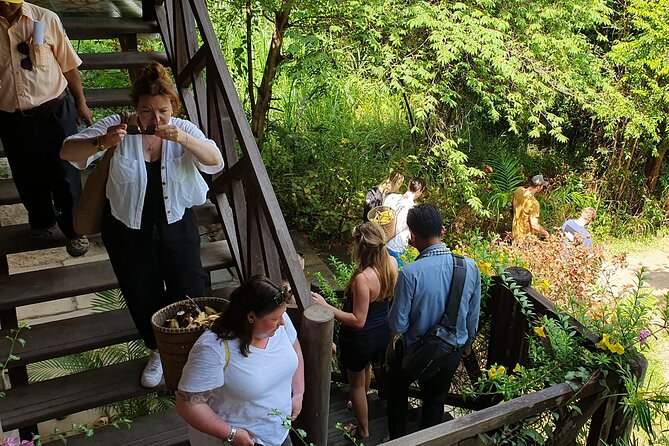
Kulen Elephant Forest is the kind of experience that works because it’s not built around a quick “see and leave” moment. You spend real time with elephants in a forest setting, watching their routines and getting involved in their day through safe, keeper-style interactions like preparing and offering healthy snacks.
What I like about this setup for your trip planning is that the day isn’t just photo time. You’re also there to understand what the place is doing for these elephants and how daily care works. One practical detail: wear clothing you don’t mind getting warm or dusty. Some of the ground can be loose, and you may move at a relaxed walking pace during the forest portion.
Elephant encounters in general can go two ways: either they feel staged, or they feel like you’re observing genuine care. This one leans toward care and observation. When guides are strong—people have mentioned guide humor and history talk from names like Salah and Borey—it helps you feel connected to what you’re seeing, not rushed through it.
You can also read our reviews of more private tours in Siem Reap
Phnom Kulen and the 2-kilometer guided trek
After getting picked up in Siem Reap, you head toward Phnom Kulen National Park. The drive is part of the mood shift: jungle scenery, changing light, and the sense that you’re leaving the main tourist corridor behind.
Once you arrive, the day starts with an intro briefing. That matters more than it sounds. It sets the tone for how close you’ll get to elephants, what to expect in the forest, and how the team wants you to move and behave. Then comes the guided walking time with the elephants, followed by a guided trek in the park area.
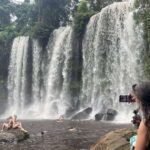
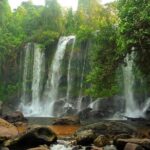
The trek is about 2 kilometers. It’s not a long hike, but it’s enough to feel like you’re in the national park, not just standing around. You also get chances to see waterfalls and to look out over the wider area—views tied to Tonle Sap Lake and toward Kompong Phluk.
Possible drawback to keep in mind: it’s still a walking day. If you’re prone to blisters or you hate uneven ground, plan footwear carefully. And if rain hits, the park experience can get muddy—this is one of the reasons weather matters for the trip’s overall comfort.
Feeding and enrichment: what actually happens in elephant care
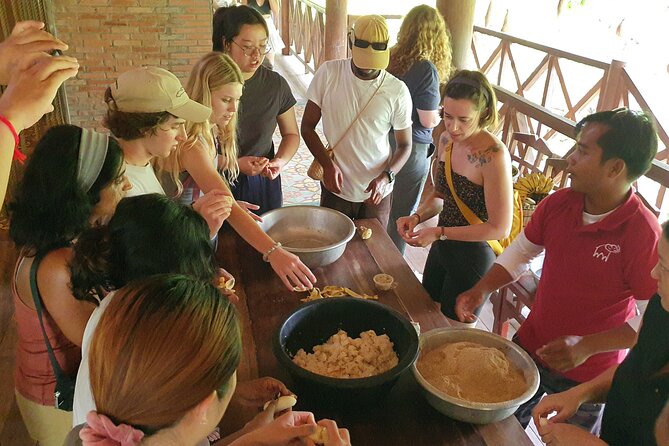
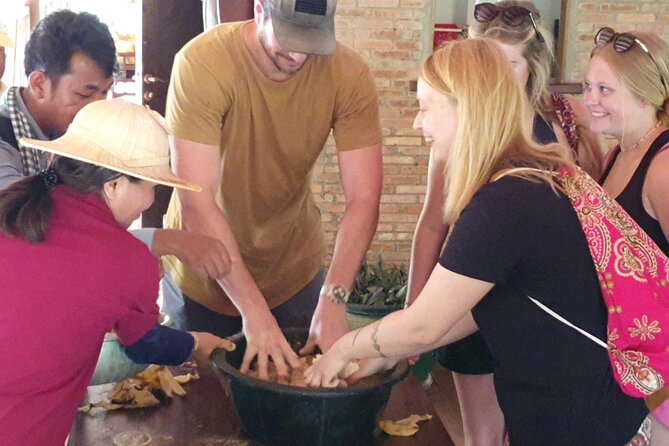
This tour is designed around interacting through care tasks. That usually means you’ll do things like prepare food and offer snacks at the elephants’ pace. It also includes enrichment toys, which are meant to keep elephants engaged rather than waiting around.
In real-world terms, you’re not just feeding and running. You’re in the flow of the elephants’ behavior: they move, you follow the lead of the handlers and guides, and you watch how they respond. People have highlighted how gentle the elephants feel during these moments—especially when there’s water involved nearby.
You might also have extra activities depending on timing and the day’s program. Some groups mention washing elephants as part of their day, and others mention longer interaction time and playful moments in water. I can’t promise every schedule includes the same add-ons, but the core experience is consistent: close observation plus structured interaction.
Photo note, because it affects your satisfaction: some guides take pictures for you during the day. One person was upset about not receiving photos afterward. So do yourself a favor: ask how photos will be shared (and when). Bring your own camera too, since not every setup matches what you’ll want.
Lunch in the forest: good energy for a full day
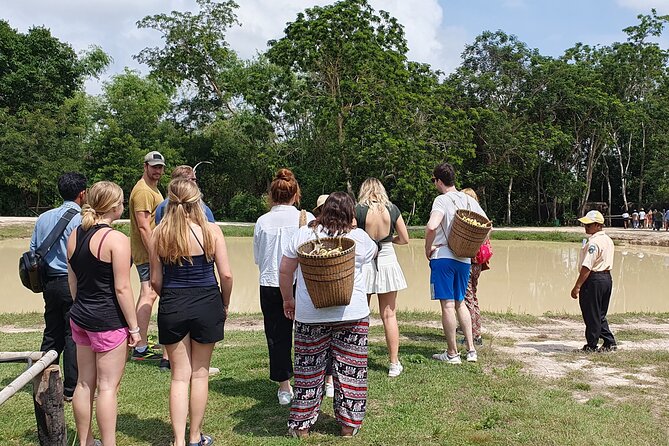
Food is included, and that’s not a minor detail here. You’re doing two major experiences in one day—elephants and then Kompong Phluk—so a decent meal keeps the whole schedule feeling sane.
Lunch happens at the elephant forest camp, or you may receive brunch for afternoon departures. Either way, the meal is part of the included package. People have praised the lunch as filling and plentiful, which matters when you know you won’t want to hunt down food once you’re on the move.
Bring a simple mindset: hydrate early and often. The tour includes bottled water and cold towels, but it’s still Cambodia. If you run on caffeine only, you may feel it after the walking portion.
Also consider bringing a little cash. The provided meal doesn’t cover everything you might want later, and Kompong Phluk has places where you can buy drinks while you’re out on the water.
Kompong Phluk on Tonle Sap Lake: stilt houses and flooded-forest canoe time
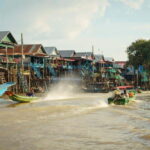
After the elephant portion, you continue to Kompong Phluk, one of the more scenic Tonle Sap Lake village areas. The big appeal is the setting: houses on stilts, community boats, and the daily rhythm shaped by flooding seasons.
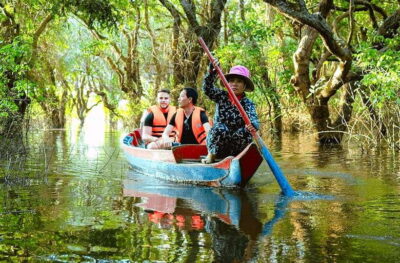
Your time here includes cruising around the village and floating market scenes. Then there’s a canoe ride through flooded forests, which is the moment that tends to feel most different from typical sightseeing. The canoe part gets you closer to the water-world than a larger boat cruise does.
One practical consideration: Kompong Phluk is scenic, but it can also feel emotional for some people because it shows a life built around flooding and limited infrastructure. If you prefer bright, carefree scenery, you might find the tone more real than fluffy. If you like cultural context, it’s exactly the kind of place where a guide’s explanation helps a lot.
Boat experience tip: some groups mention having their own boat captain and feeling like they had more privacy on the water, which can reduce waiting and crowding. Even when you don’t get the same exact boat setup, you can still expect guided navigation and a structured stop time.



Guides, pacing, and why private matters in a long day
A private tour isn’t only about not sharing with strangers. It’s also about pacing. With this day running roughly 6 hours, you don’t want awkward handoffs or slow logistics that steal your energy.
Private transportation means you get pickup and drop-off at your hotel and travel in an air-conditioned vehicle by car or minivan. That’s a simple comfort win when you’ve got a morning or midday drive and you’ll likely be dressed in warm layers for jungle air.
Guides can also change the day quality. People have mentioned guides like Salah sharing history, culture, and current events—especially appreciated when traveling with kids. Others described guide humor and story-driven drives from names like Chenla and Borey. You don’t need a comedian to enjoy elephants, but the best guides help you slow down and notice details: how handlers move, what elephants do between actions, and why the village life looks the way it does.
Pacing note: even on a private tour, your elephant-forest segment may still connect with a small group format at the site. That doesn’t ruin the day, but it explains why the interaction may feel like it has set timing. If you’re hoping for a fully solo elephant walk from start to finish, you may want to confirm what happens at the elephant-care location.
Price and value: where $215 makes sense and where it doesn’t
At $215 per person, you’re paying for a bundle: private transfer, English-speaking guide, admission and entrance fees, lunch, and the “time saved” element of getting between two far-apart locations efficiently.
So when does this price feel fair?
- When you want hotel pickup and drop-off rather than juggling tickets and transport yourself.
- When you care about having a guide to explain what you’re seeing—especially at elephant care and at Tonle Sap village life.
- When you want both elephants and Kompong Phluk in one day, without choosing between them.
When might it feel too high?
- If you’re comparing it strictly to elephant forest entry. Some people have said they found the elephant-forest experience available more cheaply by booking directly, with lunch and transport included at lower cost. Based on those comments, the elephant-only option may be significantly cheaper than a bundled private day.
- If you’re sensitive to any “shopping time” at the end. One review mentioned forced shopping. That doesn’t happen to everyone, but it’s enough of a risk that it’s worth setting expectations with your guide in advance.
My practical advice: think about what you value more—cost or smoothness. If you’re traveling solo or as a couple, private transfers can be worth it. If you’re on a tight budget and don’t mind independent logistics, you might prefer building a self-guided plan around the elephant forest and then adding Kompong Phluk separately.
What to pack and how to prepare for a smooth day
This is a hands-on nature and village day. Pack for comfort, not for looking perfect.
Bring:
- Light, breathable clothes that can handle jungle humidity.
- Sturdy footwear for loose dirt during walking portions.
- A towel (people specifically recommend it).
- Cash for extra drinks or small purchases, especially around Kompong Phluk and while you’re out on the water.
Consider:
- Sunscreen and a hat, since the day includes outdoor trekking and boat time.
- A small bag that’s easy to keep with you during canoe moments.
- Extra care with phone bags or waterproofing. Tonle Sap and canoe time can mean splashes.
If you’re trying to keep expectations realistic: the elephant forest experience is the star, so plan your mindset around being flexible and present during that segment. The village part is slower and more reflective, not a sprint for one perfect photo.
Should you book the Kulen Elephant Forest & Kompong Phluk private tour?
I’d book this tour if you want a day that’s both scenic and meaningful: elephants up close in a forest care setting, plus Kompong Phluk’s Tonle Sap world with stilted homes and canoe time. Private pickup and guide attention make it feel easier, and the included lunch plus small comforts help you avoid the usual “we’re hungry and sweating” travel trap.
I’d hesitate if $215 feels like a stretch and you’re comfortable handling logistics on your own. Also, if you dislike any end-of-tour shopping stops, message your operator or guide in advance so you can protect your time.
If you want the smoothest way to see both places without splitting your day, this private combo is a strong pick. Just go in with a simple checklist: good shoes, bring a towel, and be ready to spend time watching rather than just snapping.
FAQ
How long is the Kulen Elephant Forest & Kampong Phluk private tour?
The tour runs about 6 hours total, with roughly 4 hours at the Kulen Elephant Forest area and about 2 hours at Kompong Phluk.
Do I get hotel pickup and drop-off in Siem Reap?
Yes. The tour includes pickup and drop-off at your hotel.
Is the elephant forest and Kompong Phluk entrance fee included?
Yes. Entrance fees are included for the Kulen Elephant Forest Camp and for Kampong Phluk Floating Village.
What meals are included?
Lunch is included at the Elephant forest camp, and the tour notes brunch for afternoon departures.
What do you do at Kompong Phluk?
You cruise around the stilted houses and floating market and then take a canoe ride through the flooded forests.
Is this a private tour?
Yes. It’s private, meaning only your group participates.
What happens if weather is bad or I need to cancel?
The tour requires good weather. If it’s canceled due to poor weather, you’ll be offered another date or a full refund. You can cancel for a full refund if you cancel at least 24 hours in advance.