REVIEW · SIEM REAP
Kompong Phluk Floating Village Tour from Siem Reap
Book on GetYourGuide →Operated by Tara Riverboat · Bookable on GetYourGuide
Stilted houses, real daily life, big skies. This Kompong Phluk floating village tour takes you from Siem Reap into the UNESCO Tonlé Sap biosphere, where water depth changes the whole way people live and travel.
I like how the day stays practical, not theatrical: you’ll see farming and fishing life up close, and you’ll visit village schools and a pagoda temple as part of the community. You also get time on the lake itself, with chances to spot birds, buffalo, and the working rhythms of Tonlé Sap.
One consideration: what you see depends on season and water levels, so the flooded-forest boat rowing can be shorter or less dramatic in drier months, and the overall “wow” may feel lighter if you expect animals everywhere or a packed itinerary.
In This Review
- Key highlights at a glance
- A practical way to reach Kompong Phluk: rural road first, then boats
- What Kompong Phluk feels like once you’re in the stilted township
- Schools stop: small detail, big impact
- The pagoda temple and what to notice while you walk
- Flooded-forest boat rowing: the star moment, but only when water cooperates
- Two villages of Kompong Phluk, separated by a pergola
- Tonlé Sap Lake time: wildlife chances and why the lake matters
- What you might spot (and how to think about it)
- Lunch and small comforts that help a 4-hour day feel easy
- Price and value: what $66 gets you, and when it’s a good deal
- Who should book this tour (and who should set different expectations)
- A quick note on animal-related stops nearby
- Should you book the Kompong Phluk Floating Village Tour?
- FAQ
- How long is the Kompong Phluk floating village tour?
- What’s included in the price?
- What does the tour include besides the floating village?
- Is pickup available from my hotel in Siem Reap?
- Can children join the tour?
- Does the tour run in bad weather?
Key highlights at a glance
- UNESCO Tonlé Sap biosphere: a lake system shaped by changing water depth
- Stilted Khmer village life: homes that can reach about 10 meters above ground
- Schools and pagoda temple: a look at everyday community landmarks
- Flooded-forest rowing: a calmer boat experience, when water allows
- Two Kompong Phluk villages: visits to both sides, separated by a pergola
- Local guide perspective: storytelling shaped by life from inside the area
A practical way to reach Kompong Phluk: rural road first, then boats
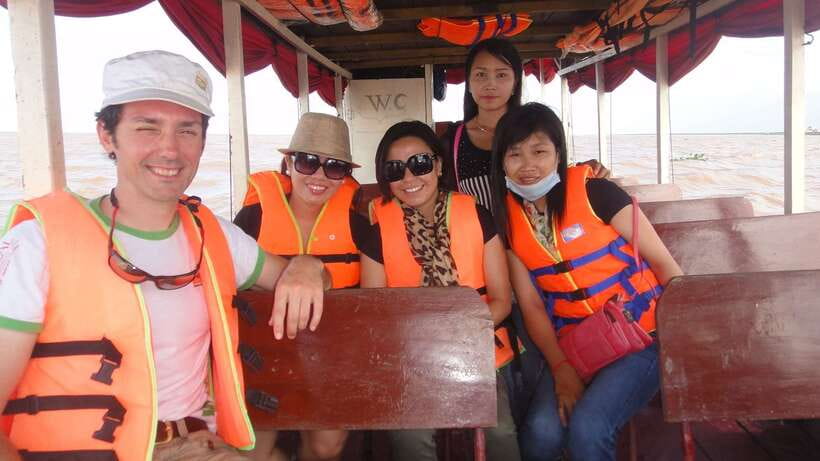
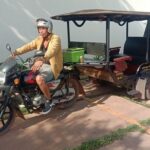
Your day starts in Krong Siem Reap with pickup, then a short tuk-tuk ride to your transport. From there, the route heads south-east through rural villages and rice fields, which helps set expectations. This isn’t a straight shot like a temple shuttle. You’re moving through the real geography that feeds Tonlé Sap.
As you approach the Tonlé Sap area, the landscape starts to make more sense. The lake is part of the daily economy of the region, not just a scenic stop. And because the system is a designated biosphere reserve (UNESCO, 1997), you’ll understand quickly why guides talk so much about biodiversity and water movement.
After you travel as far as the road allows, the boat part begins. That shift matters. It’s the moment the day turns into Tonlé Sap life, where navigation, timing, and even sight lines depend on water conditions.
You can also read our reviews of more tours and experiences in Siem Reap.
What Kompong Phluk feels like once you’re in the stilted township
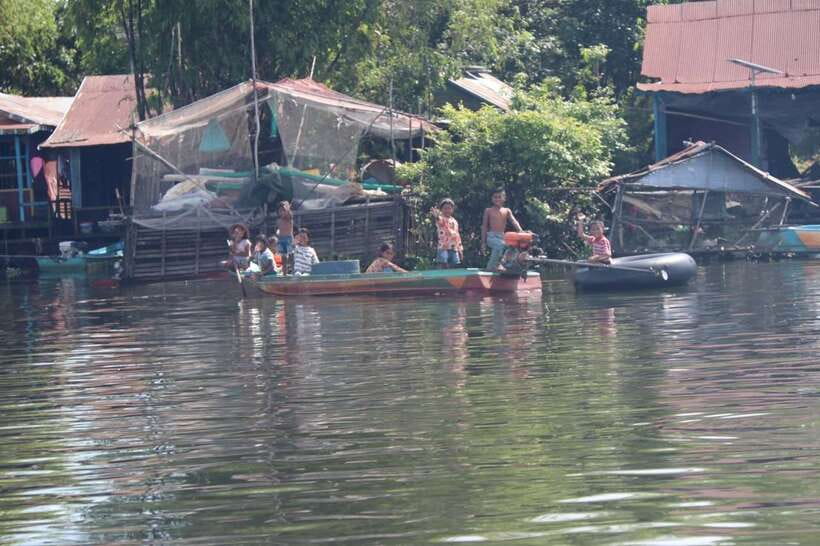
Kompong Phluk is a traditional Khmer community of about 3,000 people, and the tour is built around that fact. The main street and the surrounding areas are full of stilted homes, many rising roughly 10 meters tall. Even when you’re just looking, you can see the logic: when the water rises, ground-level becomes water-level.
Your guide’s job is to translate what you’re seeing. On a good day, you’ll hear how locals combine fishing with farming, and how the village schedule shifts across seasons. Guides from the area can make this feel less like a lesson and more like a lived explanation.
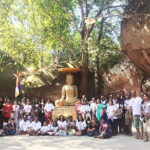
This is also where the cultural stops become more meaningful. Visiting a pagoda temple isn’t just a photo moment. It’s a way to see how spiritual and community life connects inside a fishing village, not in isolation from daily work.
Schools stop: small detail, big impact
One of the most praised parts of this experience is the chance to visit schools in the village. You’ll see the school environment as part of the community fabric, not as a staged performance. It gives context for what families are building year to year, even with the challenges of a changing environment.
It also helps you understand why many guides stress community connections. When your guide is speaking from local life, the schools don’t feel like a random stop. They feel like an anchor.
The pagoda temple and what to notice while you walk
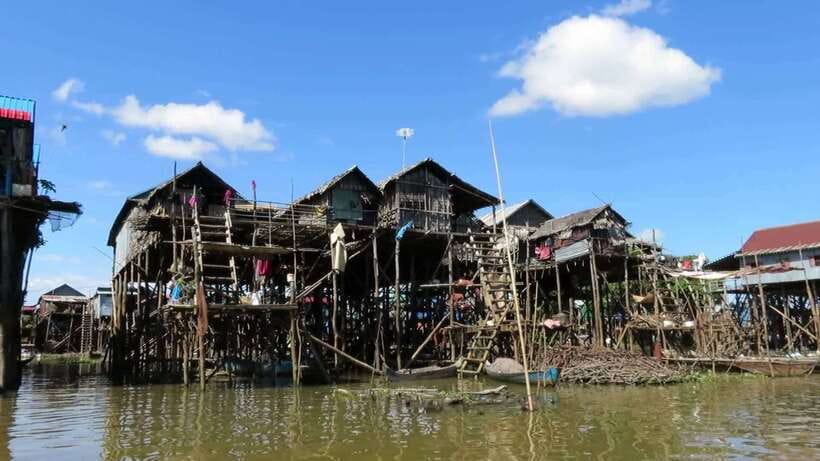
You’ll head to a pagoda temple and spend time moving around the village area, with a bit of walking involved. Don’t treat it as a long hike. It’s short, and it’s meant to help you see the stilted architecture from multiple angles.
As you walk, look for the everyday design clues:
- Where the stilt foundations sit relative to the waterline
- How pathways and access points work when water rises
- How the village layout keeps daily movement practical
These small visual cues explain more than a speech ever will. If you’re someone who likes to connect what you see to how people live, this part usually lands well.
Flooded-forest boat rowing: the star moment, but only when water cooperates
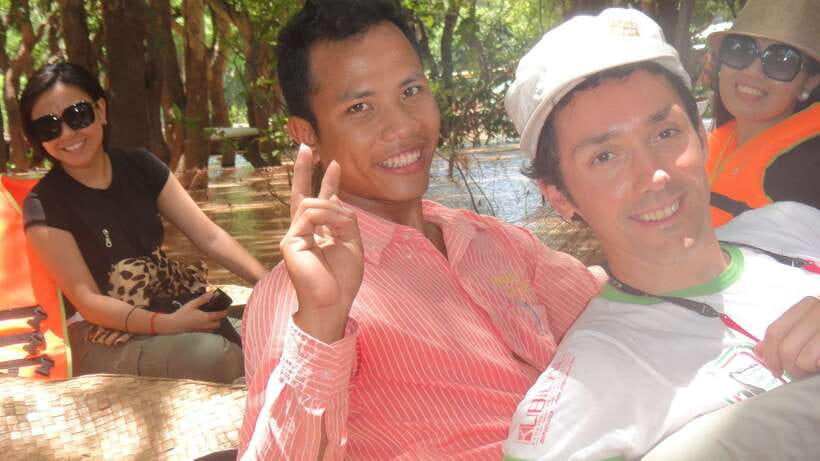
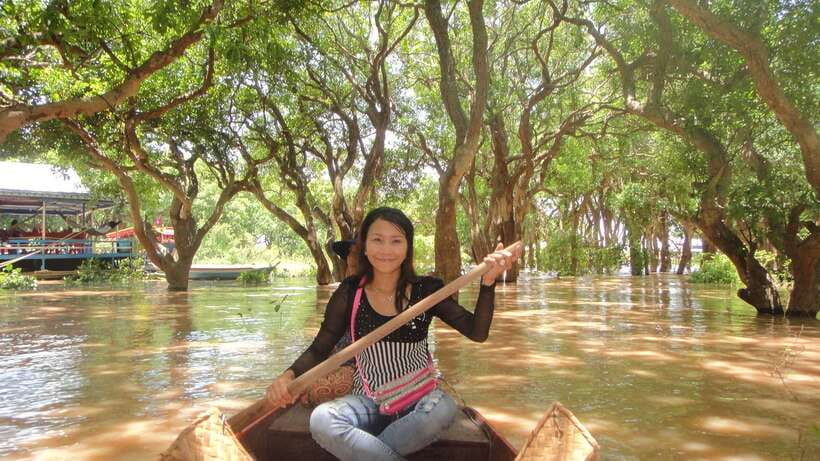
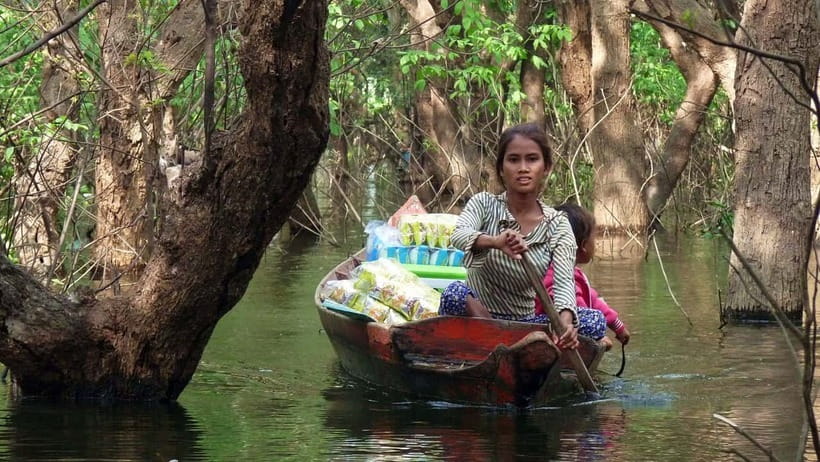
One of the tour’s signature experiences is being rowed through the flooded forest in a smaller boat. If water levels allow, you’ll get that slow, quiet movement through the waterlogged trees, which can feel surprisingly peaceful.
Still, this is where your season matters. The lake level can vary by up to 10 meters depending on the time of year. In wetter seasons, you typically get more flooded forest coverage and more of that enclosed, watery corridor feeling. In dry season, the route may be more limited, or you may end up spending more time walking than rowing through dense flooded sections.
The practical takeaway: if you care most about the flooded-forest part, plan around season if you can. If you can’t, don’t assume it will be identical every time. But even when conditions are drier, the village itself and the Tonlé Sap wildlife time still carry plenty of value.
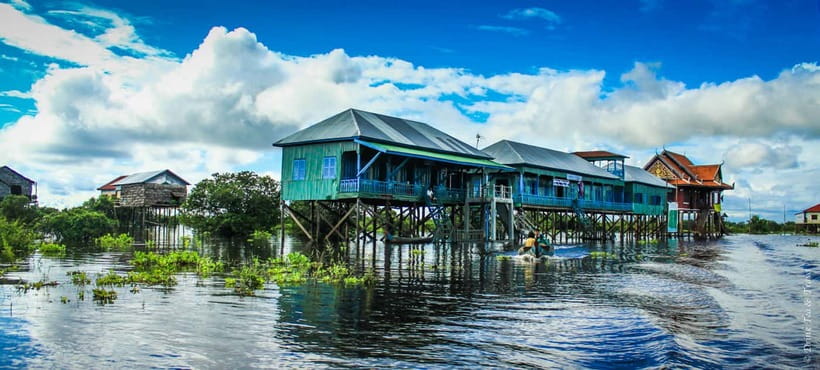
Two villages of Kompong Phluk, separated by a pergola
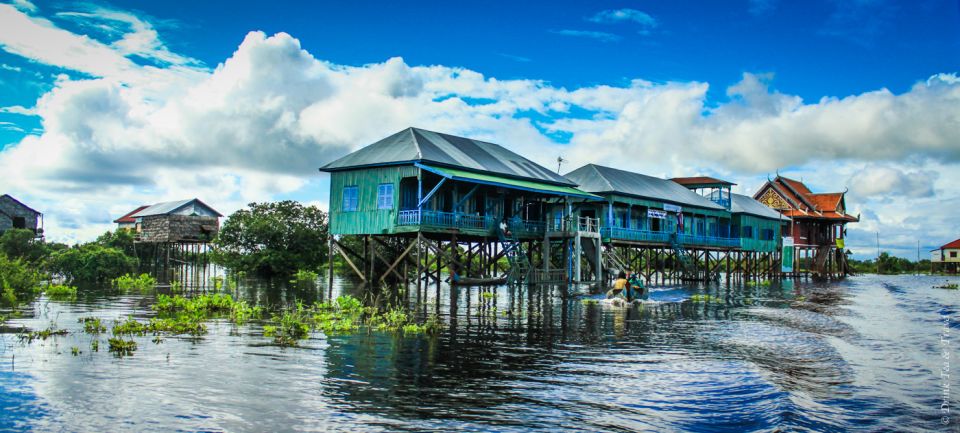
A key detail that makes this tour different is that Kompong Phluk is two villages, and the tour visits both. They’re separated by a large pergola, which acts like a landmark for the transition between areas.
Why that’s worth it: one village can already feel “complete,” but seeing both gives you a wider picture of how people organize daily life across the same larger water system. You also get more chances to observe the stilted housing pattern and how access paths shift from one area to the next.
In practice, this usually means fewer “I’ve seen it all” moments. Instead, the day keeps a sense of discovery: new street, new cluster of homes, and a different feel to how families move around the water.
Tonlé Sap Lake time: wildlife chances and why the lake matters
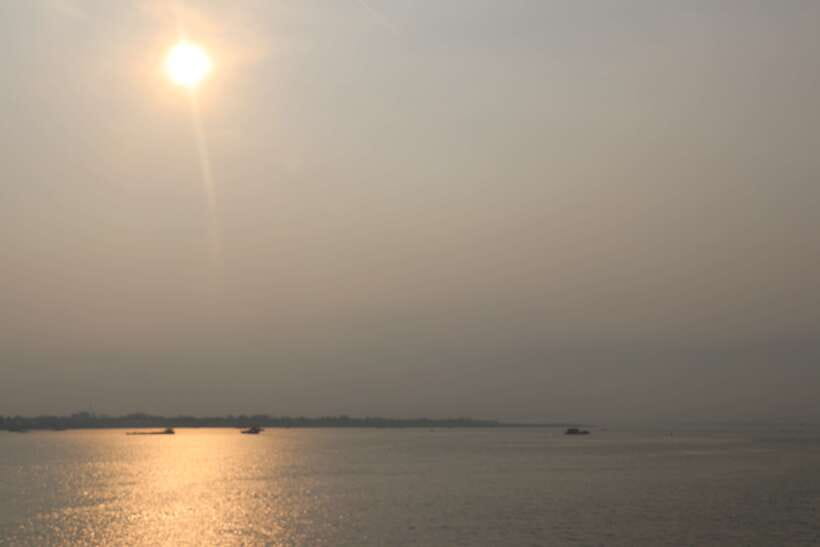
After village exploring and any flooded-forest rowing, you’ll head further out to Tonlé Sap Lake. This is not a small pond. It’s the largest freshwater lake in Southeast Asia, and it’s known as the richest fishing lake in the world.
That matters for your perspective. When your guide explains that a huge share of Khmer protein comes from farming and fishing around the Tonlé Sap ecosystem, the day stops being a sightseeing loop. You start seeing the lake as an engine that powers livelihoods.
What you might spot (and how to think about it)
Your guide may point out:
- large water birds, including rare or unique types when conditions are right
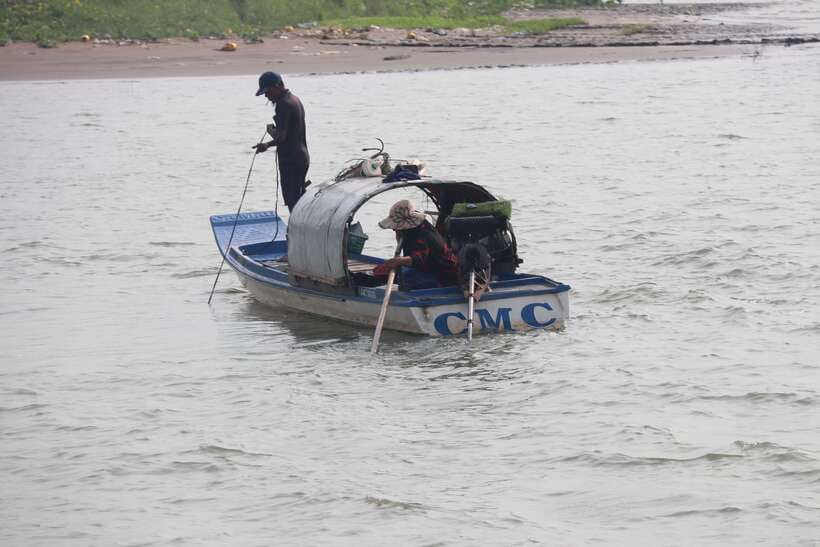
- fishing activity in the shallows
- water buffalo cooling down in connected river systems
Think of this as wildlife viewing with local context. You’re not in a zoo with guaranteed sightings. You’re in a working ecosystem where animals move based on weather, water depth, and timing.
If you’re lucky, you’ll see fishing in the shallows or birds flying overhead. If you’re not, you’ll still come away with a clearer idea of why the lake supports so many people and so many species.
Lunch and small comforts that help a 4-hour day feel easy
This tour includes a light fruit lunch and water. That’s a small thing, but it’s the difference between “I’m fine” and “I’m starting to fade” when you’ve been on boats and walking short sections.
The whole experience is designed as a 4-hour outing, which keeps the day from swallowing your entire Siem Reap schedule. You’ll appreciate this if you’re also juggling temple time and want something that feels culturally grounded without stealing a full day.
Price and value: what $66 gets you, and when it’s a good deal
At about $66 per person for a 4-hour tour, the value comes from three areas: guided context, boat time, and included logistics.
You’re not just getting a ride to a viewpoint. You get:
- hotel pickup and drop-off
- transportation by car or minivan plus tuk-tuk time
- a professional guide
- boat trip
- light fruit lunch and water
- checkpoint fees
That combination adds up. It reduces decision fatigue for you and keeps the day flowing. It’s also why this price can feel fair even when wildlife sightings are modest. The guide time and the village education are part of what you’re paying for.
That said, one review concern that you should take seriously: if your expectations are very high for constant excitement or lots of animal encounters, you might feel the day is lighter than you expected for the cost. This is a village-and-ecosystem tour. It’s about daily life and environment, not nonstop spectacle.
If you go in wanting insight—how stilted communities adapt, how schools and temples sit inside village life, and how Tonlé Sap works—you’ll likely feel you got your money’s worth.
Who should book this tour (and who should set different expectations)
This is a strong fit if you:
- like authentic, local-life travel where you’re learning real routines
- want a change of pace from Angkor temple days
- enjoy boats and water-based scenery
- care about how communities adapt to changing seasons
It may be less ideal if you:
- want guaranteed wildlife sightings every time
- dislike any animal-related facilities you might pass nearby in the broader area
Also note one practical point: unaccompanied minors aren’t allowed, and children must be accompanied by an adult.
A quick note on animal-related stops nearby
Some tours in this area can brush up against animal-holding facilities, and one concern raised is that you may encounter a small crocodile farm with animals in cages as part of the wider route. Your tour’s exact details can vary by day and local operations, so it’s smart to ask your guide what you’ll pass near, especially if animal welfare matters a lot to you.
If you’re sensitive to that, you can still decide to go—but do it with your eyes open.
Should you book the Kompong Phluk Floating Village Tour?
I’d book this tour if you want a real Tonlé Sap day: stilted homes, school and temple context, and time on a lake ecosystem that actually feeds a region. The best version of the tour feels calm, informed, and grounded in how people live with water as a changing neighbor.
Skip it or adjust expectations if you’re chasing nonstop “wow” or guaranteed wildlife photos. The lake is impressive, but sightings depend on season and conditions, and the experience is more about life and ecosystem than fireworks.
If you do book, I’d also lean into the guide’s stories. Names like Mr Friday, Mr Wanna, Veel, Tong, and HOY show up in the experiences people remember, and the consistent theme is clear explanations and friendly communication. That’s often what turns a good visit into a memorable one.
FAQ
How long is the Kompong Phluk floating village tour?
The tour duration is about 4 hours.
What’s included in the price?
It includes hotel pick-up and drop-off, transportation (car/minivan plus tuk-tuk), a professional guide, a boat trip, a light fruit lunch, water, and all checkpoint fees.
What does the tour include besides the floating village?
You’ll visit Tonlé Sap, see stilted homes in the Kompong Phluk area, visit a few schools and a pagoda temple, and you may row through the flooded forest if water levels allow. The tour also visits both Kompong Phluk villages.
Is pickup available from my hotel in Siem Reap?
Yes. Pickup is included from your hotel or guesthouse in Siem Reap (Krong Siem Reap pickup point).
Can children join the tour?
Children must be accompanied by an adult, and unaccompanied minors are not allowed.
Does the tour run in bad weather?
It operates in all weather conditions. You should dress appropriately for the conditions on the day.