REVIEW · SIEM REAP
Beng Melea, Rolous Group & Kompong Phluk Floating Village
Book on GetYourGuide →Operated by Angkor Visitor Tour · Bookable on GetYourGuide
Jungle temples and floating villages in the same day is a rare combo. This tour strings together Beng Melea’s unrestored ruins, the early Khmer stonework of the Rolous Group, and the boat ride through Kompong Phluk on Tonle Sap, finishing with sunset. It’s the kind of route that feels like you’re traveling through Cambodia’s layers of time, without racing nonstop.
I especially like how the day balances nature and history, and how the guide does more than point. With English support, plus clear explanations (including for kids), you get the why behind what you see. One consideration: there’s a lot of walking and uneven ground, so you’ll want the right shoes and clothing, and it’s not set up for wheelchair users.
In This Review
- Key Things You’ll Notice on This Tour
- A 9-Hour Route That Moves With the Right Pace
- Beng Melea: Jungle Temple Photography Without the Usual Polish
- What I like about Beng Melea’s atmosphere
- A practical caution
- Rolous Group Temples: Early Khmer Stone Structures Worth the Time
- Why Rolous feels different from Beng Melea
- The guide makes a difference here
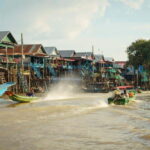
- Kompong Phluk on Tonle Sap: Floating Homes, a Boat Ride, and Flooded Forests
- What you’ll see around Kompong Phluk
- The flooded mangroves payoff
- One thing to plan for
- Price and Logistics: Is $125 per Group Good Value?
- What’s Included (and What You’ll Need to Bring)
- Pack smart for the Cambodian heat and insects
- Who This Tour Suits Best (and Who Should Skip It)
- Not suitable for:
- Should You Book This Private Beng Melea, Rolous, and Kompong Phluk Tour?
- FAQ
- How long is the tour?
- What time does pickup happen?
- Is the tour private, and what’s the group size?
- Is the boat ride included, and how long is it?
- Are entrance fees included?
- Does the tour include meals?
- Is this tour wheelchair accessible?
Key Things You’ll Notice on This Tour
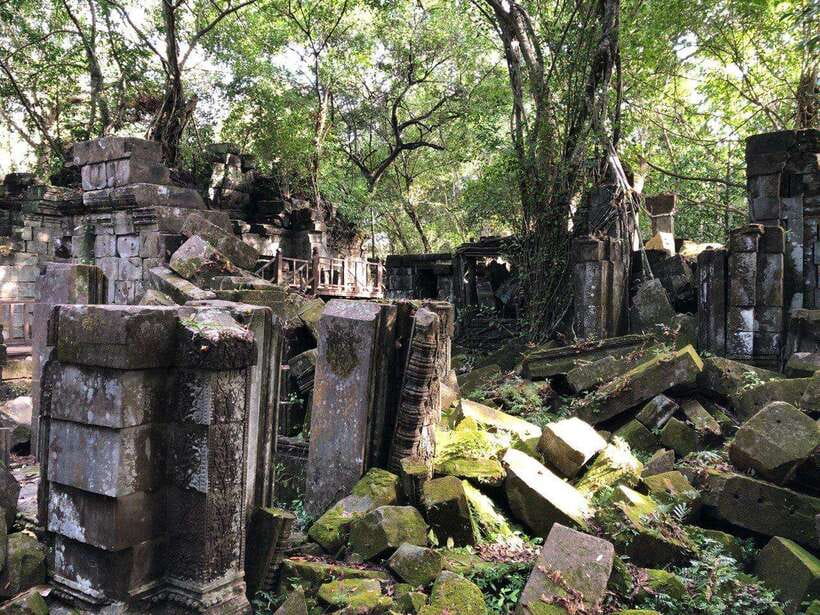
- Beng Melea’s unrestored jungle ruins, where trees grow through broken towers for dramatic photos
- Rolous Group temples as some of the earliest permanent Khmer structures from the late 9th century
- A private boat through Tonle Sap’s fishing areas with stilt houses and everyday village life
- Kompong Phluk highlights including a floating hospital and an Iceland Buddhist temple
- Sunset time on Tonle Sap, turning the long drive and boat ride into a proper payoff
A 9-Hour Route That Moves With the Right Pace
This is a private group day tour designed to cover three big experiences without feeling like a checklist. You start with hotel pickup at 8:30am in Krong Siem Reap, then settle in for an easy ride through rural areas before the first temple stop.
The rhythm matters here. You don’t just “see” temples—you get time to walk the grounds at Beng Melea and to understand what the Rolous Group represents. Then the plan shifts to water and village life, with a private cruise on Tonle Sap that’s long enough to feel like you’re actually in the landscape, not just passing through.
For a lot of people, the real reason this works is that the day has two different kinds of awe: one is jungle ruins, the other is a floating world built around the seasonal flood cycle.
You can also read our reviews of more tours and experiences in Siem Reap.
Beng Melea: Jungle Temple Photography Without the Usual Polish
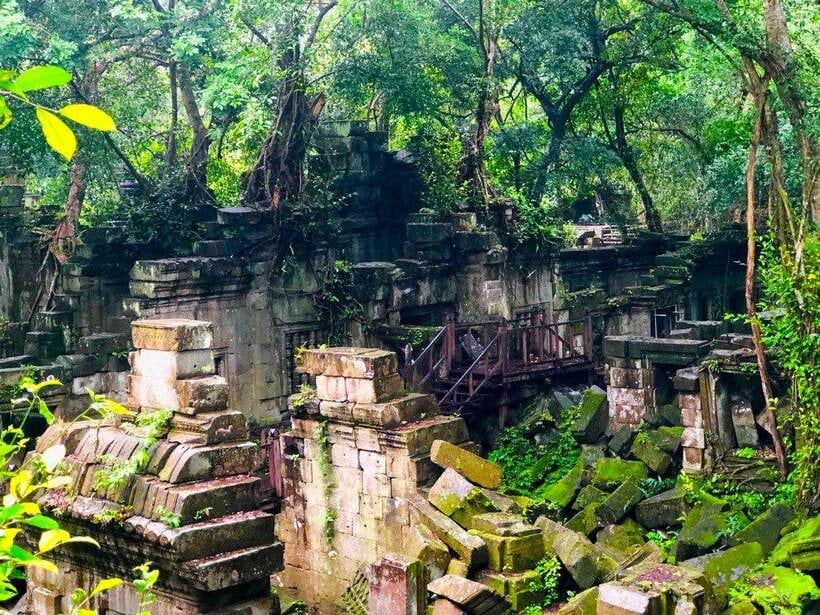
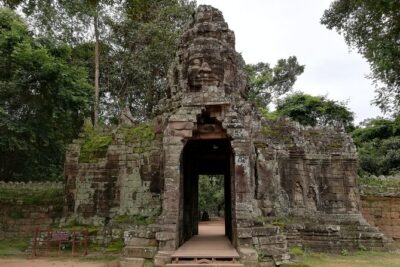
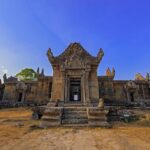
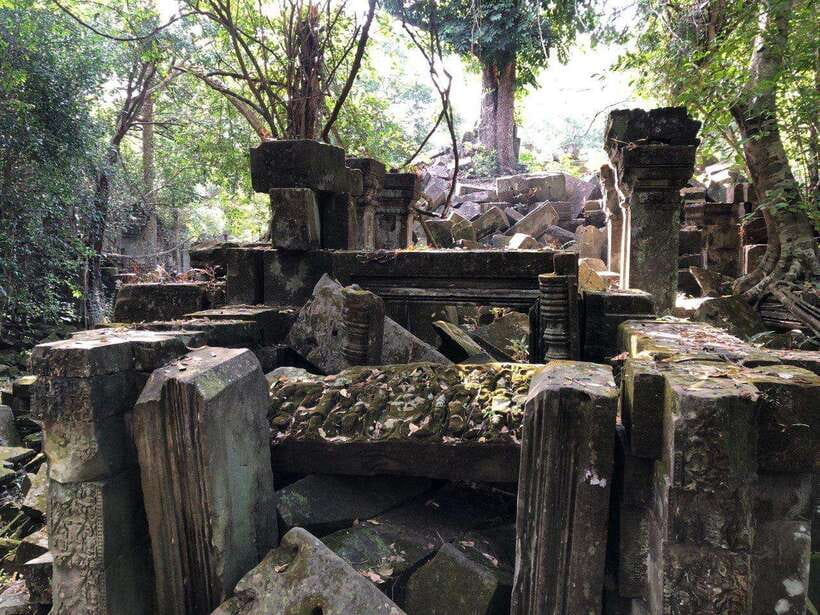
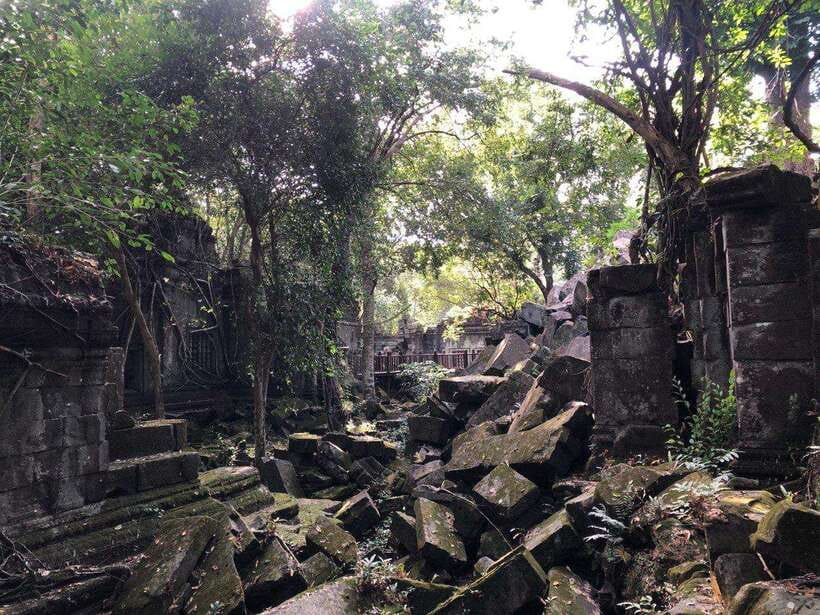
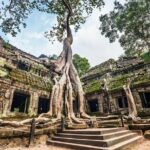
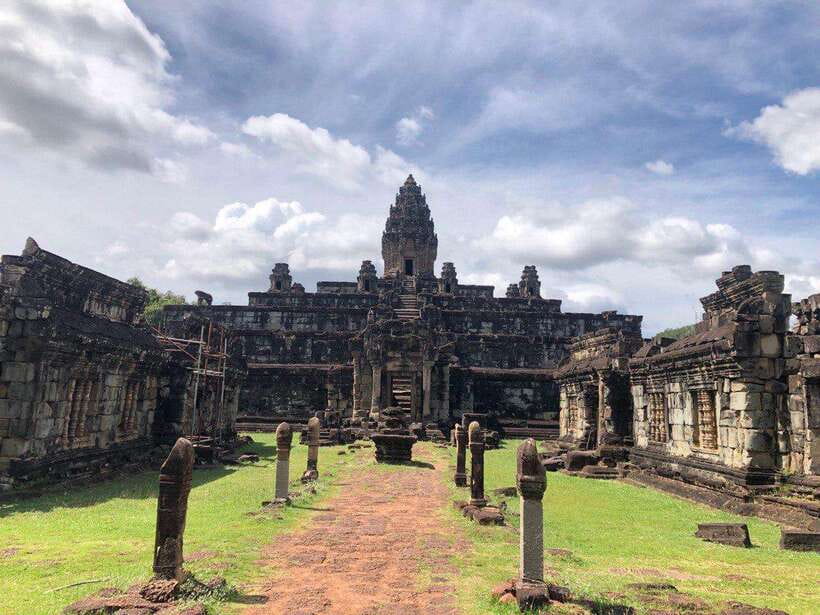
Beng Melea is the star for anyone who prefers temples that feel rough around the edges. Unlike many more restored sites, Beng Melea is secluded and unrestored, with thick jungle coverage and ruins that still look “in progress,” as if nature grabbed the place back.
The temple complex was built in the middle of the 12th century during the reign of King Suryavarman II, and it was dedicated to Hinduism. You’ll feel that older, temple-in-the-forest mood right away—broken galleries and towers hold open sky, and trees grow where they shouldn’t, which is exactly why the photos here can look so cinematic.
What I like about Beng Melea’s atmosphere
- Tree-in-temple views: You get those striking shots where roots and trunks frame the stonework.
- A lost-temple feel: It doesn’t have the polished visitor flow you might expect at larger, fully restored complexes.
A practical caution
This is not a “sit and watch” stop. You’ll be walking around a largely unrestored site, so bring comfortable shoes and be ready for uneven footing. The right clothes matter more than you think, especially in warm weather.
Rolous Group Temples: Early Khmer Stone Structures Worth the Time
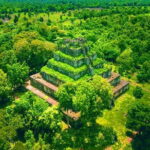
After Beng Melea, you head to Rolous, about 13 km east of Siem Reap. Rolous isn’t just another temple cluster—it’s tied to the early development of classical Khmer civilization.
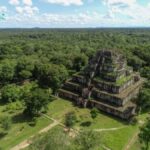
Here you visit the Bakong Temple, the Preah Ko Temple, and Lo Lei Temple. These sites are described as some of the earliest permanent structures built by the Khmer, dating to the late 9th century. In plain terms: Rolous helps you see the roots of the architectural style that later gets famous in the Angkor region.
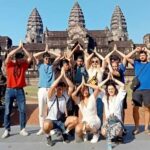
Why Rolous feels different from Beng Melea
- Beng Melea feels like ruins swallowed by jungle.
- Rolous feels like deliberate building—stone layouts and early construction choices that shaped what Khmer architecture would become.
The guide makes a difference here
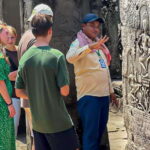
This is a day where the explanation level really matters. A good guide helps you connect shapes to meaning—why these structures were built, how they fit into Khmer development, and what you’re looking for as you move between temples. In particular, I’d expect your guide to point out key facts while you’re on your feet, not just at the start of the day.
Kompong Phluk on Tonle Sap: Floating Homes, a Boat Ride, and Flooded Forests
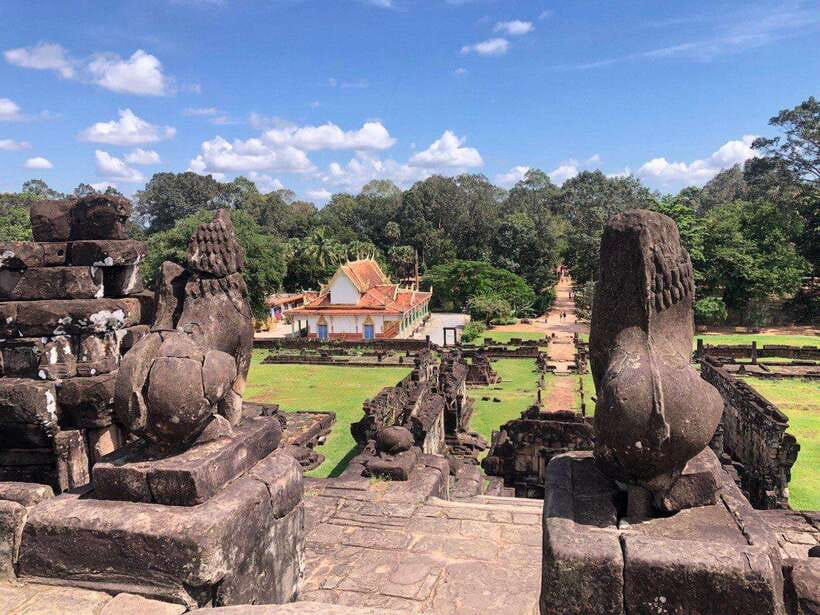
In the afternoon, the day shifts from stone and jungle to water and village life. Tonle Sap is the largest freshwater lake in Southeast Asia, and the scenery changes as you move from shoreline to boat route.
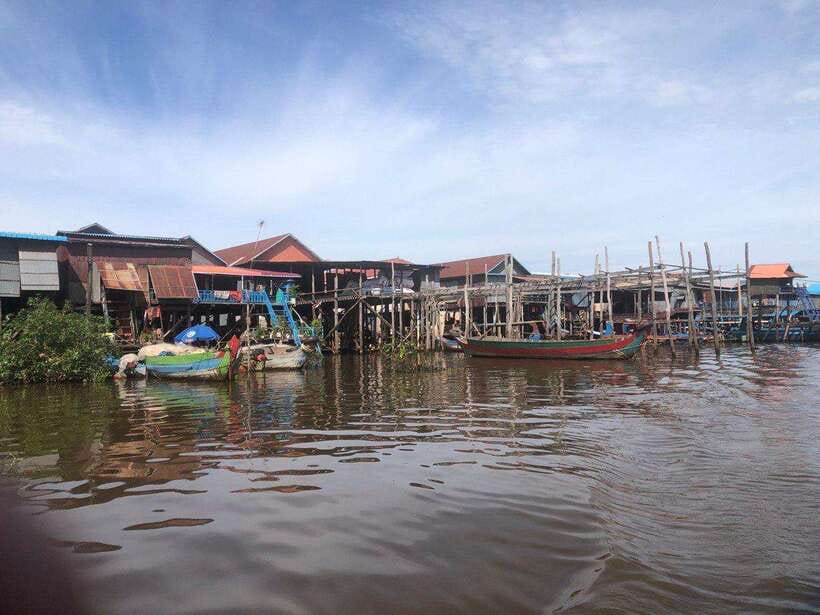
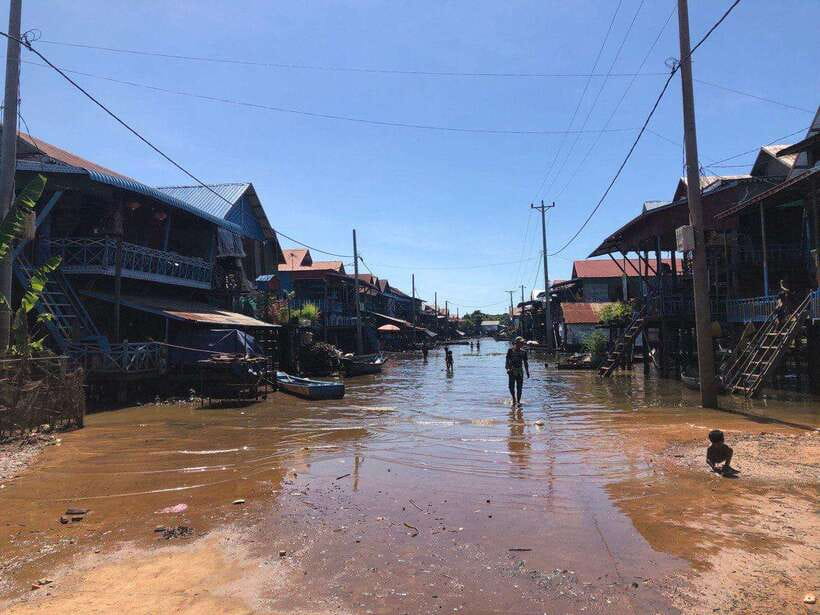
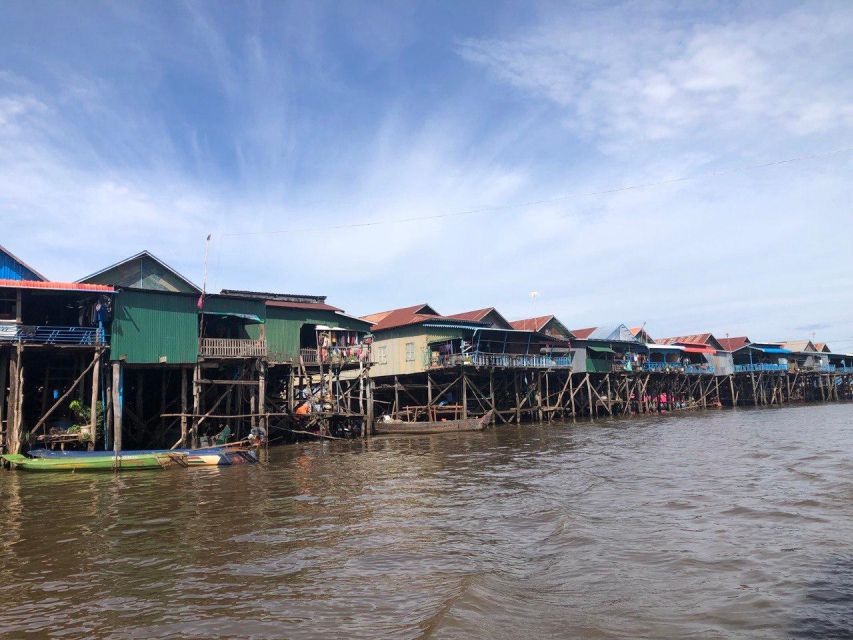
You cruise to Kompong Phluk, a traditional floating village about 30 km south-east of Siem Reap. The trip is in a private boat, and the cruise time is about 1.5 hours—long enough to see how people live, work, and move with the lake rather than just glance at houses.
What you’ll see around Kompong Phluk
Expect a view of tall stilted houses, plus a picture of everyday village activity shaped by the water. The highlights mentioned include:
- Floating village life and fisher-boat routines
- Fishery activity
- A floating hospital
- An old lifestyle tied to the lake’s seasons
- A Buddhist temple noted as Iceland Buddhist temple (as referenced on this route)
The flooded mangroves payoff
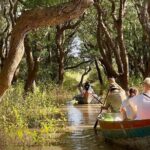
One of the most memorable moments on this kind of Tonle Sap cruise is the way nature takes over. You’ll pass flooded mangroves forest, where the landscape looks different from dry-season Cambodia. The goal isn’t just photos; it’s understanding why the village design makes sense here.
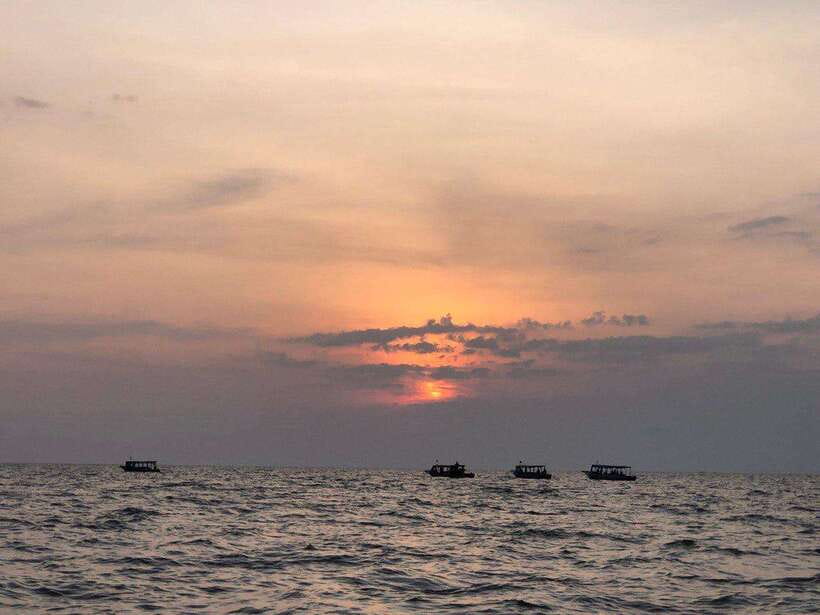
And yes, you finish with sunset viewing over Tonle Sap. That timing turns the day from a long drive and temple walk into a visual payoff.
One thing to plan for
You’ll be on a boat and likely moving around areas connected to the floating neighborhood. Wear clothes that can handle sun and wind, and keep insect repellent handy.
Price and Logistics: Is $125 per Group Good Value?
At $125 per group up to 4, the pricing is pretty straightforward. You’re essentially paying for a private experience with hotel pickup, an English-speaking tour guide, air-conditioned vehicle transport, and the small-but-useful extras like drinking water and wet and cold towel.
What makes it good value is that you’re not just doing one site—you’re combining:
- Beng Melea’s special unrestored jungle atmosphere
- Rolous Group’s early Khmer temple significance
- Kompong Phluk’s Tonle Sap lake life by boat, including sunset time
Where you should adjust expectations: entrance fees and meals aren’t included. So your final cost will depend on what you choose to eat and how the entrance fees shake out for each stop.
For families or a small group, this can be a strong deal because you get a guide who can flex. One of the reviews highlighted that the guide helped keep kids engaged and even tailored the historical info so it landed. If you’re traveling with children, that kind of “made-for-your-group” attention is worth real money.
What’s Included (and What You’ll Need to Bring)
The tour includes:
- Hotel pickup and drop-off
- English-speaking tour guide
- Air-conditioned vehicle transport
- Drinking water
- Wet and cold towel
You should plan to pay for:
- Entrance fees
- Meals
- Anything personal not listed above
Pack smart for the Cambodian heat and insects
Based on the tour’s own guidance, I’d stick to this:
- Comfortable shoes
- Sun hat
- Sunscreen
- Comfortable clothes, plus long pants
- Insect repellent
- Long-sleeved shirt
If you’ve ever tried to tour temples while underestimating bugs or sun, you already know why this matters. Beng Melea plus a Tonle Sap afternoon can be a lot—so dress for staying outside.
Who This Tour Suits Best (and Who Should Skip It)
This route is a great match for people who like:
- Temples that feel raw and atmospheric, not only polished
- A mix of history + nature
- A guided explanation you can actually follow, not just a quick walk-by
It’s also a solid pick if you’re traveling with kids. One of the best compliments centered on the guide adapting explanations for children aged 9 and 6, keeping them interested while still delivering real history.
Not suitable for:
- Wheelchair users
- People with epilepsy
If you’re unsure about physical comfort, remember: you’ll be walking at an unrestored jungle temple and moving around in a village setting tied to water and stilt structures.
Should You Book This Private Beng Melea, Rolous, and Kompong Phluk Tour?
I’d book this if you want a day that’s more than temples. The combo of Beng Melea’s unrestored jungle mood, Rolous Group’s early Khmer story, and Kompong Phluk’s floating-village reality gives you a rare “Cambodia in different modes” experience.
If you hate uneven ground, or you’re sensitive to heat and sun, you might want to consider a less walking-heavy option. But if you’re comfortable planning your day with the right shoes, repellent, and shade, this is the kind of private tour that can feel both meaningful and fun—especially with a guide like Prahim/Praim, who (based on recent feedback) confirms details ahead of time, answers questions patiently, and helps with photography.
FAQ
How long is the tour?
The tour lasts about 9 hours.
What time does pickup happen?
Pickup is scheduled for 8:30am.
Is the tour private, and what’s the group size?
It’s a private group with pricing listed as $125 per group up to 4.
Is the boat ride included, and how long is it?
Yes. The cruise to Kompong Phluk takes about 1.5 hours.
Are entrance fees included?
No. All visiting entrance fees are not included.
Does the tour include meals?
No. Meals are not included.
Is this tour wheelchair accessible?
No. It is not suitable for wheelchair users.
—
If you tell me who you’re traveling with (adults only, kids, and your walking comfort level), I can help you decide whether this specific 3-stop mix is a great fit.