REVIEW · SIEM REAP
Siem Reap: Countryside Vespa Tour / Tuk Tuk Available
Book on GetYourGuide →Operated by Vespa Backstreet · Bookable on GetYourGuide
A half-day on a Vespa changes your pace. This countryside Siem Reap tour keeps things personal with experienced drivers and hands-on rattan basket weaving, plus food stops that actually explain what you’re eating. The one drawback: it’s on scooters, so it’s not a great fit if you’re pregnant or you hate feeling close to the road.
I like that it’s built around real Khmer everyday life, not just postcard stops. You get pickup from your hotel area in Krong Siem Reap, bottled water and a soft drink, and a half-day route that returns you to town before 12:30. For the price, it’s one of the more practical ways to see “outside the walls” without needing your own transport.
In This Review
- Key highlights to look forward to
- Siem Reap on a Vespa: the value of getting out of town
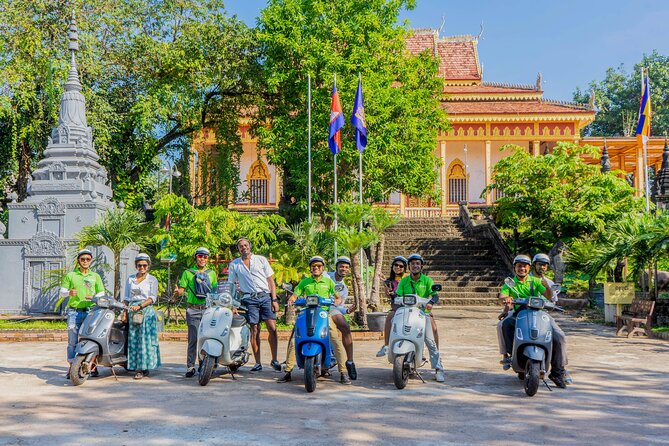
- First hour: Buddhist temple learning that keeps it human
- Local crafts and food stops: rice noodles and bamboo rice cake
- A straight shot to West Baray: ancient water and a breather
- Basket village rattan weaving: learning a skill, not just watching
- The spirits stop and other photo breaks: quick, local, and low-pressure
- Rice wine distillation: why it matters more than the taste
- Safety, timing, and what $26 actually buys you
- Who this tour fits best (and who should skip it)
- Should you book the Countryside Vespa Tour / Tuk Tuk Available?
- FAQ
- How long is the Siem Reap Countryside Vespa Tour?
- Where is the pickup location?
- What transportation is included?
- Is the tour guided, and what language is used?
- What food and drinks are included?
- What are the main stops during the tour?
- Is the group size small?
- Is the tour suitable for pregnant women?
Key highlights to look forward to
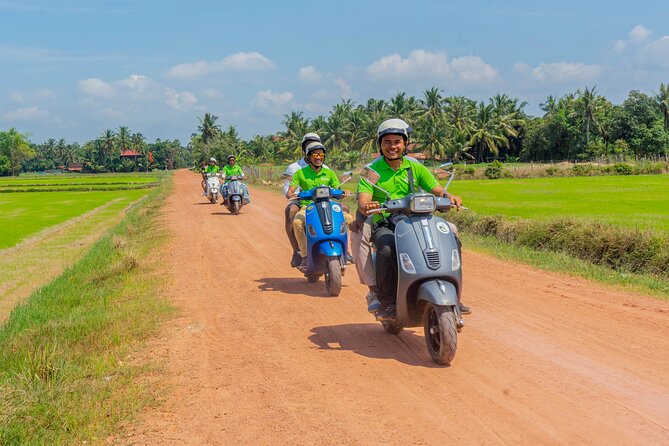
- Vintage Vespa + safety-first riding on familiar countryside roads, with 100% perfect scores for transport
- A Buddhist temple visit that helps you understand Khmer Buddhist practice, not just snap photos
- Food stops tied to local work such as rice noodle making and bamboo sticky rice cake
- Rattan basket weaving lesson with local ladies in a basket village setting
- West Baray reservoir photo break plus guided time at this ancient water site
- Rice wine distillation tasting from a small-scale family business
Siem Reap on a Vespa: the value of getting out of town
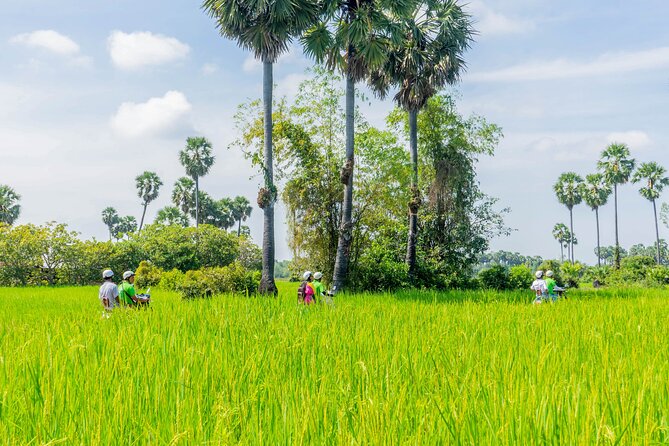
Siem Reap is famous for temples, but the countryside around it tells a different story. This tour gets you started beyond the busy streets quickly, riding out while you’re still fresh and energetic. That matters, because the best part of countryside travel is the slow shift from town noise to daily village rhythms.
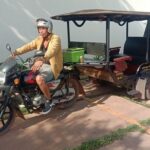
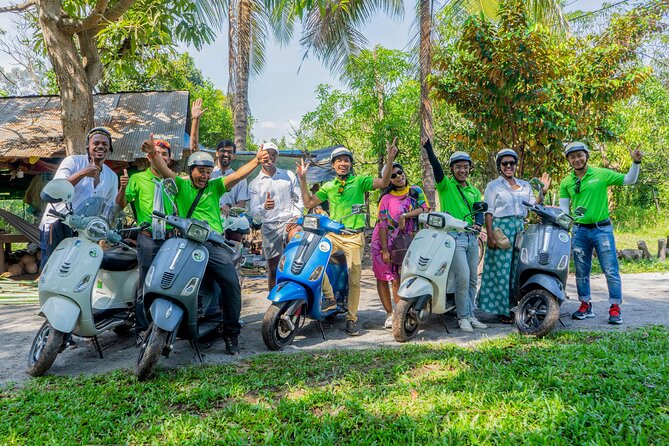
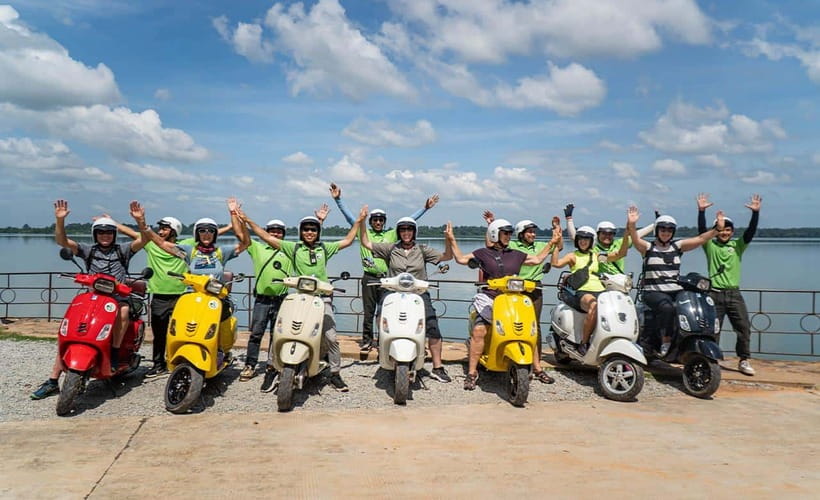
The big “why” here is transport. A scooter tour can sound like a dare, but the way this one is run makes it feel like a controlled adventure: vintage Vespa, an experienced driver, and an English-speaking guide watching the timing and the group flow. Even in the small-group setup, you’re not stuck waiting forever at each stop.
Price-wise, $26 for a 5-hour guided outing with hotel pickup, water, soft drink, and multiple food tastings is solid value. You’re paying for more than movement—you’re paying for someone to connect you with crafts, food production, and local families.
You can also read our reviews of more tours and experiences in Siem Reap

First hour: Buddhist temple learning that keeps it human
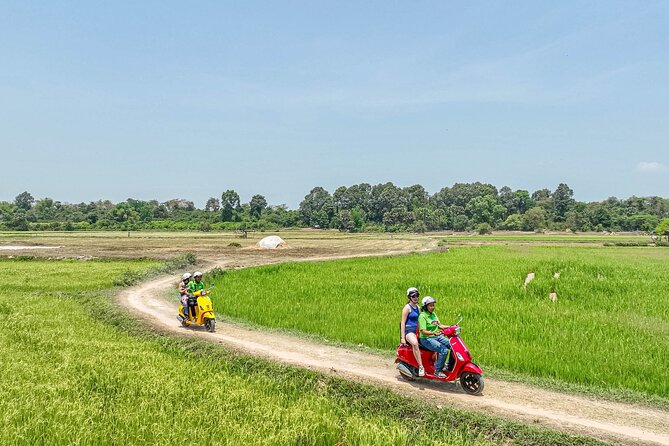
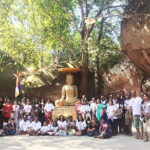
The morning starts with a guided visit to an old Buddhist temple just outside town. The point isn’t to march you through relics. It’s to help you understand the Buddhist practice of Khmer people, so the place feels like a living system rather than a photo backdrop.
You’ll walk and view the temple with context, then get your bearings for what you’ll notice later on the route. That kind of framing is useful in Cambodia, where religion, daily routines, and community life overlap in ways that aren’t always obvious at first glance.
From the reviews and guide-focused details, I also like that the experience often feels respectful and conversational. Guides such as Voleak and Ravy (and others like Vandy L., Luk, and Sath) are repeatedly described as informative, friendly, and careful about safety—exactly what you want when you’re mixing culture with movement.
Local crafts and food stops: rice noodles and bamboo rice cake
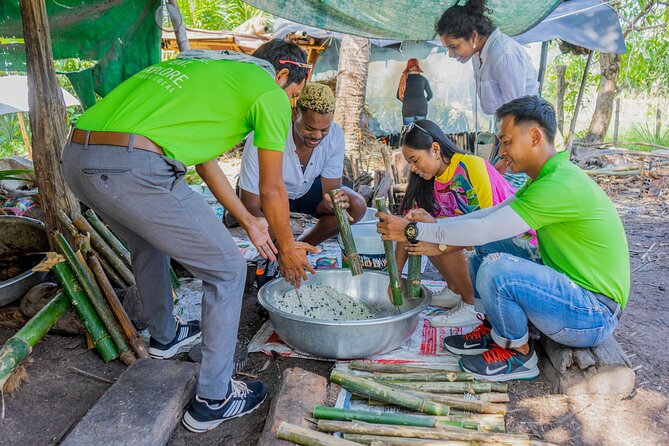
After the temple, the route keeps turning toward everyday industry. You’ll stop at local businesses along the way to learn about crafts and work, including rice noodle production and bamboo sticky rice cake. These aren’t random tastings. They’re quick windows into how families earn money and how staples get made locally.
This is where the tour earns its keep for food lovers. You sample a bamboo rice cake (and you’ll see related food-making stops along the way), so you’re not just eating—you’re learning what makes the texture and flavor different. In Cambodia, bamboo-cooked foods often bring a strong aroma and a slightly different texture than what you’d expect from kitchen-made versions back home.
Timing is also smart. The tour doesn’t try to overload you with long restaurant meals. Instead, you get small stops with just enough time to taste, ask questions, and move on before the heat and traffic slow everything down.
A straight shot to West Baray: ancient water and a breather
West Baray is one of those places that makes you pause even if you’re not a hardcore history person. It’s an ancient reservoir, and the tour gives you guided time plus breaks and photo time so you can actually look around.
This stop works well for two reasons. First, it slows the day down after the temple-and-food pacing. Second, you get a change of scenery—big sky, water, and open space—so your eyes reset for the later village and weaving portion.
I find reservoir sites especially useful when you’re doing a countryside route, because they connect land, water, and agriculture. Even without a deep lecture, the visuals help you understand why people built communities where they did.
Basket village rattan weaving: learning a skill, not just watching
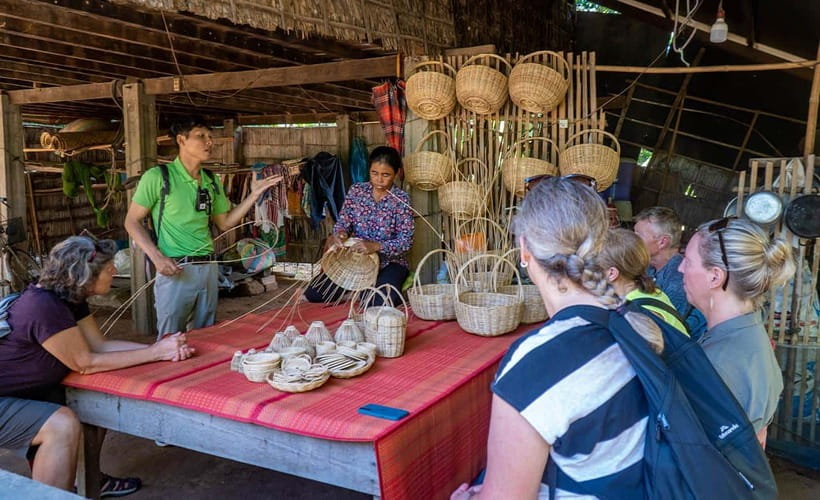
The heart of the experience is the basket village stop and the rattan basket weaving lesson. Here, you don’t just walk through and admire. Your guides take you to see handmade baskets, and then you spend time learning to make one with local ladies.
This is the kind of activity that sticks in memory because your hands are involved. You’ll get direct instruction, and you’ll see how the weaving is done at a human pace—patient, practical, and based on repetition. It’s also a nice change from temple viewing, where you mostly move your eyes.
If you enjoy crafts, this part is worth planning around. It’s also where the “small group” format shows its value. In a tighter group, the guide can support questions, and you’re less likely to feel rushed while you try the technique.
You can also read our reviews of more tours and experiences in Siem Reap



The spirits stop and other photo breaks: quick, local, and low-pressure
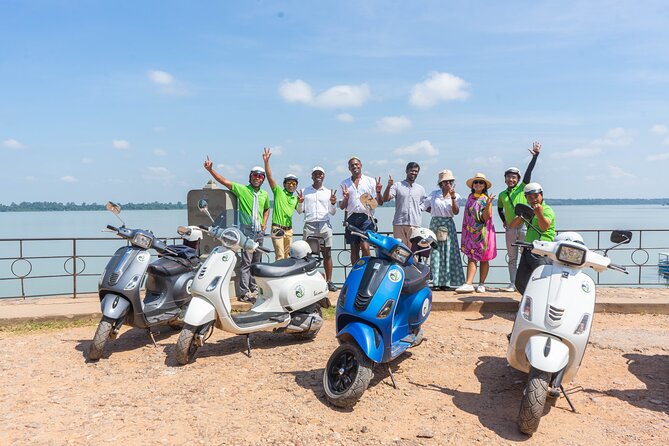
The route includes a shorter stop labeled as spirits, plus additional photo and guided viewing moments. These are brief enough to keep the day moving, but they help you understand the variety of small-scale local life beyond the main tourism corridors.
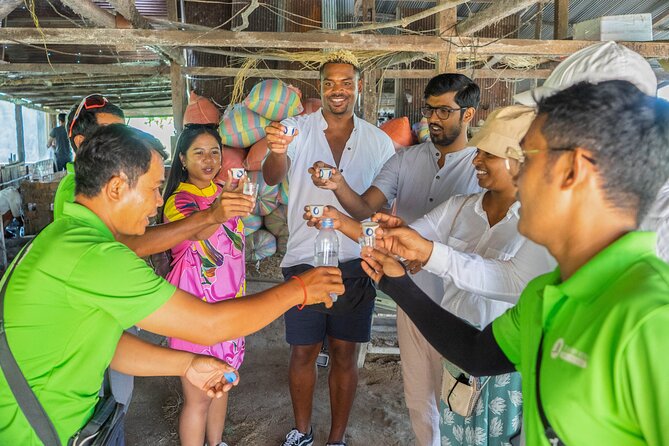
One of the clear takeaways from the experience is that the guides don’t treat alcohol like a party. They treat it like a craft. That leads into the rice wine distillation tasting later, where you learn about technique and family production.
Photo stops are also timed for comfort. You’re not sprinting across Cambodia on a schedule that’s too tight. You’ll get enough minutes to step aside, breathe, and get photos that look like real moments rather than stop-and-go selfies.
Rice wine distillation: why it matters more than the taste
The last food-and-culture highlight is rice wine distillation at a small-scale family business. Rice wine is a popular Cambodian drink, especially in the era before beer became the default for many social scenes. Here, you get a tasting and a look at how the process works on a family level.
This section is memorable because it connects taste to work. You’re not only drinking something sweet or strong—you’re learning where it comes from and why families keep doing it. That context turns the sample into a story you can repeat later.
I also like that the route doesn’t make you overdo it. You’re offered a tasting, bottled water and soft drink are included, and the day stays respectful rather than turning into a drinking game.
Safety, timing, and what $26 actually buys you
The tour runs about 5 hours and returns you to Krong Siem Reap before 12:30. That makes it a good half-day option when you don’t want to burn your whole morning or compete with late-day temple crowds.
Transport quality is a big deal here, and the feedback is strong: 100% of reviewers gave a perfect score for transport. Names showing up repeatedly as part of a safe, friendly team include drivers like Chetra, Sumatra, and Dom, and guides like Phearon and Tinan. When multiple people independently mention feeling safe, it’s not a small thing—it’s the backbone of a scooter tour.
One practical consideration: you’ll be on a scooter for extended time. Even if you’re comfortable on wheels, plan for the reality of warm weather and minor bumps. Wear clothes you don’t mind getting a bit dusty and bring sunscreen and water sense.
Also, because pickup is at your hotel lobby in the Siem Reap area, you want to be ready on time. Being fashionably late on a timed countryside route is a fast way to waste your own day.
Who this tour fits best (and who should skip it)
This is ideal if you want more than temples. If you like food that has a production story, crafts you can try yourself, and countryside views that feel like daily life, you’ll probably love this route.
It’s also a good choice if you don’t want a huge group day. Small group format keeps questions manageable and makes it easier to connect with the people teaching weaving and sharing food.
Skip it if you’re pregnant, since it’s listed as not suitable. It may also be tough if you have mobility issues or if you’re anxious about being on a scooter even with a skilled driver.
If you’re the type who likes conversations, look for a guide who explains clearly and stays patient. The experience repeatedly pairs strong driving with guides who are friendly and informative—people like Voleak, Ravy, Luk, and Sath are mentioned as examples of that tone.
Should you book the Countryside Vespa Tour / Tuk Tuk Available?
Book it if you want an active half-day with real Cambodian routines baked in: temple context, rice noodle and bamboo rice food stops, West Baray photos, rattan weaving you can learn hands-on, and rice wine tasting tied to family technique. At $26 with hotel pickup, a guide in English, and included drinks plus tastings, it’s hard to call it overpriced.
Don’t book it if you want a slow walking tour only, or if scooter time doesn’t sound appealing. And if you know you’ll struggle with the physical comfort of a ride, choose a different style of tour.
If you’re on the fence, my advice is simple: treat this as your “outside town” day. You’ll leave Siem Reap feeling like you saw the place where people live, work, snack, craft, and pour—then you’re back in time for the rest of your schedule.
FAQ
How long is the Siem Reap Countryside Vespa Tour?
It lasts about 5 hours.
Where is the pickup location?
Pickup is available at your hotel lobby in Siem Reap, including Krong Siem Reap.
What transportation is included?
You ride a vintage Vespa with an experienced driver. Tuk tuk is also available.
Is the tour guided, and what language is used?
Yes. The tour includes an English-speaking tour guide.
What food and drinks are included?
You get bottled water and a soft drink, a sample of bamboo rice cake, and a tasting of traditional Cambodian rice wine. You’ll also have local snacks at a traditional village stop.
What are the main stops during the tour?
You’ll visit an old Buddhist temple, see West Baray, visit a basket village for rattan basket weaving, and go to a rice wine distillation place. There are also several photo stops and short stops along the way.
Is the group size small?
Yes, the tour offers a small group.
Is the tour suitable for pregnant women?
No, it is listed as not suitable for pregnant women.