REVIEW · SIEM REAP
Phnom Kulen Waterfall National Park from Siem Reap
Book on Viator →Operated by Bayon Tabi Tour · Bookable on Viator
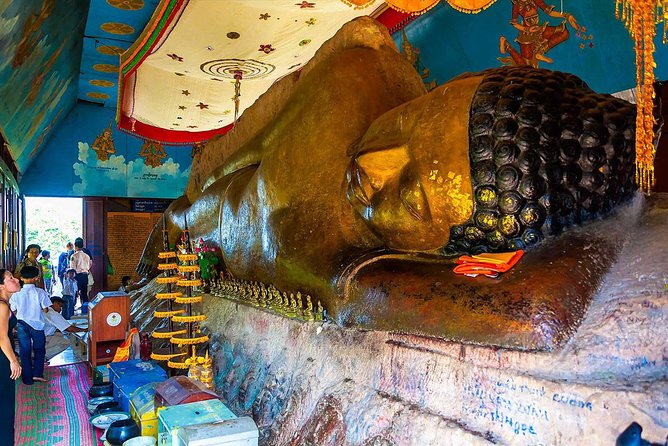
That reclining Buddha on Phnom Kulen is a jaw-dropper. This full-day trip from Siem Reap mixes temple mystery with real nature time at Kulen Waterfall, plus a chance to see the famous riverbed carvings tied to the Hindu tradition of Shiva. It’s one of those days where you get both story and scenery without needing to plan a thing.
I especially like the way the itinerary keeps you moving through the park’s top highlights: you start with Phnom Kulen National Park, then hit the 1000 lingas at Kbal Spean, and finish with waterfall time that actually feels like the main event. One thing to keep in mind: the day is only about 6 hours, so your time in each spot is limited, and the entrance fees for Phnom Kulen aren’t included in the $78 price.
In This Review
- Quick hits: what makes this tour worth your time
- Phnom Kulen from Siem Reap: a practical day trip with real payoff
- The road, the timing, and what 6 hours really means
- Stop at Phnom Kulen National Park: where the day starts
- Mountaintop reclining Buddha: spiritual architecture with a clear reason
- 1000 Lingas at Kbal Spean: carvings that actually need context
- Kulen Waterfall: the highlight, plus the honest trekking reality
- Preah Dak and the rural detour: why this stop feels different
- Palm sugar local factory and market stop: a small culture win
- Guide and driver make a big difference on a day this packed
- Price and entrance fees: where the $78 value is real and where it isn’t
- The “waterfalls trip” question: for whom this feels great
- What to pack so you enjoy every stop
- Who this tour suits best (and who should skip it)
- Should you book the Phnom Kulen Waterfall National Park day trip?
- FAQ
- How long is the Phnom Kulen National Park tour from Siem Reap?
- Does the tour include hotel pickup and drop-off?
- Are entrance fees to Phnom Kulen included in the price?
- What are the main stops during the day?
- Is bottled water provided?
- What languages are available for the guide?
- How big are the groups?
Quick hits: what makes this tour worth your time
- Reclining Buddha statue on the mountaintop and the connection to the Linga Cult tradition
- 1000 lingas (Kbal Spean)—carvings of Shiva found right in the riverbed
- Kulen Waterfall with a trek that can be slippery on uneven ground
- Hotel pickup and drop-off plus air-conditioned transport in a small group (max 15)
- Palm sugar stop to taste a local product before you head back
Phnom Kulen from Siem Reap: a practical day trip with real payoff
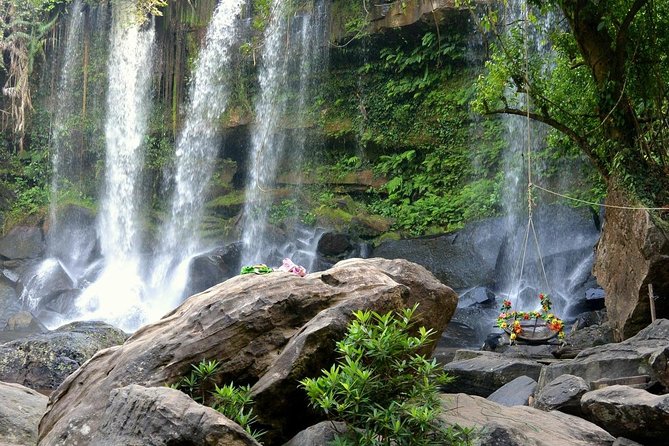
If you only have a short window in Siem Reap, Phnom Kulen is a smart add-on. The drive gets you out of the flat tourist zones, and once you’re on the mountain, the day turns into two things you usually don’t get in the same morning: spiritual history and outdoor adventure.
The tour is also structured like a classic “best-of” day. You won’t get stuck in one place for hours. Instead, you move from temple to carving site to waterfall, then wrap up with a quick local detour. That’s exactly what you want when your time is limited and you don’t want to rent a car and figure out routes.
You can also read our reviews of more tours and experiences in Siem Reap.
The road, the timing, and what 6 hours really means
This is a full-day experience listed at about 6 hours total. The itinerary includes multiple stops, so that time is shared. Your big consideration here is simple: it’s not an all-day hiking trek. You’re getting the highlights, not a long slow adventure.
Also plan for some road time. One of the downsides people bring up is that the drive can feel long for what you see once you arrive. If you’re expecting the waterfall portion to be the whole day, you may feel the schedule squeeze. The good news is that the tour does include hotel pickup and air-conditioned transport, which helps a lot when you’ve been moving around Siem Reap all week.
Stop at Phnom Kulen National Park: where the day starts
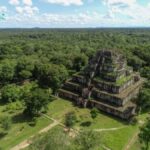
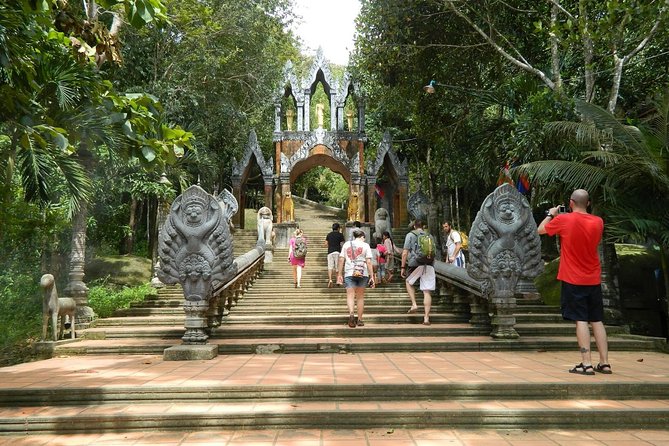
Your first stop is Phnom Kulen National Park, which gets about 2 hours on the schedule. This is the base for the day’s main themes: mountaintop sacred space and the natural area that surrounds it.
Even before you reach the big moments, this portion matters because it sets the tone. You’re entering an actual national park environment rather than just hopping between temples in the city. That helps you understand why Phnom Kulen is treated like more than a photo stop. The mountain is the point.
Two practical notes:
- Bring something for sun and bugs. It’s outdoors, and the time adds up.
- Expect your shoes to matter. The later waterfall part can involve uneven ground, so what you wear now affects how comfortable you feel later.
Mountaintop reclining Buddha: spiritual architecture with a clear reason
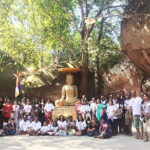
One of the main reasons people love this tour is the mountaintop reclining Buddha statue and the background behind why it’s important. The day’s description ties it to the Linga Cult, which helps you connect what you’re seeing to a bigger religious system instead of treating it like a random statue on a hill.
This stop is also where the tour makes you slow down. You’re not just looking; you’re trying to place the statue within the story of the mountain.
If you enjoy understanding what you’re seeing—why a feature exists, what it meant, how people used the space—this is a strong highlight. And if you’re the type who just wants great photos, you’ll still get that. The views from a mountaintop always help.
1000 Lingas at Kbal Spean: carvings that actually need context
Next up is the 1000 Lingas stop, also described as the Valley of the Lingas or the River of the Lingas. You get about 30 minutes here, which sounds short until you realize what you’re walking through: the carvings are the show.
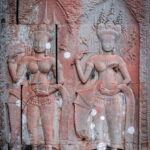
These lingas are tribute to Shiva, a major Hindu deity. The carvings are found in and near the riverbed area, so you’re seeing symbolism shaped by water and landscape in a very direct way. The reason this stop gets high marks is that it turns a quick visit into an educational moment.
My advice: don’t treat it like a “look and move on” stop. If you know what a linga refers to before you arrive, you’ll notice patterns and details faster. If you don’t, ask your guide to explain it in plain language before you start walking. Even a short explanation can change your whole experience.
Kulen Waterfall: the highlight, plus the honest trekking reality
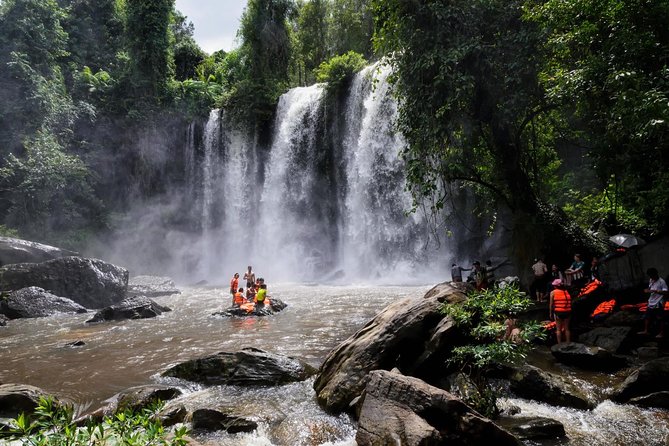
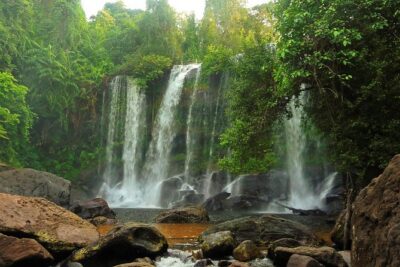
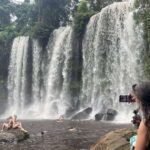
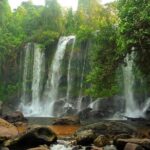
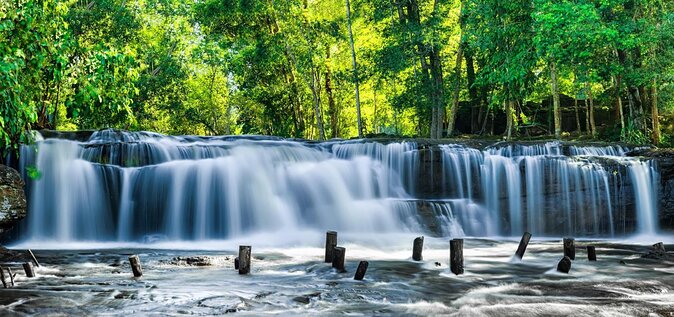
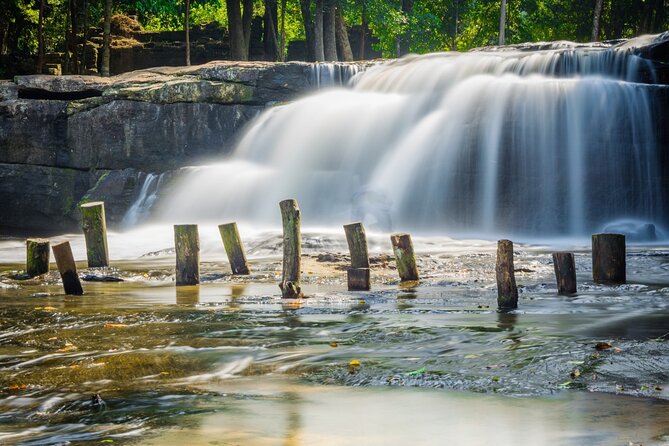
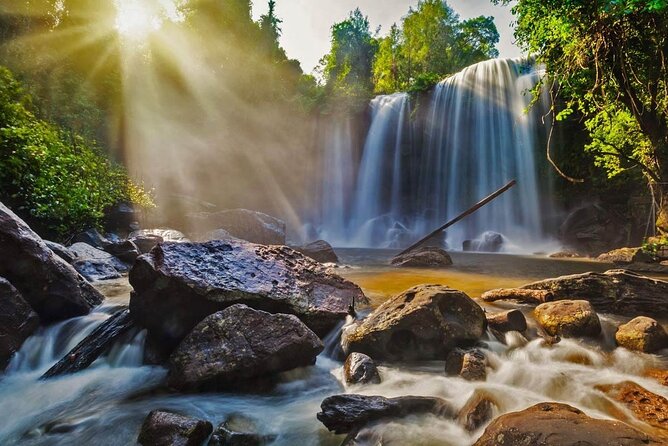
Then comes Phnom Kulen Waterfall. This is scheduled for about 30 minutes, and it’s clearly the centerpiece for most people. The payoff is the mix of water, nature, and a bit of physical effort that makes the arrival feel earned.
But here’s the honest part: the path can be uneven, with large rocks that may be slippery. If you’re going in flip-flops, you’ll feel it fast. Wear shoes with grip, and watch your step even when you’re taking photos.
If you want to swim, plan to be prepared. One review-style tip that really matters here is to bring a towel and swimwear if you’re hoping to get in the water. Water time can be brief on a tight schedule, so being ready helps you actually enjoy it instead of changing in a rush.
Also, if you’re sensitive to crowds, keep in mind that waterfall spots can attract people. Your best move is to stay alert and keep moving during the time you have—then slow down once you find a comfortable area.
Preah Dak and the rural detour: why this stop feels different
On the way through the day, there’s a stop listed as Preah Dak (about 30 minutes). This part is described in connection with rural life and also mentions the ancient temple of Beng Melea.
The vibe here is different from the mountain highlights. Instead of only being about sacred monuments or carvings, you get a chance to experience a more everyday Cambodia feel. It’s also the kind of stop that helps break up the intensity of the morning.
Just don’t expect a “deep temple crawl” with multiple major ruins. This is short and meant to add variety to the day.
Palm sugar local factory and market stop: a small culture win
Before heading back, you visit a local market and a palm sugar factory area for about 40 minutes, including a chance to taste palm sugar.
This is one of those add-ons that can be genuinely fun, because it’s not just looking—it’s tasting something local. Palm sugar is common in Cambodia, and seeing how it’s made (even briefly) helps you understand why it’s everywhere in food and drinks.
If you like souvenirs that aren’t junk, this is also a good place to buy something you’ll actually use. Taste first, then decide.
Guide and driver make a big difference on a day this packed
A day like this lives or dies on the guide’s energy. The tour includes an English or Japanese speaking licensed guide, and small-group size (max 15) makes it easier for you to ask questions and not feel like a headcount.
There are examples of guides who stand out:
- Mr Lux is described as very knowledgeable about the mountain and its history, and good at answering questions about Cambodia.
- Cherry is described as friendly and informative, with an easy pace and clear focus on temples, carvings, and time at the waterfall.
In other words, you’re not only buying transport. You’re paying for someone to connect stops into a single story.
Tip that works with any guide: ask right at the first stop what you should notice. Then you’ll have an easier time at the 1000 lingas and the mountaintop Buddha.
Price and entrance fees: where the $78 value is real and where it isn’t
At $78 for about 6 hours, the value comes from two things: hotel pickup/drop-off and round-trip transport in air-conditioned vehicles, plus bottled mineral water and a licensed guide.
Where you need to plan ahead: entrance fees for Phnom Kulen are not included. Food and drinks are also not included unless specified, and tips aren’t included either. So even though the base price is clear, your real cost depends on what you eat and what entrance fees you pay at the park.
For the money, I’d say this is a fair deal if:
- you want a guided day trip rather than self-driving,
- you want to see multiple Phnom Kulen highlights without negotiating transport all day,
- you’re okay with shorter time blocks at each stop.
The “waterfalls trip” question: for whom this feels great
This tour can land differently depending on what you want most.
If you’re there for the waterfall, you’ll likely enjoy it—especially if you’re willing to do some trekking and don’t need hours and hours of water time. The waterfall segment is brief, so your best move is to make it count: bring swimwear and a towel if you want to get wet, and wear grippy footwear.
If you’re expecting a long, slow rainforest adventure or a full-day hike, you might feel squeezed. A key consideration people mention is that travel time to the park area can feel long, and once you arrive, you still have multiple stops before and after the waterfall.
What to pack so you enjoy every stop
You don’t need a mountaineering kit. You do need the basics that fit the day:
- Grippy shoes for uneven, possibly slippery paths at the waterfall
- Towel and swimwear if you want to use the waterfall time for swimming
- Sun protection for the mountaintop area (hat or sunscreen)
- Cash for things that aren’t included, like entrance fees, and small purchases at stalls
If you’re sensitive to slippery surfaces, slow down on the way down and up. Better to take fewer photos and keep your balance than rush and regret it.
Who this tour suits best (and who should skip it)
This is a good fit if you:
- want a structured day from Siem Reap without arranging a driver and route on your own,
- like getting context for what you see (the Linga tradition and what the carvings represent),
- want a balance of temple time, riverbed carvings, and Kulen Waterfall.
You might want to look for a different option if:
- you only care about one stop and hate time limits,
- you’re uncomfortable with uneven paths and quick changing conditions near the waterfall,
- you expect all costs to be included in the $78 price.
Should you book the Phnom Kulen Waterfall National Park day trip?
Yes, book it if you want an efficient, guided day that connects Phnom Kulen’s major sights in one go—especially the reclining Buddha, the 1000 Lingas, and a real waterfall stop with trekking.
Think twice if you’re the type who needs a lot of time at just one place, or you’re sensitive to road time and shorter visits. In that case, a tour with a longer waterfall segment might match your style better.
If you book, set yourself up for success: wear proper shoes, bring swimwear if you want water time, and ask your guide what to watch for at the lingas. You’ll get more out of the day than you expect.
FAQ
How long is the Phnom Kulen National Park tour from Siem Reap?
The tour runs about 6 hours.
Does the tour include hotel pickup and drop-off?
Yes. Hotel pickup and drop-off are included.
Are entrance fees to Phnom Kulen included in the price?
No. Entrance fees for Phnom Kulen are not included.
What are the main stops during the day?
You visit Phnom Kulen National Park, the 1000 Lingas area, Phnom Kulen Waterfall, Preah Dak, and then a local market and palm sugar factory stop on the way back.
Is bottled water provided?
Yes. Mineral water is included.
What languages are available for the guide?
The tour includes an English and Japanese speaking licensed guide.
How big are the groups?
The tour has a maximum of 15 travelers.