REVIEW · SIEM REAP
From Siem Reap: Tonle Sap Floating Villages Tour
Book on GetYourGuide →Operated by Khmerdetours · Bookable on GetYourGuide
Tonle Sap doesn’t do normal. In about four hours, you’ll glide past floating houses and everyday life on Cambodia’s Great Lake, plus a UNESCO biosphere reserve that hums with birds.
I love how this tour is set up around a private boat experience, so you’re not stuck watching the scenery from behind other groups. I also like the human-scale stops: a lotus photo break, a look into how people survive on the water, and lunch on the Queen Tara right in the floating village.
One thing to keep in mind: what you see can shift with water levels, especially the floating crocodile and fish farm stop. Also, this is a half-day format, so it won’t feel like a slow, deep village exploration on foot.
In This Review
- Key moments worth planning for
- Why Tonle Sap Floating Villages feels different from typical Cambodia tours
- Door-to-door from Siem Reap: the simple timing you’ll be glad you chose
- The lotus stop: photos are nice, but it’s the practical story that sticks
- Inside the floating villages: homes, schools, markets, and the people behind it
- Queen Tara lunch in the middle of it all
- Floating crocodile and fish farm: a stop that depends on the season
- Bird sanctuary time: spotting painted storks and spot-billed pelicans
- The guide factor: why names like Moni and Mali keep showing up
- Price and value: $65 per person is mostly about what’s included
- Who should book this Tonle Sap tour—and who might prefer something else
- FAQ
- FAQ
- How long is the Tonle Sap floating villages tour from Siem Reap?
- What time does the tour depart from Siem Reap?
- Is the boat private or shared with other groups?
- What’s included in the $65 price?
- Is there a vegetarian lunch option?
- Does the tour visit the floating crocodile and fish farm?
- How does the tour handle weather?
- Are children allowed, and how are prices handled?
- Should you book this Tonle Sap floating villages tour?
Key moments worth planning for
- Private boat on Tonle Sap for a calmer, more personal ride around the floating villages
- Lotus stop with real uses tied to Buddhism, plus chances to try lotus fruit (when offered)
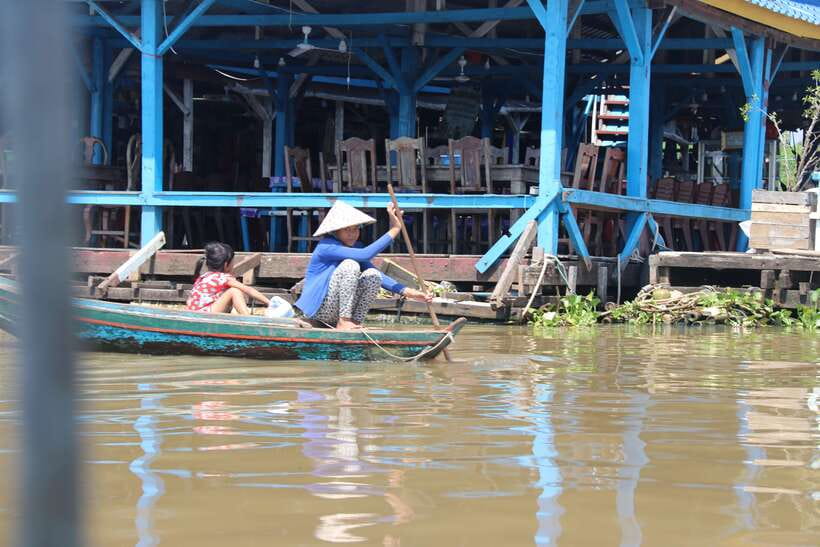
- Floating village visit that mixes communities (Khmer, Vietnamese, and Cham) and shows daily routines
- Queen Tara lunch at the heart of the village, with a couple of free drinks
- Bird sanctuary area where you may spot painted stork and spot-billed pelicans
Why Tonle Sap Floating Villages feels different from typical Cambodia tours
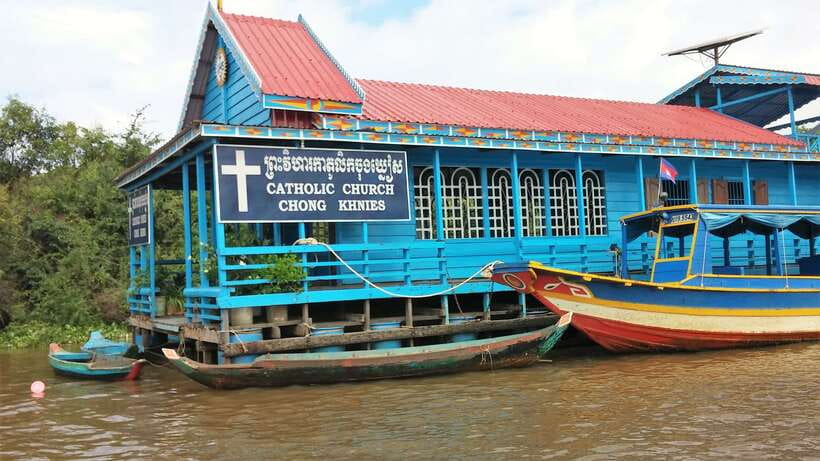
If you’ve mostly seen Cambodia from temple viewpoints, Tonle Sap changes the angle fast. This is a freshwater world where homes, markets, and even community buildings relate to water depth and seasons. The lake and connected waterways are also recognized as a UNESCO biosphere reserve since 1997, mainly for biodiversity.
The big win here is perspective. You’ll see how people structure life around the lake and rivers, not just how the lake looks. And since the tour includes a local English-speaking lake guide, you’re not guessing at what you’re seeing.
The vibe is also more “everyday” than “staged.” Floating villages can feel like living neighborhoods, not photo backdrops. That’s the kind of place where your questions matter, and your guide has answers.
You can also read our reviews of more tours and experiences in Siem Reap.

Door-to-door from Siem Reap: the simple timing you’ll be glad you chose
The tour runs from 10:00, and it lasts about four hours door-to-door from your Siem Reap hotel. That matters because Tonle Sap isn’t a quick add-on you squeeze in between other plans. It’s a focused half day that fits cleanly with Angkor sightseeing without exhausting you.
Transfers are included, so you skip the hassle of arranging your own rides, then your own boat. You’ll also get cold towels along the way—small thing, but helpful when the day starts warm and the boat ride adds sun.
Group size stays tight, limited to 11 participants, which makes a difference if you want to hear explanations without shouting over a crowd. The tour also has a skip-the-ticket-line component, so less time waiting and more time on the water.
The lotus stop: photos are nice, but it’s the practical story that sticks
On the way toward the port, the tour builds in a stop to take photos of lotus flowers. Lotus has deep importance in Buddhism, and your guide uses that as a doorway into how the plant shows up in real life. You’ll hear about the different uses of lotus—everything from the flower itself to steam-based uses.
In the past, guides have also made this stop more fun by adding a lotus-related farm moment. One guide, Moni, was highlighted for adding extra stops like a lily farm and a lotus farm, where guests tried lotus fruit. Another stop included lotus gossamer, which can be used to make materials like fabric and even hammocks.
If you love small cultural details, this is a good place to pay attention. Lotus isn’t random scenery here; it’s a clue to how people think and what they use.
Inside the floating villages: homes, schools, markets, and the people behind it
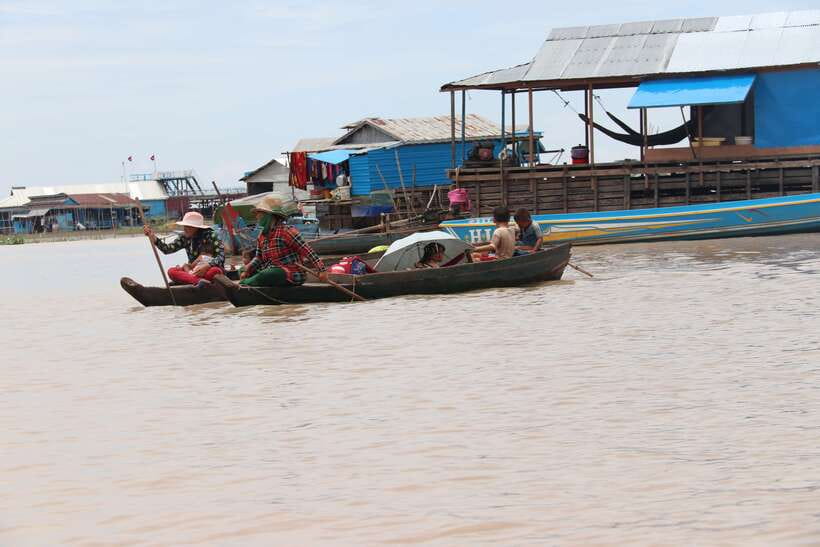
At the floating villages, your boat ride does more than show you buildings on water. You’re able to see floating houses and daily activity, and the tour is designed around understanding how life adapted to Tonle Sap’s rhythms. You’ll also see a range of community spots—markets, schools, and even churches.
What I like most is that the guide frames the communities as more than one group. You’ll learn about Khmer, ethnic Vietnamese, and Cham communities and how those cultures have blended around the lake environment. It turns the scenery into a story about survival, work, and schooling in a place that moves with water levels.
You’ll also get direct information about challenges and threats to these communities and their dwellings. That’s important. Otherwise, floating villages can turn into a postcard with no stakes. Here, the focus stays on how people will (or won’t) be able to continue their way of life.
A small caution: depending on the day, you might spend more time viewing and less time going deeper into any one section of the village. Some tours can feel like you’re passing by rather than walking through. If your dream is lots of roaming on foot, set expectations that this is primarily a boat-and-explanations experience.
Queen Tara lunch in the middle of it all
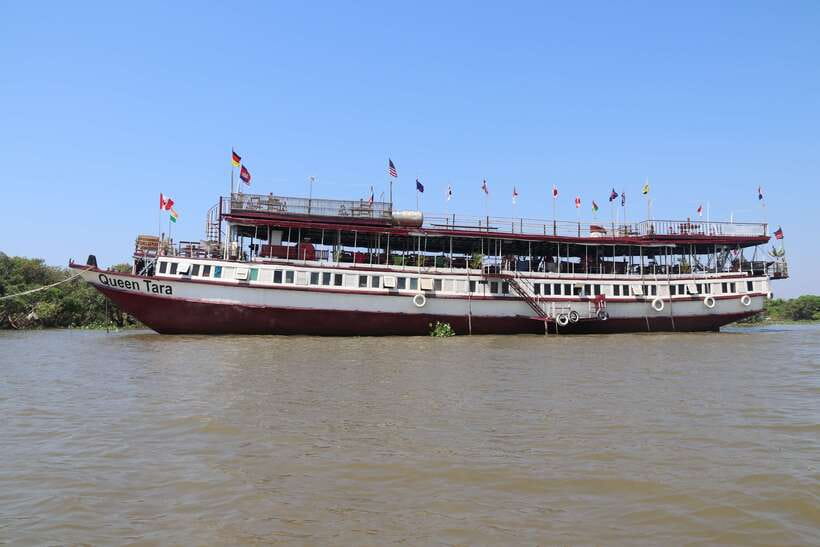
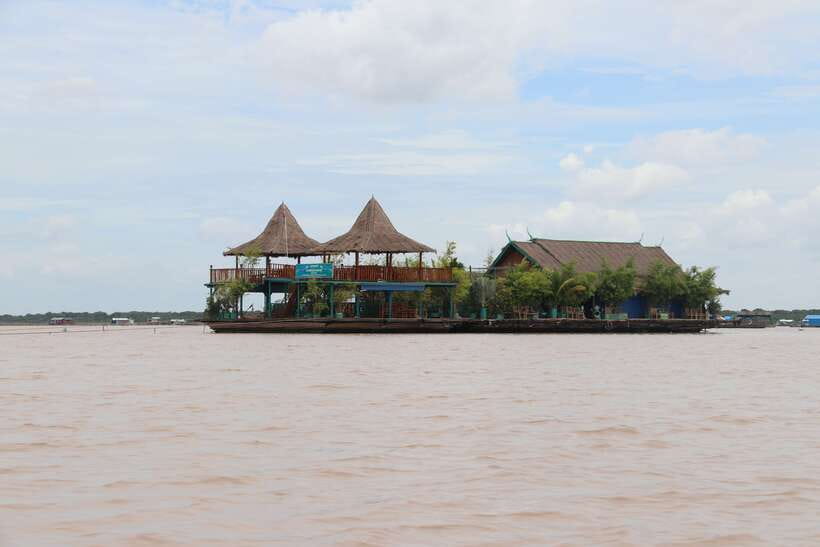
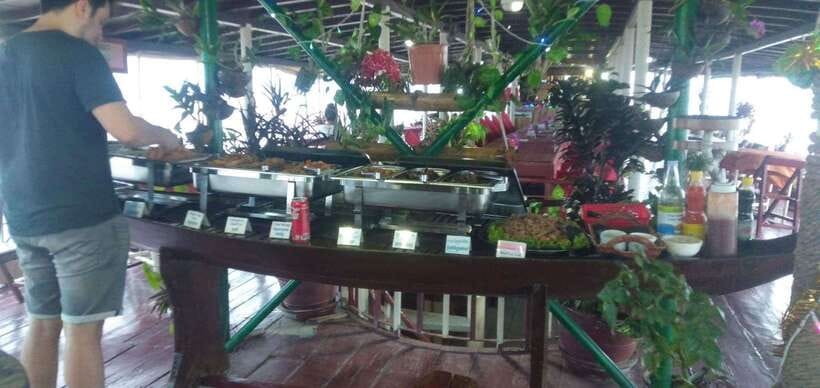
After the village viewing, the day moves toward lunch on the Queen Tara, which is in the heart of the floating village. The food is included, and a couple of free drinks come along with it.
This is one of the strongest “value” moments in the tour. A lot of half-day trips leave you hungry or force you to hunt for lunch in Siem Reap after the fact. Here, lunch happens in the setting you came for, so you keep the day’s momentum.
If you’re picky about meal planning, there’s a stated vegetarian option you can request at booking. That’s a useful detail in Cambodia tours, where “vegetarian” can sometimes mean “no meat, but still lots of fish sauce.”



Floating crocodile and fish farm: a stop that depends on the season

The tour includes a stop at a floating crocodile and fish farm, depending on current water levels. That means your experience may shift slightly from one date to another, and the timing can change around what’s accessible.
When it does happen, it’s an unusual look at how livelihoods connect to the lake. One past participant described it as an experience and also mentioned a souvenir element at the crocodile farm area. If you’re sensitive to animal-related tourism, you may want to mentally frame this stop as part of the local economic picture rather than as a pure “cute animals” encounter.
Even if the crocodile/fish farm portion is limited on your day, you’ll still get the core Tonle Sap floating village experience. The guide’s explanation of the lake’s ecology and the communities’ work remains the main point.
Bird sanctuary time: spotting painted storks and spot-billed pelicans
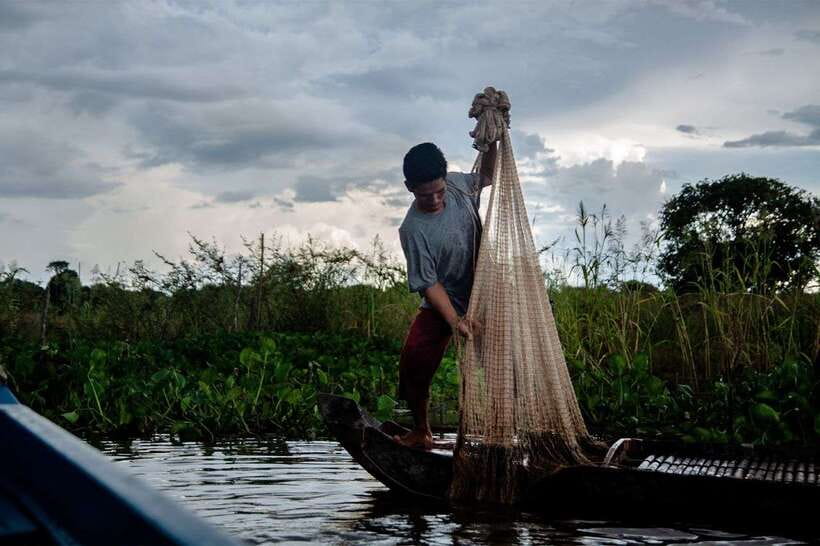
Part of the route includes birdwatching. The area sits next to a bird sanctuary, and the tour description calls out a variety of birds, including painted stork and spot-billed pelicans.
This is a nice bonus if you like nature, but it also helps you understand the ecosystem beyond the village. Tonle Sap isn’t only about homes on water; it’s also about food webs and breeding grounds for birds drawn to the reserve.
Your best move: stay attentive without trying to “hunt” birds with your camera nonstop. Look up, watch the shoreline, and let the guide point out what’s moving. Bird spotting is easier when someone knows what to scan for.
The guide factor: why names like Moni and Mali keep showing up
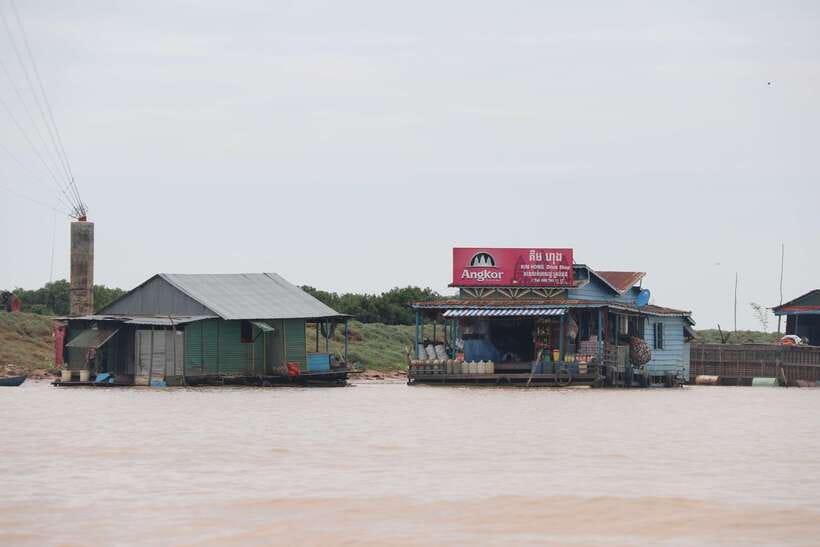
A private boat tour can still feel generic if the guide is just reciting facts. The better guides here focus on context: why the floating villages developed, how life continues today, and what pressures are changing that life.
English-language guides are part of the package, and past bookings mention guides such as Moni, Mali, Mary, Sopheak, and Supec. What stands out is not just language quality, but also how they shape the day. Moni was noted for adding extra stops like lily and lotus farms, and other guides were praised for keeping guests comfortable and informed.
So if you want an experience that feels like a conversation, this format fits. With a small group and a lake guide, you can ask why a market is where it is, how schools work, or what changes during rainy season. Even on a short tour, those answers make the floating villages feel real.
Price and value: $65 per person is mostly about what’s included
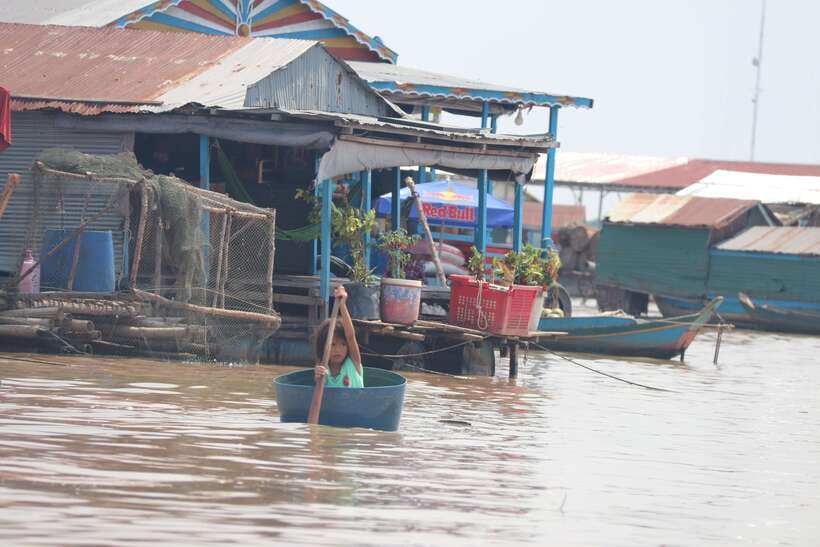
At $65 per person for about four hours, the price is easier to judge when you look at what you get. Included are hotel transportation from Siem Reap, a private boat trip, an expert guide, entrance fees, cold towels, and lunch (on Queen Tara), plus free drinks.
For a half-day experience, that bundle matters. Many short tours either skip lunch or make you pay extra once you’re on the water. Here, you’re paying for time, boat access, and entry into the areas you’ll visit, not just a guide’s narration.
If you’re comparing to doing everything independently, the cost can feel more reasonable once you factor in boat logistics and entrance fees. If you’re trying to shave costs, this still won’t be the cheapest option in Siem Reap—but it can be one of the better “no-stress” ones.
The best way to think about it: you’re buying a guided boat window into Tonle Sap’s real life, not just a quick photo stop.
Who should book this Tonle Sap tour—and who might prefer something else
This tour is a great fit if you want:
- A half-day that doesn’t steal your entire day from Angkor planning
- Floating village context, not just floating house photos
- A small group experience with a lake guide in English
- Lunch included somewhere meaningful, not just a random restaurant
You might consider another option if:
- You want hours of walking around the village itself (this is mainly boat-based)
- You’re uncomfortable with animal-farm style tourism, especially if the crocodile/fish farm stop happens on your date
- You’re the type who gets frustrated when a stop depends on water levels
If you travel as a couple, the small group cap helps keep it social. If you travel solo, the size limit also means you’re more likely to get a personal interaction rather than being swallowed by a large group.
FAQ
FAQ
How long is the Tonle Sap floating villages tour from Siem Reap?
The tour lasts approximately 4 hours door-to-door.
What time does the tour depart from Siem Reap?
The departure time is 10:00.
Is the boat private or shared with other groups?
It includes a private boat trip.
What’s included in the $65 price?
Transportation, an expert guide, the private boat trip, cold towels, entrance fees, and lunch are included.
Is there a vegetarian lunch option?
Yes. A vegetarian option is available if you advise at the time of booking.
Does the tour visit the floating crocodile and fish farm?
It visits the floating crocodile and fish farm depending on current water levels.
How does the tour handle weather?
It operates in all weather conditions, so you should dress appropriately.
Are children allowed, and how are prices handled?
Children 10 or under are half price, and children 5 or under are free. Children must be accompanied by an adult, and unaccompanied minors are not allowed.
Should you book this Tonle Sap floating villages tour?
If you want a short, meaningful way to see how people live on Tonle Sap—by boat, with a guide explaining daily life, community, and pressures on the villages—this is a strong pick. The combination of private boat time, lunch on Queen Tara, and the lotus-plus-bird stops makes the half day feel full without feeling rushed.
If you’re the kind of traveler who needs guaranteed access to every specific stop regardless of season, accept that water levels can affect the crocodile and fish farm portion. In general, though, this tour is built to give you a real sense of the Great Lake and its floating communities in one convenient package.